Psychology Diary

The First Step Toward Change Is Awareness

  • Home
  • Relationships
  • Mental Health
  • Expert Tips
  • Life
  • Family
  • Marriage

10 Dangerous Dementia Myths That Give You the WRONG Diagnosis

June 12, 2023 · Mental Health
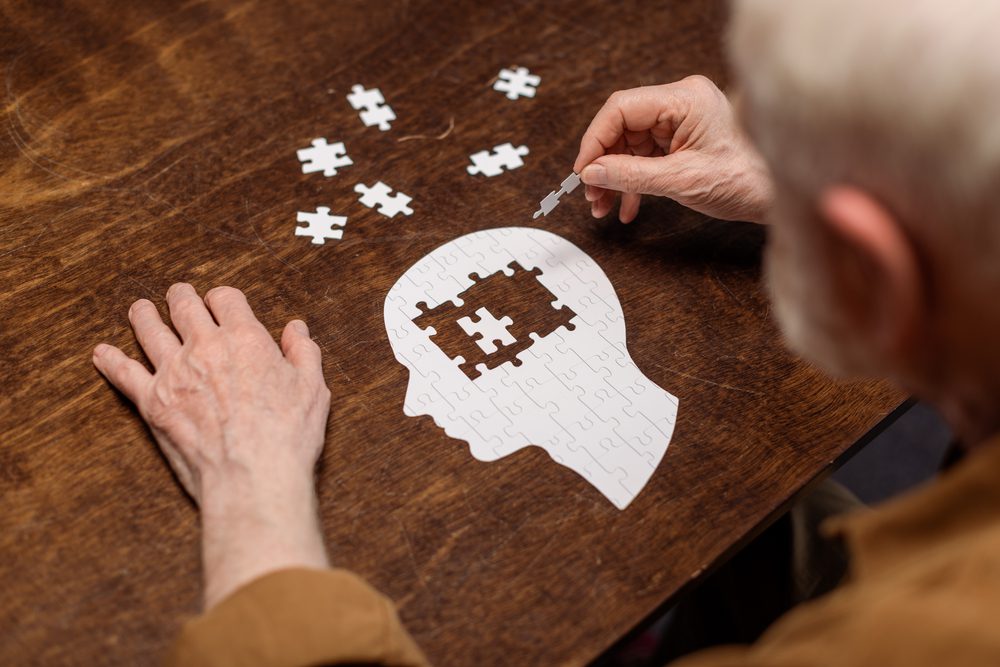
dementia myth
Photo by Bencemor from Shutterstock

Dementia is preventable

Unfortunately, this is completely untrue. However, it’s worth mentioning that some factors could reduce the risk of some types of dementia. For example, the Lancet Commission’s 2020 report on dementia prevention, intervention, and care lists 12 factors that could increase the risk of dementia: less education, hypertension, smoking, hearing impairment, depression, obesity, sedentary life, diabetes, low levels of social contact, alcohol consumption, and air pollution.

Working on changing some of these factors might have a positive impact on your health and even help reduce the risk of dementia.

Vitamins and supplements might prevent dementia

Regarding what we’ve discussed above, this is, again, false. Up to this date, there hasn’t been any strong evidence that vitamin and mineral supplements might reduce the risk of dementia. In fact, back in 2018, the Cochrane Library studied the issue with a thorough analysis that included data from over 83,000 participants from 28 other studies.

They concluded that there wasn’t any evidence to show that vitamin and mineral supplementation might have a meaningful effect on cognitive decline or dementia.

People with dementia are automatically more aggressive

In certain situations, people with dementia might find that it’s increasingly harder to understand the world around them (not that cognitively healthy adults have it any better, either). For understandable reasons, the confusion might become extremely frustrating, and some individuals might even respond to emotions in an angry fashion. But this doesn’t make it a rule for everyone. In fact, according to a study conducted on 215 people with dementia, 41% of them developed aggressive behavior throughout the 2-year study.

And when scientists looked at the list of factors that increased the risk of developing aggressive behavior, they discovered that physical pain and a low-quality relationship between the patients and their caregivers led to an increasingly aggressive attitude.

If you’re curious to read more about dementia, here’s what you need to read: 7 Subtle Signs Your Spouse Has Dementia

Pages: 1 2 3 4 5 6

Share this article

Facebook Twitter Pinterest LinkedIn Email

Leave a Reply Cancel reply

Your email address will not be published. Required fields are marked *

Search

Latest Posts

  • How to Cope with Grief After Losing a Spouse in Retirement
  • The Power of Gratitude: How Seniors Can Use It to Live Happier Lives
  • A senior woman sits alone on her sofa in warm afternoon light, looking out the window with a pensive and slightly anxious expression. Why Anxiety in Seniors Is Often Overlooked—and How to Get Help
  • 8 Simple Ways to Boost Your Mood Every Day After 60 8 Simple Ways to Boost Your Mood Every Day After 60
  • A woman in her 60s sits thoughtfully in a sunlit living room with a mug of tea, reflecting on connection and solitude. Why Loneliness Hits Harder After 60—and How to Fix It
  • Two people sitting on a sofa in a quiet, sunlit living room, showing a moment of supportive connection and listening. 9 Things You Should NEVER Say to Someone With Anxiety
  • A tense, high-contrast conversation between two people in a minimalist setting. 5 Body Language Secrets That Reveal Someone Is Lying to You
  • A woman sitting thoughtfully by a window in a soft-lit, modern living room. 8 Signs You Were Raised by an Emotionally Unavailable Parent
  • Surreal illustration of a person looking into a mirror that reflects a golden labyrinth, symbolizing internal complexity. The 6 Most Dangerous Lies We Tell Ourselves Every Day
  • A woman in a peaceful, sunlit room embodying emotional clarity and calm. 10 Things Emotionally Intelligent People NEVER Do

Newsletter

Get the latest posts delivered to your inbox.

Related Articles

Narcissist psychopaths

Psychopaths Do These 9 Things

We can all agree that psychopathy is a widely debated topic as far as psychology…

Read More →
Early Psychotic Sign

10 Early Psychotic Signs You Need Therapy Right Now

If you have a difficult time recognizing the difference between what’s real and what isn’t,…

Read More →
Woman meditating peacefully in a sunlit room.

The Power of Forgiveness: How Letting Go Can Improve Your Mental Health

Supporting Your Emotional Health Through the Process The journey of forgiveness can stir up powerful…

Read More →

How to Cope with Grief After Losing a Spouse in Retirement

Learn practical, evidence-based strategies to cope with the loss of a spouse in retirement, protect…

Read More →
triggers

13 Dangerous Psychological Triggers and How to Overcome Them

Triggers are natural sensory reminders that might cause painful memories or some symptoms to resurface.…

Read More →
dementia

7 Subtle Signs Your Spouse Has Dementia

5. Mood changes Maybe you won’t expect it, but mood swings are pretty common in…

Read More →
Surreal illustration of a person looking into a mirror that reflects a golden labyrinth, symbolizing internal complexity.

The 6 Most Dangerous Lies We Tell Ourselves Every Day

Uncover the 6 most dangerous lies we tell ourselves daily, from perfectionism to control fallacies,…

Read More →
therapist

10 Warning Signs You Should Talk to a Therapist

7. You could use an unbiased, confidential person to talk to, and a therapist might…

Read More →
Depression

Dating With Depression: 10 Smart Tips to Conquer This Disorder

If you thought dating is hard, dating with depression is a whole new challenge. More…

Read More →

Psychology Diary

The First Step Toward Change Is Awareness

Inedit Agency S.R.L.
Bucharest, Romania

contact@psychologydiary.com

Explore

  • About Us
  • Advertiser Disclosure
  • Contact Us
  • Disclaimer
  • Do not sell my personal information
  • Editorial Policy
  • Frequently Asked Questions
  • Privacy Policy
  • Terms and Conditions
  • Subscribe
  • Unsubscribe

Categories

  • Expert Tips
  • Family
  • Life
  • Marriage
  • Mental Health

© 2026 Psychology Diary. All rights reserved.