Psychology Diary

The First Step Toward Change Is Awareness

  • Home
  • Relationships
  • Mental Health
  • Expert Tips
  • Life
  • Family
  • Marriage

Understanding Common Mental Health Challenges in Older Adults

August 31, 2025 · Mental Health

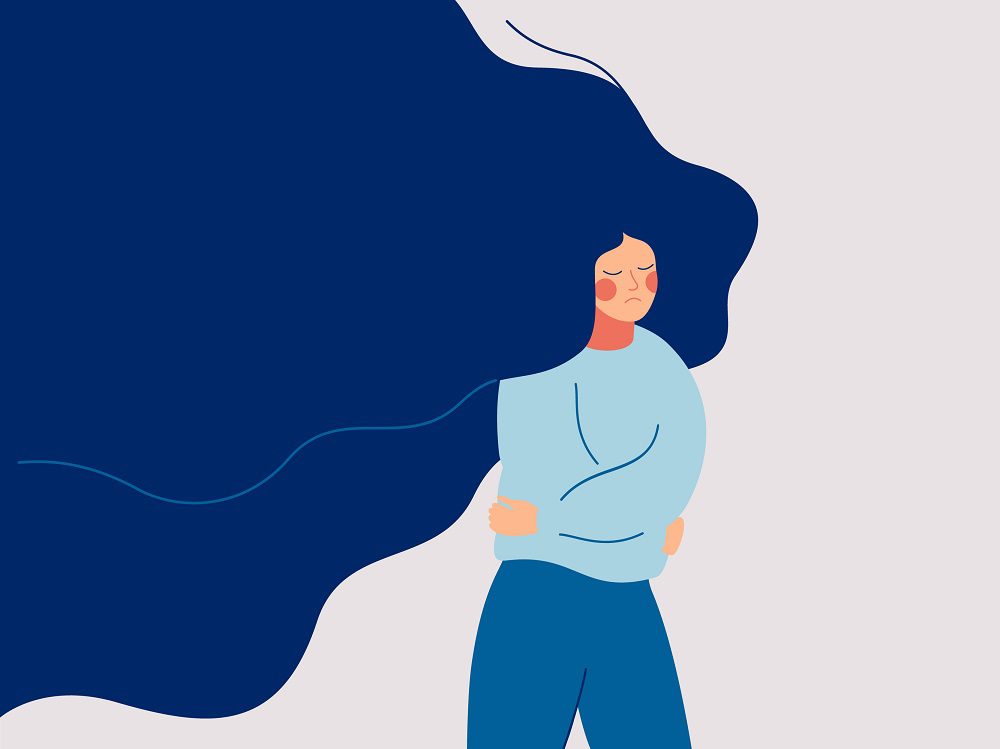
Worried senior woman sitting on porch.

Navigating Anxiety in Seniors

While depression often involves looking back with regret, anxiety is about looking forward with fear. Concerns about health, finances, safety, or the well-being of family can become overwhelming, leading to a state of constant worry that interferes with daily life. Like depression, anxiety in seniors can have a strong physical component.

Symptoms of an anxiety disorder can include:

  • Excessive worry that is difficult to control.
  • Feeling restless, keyed up, or on edge.
  • Physical symptoms like a racing heart, shortness of breath, trembling, sweating, or stomach problems.
  • Avoiding situations that trigger worry, such as driving, going to crowded places, or even leaving the house.
  • Difficulty sleeping because of racing thoughts.

This state of high alert is exhausting. Fortunately, there are grounded, practical skills that can help calm the nervous system in the moment and retrain the brain’s response to worry over time.

Skill 1: The 5-4-3-2-1 Grounding Technique

When you feel a wave of panic or anxiety, your mind is stuck in “what if” thoughts about the future. Grounding pulls your attention back to the present moment and the safety of your immediate environment. It uses your five senses.

Wherever you are, pause and gently notice:

5: Five things you can see. Look around and name them silently to yourself. The lamp on the table. The pattern on the rug. A crack in the ceiling. The blue of my shirt. A tree outside the window.

4: Four things you can feel. Notice the physical sensations. The texture of the chair against my back. The warmth of my hands. The smooth surface of my phone. My feet flat on the floor.

3: Three things you can hear. Listen carefully to the sounds around you. The hum of the refrigerator. A car driving by. My own breathing.

2: Two things you can smell. This might be subtle. The faint scent of coffee in the air. The clean smell of laundry soap on my clothes.

1: One thing you can taste. The lingering taste of toothpaste. Or take a sip of water and notice its coolness.

This exercise breaks the cycle of racing thoughts by redirecting your brain’s focus. It’s simple, discreet, and can be done anywhere.

Skill 2: Scheduled “Worry Time”

It sounds counterintuitive, but giving your worries a specific, contained appointment can keep them from taking over your entire day. Designate a 15-minute period each day—for example, 4:30 PM to 4:45 PM—as your official “Worry Time.”

During this time, you are allowed to worry intensely. Write down all your fears, think through worst-case scenarios, and let your mind go there. When the timer goes off, you stop. If a worry pops up at another time of day, acknowledge it and tell yourself, “Thank you for that thought. I will think about it during my scheduled Worry Time at 4:30.” This practice helps you regain a sense of control, teaching your brain that you are in charge of when you engage with worry.

For persistent anxiety, therapies like Cognitive Behavioral Therapy (CBT) are considered a gold standard. A CBT therapist can help you identify, challenge, and reframe the catastrophic thinking patterns that fuel anxiety, providing you with a robust toolkit for long-term management.


Pages: 1 2 3 4 5 6 7 8 9 10

Share this article

Facebook Twitter Pinterest LinkedIn Email

Leave a Reply Cancel reply

Your email address will not be published. Required fields are marked *

Search

Latest Posts

  • A mixed media collage of a silhouette filled with torn paper and translucent layers, symbolizing the invisible nature of emotional neglect. 10 Traits of People Emotionally Neglected as Kids
  • A mixed-media collage showing a rigid, golden silhouette with cracks revealing a soft, watercolor interior, representing performative armor. 7 Behaviors People Mistake For Confidence But Aren’t
  • A woman sits alone at a kitchen table in dim evening light while her partner stands in the background, illustrating emotional distance. 9 Psychological Reasons Why People Stay in Unhappy Relationships
  • An illustration of a person using a prism to turn a chaotic blue wave into a clear spectrum of distinct colors. 10 Signs You Have Exceptionally High Emotional Intelligence
  • A mixed-media collage of an older person's profile filled with childhood drawings and school reports, representing deep-seated habits. 8 Childhood Habits That Still Secretly Shape Your Personality After 60
  • An abstract mixed-media piece showing bright yellow and orange splashes like a laugh, covering a dark, dense gray background. 7 Signs Someone Uses Humor To Avoid Serious Conversations
  • Two friends sitting at a kitchen table, unconsciously mirroring each other's posture by resting their chins on their hands. 7 Signs Someone Mirrors Your Personality Without Realizing It
  • A woman laughs at her phone while her friend sits beside her on a sofa with a forced, thin smile and envious eyes. 7 Friendship Behaviors That Reveal Hidden Jealousy
  • A mixed media collage showing a glowing smartphone screen inside a mirror frame, casting a shadow of a staged performance on a curtain. 7 Signs Someone Is Performing Kindness For Attention
  • A mixed media collage of a person in a theatrical spotlight while their partner sits in the shadows of a theater audience. 7 Signs Someone Loves Attention More Than They Love You

Newsletter

Get the latest posts delivered to your inbox.

Related Articles

An older woman in a knit sweater sits on a porch at dawn, holding a steaming mug and looking thoughtfully at a misty garden.

The Power of Gratitude: How Seniors Can Use It to Live Happier Lives

Discover how a daily gratitude practice can help seniors improve mental well-being, protect cognitive health,…

Read More →
alzheimer's disease

12 Ways To Help Prevent Alzheimer’s disease (and Other Forms of Dementia)

There are currently 50 million people worldwide who struggle with dementia, and researchers project that…

Read More →
dementia myth

7 Worst Types of Dementia and How to Identify Yours

…Are you scared of dementia? According to research, dementia is one of the most prevalent…

Read More →
Memory Loss

Experiencing Memory Loss? These 8 Genius Tips Can Help!

Have You Been Having Issues With Memory Loss? Have you looked everywhere, but you can’t…

Read More →
signs of anxiety war

Top 6 Earliest Signs of Anxiety Disorder in Seniors

3. Constant fatigue Of all the signs of anxiety, feeling tired and constantly fatigued is…

Read More →
affect

7 Negative Ways in Which Stress Affects the Body

Stress Affects Your Pain Experience Due to how stress affects your body, in moments of…

Read More →
Borderline Personality Disorder

Borderline Personality Disorder: 8 Most Scary Misunderstandings

Let’s talk about the most common myths surrounding borderline personality disorder. Borderline personality disorder is…

Read More →
Bipolar Disorder

9 Warning Signs of Bipolar Disorder in Seniors

3. Disorganized or easily distracted Often, individuals with Bipolar Disorder struggle to keep things in…

Read More →
Mental Health Disorder

4 Scary Mental Health Disorders Doctors Sometimes Misdiagnose

What Are The Most Commonly MIS-Diagnosed Mental Health Disorders? Until fairly recently, those who were…

Read More →

Psychology Diary

The First Step Toward Change Is Awareness

Inedit Agency S.R.L.
Bucharest, Romania

contact@psychologydiary.com

Explore

  • About Us
  • Advertiser Disclosure
  • Contact Us
  • Disclaimer
  • Do not sell my personal information
  • Editorial Policy
  • Frequently Asked Questions
  • Privacy Policy
  • Terms and Conditions
  • Subscribe
  • Unsubscribe

Categories

  • Expert Tips
  • Family
  • Life
  • Marriage
  • Mental Health

© 2026 Psychology Diary. All rights reserved.