

When you picture a highly intelligent person, you might imagine a human calculator or a trivia champion who constantly dominates conversations. In reality, modern psychology reveals that exceptional intelligence usually operates quietly behind the scenes of your everyday behaviors. A high IQ shapes how you process uncertainty, manage your emotions, and connect seemingly unrelated ideas. Research continuously proves that true cognitive brilliance is less about knowing all the right answers and more about knowing how to ask the right questions. By looking beyond standardized test scores and academic achievements, you can recognize the subtle, research-backed traits that indicate a mind constantly adapting, exploring, and analyzing the complex world around it.
Rethinking How We Measure Brainpower
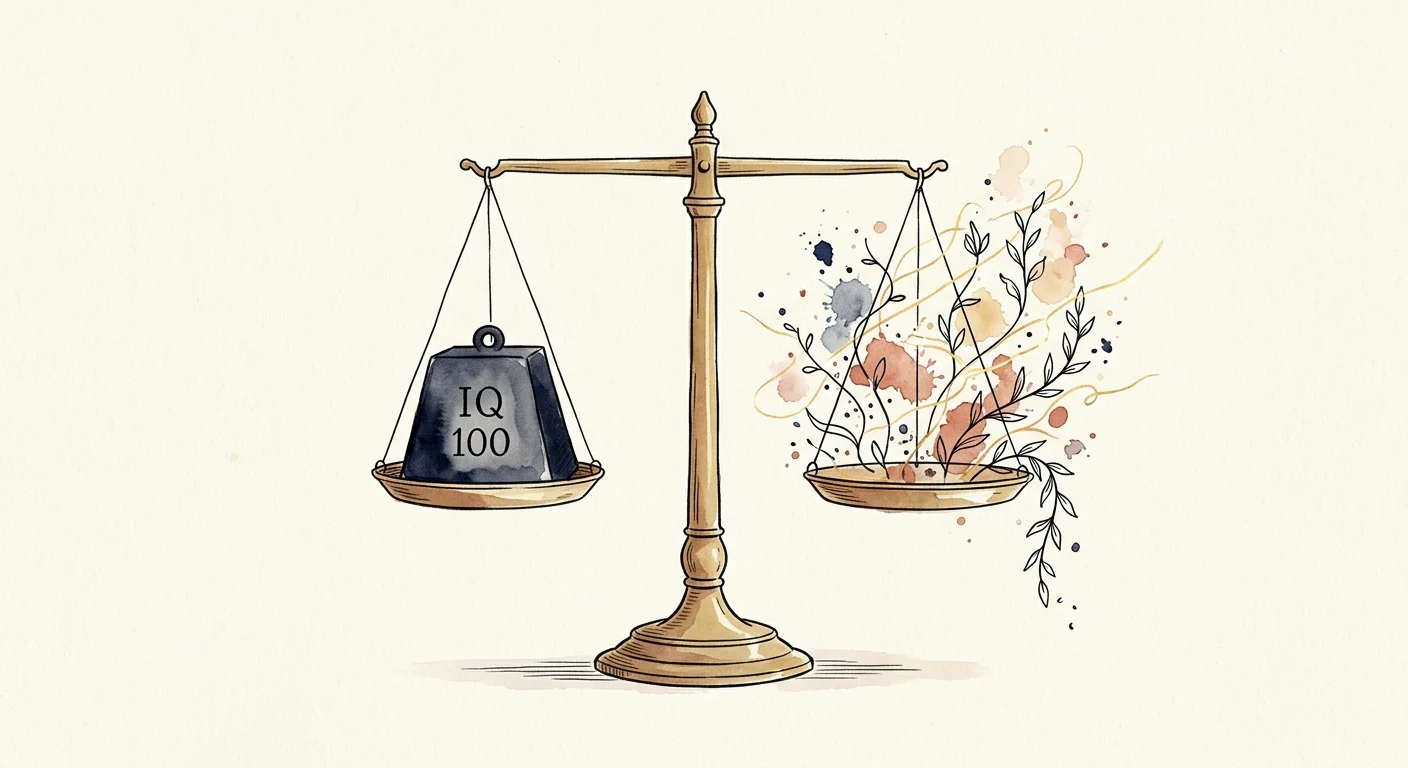
For decades, society reduced intelligence to a single numerical score derived from formal testing. While clinical assessments remain a valid way to measure cognitive processing speed and memory, modern psychological research takes a much broader view of human intellect. Psychologists often look at your “g-factor”—your general intelligence—which influences everything from how you manage stress to the way you interact with authority. Intelligence is a highly dynamic trait that continually interacts with your personality, environment, and emotional landscape.
12 Unexpected Signs of a High IQ
1. You Have an Insatiable “Epistemic” Curiosity
Curiosity is not just a childhood phase; it is a fundamental driver of adult intelligence. Psychologists distinguish between perceptual curiosity—like wondering what is making that noise outside—and epistemic curiosity, which is the deep, persistent desire to learn new knowledge. A comprehensive 2011 meta-analysis by Dr. Sophie von Stumm published in Perspectives on Psychological Science concluded that a “hungry mind” is a core pillar of cognitive performance. When you possess a high IQ, you do not just accept surface-level explanations; you want to intimately understand the mechanics behind how and why things work.
2. You Exhibit High Fluid Adaptability
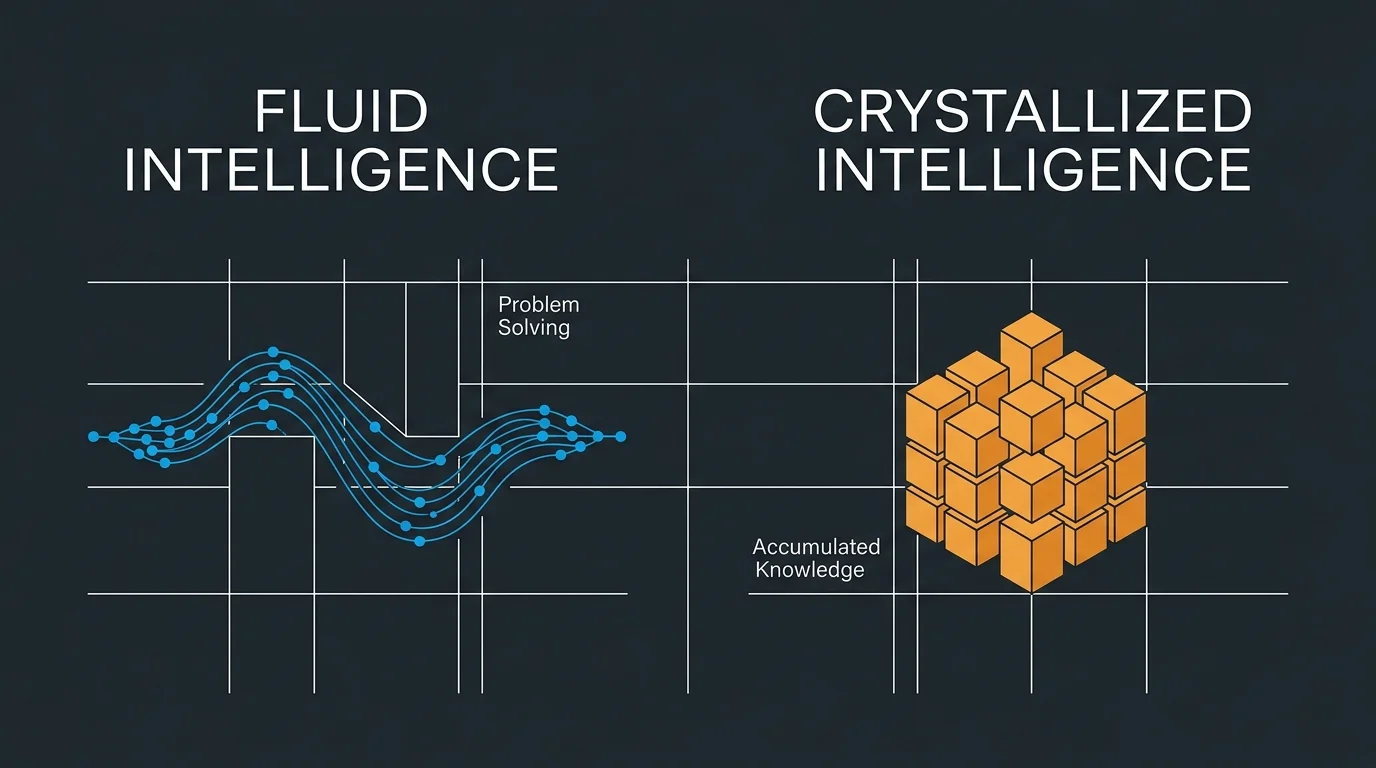
Intelligence is generally divided into two categories: crystallized and fluid. While crystallized intelligence relies on accumulated facts, fluid intelligence is your ability to navigate entirely new problems without relying on prior experience. If you find yourself quickly adjusting to sudden changes at work, recognizing unspoken patterns in human behavior, or calmly pivoting when a plan falls apart, you are displaying high fluid intelligence. As Viktor Frankl profoundly noted regarding human adaptability:
“When we are no longer able to change a situation, we are challenged to change ourselves.” — Viktor Frankl, Psychiatrist and Holocaust Survivor
3. You Appreciate Dark or Complex Humor
Your reaction to morbid, sarcastic, or taboo jokes might actually reveal the strength of your cognitive processing. A 2017 study published in the journal Cognitive Processing found that individuals who appreciate dark humor score significantly higher in both verbal and nonverbal intelligence. Deciphering a dark joke requires complex mental gymnastics. You must simultaneously grasp the literal meaning, recognize the absurdity or tragedy, and emotionally regulate yourself enough to find the punchline amusing rather than offensive. Furthermore, the study noted that these intellectually gifted individuals generally exhibited lower levels of aggressiveness.
4. You Practice Intellectual Humility
There is a profound difference between being exceptionally smart and being a know-it-all. Highly intelligent people are acutely aware of the limits of their own knowledge. This phenomenon ties back to the Dunning-Kruger effect, a cognitive bias identified in 1999. While individuals with lower cognitive ability tend to vastly overestimate their competence, highly intelligent people often underestimate their skills because they understand just how complex most subjects truly are. If you frequently find yourself saying, “I do not know enough about this topic to form an opinion,” you are demonstrating a hallmark of advanced cognitive maturity.
5. You Are Open to New Experiences
In the widely used HEXACO model of personality, the trait most consistently linked to high ability is openness to experience. Research involving Mensa members and high-ability university students demonstrates that individuals with a high IQ are significantly more open to exploring unconventional lifestyles, diverse perspectives, and abstract ideas. You do not cling rigidly to your current worldview. Instead, you allow new evidence and experiences to reshape your beliefs—a process that requires significant cognitive flexibility.
6. You Experience Lower Rates of General Anxiety
For years, popular culture promoted the “tortured genius” myth, suggesting that highly intelligent people are inherently more anxious and prone to distress. However, recent large-scale research paints a completely different picture. A robust 2022 study analyzing data from the UK Biobank—involving hundreds of thousands of participants—found that a high general intelligence factor actually acts as a protective shield against anxiety disorders and post-traumatic stress disorder. Because you have advanced problem-solving skills, you are often better equipped to process stressors and formulate proactive solutions before anxiety takes root.
7. You Find Comfort in Solitude
While human connection is a fundamental need, highly intelligent individuals often require more solitude to recharge and process information. Evolutionary psychologists have proposed the Savanna theory of happiness, which suggests that highly intelligent people actually experience less life satisfaction when they socialize too frequently. You likely enjoy deep, meaningful connections but find large, superficial social gatherings utterly draining. This strong preference for solitude allows your brain the quiet space it needs to engage in deep work and creative reflection.
8. You Possess Strong Pattern Recognition
A high IQ often manifests as a brain that refuses to view events in isolation. You naturally connect dots across entirely different domains—perhaps applying a principle from evolutionary biology to a modern business problem, or seeing how historical trends mirror current social psychology. This ability to zoom out and recognize the overarching framework is a vital component of executive functioning, allowing you to anticipate outcomes that catch others entirely off guard.
9. You Are Highly Conscientious
While intelligence dictates your raw cognitive horsepower, conscientiousness is the steering wheel. Research published in the journal Learning and Individual Differences highlights that conscientiousness—being careful, efficient, and self-disciplined—is a powerful predictor of long-term achievement, often compensating for or amplifying raw IQ. If you consistently break large, overwhelming goals into manageable steps and hold yourself accountable for completing them, you are maximizing your intellectual potential.
10. You Maintain a Healthy Skepticism of Authority
Blindly following the crowd is rarely a trait associated with high intelligence. Research published in the European Journal of Social Psychology indicates that individuals with higher cognitive abilities are significantly more likely to defy unjust authority and question established norms. You do not accept the phrase “because we have always done it this way” as a valid argument. Instead, you evaluate rules, hierarchies, and systems based on logic, fairness, and overall efficiency.
11. You Are a Restless Thinker
Having a high IQ means your brain rarely powers down completely. You might find yourself analyzing a passing comment hours after a conversation ends or staying up late to research a completely random topic that caught your interest. This cognitive restlessness is driven by a highly active default mode network—the part of the brain responsible for daydreaming, self-reflection, and imagining future scenarios. Your mind is constantly turning over ideas, searching for better solutions.
12. You Demonstrate Nuanced Empathy
Cognitive intelligence and emotional intelligence are not mutually exclusive. In fact, research exploring the behavioral differences in individuals with exceptionally high IQs found that they often possess highly developed instinctive systems and a non-literal, differentiated perception of human existence. This allows for a deeper, more nuanced form of empathy. You can hold space for someone else’s emotional reality and validate their perspective, even if their viewpoint completely contradicts your own logical assessment.
Fluid vs. Crystallized Intelligence
Understanding your IQ requires recognizing the two primary ways your brain processes the world. Most clinical psychological assessments measure a combination of both to determine your overall cognitive profile.
| Feature | Fluid Intelligence | Crystallized Intelligence |
|---|---|---|
| Core Definition | The ability to reason, solve novel problems, and identify patterns without relying on prior knowledge. | The ability to use accumulated knowledge, skills, and lived experience effectively. |
| Development Peak | Typically peaks in late adolescence or early adulthood and slowly declines as you age. | Continues to grow, expand, and strengthen throughout adulthood and into old age. |
| Everyday Example | Navigating a complex detour in a foreign city without a map or GPS. | Having a rich, expansive vocabulary or recalling specific historical facts during a debate. |
| Associated Traits | Adaptability, quick mental processing, out-of-the-box creativity. | Wisdom, deep subject matter expertise, strong verbal communication. |

What Can Go Wrong: The Shadow Side of High Intelligence
Intelligence is a remarkably powerful tool, but it can occasionally become a double-edged sword. When your brain processes information at a rapid pace and sees every possible angle, it can lead to distinct psychological challenges:
- Analysis Paralysis: Because you clearly see multiple outcomes and potential risks, making a simple decision can sometimes feel completely overwhelming. You might overcomplicate straightforward choices by searching for the “perfect” solution.
- Existential Frustration: A deep understanding of complex global issues can sometimes lead to feelings of hopelessness or existential dread, especially when you feel powerless to enact systemic change.
- Social Friction: Your desire for deep, intellectual conversation can sometimes make small talk feel agonizing. This reluctance to engage in surface-level banter can occasionally be misinterpreted by others as aloofness or arrogance.
- Maladaptive Perfectionism: Highly gifted individuals sometimes exhibit perfectionistic tendencies, feeling immense internal pressure to constantly live up to their perceived cognitive potential.

When to Seek Professional Support
A high IQ does not immunize you against mental health struggles; in fact, it can sometimes make it easier to intellectualize your feelings rather than actually processing them. Consider reaching out to a therapist or counselor through a platform like Psychology Today if you experience:
- Chronic Burnout: You consistently push your cognitive limits to the point of severe physical and emotional exhaustion, ignoring your body’s signals to rest.
- Emotional Numbing: You use your powerful intellect to analyze your emotions from a safe distance rather than allowing yourself to truly feel and release them.
- Severe Isolation: Your difficulty connecting with others on a superficial level has led to chronic loneliness, social withdrawal, or a deep sense of alienation.
- Existential Depression: Your deep questioning of life’s ultimate meaning has morphed into persistent sadness, apathy, or a total loss of interest in your daily routines.
Frequently Asked Questions
Can your IQ change over time?
While your baseline cognitive capacity remains relatively stable throughout your life, your crystallized intelligence—the specific knowledge and skills you acquire—continues to grow indefinitely. Additionally, lifestyle factors like brain health, proper sleep hygiene, and continuous learning can significantly impact how efficiently you utilize your raw intelligence.
Does a high IQ guarantee career success?
Not necessarily. While a high IQ is an excellent predictor of academic success and raw problem-solving capability, true career success relies heavily on emotional intelligence, conscientiousness, resilience, and interpersonal skills. Raw processing power must be paired with focused action and empathy to thrive in a collaborative environment.
Is emotional intelligence more important than cognitive intelligence?
They serve different but equally valuable purposes. Cognitive intelligence helps you solve technical problems, learn new skills, and analyze complex data, while emotional intelligence helps you navigate nuanced human relationships, regulate your own stress, and lead others effectively. The most successful and fulfilled individuals usually cultivate strong levels of both.
Recognizing the signs of a high IQ in yourself is not about feeding your ego; it is about intimately understanding the unique mechanics of your mind. When you know how your brain naturally prefers to process information, you can stop fighting your own rhythms. You can give yourself permission to seek out restorative solitude, embrace your dark sense of humor, and lean into your insatiable curiosity without apologizing for it. Embrace your cognitive strengths, but always remember that a brilliant mind thrives best when it is partnered with a compassionate and grounded heart.
The information in this article is meant for educational purposes and general guidance. It does not replace individual therapy, counseling, or medical treatment. If you or someone you know is in crisis, contact the 988 Suicide & Crisis Lifeline by calling or texting 988.
Last updated: July 2026. Psychology research evolves continuously—verify current findings with professional sources.









Leave a Reply