
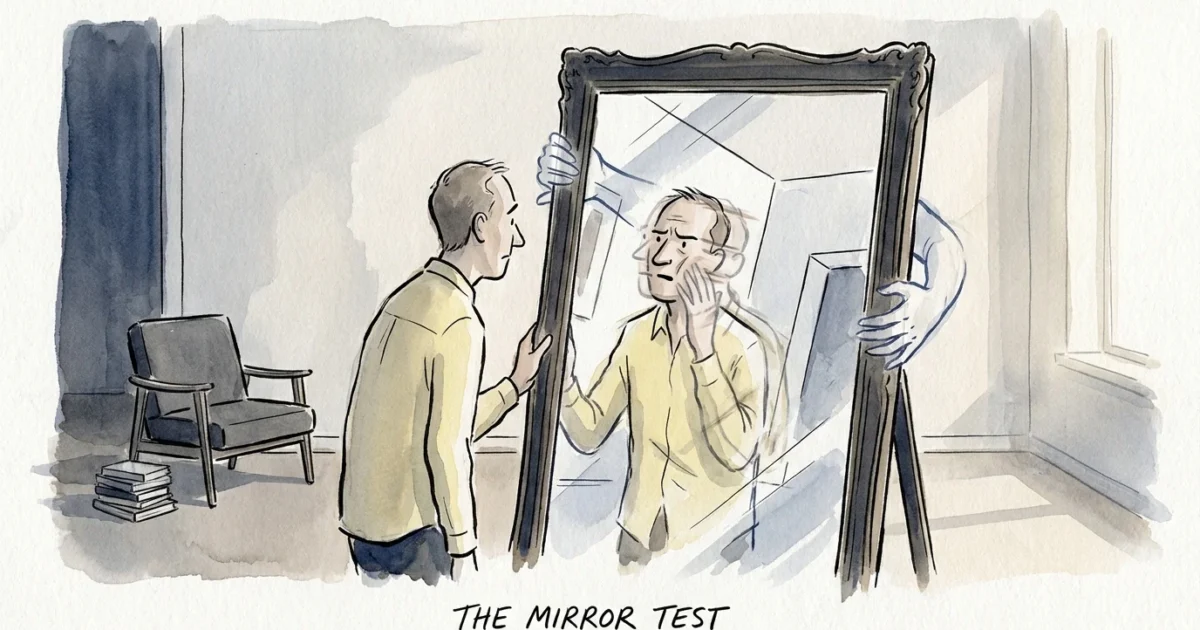
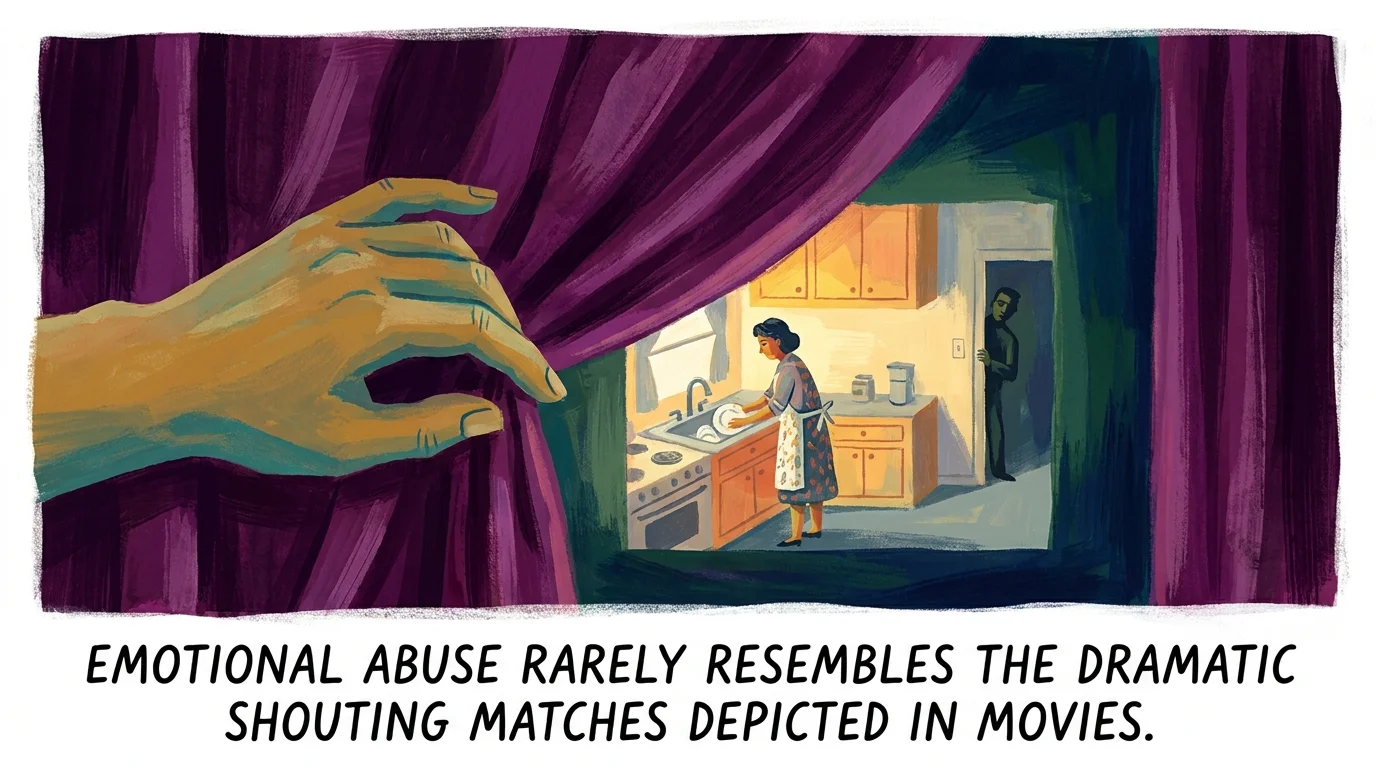
Recognizing emotional manipulation requires looking past someone’s charm to see the systematic ways they erode your reality and self-trust. When a partner or family member constantly twists situations to avoid accountability, you inevitably question your own memory and judgment. This psychological control often starts small—a denied conversation here, a guilt trip there—before escalating into a pattern that severely impacts your mental health. Emotional abuse rarely resembles the dramatic shouting matches depicted in movies; instead, it operates quietly in the shadows of everyday interactions. Understanding these covert tactics provides the exact framework you need to protect your boundaries, rebuild your emotional confidence, and clearly evaluate whether a relationship is healthy or actively causing you harm.
The Hidden Reality of Psychological Aggression
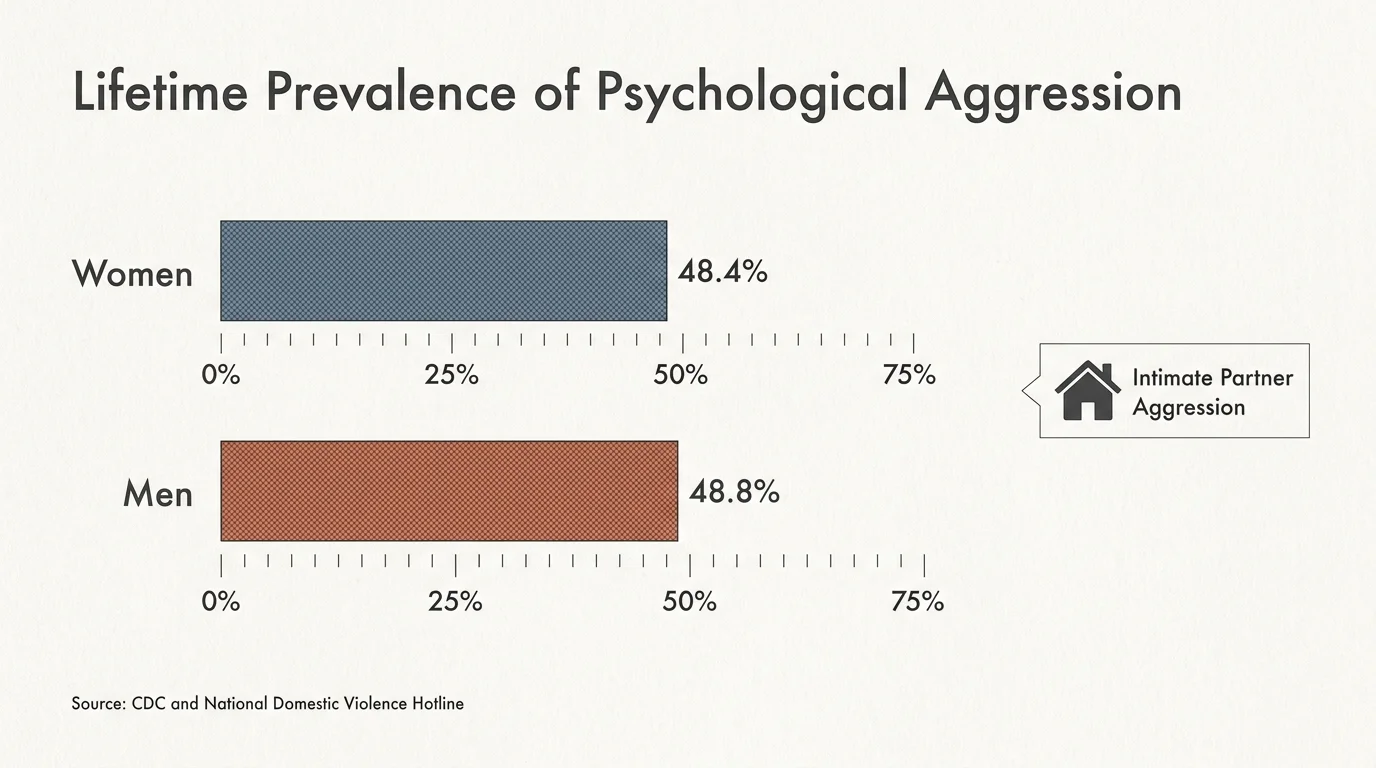
Before examining specific toxic behaviors, you must understand how frequently psychological aggression occurs. Emotional manipulation operates as the foundation of psychological abuse, and it happens much more often than society acknowledges. According to data tracked by the Centers for Disease Control and Prevention (CDC) and highlighted by the National Domestic Violence Hotline, nearly half of all women (48.4%) and men (48.8%) in the United States have experienced psychological aggression by an intimate partner in their lifetime.
This staggering statistic reveals a crucial truth: falling victim to emotional manipulation does not mean you lack intelligence or self-awareness. Manipulators specifically target highly empathetic, accommodating individuals, slowly conditioning them to accept unacceptable behavior. The manipulation happens so gradually that you might not notice the shift in power dynamics until you already feel deeply entrenched in the relationship. You start making excuses for their behavior, telling yourself that they had a difficult childhood or a stressful week at work, rather than acknowledging the deliberate nature of their control.
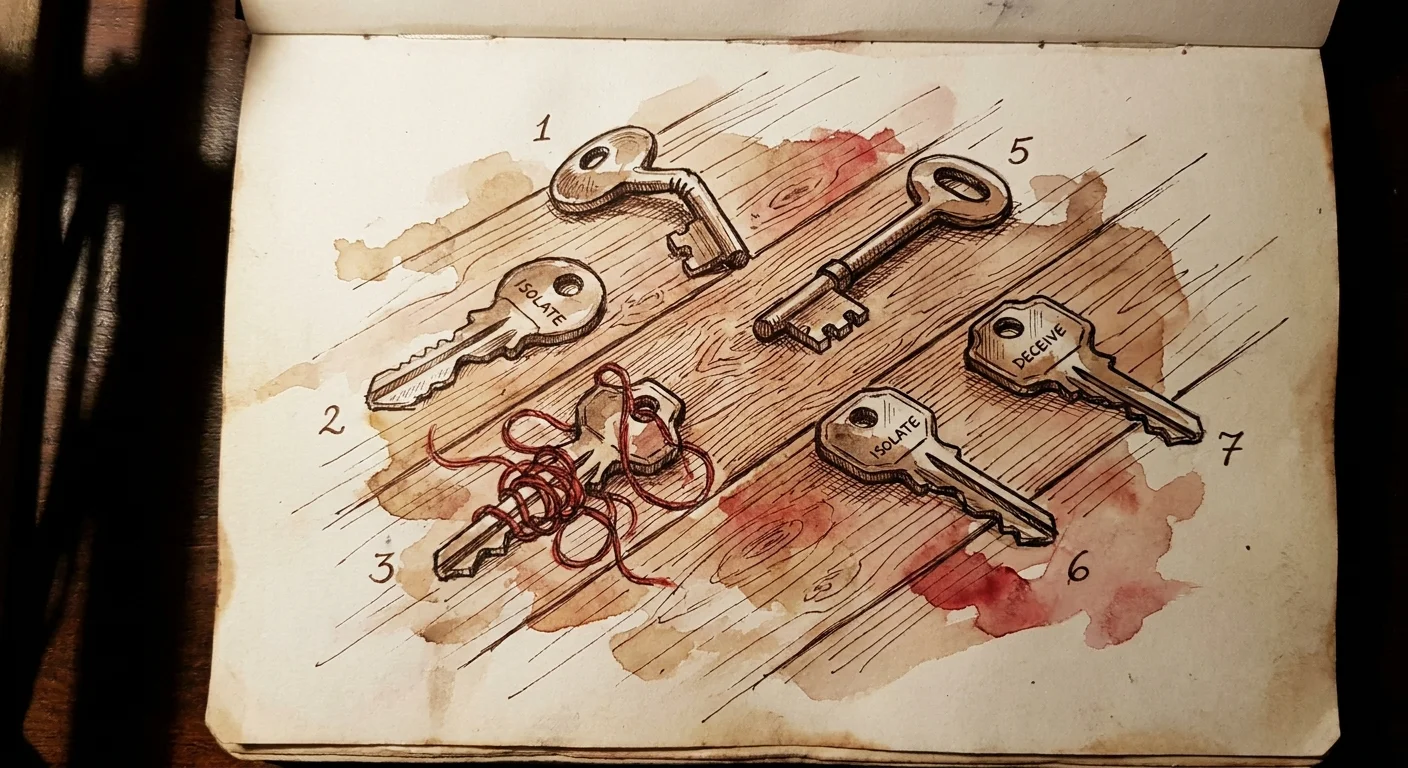
7 Signs Someone Is Emotionally Manipulating You
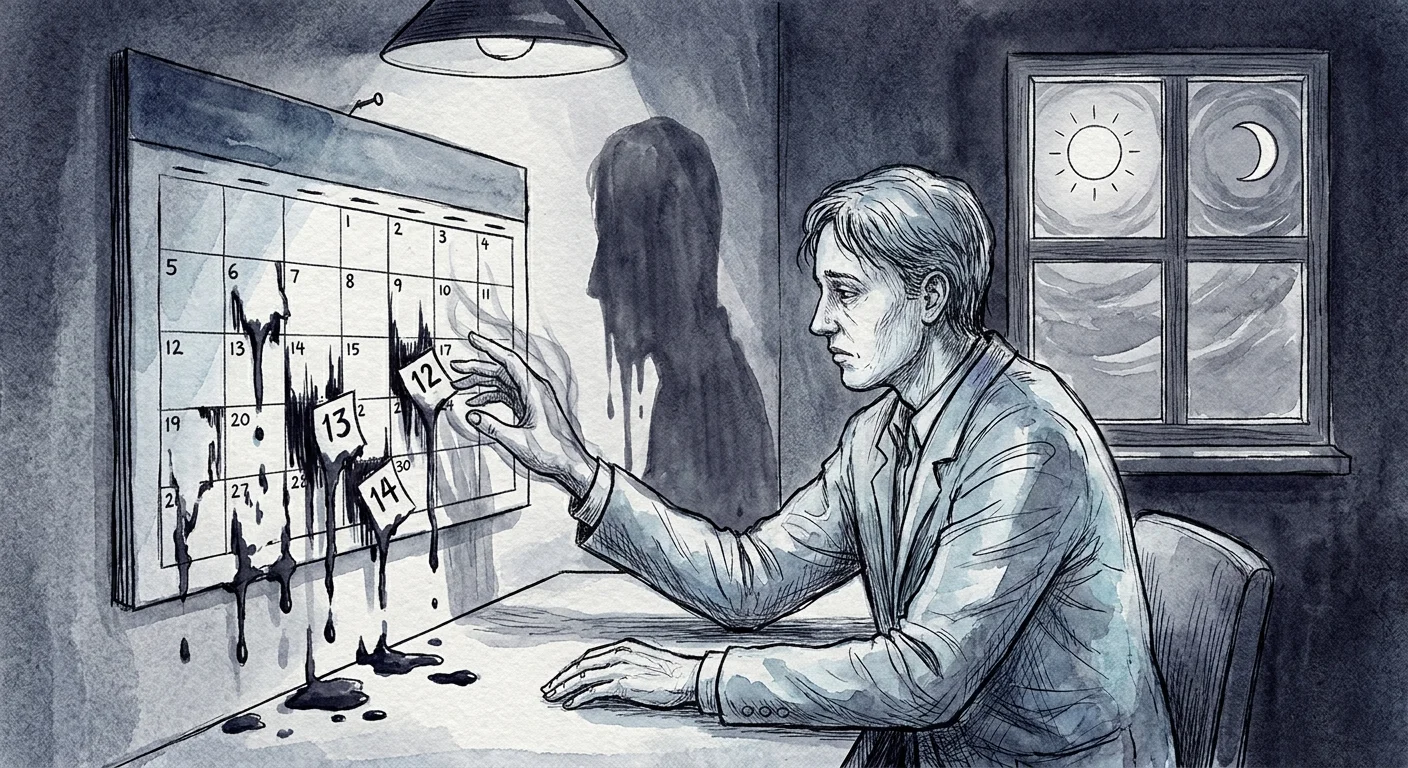
1. They Gaslight You to Warp Your Reality
Gaslighting represents one of the most severe forms of psychological manipulation. The Gottman Institute defines gaslighting as a deliberate form of emotional abuse that involves manipulating someone’s perception of reality and causing them to doubt their own sanity, memories, and thoughts. A gaslighter will flatly deny events that clearly happened, insisting you imagined a conversation or completely misunderstood their intent.
For example, your partner might agree to attend your family event, but when the day arrives, they feign ignorance. They will say, “I never agreed to that; you are just hearing what you want to hear.” Over time, this constant reality-shifting forces you to stop trusting your own brain. You start relying on the manipulator to interpret reality for you, cementing their ultimate control over your life.
2. They Move the Goalposts
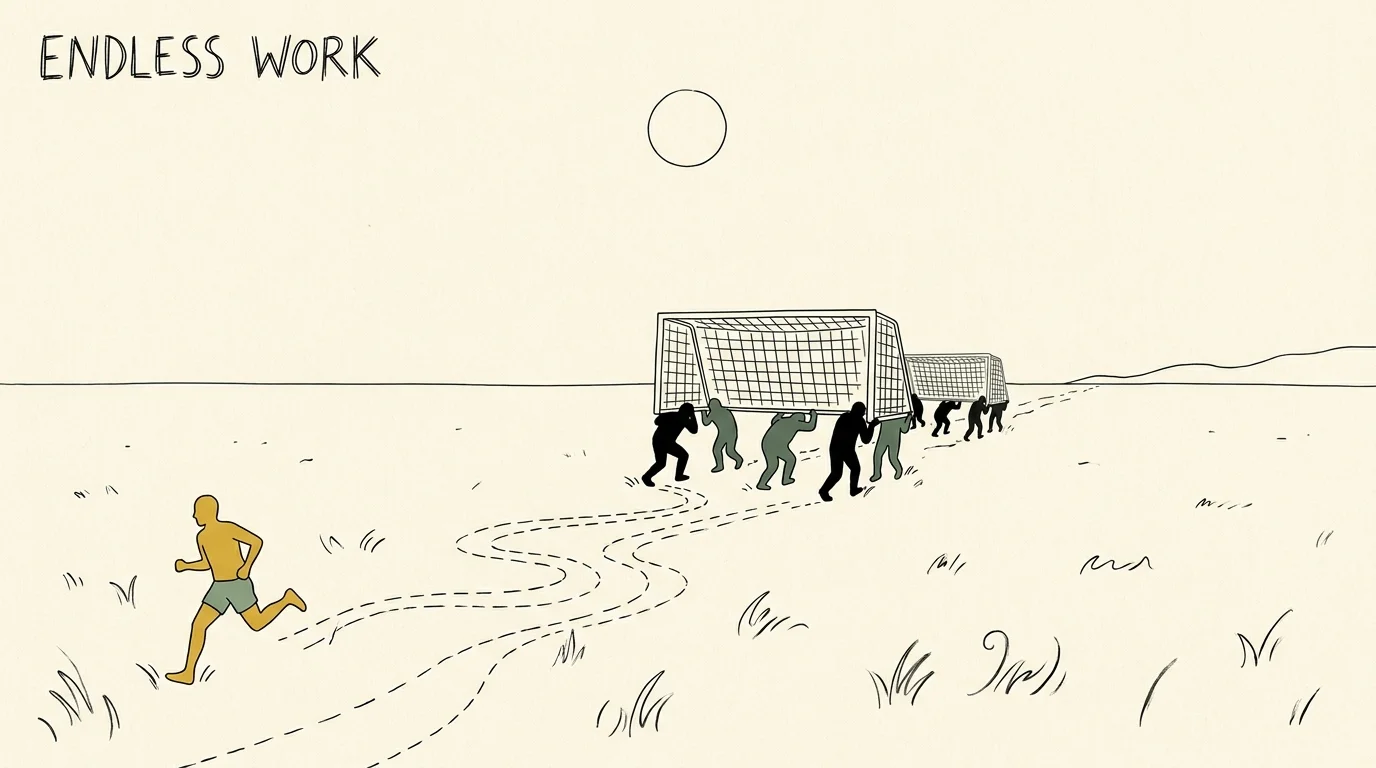
In a manipulative dynamic, the rules constantly change. No matter how hard you try to meet their expectations, they find a new reason to express disappointment. If you finally satisfy a demand they made yesterday, they will immediately complain that you did not anticipate a brand-new, unspoken need today.
If you work long hours to provide financial stability, they complain that you never spend time at home. When you cut back your hours to be more present, they criticize your lack of ambition or worry aloud about money. This tactic keeps you perpetually off-balance and desperate for their approval. By ensuring you never quite measure up, the manipulator maintains a position of superiority and keeps you working endlessly to please them.

3. They Weaponize Your Guilt
Healthy relationships involve taking mutual responsibility for conflict. Manipulative people, however, excel at making you feel entirely responsible for their emotional state. If they experience a bad day, it happens because you did not support them enough. If they lash out in anger, it happened because you provoked them.
They frequently use absolute, hyperbolic language to exploit your empathy. Phrases like, “If you actually cared about me, you wouldn’t bring this up,” or “You always ruin my weekends,” effectively shift the blame for their poor behavior onto your shoulders. Instead of addressing the actual issue, you find yourself frantically apologizing and trying to soothe their manufactured hurt.
4. They Isolate You from Your Support System
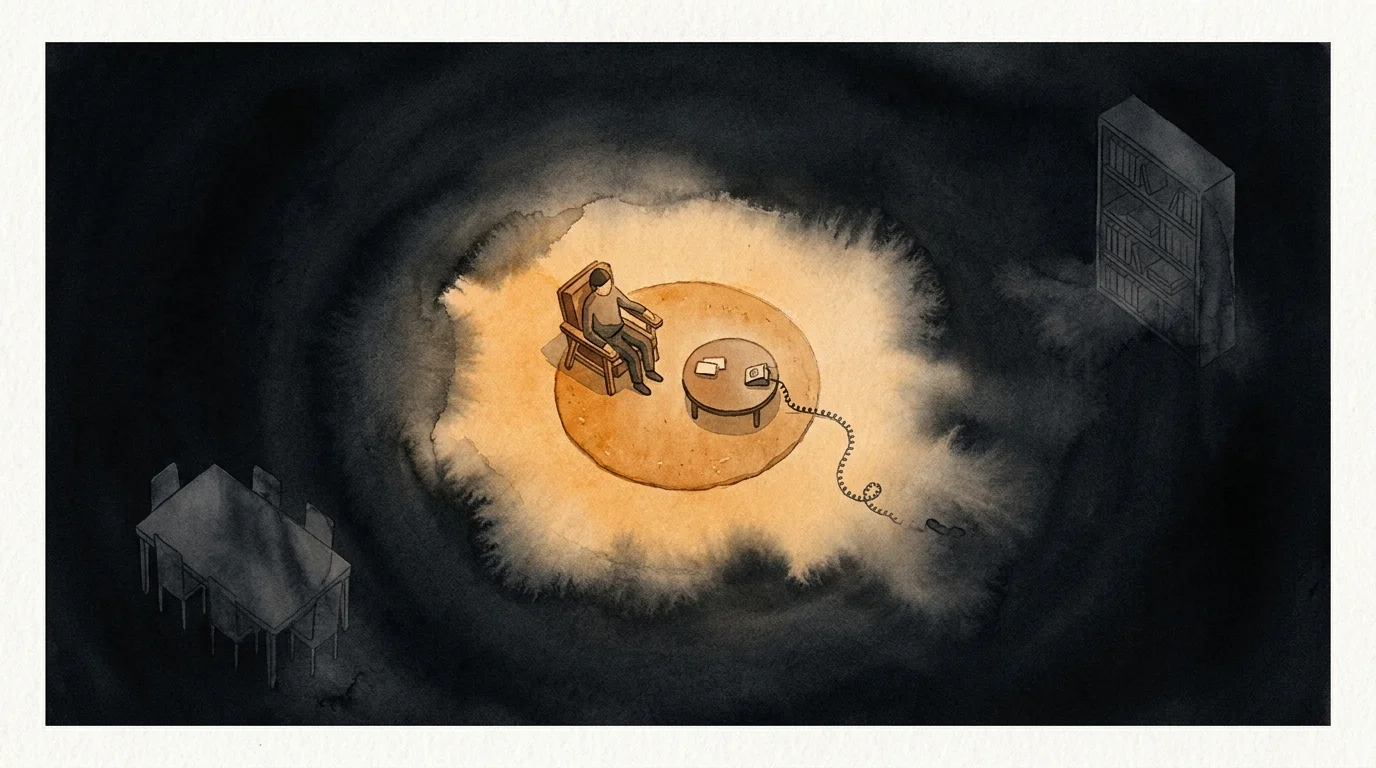
A manipulator knows that strong, outside relationships threaten their control. Friends and family members provide objective perspectives that can expose the abuse. Therefore, the manipulator works methodically to sever those ties. They rarely demand that you stop seeing friends outright; instead, they use subtle tactics to drive a wedge between you and your loved ones.
They might plant seeds of doubt about your best friend’s loyalty or complain that your family constantly mistreats them. They might create a sudden emotional crisis every time you plan to go out without them, making you feel guilty for leaving. Eventually, maintaining outside relationships feels so exhausting that you simply give up, leaving you entirely dependent on the manipulator for social connection.
5. They Play the Victim (DARVO)
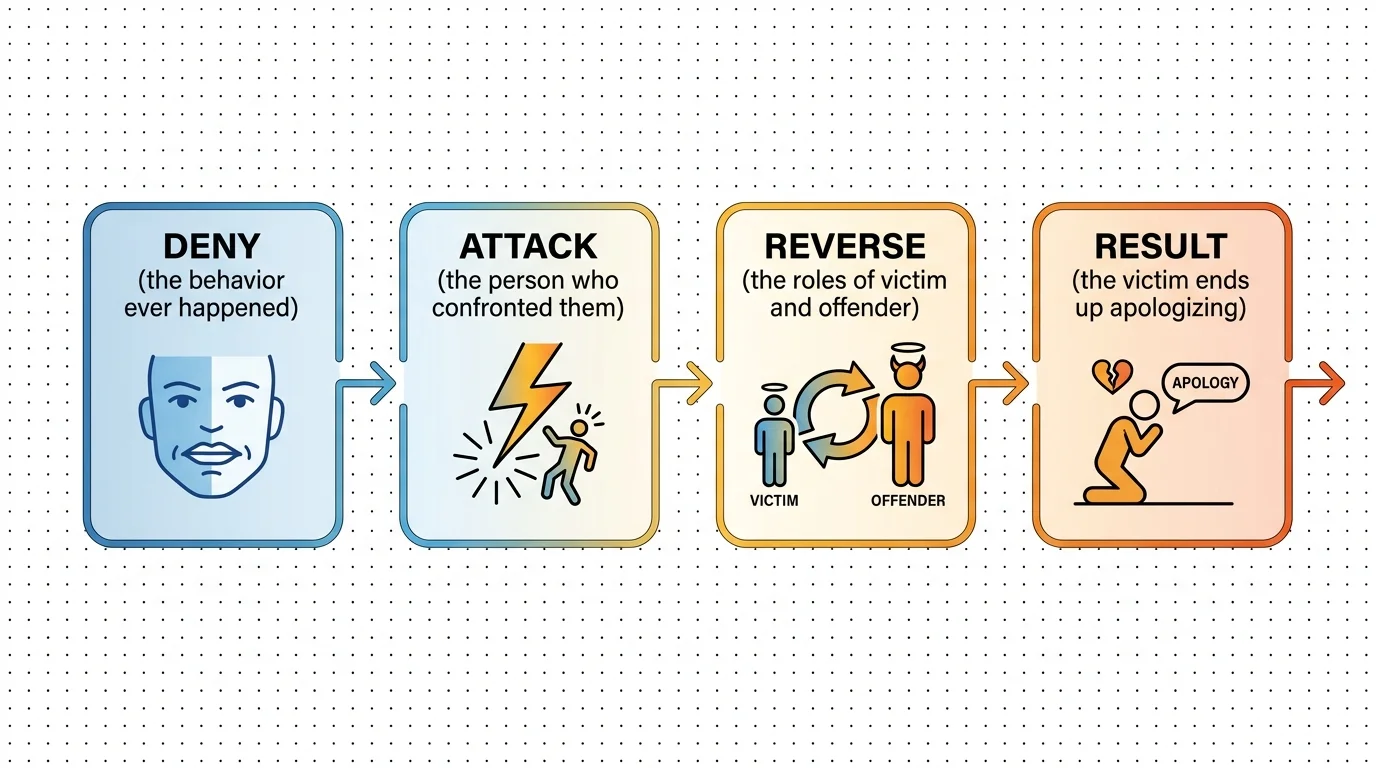
When you gather the courage to confront a manipulator about their behavior, they expertly flip the script. Psychologists refer to this defensive tactic as DARVO: Deny, Attack, and Reverse Victim and Offender. This strategy derails accountability entirely.
If you express hurt over an unkind comment they made in public, they will first deny the intent (“It was just a joke”). Next, they will attack your character (“You are always so hyper-sensitive and look for reasons to fight”). Finally, they reverse the roles, claiming that they are the ones suffering because you constantly criticize them. By the end of the conversation, you end up comforting the person who originally hurt you.

6. They Use Your Insecurities Against You
In a healthy dynamic, sharing your vulnerabilities builds trust and deepens intimacy. You disclose your fears knowing your partner will protect them. A manipulative person, however, files your insecurities away as ammunition for future conflicts. They use your deepest fears to keep you feeling small and dependent.
If you confide that you feel self-conscious about your career progress, they might later drop subtle, undermining comments about your intelligence during an argument. They disguise these jabs as “radical honesty” or “just trying to help you grow,” but the true goal is to chip away at your self-esteem. They want you to believe that you are fundamentally flawed and incredibly lucky that they tolerate you.

7. They Punish You with the Silent Treatment
It is entirely normal to need a brief timeout to cool down during a heated argument. Taking a walk to regulate your nervous system represents a healthy boundary. The silent treatment, conversely, functions as a punitive tool designed to enforce compliance.
When a manipulator uses the silent treatment, they withdraw affection, communication, and basic acknowledgment to induce emotional panic. They look right past you, refuse to answer direct questions, and treat you like a ghost in your own home. This emotional starvation continues until you break down, beg for forgiveness, and agree to their terms—regardless of whether you actually did anything wrong.
Gaslighting vs. Defensiveness: Understanding the Difference
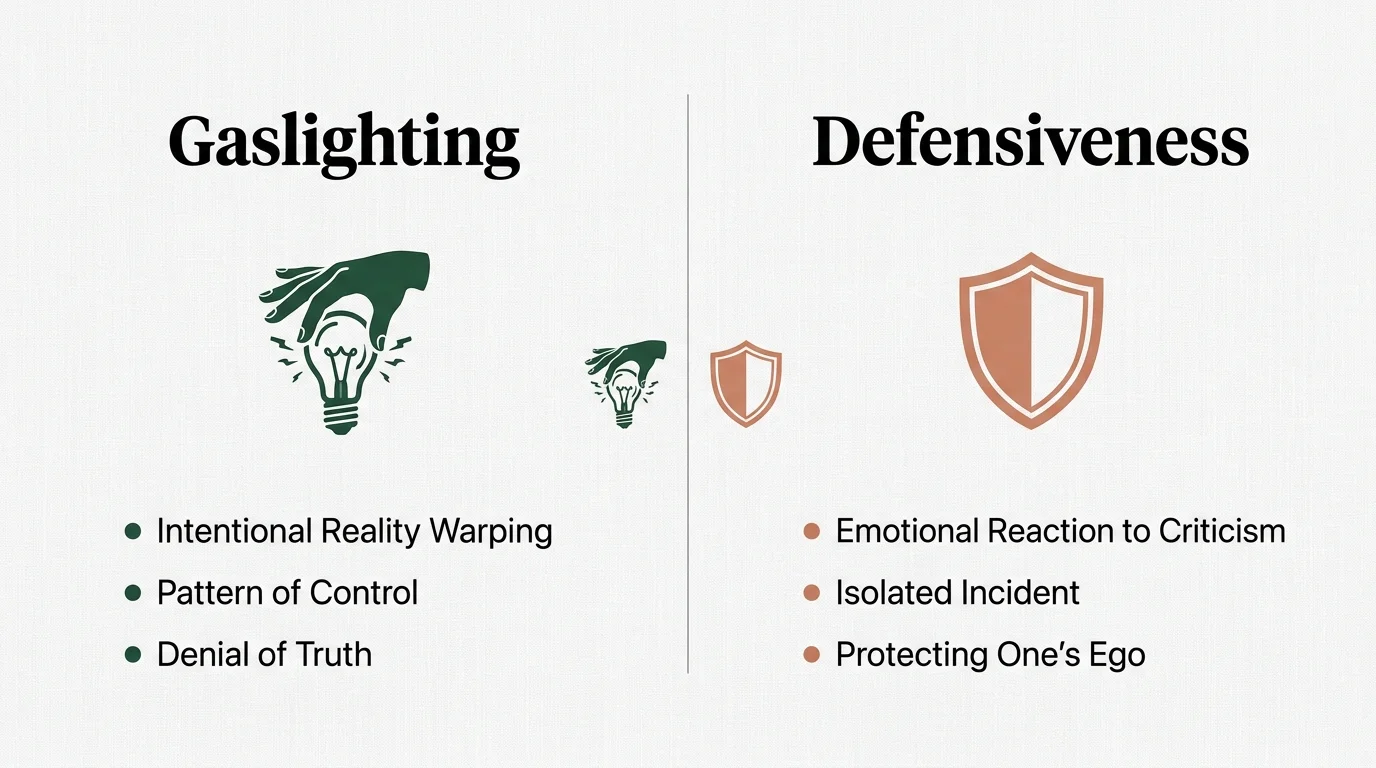
Because human behavior is complex, not every hurtful action stems from a calculated desire to manipulate. When evaluating a difficult relationship, you must differentiate between malicious gaslighting and maladaptive defensiveness. While both behaviors damage relationship trust, the core intent behind them differs significantly. Understanding this distinction helps you determine whether the relationship requires a firm boundary or an immediate exit.
| Factor | Gaslighting (Manipulation) | Defensiveness (Self-Protection) |
|---|---|---|
| Core Intent | To control you and dominate the narrative. | To escape personal shame, guilt, or conflict. |
| Focus | Externally focused on eroding your reality and self-trust. | Internally focused on protecting their fragile ego. |
| Response to Evidence | Doubles down, attacks your memory, and calls you “crazy.” | May eventually backtrack, soften, or apologize once they feel emotionally safe. |
| Overall Pattern | Premeditated, systematic, and targeted at your sanity. | Reactive, impulsive, and triggered by feeling cornered. |
The Hidden Impact: Cognitive Dissonance and Your Body
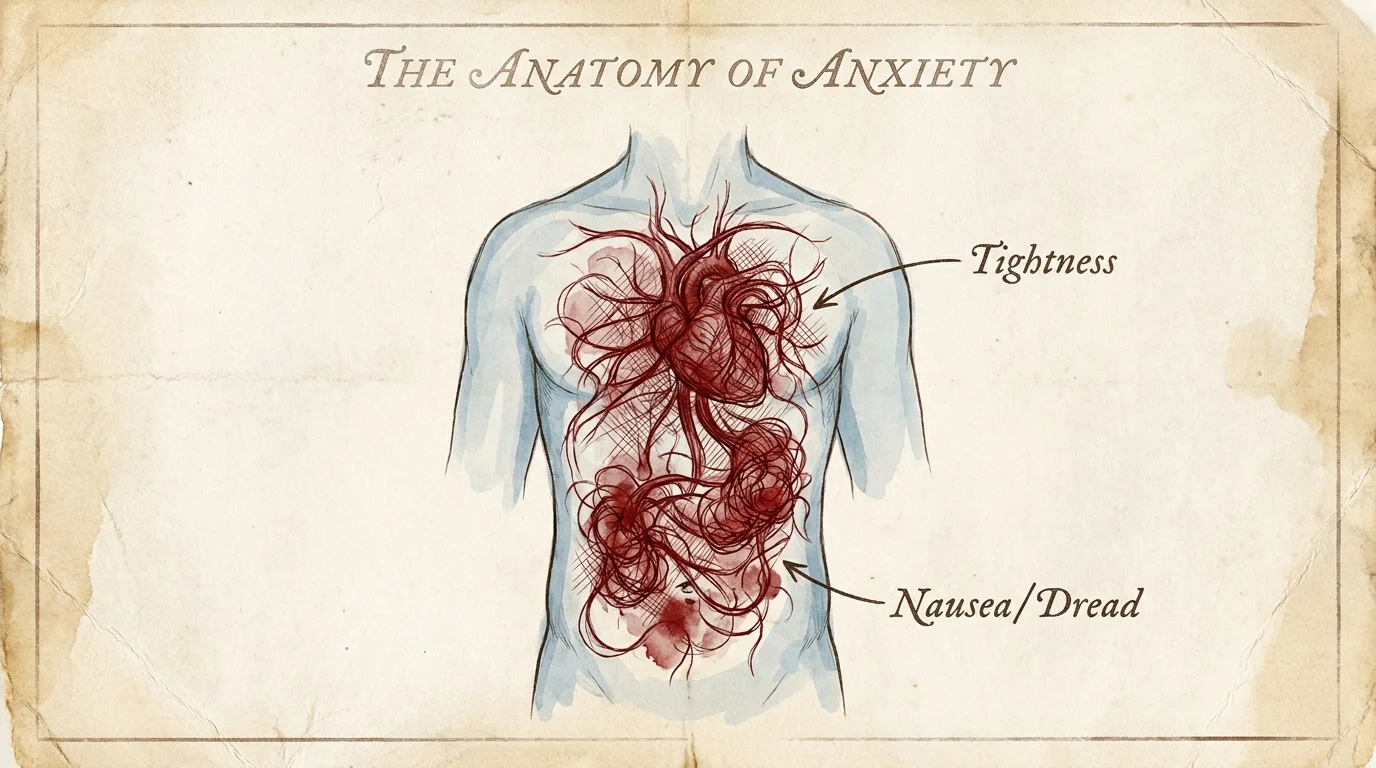
Emotional manipulation does not just hurt your feelings; it actively rewires your brain and dysregulates your nervous system. Psychology Today notes that victims of emotional abuse frequently experience severe cognitive dissonance—the psychological stress of holding two contradictory beliefs at the exact same time.
Your brain attempts to reconcile the belief that “this person loves me and acts kind sometimes” with the reality that “this person consistently hurts and controls me.” To resolve this intense mental discomfort, victims often rely on self-deception, burying their negative emotions and minimizing the abuse.
This constant mental gymnastics takes a severe physical toll. When you spend months or years anticipating someone else’s unpredictable reactions, your nervous system remains trapped in a chronic state of fight-or-flight. You may experience chronic fatigue, unexplained muscle tension, frequent headaches, or digestive issues. Your body recognizes the threat even when your mind tries to rationalize it away.
Common Misconceptions
Understanding psychological abuse requires dismantling the societal myths that keep people trapped in unhealthy dynamics. When you believe these common misconceptions, you risk invalidating your own very real experiences.
- Misconception: Emotional manipulation only happens in romantic relationships. While intimate partnerships often receive the most media attention, psychological manipulation frequently occurs in families, friendships, and workplaces. A parent can manipulate an adult child through financial guilt, just as a boss can gaslight an employee about promised promotions and stolen ideas.
- Misconception: Only vulnerable or “weak” people get manipulated. Manipulators actually prefer targeting highly successful, independent, and resilient individuals. They view strong boundaries as a thrilling challenge to overcome. Furthermore, high empathy—a deeply positive character trait—can easily be exploited by someone who weaponizes pity to avoid accountability for their actions.
- Misconception: The abuser must be acting consciously at all times. While some manipulators calculate every single move like a chess match, others operate from deeply ingrained, dysfunctional survival mechanisms developed in their own childhoods. However, the lack of a conscious master plan does not make the impact on your mental health any less devastating. Abuse is defined by the impact and the pattern, not just the conscious intent.

Finding the Right Professional Help
Healing from emotional manipulation is rarely a journey you should undertake entirely alone. Because psychological abuse specifically damages your internal compass and ability to trust yourself, working with a licensed mental health professional provides an objective, grounding perspective. Consider seeking professional support if you experience any of the following scenarios:
- You constantly second-guess your own memories: If you find yourself secretly recording conversations or taking screenshots just to prove to yourself that an event actually happened, a therapist can help you rebuild your trust in your own cognition.
- You feel entirely responsible for your partner’s emotional state: When your daily mood depends entirely on anticipating and managing someone else’s outbursts, professional guidance can help you untangle trauma bonds and re-establish your individual identity.
- You experience symptoms of chronic anxiety or depression: Prolonged emotional abuse frequently leads to clinical anxiety, depression, or complex trauma. A professional can provide evidence-based coping strategies and, if necessary, coordinate comprehensive care.
- You want to leave but feel paralyzed: Leaving a manipulative relationship often feels far more complicated than leaving a healthy one that simply ran its course. A counselor trained in domestic abuse dynamics can help you create a safe, practical exit plan.

How to Respond and Protect Your Peace
If you recognize these manipulative patterns in your life, your immediate priority is protecting your own emotional well-being. You cannot control the manipulator’s behavior, nor can you force them to develop empathy, but you can fundamentally change how you engage with them.
Start by stepping out of the debate. Manipulative people thrive on engagement and emotional reactions. When they attempt to bait you into a circular argument or rewrite history, utilize the “grey rock” method. Respond with non-committal, boring answers. Say things like, “I remember it differently,” or “I’m not willing to discuss this right now.” Keep your facial expressions neutral and your tone flat. Do not try to convince them of your truth; they have no genuine interest in acknowledging it.
Next, focus heavily on re-establishing your boundaries. Setting limits with a manipulator will inevitably trigger pushback. They will accuse you of being cold, selfish, or unreasonable. You must hold your ground and tolerate the discomfort of their disapproval.
“Daring to set boundaries is about having the courage to love ourselves, even when we risk disappointing others.” — Brené Brown, PhD, MSW
Finally, reconnect with your outside support system. Reach out to the friends or family members you may have drifted away from during the relationship. Tell them the truth about what you are experiencing. Abuse thrives in silence and isolation; speaking your reality aloud to a trusted confidant drains the manipulator of their power and grounds you back in reality. If you do not have a safe personal network, organizations like the 988 Suicide & Crisis Lifeline or the National Alliance on Mental Illness (NAMI) provide confidential guidance and community resources.
Reclaiming your reality takes time, and you will likely face days where you doubt your progress or miss the person they pretended to be. Trust that as you consistently enforce your boundaries and refuse to participate in their psychological games, your mind will clear, and your confidence will return. This article provides general educational information about psychology and relationships. It is not a substitute for professional therapy or medical advice. Everyone’s situation is unique—if you’re struggling, please reach out to a licensed mental health professional.
Last updated: February 2026. Psychology research evolves continuously—verify current findings with professional sources.









Leave a Reply