

When a relationship feels endlessly exhausting despite your best efforts, the missing ingredient is rarely love—it is usually emotional maturity. You cannot build a stable partnership with someone who lacks the capacity to regulate their feelings or take accountability for their actions. Emotional immaturity operates quietly, eroding trust through deflection, impulsivity, and an inability to handle conflict constructively. While true intimacy requires mutual growth, an emotionally underdeveloped partner remains stuck in defensive patterns that leave you carrying the relational weight alone. Recognizing these destructive behaviors is the vital first step toward protecting your psychological well-being. By understanding these core markers, you can finally stop internalizing the blame for a dynamic you cannot fix by yourself.
At a Glance: What You’ll Learn
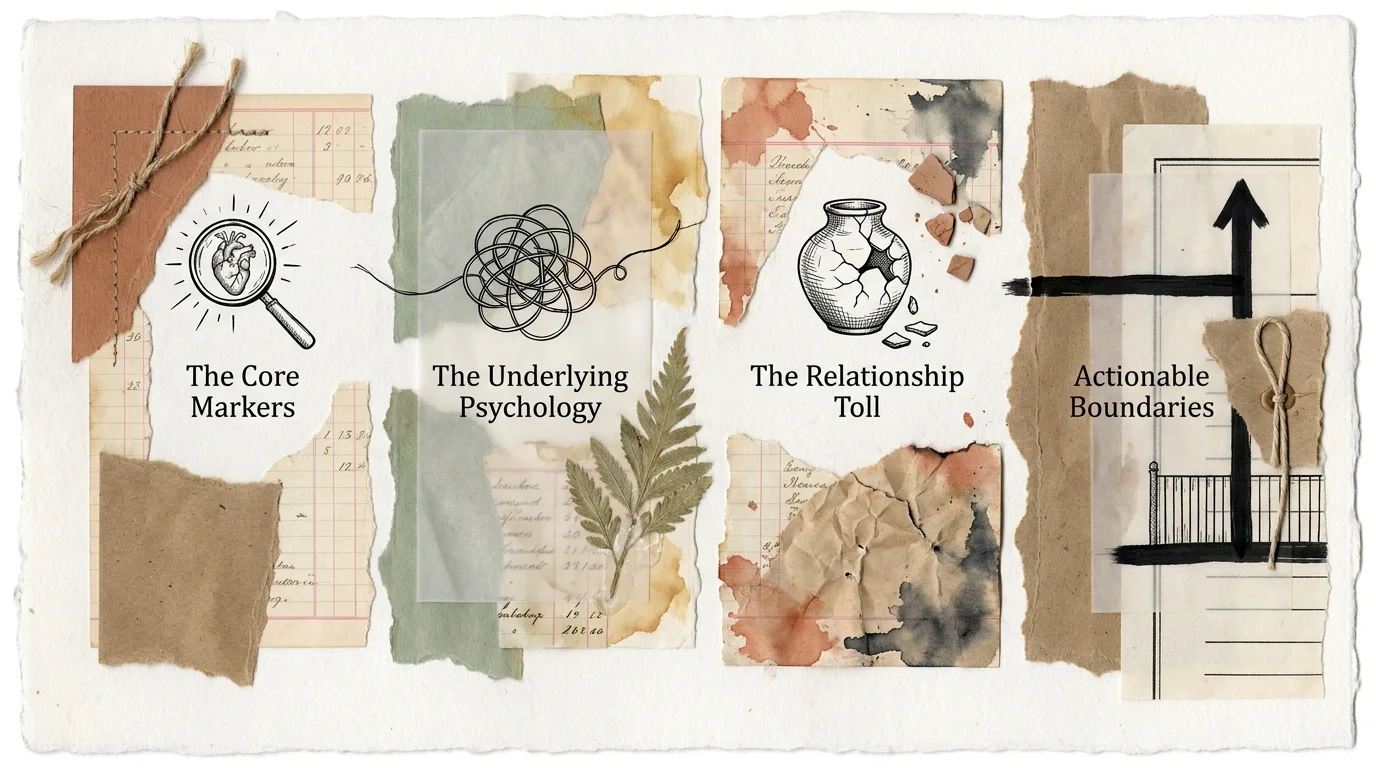
- The core markers: How to identify the subtle differences between occasional bad moods and chronic emotional immaturity.
- The underlying psychology: Why emotionally stunted individuals rely on defense mechanisms like stonewalling, deflection, and blame-shifting.
- The relationship toll: The documented ways that emotional dysregulation impacts long-term relationship survival.
- Actionable boundaries: Practical steps you can take to protect your own emotional energy when dealing with an immature partner, family member, or friend.
The Psychological Impact of Emotional Immaturity
Emotional immaturity is not a formal clinical diagnosis; rather, it is a descriptive psychological framework used to explain a cluster of behaviors rooted in poor emotional regulation and a lack of psychological insight. When you interact with a person who has not developed adequate emotional skills, the environment often feels chaotic, unpredictable, and entirely centered around their immediate emotional state.
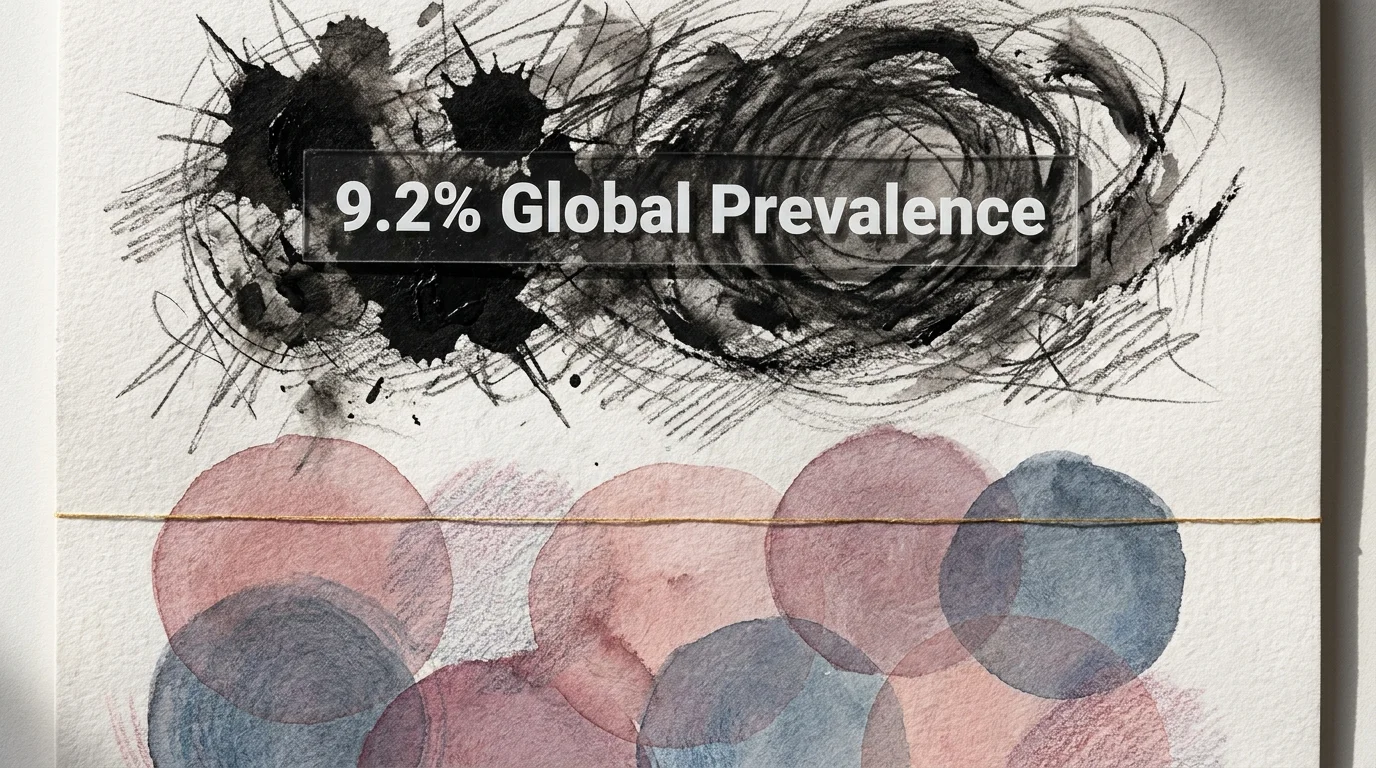
The impact of this dynamic stretches far beyond mere frustration. According to a 2022 cross-cultural study published in the Journal of Clinical Health Psychology, emotional dysregulation—a core driver of emotionally immature behavior—has a global prevalence of 9.2% among adults across ten world societies. While anyone can have a momentary lapse in judgment, chronic emotional dysregulation creates a profound sense of instability. If you are constantly adjusting your behavior to prevent an outburst, you are likely suffering from emotional exhaustion.
The burden of navigating this dynamic often leads to profound isolation. The American Psychological Association’s 2025 Stress in America survey revealed that 50% of U.S. adults report feelings of emotional disconnection, noting that they often feel isolated or lack companionship. Being physically present with an emotionally immature partner can amplify this exact type of loneliness. You might sit right next to them on the couch, yet feel entirely disconnected because true intimacy requires a level of vulnerability they cannot provide.

1. They Default to Defensiveness and Avoid Accountability
In a healthy dynamic, conflict serves as a catalyst for growth. When two emotionally secure adults encounter friction, they look at the problem as an external challenge to solve together. An emotionally immature person views conflict as a threat to their ego. Consequently, they deploy defensiveness to shield themselves from any perceived criticism.
If you gently express that something they said hurt your feelings, they will not pause to reflect on their impact. Instead, they will instantly turn the focus back onto you. You might hear phrases like, “Well, if you weren’t so sensitive, I wouldn’t have to talk to you that way,” or “I only did that because you forgot to do what I asked yesterday.” This behavior is known as blame-shifting.
Defensiveness effectively derails the conversation. You bring up a valid concern, and within five minutes, you find yourself apologizing for bringing it up at all. They lack the emotional capacity to say, “I messed up, and I am sorry.” Taking accountability requires an individual to tolerate the discomfort of guilt; emotionally immature people cannot tolerate that discomfort, so they project the blame directly onto you.

2. They Resort to Stonewalling During Conflict
Stonewalling occurs when a person completely withdraws from an interaction, shutting down dialogue and refusing to engage. They might give you the silent treatment, physically walk out of the room, or stare blankly at their phone while you are speaking. This is not a request for a healthy timeout to cool down; it is a punitive or overwhelmed withdrawal that leaves you stranded in the conflict.
Dr. John Gottman, a leading relationship researcher and co-founder of The Gottman Institute, identified stonewalling as one of the “Four Horsemen” of relationship apocalypse. His extensive research found that the chronic presence of criticism, contempt, defensiveness, and stonewalling can predict divorce with over 90% accuracy. Furthermore, Gottman’s data reveals that marriages characterized by these destructive behaviors typically dissolve within 5.6 years after the wedding.
Stonewalling frequently stems from emotional flooding. When an emotionally immature person feels overwhelmed, their heart rate can exceed 100 beats per minute, triggering a physiological fight-or-flight response. Lacking the tools to self-soothe, they shut down the system entirely. While understanding the physiology behind stonewalling helps contextualize the behavior, it does not minimize the damage it causes. Prolonged silent treatments erode your self-worth and condition you to avoid bringing up issues, effectively destroying the relationship’s communication foundation.
3. They Exhibit Severe Emotional Dysregulation
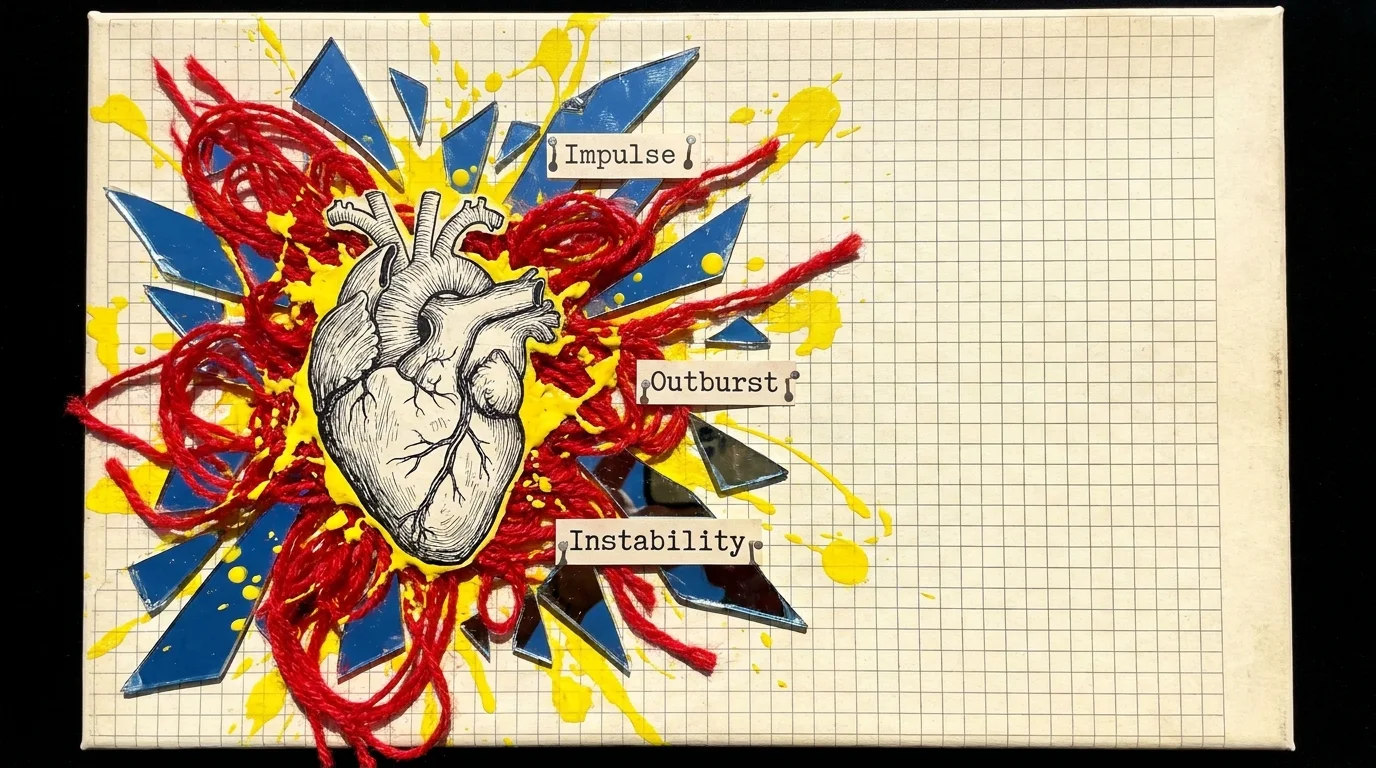
Emotional dysregulation is the inability to manage the intensity and duration of negative emotions. For an emotionally immature individual, feelings dictate reality. If they feel slighted, they believe a massive injustice has occurred, and their reaction will scale to match their distorted perception. Minor inconveniences—like traffic, a delayed food delivery, or a gentle change of plans—can provoke dramatic, disproportionate outbursts.
This volatility forces you to walk on eggshells. You become hyper-vigilant, constantly scanning their mood to predict the weather of the household. Current psychological research highlights how pervasive this issue can be. For example, emotional dysregulation is a significant feature in neurodevelopmental conditions; clinical estimates suggest that 30% to 70% of adults with ADHD experience clinically significant emotion dysregulation.
When someone operates without emotional shock absorbers, every bump in the road feels like a collision. You cannot reason with them when they are escalated because their prefrontal cortex—the logical, reasoning part of the brain—is temporarily hijacked by their amygdala. Over time, you might find yourself managing their emotions for them just to maintain peace, a coping mechanism that severely drains your own mental health.

4. They Lack Empathy for Your Emotional Reality
Empathy requires the ability to step outside your own perspective and sit in the emotional world of another person. Emotionally immature people struggle immensely with this. Because their emotional bandwidth is entirely consumed by their own needs, insecurities, and desires, there is rarely any room left for yours.
If you come home exhausted after a terrible day at work and seek comfort, they might quickly pivot the conversation back to themselves: “You think your day was bad? Let me tell you what happened to me.” This conversational narcissism leaves you feeling unseen and invalidated. They do not hold space for your grief, stress, or joy unless it directly impacts them.
“Vulnerability is not winning or losing; it’s having the courage to show up and be seen when we have no control over the outcome.” — Brené Brown, PhD
True empathy requires vulnerability—the willingness to connect with another person’s pain. Emotionally stunted individuals view vulnerability as a weakness. They prefer superficial interactions because deep, empathetic engagement demands an emotional maturity they simply have not cultivated.

5. They Demand Immediate Gratification and Act Impulsively
The hallmark of adult maturity is the ability to delay gratification. Working toward long-term goals, saving money, maintaining fidelity, and building trust all require the capacity to sacrifice short-term impulses for long-term stability. Emotionally immature individuals operate on a child-like timeline: they want what they want exactly when they want it.
This impulsivity manifests in various destructive ways. They might make reckless financial decisions, abruptly quit jobs without a backup plan, or say incredibly hurtful things in the heat of the moment without considering the long-term damage to the relationship. When their immediate desires are frustrated, they may act out, pout, or throw adult temper tantrums.
Relationships built on impulsivity lack structural integrity. You can never fully relax or rely on an impulsive partner because their commitments are only as strong as their current mood. If fulfilling a promise feels inconvenient to them on a Tuesday, they simply will not do it, leaving you to clean up the logistical and emotional mess.

6. They Hold Grudges Instead of Repairing Ruptures
Every relationship experiences ruptures—moments of miscommunication, hurt feelings, and conflict. Mature couples recognize that the relationship’s survival depends on the repair process. They circle back, apologize, listen, and reconnect. Emotionally immature people do not repair; they keep score.
They hoard past grievances and deploy them as ammunition during future arguments. If you express frustration about their chronic lateness today, they will bring up a mistake you made three years ago to level the playing field. This tactic, known as “kitchen-sinking,” ensures that no conflict is ever truly resolved.
Holding grudges serves a specific psychological function for them: it keeps them in the position of the victim. If they are perpetually wronged by you, they never have to examine their own behavior. You might find yourself constantly apologizing for historical events, trapped in an endless cycle of litigation where forgiveness is perpetually out of reach.
7. They Shift Boundaries and Expect You to Adapt Constantly
A relationship with an emotionally immature person feels like playing a game where the rules change every time it is your turn. They have rigid expectations for how you should behave, but those expectations rarely apply to them. They demand immense flexibility, grace, and understanding from you, but offer zero tolerance when you make a mistake.
For example, they might insist that you reply to their text messages immediately, citing their anxiety. However, if you request the same courtesy, they will accuse you of being controlling or demanding. This double standard creates a confusing, crazymaking environment.
Healthy boundaries are consistent, mutual, and clearly communicated. Emotionally immature people treat boundaries as obstacles to their own comfort. When you attempt to set a boundary—such as stating you will not tolerate yelling—they will often test it, push past it, or guilt-trip you for enforcing it. Their goal is to maintain an environment where they face no friction, even if it comes at the direct expense of your peace.
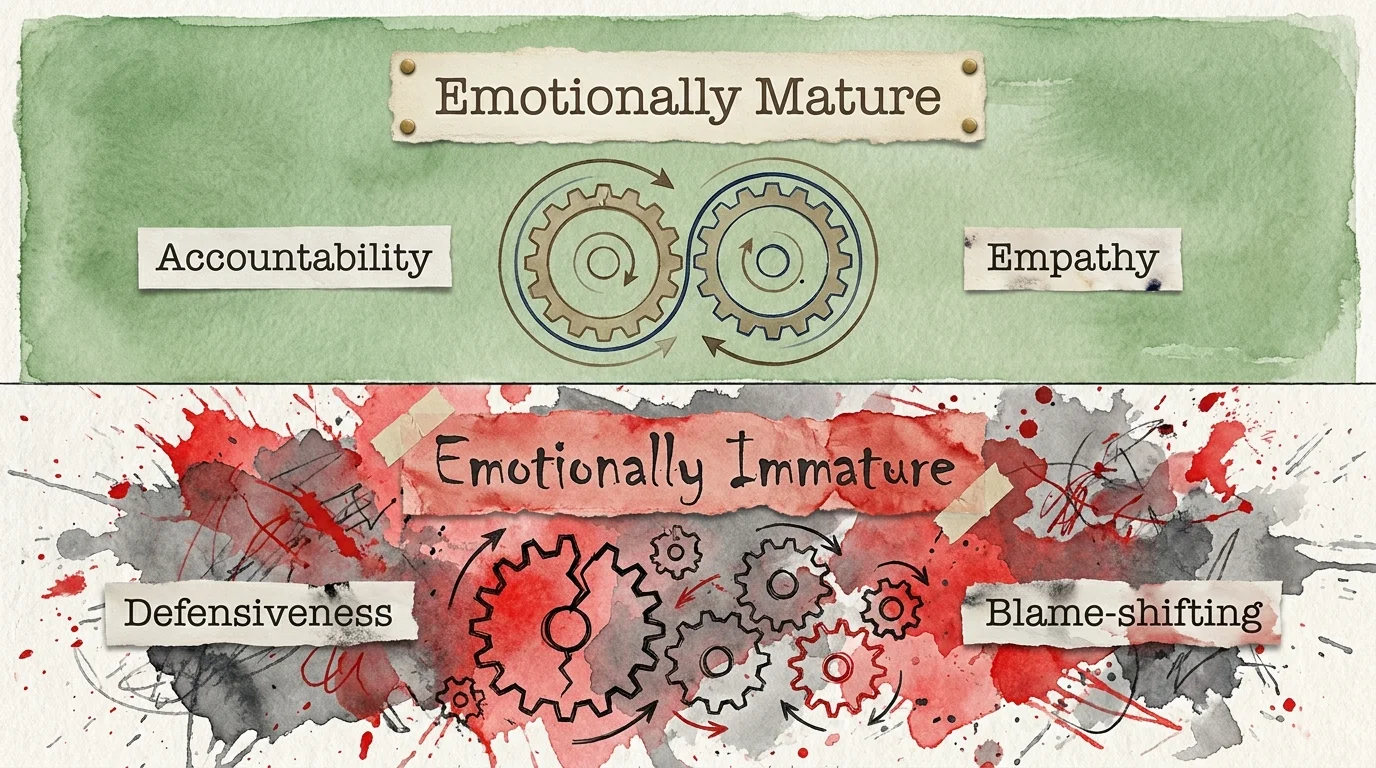
Emotionally Mature vs. Emotionally Immature Behaviors
Understanding the stark contrast between healthy emotional functioning and immature behavior can help you evaluate your relationship dynamics more objectively. Use this comparison table to identify patterns you might be experiencing.
| Trait | Emotionally Mature Behavior | Emotionally Immature Behavior |
|---|---|---|
| Conflict Resolution | Focuses on the issue, seeks mutual understanding, and attempts active repair. | Attacks character, stonewalls, deflects blame, and brings up past grievances. |
| Accountability | Says, “I am sorry I hurt you. How can I make this right?” | Says, “I’m sorry you feel that way, but you made me do it.” |
| Empathy | Listens to understand your emotional reality without making it about them. | Interrupts, invalidates your feelings, or shifts the focus back to their own experiences. |
| Stress Response | Self-soothes, communicates the need for space, and addresses the stressor logically. | Lashes out, panics, creates chaotic urgency, or completely shuts down. |
| Boundaries | Respects a “no” without resentment; sets firm but kind boundaries of their own. | Views your boundaries as personal attacks; expects you to cater to their shifting rules. |

What Can Go Wrong: Misinterpreting the Signs
As you evaluate the behaviors of the people in your life, it is crucial to apply nuance. Slapping the label of “emotionally immature” on someone every time you disagree is, ironically, a sign of poor emotional maturity. Here are a few ways these concepts can be misinterpreted or misapplied:
- Confusing burnout with immaturity: Sometimes, highly mature and empathetic people experience severe stress, burnout, or grief. During these periods, their emotional bandwidth shrinks, and they may appear reactive or withdrawn. The key difference is the baseline. A mature person returning from burnout will apologize for their lapse; an immature person lives permanently in that reactive state.
- Weaponizing therapy speak: Using terms like “stonewalling,” “gaslighting,” and “dysregulation” to win an argument or control a partner is manipulative. Therapy language should be used to foster understanding and heal ruptures, not to build a psychological dossier against someone.
- Ignoring underlying mental health conditions: Severe trauma, untreated mental health conditions, autism spectrum profiles, or mood disorders can manifest as emotional dysregulation or communication differences. While a diagnosis does not excuse abusive or harmful behavior, it does change the context. Someone might not lack emotional maturity; they might simply be operating with an unsupported neurodivergent nervous system.

When to Seek Professional Support
Navigating a relationship with someone who refuses to grow can severely erode your mental health. You cannot force another person to mature, but you can control how you respond and protect yourself. Consider seeking guidance from a licensed mental health professional if you experience any of the following scenarios:
- Your physical or emotional safety is threatened: If emotional immaturity escalates into verbal abuse, intimidation, or physical threats, you need immediate support. Emotional volatility can sometimes serve as a precursor to relational violence.
- You are experiencing chronic anxiety or depression: If the stress of managing another person’s emotions leaves you chronically fatigued, isolated, or clinically depressed, therapy can help you regain your footing and detach from their emotional chaos.
- You question your own reality: If your partner’s constant blame-shifting and denial of facts cause you to wonder if you are the actual problem, you might be experiencing gaslighting. A therapist can provide an objective, grounded perspective.
- You cannot enforce boundaries safely: If attempting to set a boundary results in severe retaliation, panic attacks, or threats of self-harm from your partner, professional intervention is necessary to navigate the complexities of safely distancing yourself.
Frequently Asked Questions
Can an emotionally immature person change?
Yes, change is possible, but it requires profound self-awareness and dedicated effort—often alongside a trained therapist. They must first acknowledge their defensive patterns and actively desire to improve. You cannot love or argue someone into emotional maturity; the motivation must come from within.
How do I communicate with someone who is emotionally immature?
Keep your statements brief, factual, and boundaried. Avoid deep emotional appeals, as they will likely be met with defensiveness. Use “I” statements, hold your ground gently, and step away if the conversation devolves into name-calling or blame-shifting. Protect your peace by lowering your expectations for profound emotional reciprocity.
Is emotional immaturity the same as narcissism?
While they share overlapping traits—such as a lack of empathy and a tendency to center themselves—they are not identical. Narcissism, particularly Narcissistic Personality Disorder, often involves a grandiose sense of self-importance and a calculated need for control and admiration. Emotional immaturity is usually rooted in stunted developmental skills, poor coping mechanisms, and emotional overwhelm rather than calculated manipulation.
Should I break up with an emotionally immature partner?
Only you can make that choice, but it helps to assess the toll the relationship takes on you. If your partner is aware of their struggles and actively engaging in therapy, growth is possible. If they adamantly refuse to take accountability and you find yourself constantly drained, walking away may be the healthiest option for your long-term well-being.
Moving Forward
Recognizing that you are dealing with an emotionally immature person often brings a complicated mix of relief and grief. The relief comes from finally understanding that you are not crazy, too demanding, or inherently flawed. The grief stems from accepting the reality of who they are, rather than holding out hope for the partner you wish they could be. You cannot pour enough love into a person to fill the gaps in their psychological development.
Shift your focus back to your own healing. Establish firm boundaries, build a robust support system outside of the relationship, and practice emotional detachment during their outbursts. You deserve a dynamic anchored in mutual respect, active repair, and emotional safety. By prioritizing your own emotional maturity, you pave the way for healthier, more fulfilling connections in the future. This article provides general educational information about psychology and relationships. It is not a substitute for professional therapy or medical advice. Everyone’s situation is unique—if you’re struggling, please reach out to a licensed mental health professional, or contact the 988 Suicide & Crisis Lifeline if you are in immediate distress.
Last updated: May 2026. Psychology research evolves continuously—verify current findings with professional sources.









Leave a Reply