

If you notice a friend suddenly using your favorite catchphrases or a colleague matching your posture, you are witnessing one of human psychology’s most fascinating social tools. Unconscious mirroring happens when someone automatically adopts your mannerisms, speech patterns, or attitudes without realizing it. Rather than being a deliberate attempt to copy you, this automatic mimicry usually signals a subconscious desire to connect and build trust. Researchers call this phenomenon the chameleon effect, a biological mechanism that acts as social glue. By understanding the subtle cues of unintentional mimicry, you can decode the hidden dynamics in your relationships and recognize when someone feels a genuine, unspoken affinity toward you.
The Psychology Behind the “Chameleon Effect”
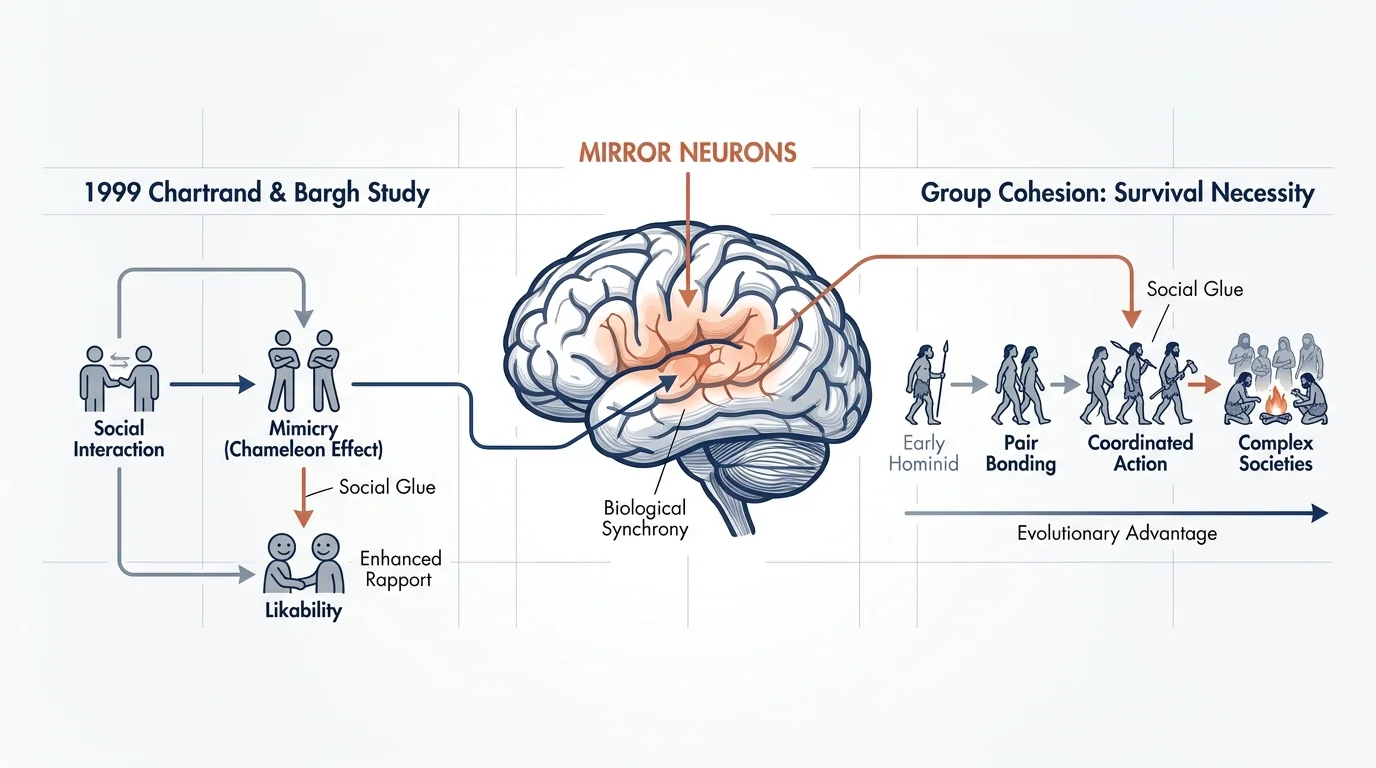
Long before humans communicated through complex spoken language, our ancestors relied on physical synchrony to survive. Moving together, breathing together, and mirroring facial expressions ensured group cohesion; a vital necessity in environments where isolation meant certain death. Today, our brains still operate on this ancient hardware. According to the American Psychological Association, social mimicry remains one of our most powerful nonverbal tools for establishing safety and demonstrating empathy.
The modern scientific understanding of this behavior was solidified in 1999 when psychologists Tanya Chartrand and John Bargh published a landmark study detailing what they coined the “chameleon effect.” In their research, participants interacted with undercover researchers—known as confederates—who were instructed to subtly touch their faces or shake their feet. Without realizing it, the participants began to mimic these exact behaviors. More importantly, when the researchers actively mirrored the participants’ natural body language, the participants later rated those researchers as highly likable and described the interaction as uniquely smooth.
This biological drive is closely linked to our brain’s mirror neuron system. When you watch someone take a sip of water, the same neurons fire in your brain as if you were taking the sip yourself. This neurological echo allows us to subjectively experience the emotions of others, forming the bedrock of human empathy. People who score highly on psychological tests for empathy and perspective-taking are statistically much more likely to engage in unconscious mirroring. Their brains are finely tuned to the emotional frequencies of the people around them, constantly adjusting their external behavior to match the internal state of their companions.
7 Signs Someone Mirrors Your Personality Without Realizing It
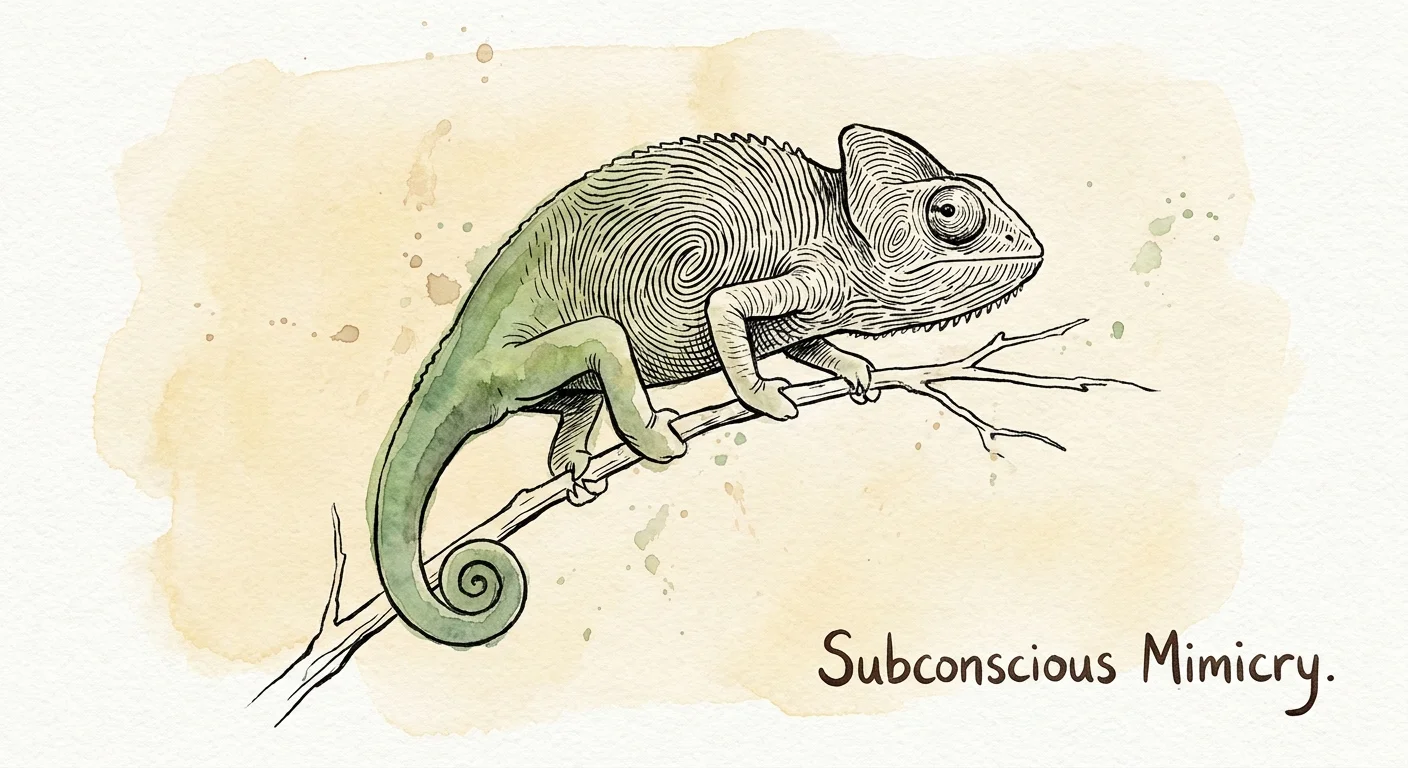
Recognizing the chameleon effect requires a sharp eye for subtle shifts in behavior. Because this phenomenon operates below the threshold of conscious awareness, the person doing the mirroring usually has no idea they are shape-shifting to match your energy. Here are the most common ways this psychological mirroring manifests in daily life.
1. They Adopt Your Specific Vocabulary and Cadence
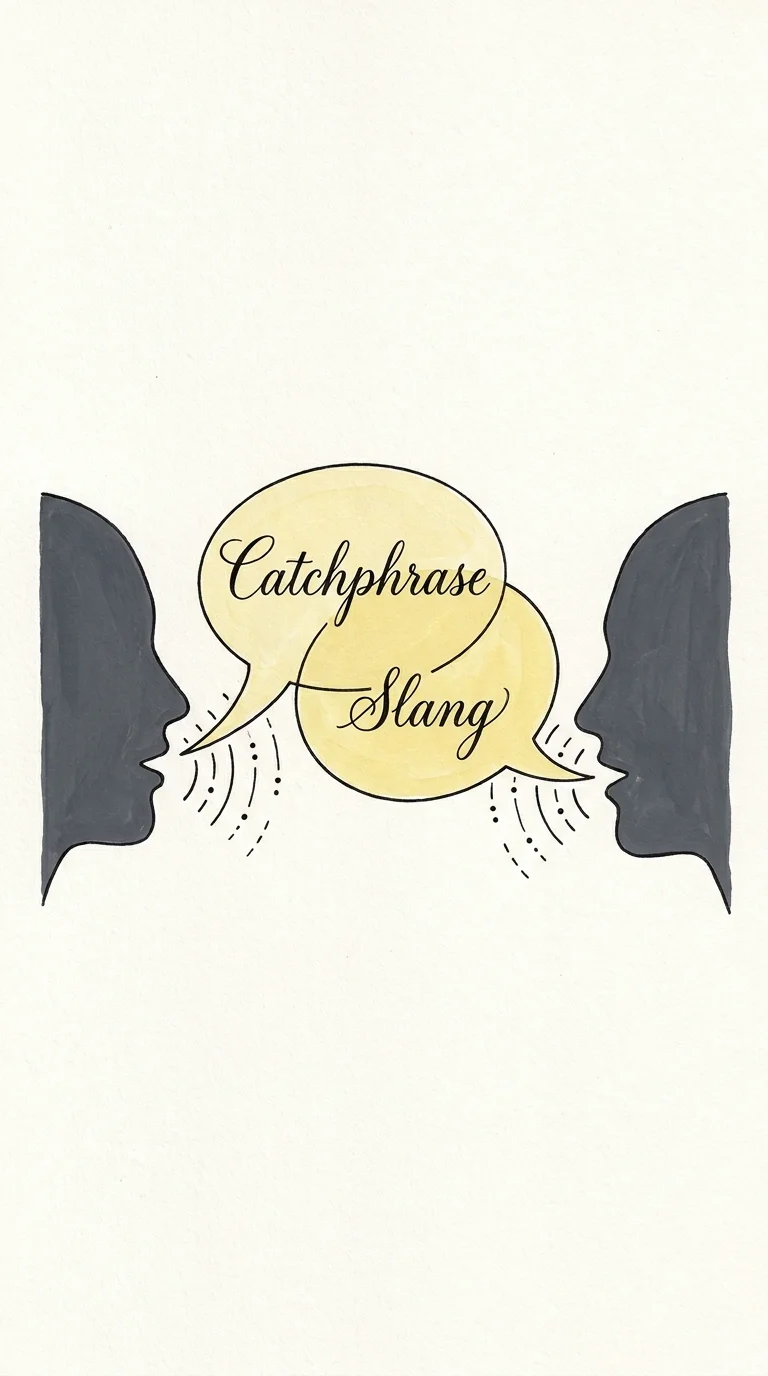
Verbal mirroring is often the first and most obvious sign of the chameleon effect. You might notice that a coworker suddenly starts using a niche industry acronym you introduced, or a new romantic partner begins peppering their sentences with your favorite slang. This extends far beyond mere vocabulary; it encompasses the rhythm, volume, and pacing of your speech. If you are a naturally quiet, deliberate speaker, someone mirroring you will unconsciously slow their rapid-fire speech to match your calming cadence. Conversely, if you speak with rapid enthusiasm, their vocal energy will spike to meet yours. This auditory alignment signals that their brain is actively trying to synchronize with your thought processes.

2. Their Physical Posture Reflects Yours in Real-Time
Physical mirroring—often referred to in clinical settings as limbic synchrony—is a direct manifestation of emotional connection. When two people are deeply engrossed in a conversation and feel a mutual sense of psychological safety, their bodies naturally fall into alignment. If you lean forward and rest your elbows on the table, you will likely see them do the same within a few moments. If you cross your right leg over your left, their body will eventually mirror the stance.
You can actually test this biological phenomenon gently. During a highly engaging conversation with someone you suspect is mirroring you, subtly shift your weight, uncross your arms, or lean back in your chair. Wait thirty seconds. If they are in a state of deep rapport, their subconscious mind will prompt them to adjust their posture to reflect your new position, maintaining the physical harmony between you.

3. They Naturally Adapt to Your Energy Levels
Psychologists refer to the transfer of moods between individuals as emotional contagion. When someone feels a strong sense of affinity toward you, they act as an emotional sponge. If you walk into a coffee shop feeling emotionally exhausted and subdued, a highly empathetic friend will automatically temper their usual boisterous energy to match your quiet state. They do not do this out of a conscious sense of pity; their mirror neurons simply perceive your low emotional bandwidth and adjust their output accordingly so you do not feel overwhelmed. This energetic alignment is a profound nonverbal way of saying, “I am with you, and I understand where you are right now.”

4. Their Texting Style Shape-Shifts to Match Yours
In our modern era, the chameleon effect extends seamlessly into the digital realm. Digital mirroring occurs when someone unconsciously alters their written communication to reflect your habits. Take a look at your recent message threads with a close friend or partner. If you prefer sending long, thoughtful paragraphs with perfect punctuation, you might notice that they have stopped sending rapid-fire, fragmented texts and started drafting longer, more cohesive responses. They might begin using the specific emojis you favor, matching your delay in response times, or adopting your habit of omitting periods at the end of sentences. Because digital communication lacks vocal tone and body language, the brain uses text formatting as the next best avenue to build rapport.
5. They Unconsciously Synchronize Their Breathing With You
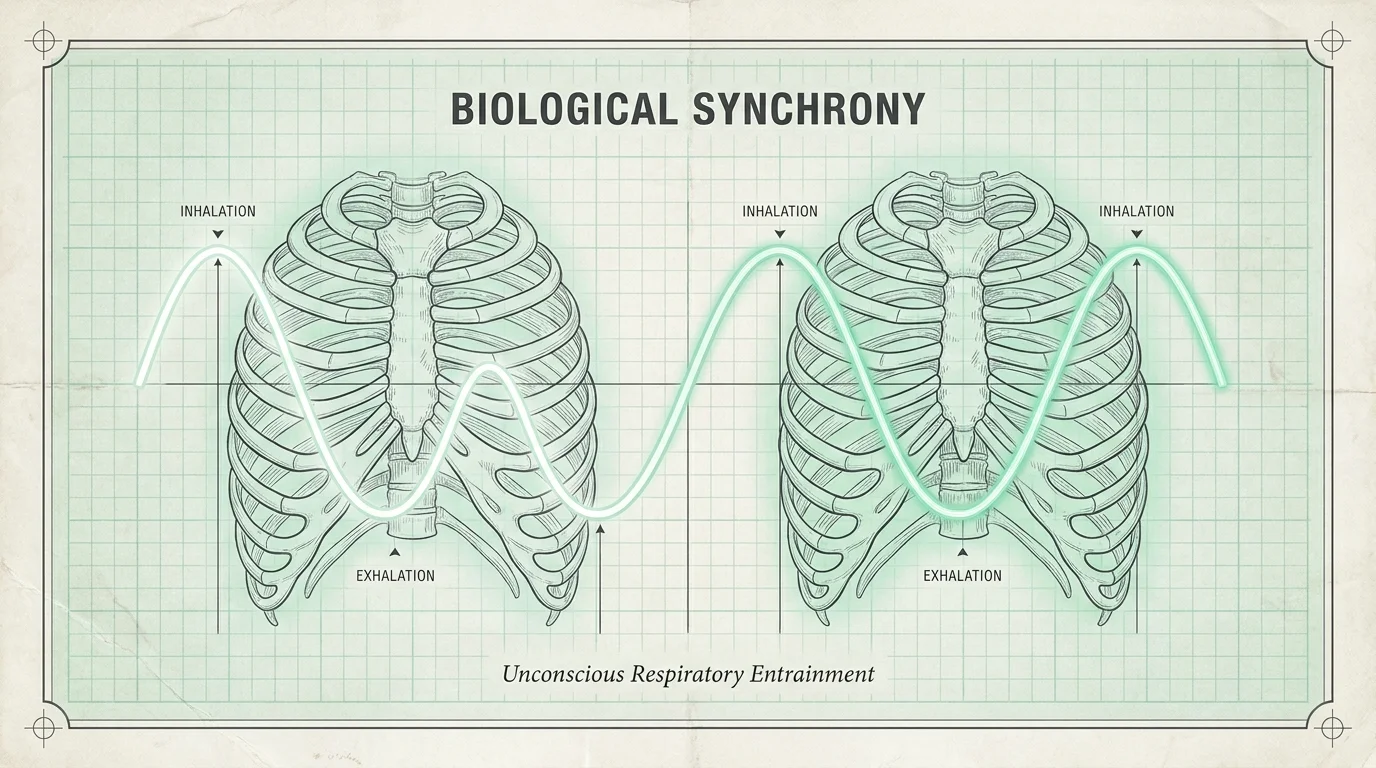
Somatic mirroring is one of the deepest and most intimate forms of psychological alignment. When two people feel entirely safe and connected, their autonomic nervous systems begin to synchronize. If you are sitting closely with a partner on the couch, you may notice that the rise and fall of their chest perfectly matches yours. If you let out a deep, settling sigh, they are likely to release a similar sigh moments later. This physiological matching lowers the heart rate, reduces cortisol levels, and fosters an intense sense of biological trust. It is the body’s ultimate indicator that defenses have been completely lowered.
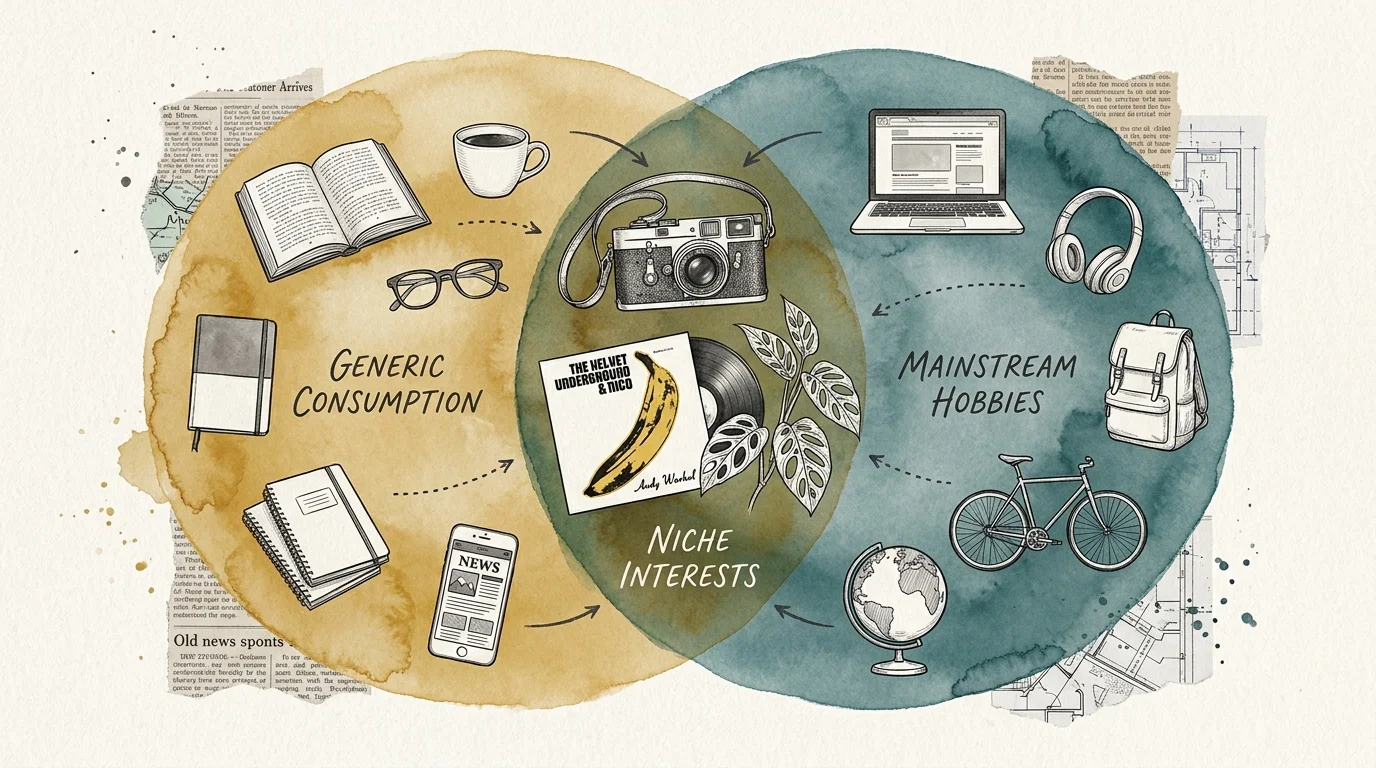
6. They Rapidly Absorb Your Niche Interests
When someone possesses a strong subconscious desire to affiliate with you, their brain naturally opens up to the things that bring you joy. This is driven by affiliation motivation—the human need to belong and form attachments. If you are deeply passionate about a specific genre of obscure cinema or a particular outdoor hobby, someone who is mirroring you will suddenly develop an insatiable curiosity about these topics. They aren’t faking their interest; their affection for you genuinely rewires their attention, making the things you love inherently fascinating to them. Their brain recognizes that shared interests create shared experiences, which in turn solidifies the social bond.

7. Their Facial Expressions Replicate Your Emotional State
The human face contains dozens of intricate muscles capable of producing thousands of micro-expressions. When you share a painful story and your eyes wince, a highly empathetic listener’s face will instinctively tighten in the exact same way. When your eyes light up with sudden joy, their face will immediately reflect that brightness.
“We move in response to our conversation partner’s face, and our brain also fires as we move those muscles and stirs the passions. Paralyzing the face is idiotic.” — John Gottman, Ph.D.
As relationship researcher John Gottman points out, facial mirroring is essential for emotional attunement. When someone mirrors your micro-expressions, they are literally feeling a shadow of your emotion in their own nervous system, validating your experience without needing to speak a single word.
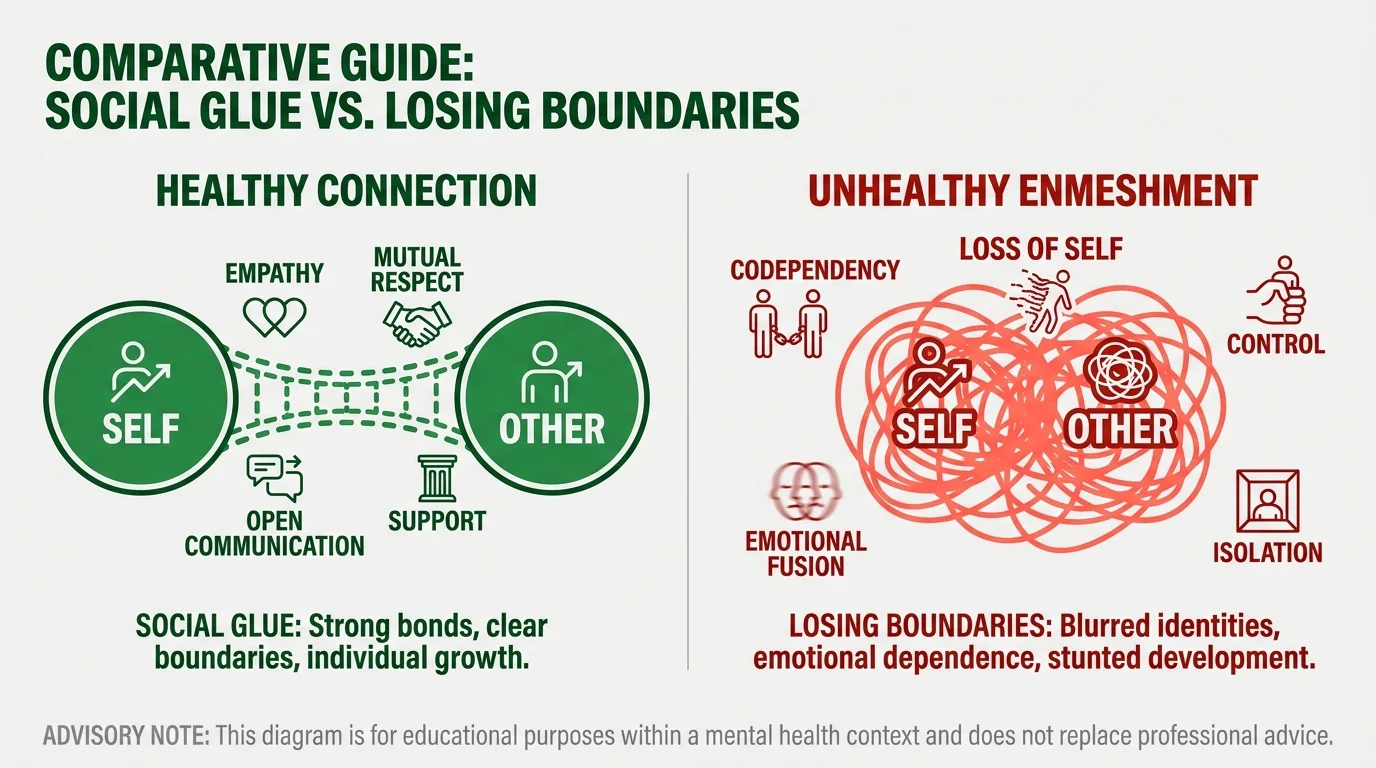
Healthy Connection vs. Unhealthy Enmeshment
While the chameleon effect is a beautiful, natural component of human relationships, there is a distinct line between healthy behavioral mimicry and a clinical loss of identity. In secure relationships, mirroring occurs naturally during interactions but does not overwrite a person’s core values, beliefs, or long-term personality traits. Unhealthy enmeshment—often seen in severe codependency or certain personality disorders—occurs when an individual completely abandons their own identity to morph into whoever they are dating or befriending.
To help you differentiate between the two, consider this comparison:
| Characteristic | Healthy Mirroring (The Chameleon Effect) | Unhealthy Enmeshment (Identity Loss) |
|---|---|---|
| Core Motivation | A subconscious biological drive to build trust, empathy, and social rapport. | Driven by a deep-seated fear of abandonment, rejection, or conflict. |
| Duration and Scope | Occurs dynamically during direct interactions; posture, tone, and energy adapt in real-time. | Persists as a permanent personality shift; they adopt your beliefs, career goals, or moral stances entirely. |
| Sense of Self | The person maintains their own distinct hobbies, boundaries, and opinions outside of your shared time. | The person feels empty or panicked when alone and cannot articulate who they are without you. |
| Response to Disagreement | Comfortable with minor disagreements; differences in opinion are accepted without threatening the bond. | Any difference in opinion is viewed as a massive threat to the relationship, leading to immediate capitulation. |
If you notice that someone changes their fundamental life philosophy, discards their old friends, and adopts all of your core beliefs within weeks of meeting you, this goes far beyond the chameleon effect. It is a sign of identity diffusion, and it often leads to volatile, exhausting relationship dynamics.
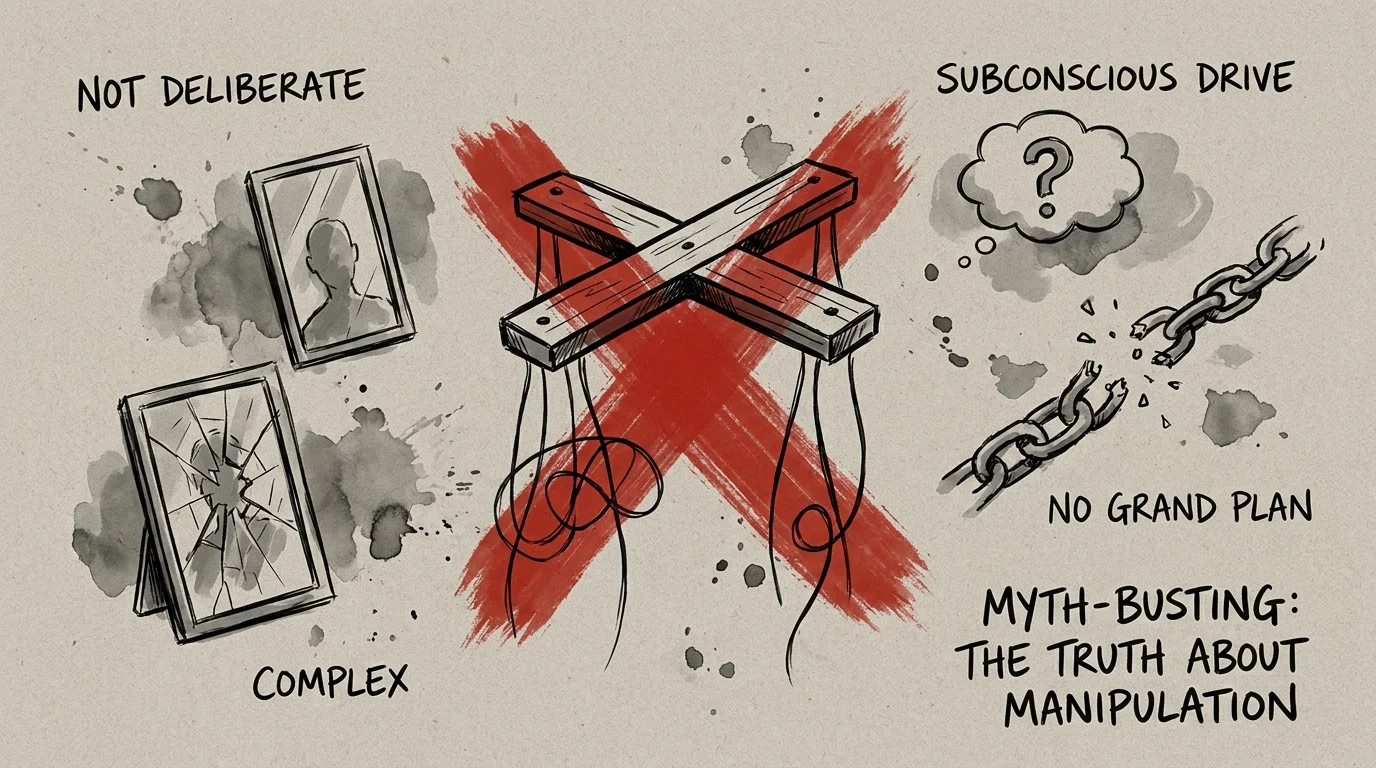
Myths Worth Debunking
Because human behavior is complex, the concept of mirroring is frequently misunderstood. Let’s clear up a few pervasive misconceptions about the chameleon effect.
Myth 1: Mirroring means someone is being manipulative or fake.
While it is true that salespeople and politicians are often trained to consciously mimic body language to build rapport, natural mirroring is entirely unconscious. In fact, when humans try to fake mirroring, it usually backfires. Our brains have a highly sensitive “threat radar” for inauthentic behavior. Intentional, calculated mimicking often feels creepy or uncanny, whereas unconscious mirroring feels warm, validating, and entirely natural. If it feels good, it is almost certainly authentic.
Myth 2: Only people with “weak” personalities mirror others.
This is a profound misunderstanding of social psychology. The research clearly indicates the exact opposite: individuals who mirror others most frequently are those with the highest levels of emotional intelligence and cognitive empathy. Adapting to your social environment requires a highly sophisticated, rapid-processing brain. People who stubbornly refuse to adapt their communication style to their environment often struggle with cognitive rigidity, whereas those who naturally mirror exhibit high psychological flexibility.

Signs It’s Time to Talk to a Therapist
While the chameleon effect is generally harmless and positive, chronic issues with identity and boundaries require professional support. You might want to consult a mental health professional if you notice the following patterns in yourself or your relationships:
- You feel entirely hollow when you are alone: If you realize you have been shape-shifting to please others for so long that you no longer know what you genuinely enjoy, a therapist can help you rebuild your core sense of self.
- You feel suffocated by a partner’s mirroring: If your partner’s need to match your every thought, feeling, and action has morphed into intense codependency, couples counseling can help establish healthy boundaries.
- You experience intense anxiety when you differ from the group: If your mirroring is not a relaxed, unconscious process but rather an exhausting, anxiety-driven compulsion to ensure you aren’t rejected, cognitive behavioral therapy (CBT) can offer profound relief.
Organizations like the National Alliance on Mental Illness (NAMI) provide excellent resources for finding licensed professionals who specialize in relationship dynamics and identity formation.
Frequently Asked Questions
What actually triggers the chameleon effect?
The chameleon effect is triggered by a subconscious affiliation motivation—the innate human desire to belong and be accepted. When you enter an interaction with a goal to cooperate, get along, or make a good impression, your brain automatically activates your mirror neuron system to begin matching the other person’s nonverbal cues. Empathy also acts as a massive catalyst; the more you care about understanding someone, the more you will naturally mimic them.
Do introverts and extroverts mirror people differently?
Interestingly, research from Duke University revealed that when introverts and extroverts are not given any specific instructions, they mirror people at the exact same rate. However, when instructed to cooperate and get along in a specific task, extroverts drastically increase their mirroring behavior compared to introverts. This suggests that extroverts subconsciously utilize mirroring as an active tool to grease the wheels of social interaction when they want to achieve a harmonious outcome.
Can lack of mirroring be a sign of neurodivergence?
Yes. Many neurodivergent individuals, particularly those on the autism spectrum, may not exhibit unconscious, automatic mirroring in the same way neurotypical individuals do. Because neurodivergent brains process social cues differently, they might not naturally fall into limbic synchrony. However, many autistic individuals learn to consciously mirror others—a process known as “masking”—to navigate neurotypical social environments safely, which can be profoundly exhausting over time.
Navigating the subtle currents of human behavior allows us to appreciate how deeply wired we are for connection. The next time you catch yourself using a friend’s catchphrase, or you notice a colleague matching your posture, you don’t need to overthink it. Instead, take a moment to appreciate the incredible, invisible machinery of the human brain working tirelessly to bind us together. This is educational content based on psychological research and general principles. Individual experiences vary significantly. For personalized guidance, consult a licensed therapist, psychologist, or counselor.
Last updated: February 2026. Psychology research evolves continuously—verify current findings with professional sources.









Leave a Reply