Psychology Diary

The First Step Toward Change Is Awareness

  • Home
  • Relationships
  • Mental Health
  • Expert Tips
  • Life
  • Family
  • Marriage

7 Effective Ways to Reduce Anxiety

November 28, 2022 · Mental Health
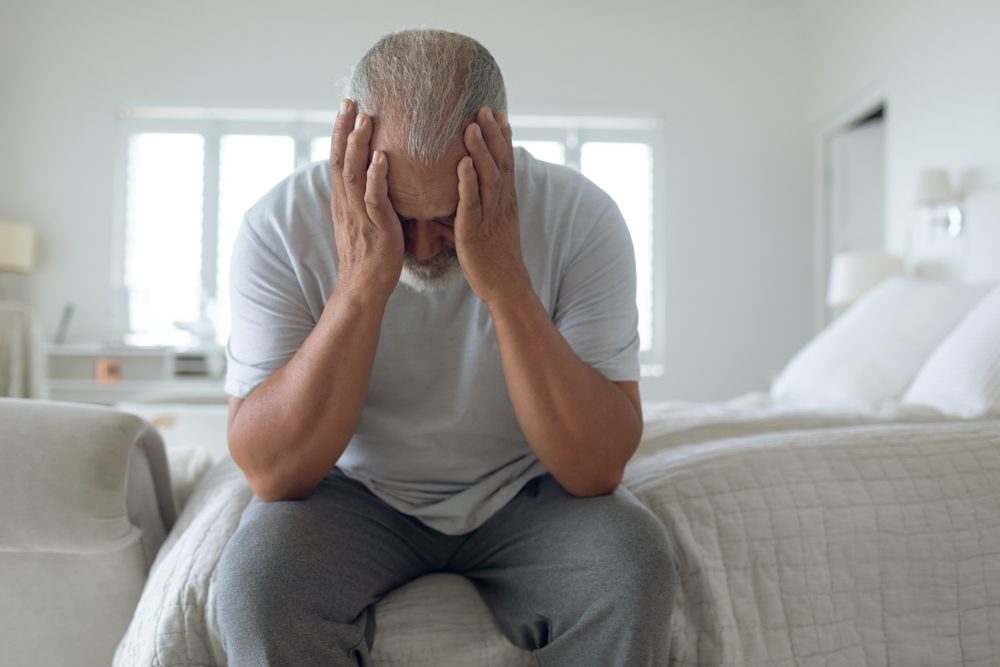
Photo by margouillat photo from Shutterstock

#1 Follow a Balanced and Healthy Diet

Your diet has an impact on every area of your life, including your mental health. According to studies, people who consume a diet heavy in added sugar and ultra-processed foods are more likely to experience stress levels that are higher. You may overeat and gravitate toward very appealing and unhealthy meals when you’re under a lot of stress, which might be bad for your health and mood in general.

Additionally, a lack of minerals like magnesium and B vitamins, which are necessary for controlling stress and mood, may raise your risk of developing anxiety. 

Your body can be better fed if you consume fewer highly processed meals and drinks. More whole foods like vegetables, fruits, legumes, seafood, nuts, and seeds could help you become more stress-resistant.
Pages: 1 2 3 4 5 6 7 8

Share this article

Facebook Twitter Pinterest LinkedIn Email
Tags: Anxiety

3 responses to “7 Effective Ways to Reduce Anxiety”

  1. Karen says:
    March 2, 2023 at 1:32 pm

    Good Stuff – I am a Senior Fitness Specialist, and will
    be teaching a Yoga class this morning – will bring up
    some of this info – Thanks, Karen

    Reply
  2. Gerald Kageff says:
    March 13, 2023 at 11:51 am

    Week end get a ways, meditation , tai chi, playing guitar are also some stress reducing strategies….

    Reply
  3. Clyde Sexton says:
    March 15, 2023 at 11:39 pm

    Wow! I did not know about how crippling anxiety could be. This info is great.

    Reply

Leave a Reply Cancel reply

Your email address will not be published. Required fields are marked *

Search

Latest Posts

  • A conceptual illustration showing a father and daughter separated by a deep chasm in the floor of their dining room. 10 Habits That Push People Away (Your Children Too)
  • A conceptual collage of a head silhouette filled with shattered mirrors and warped photos, symbolizing reality distortion. 8 Ways People Distort Reality
  • An elderly woman sits alone at a dining table in soft afternoon light, looking down at a tea cup in a quiet, nostalgic home setting. 9 Emotional Wounds Adult Children Simply Don’t Realize They’re Inflicting On Their Parents
  • A mixed-media collage of a fragmented silhouette head with an anchor being cut, symbolizing the loss of one's grip on reality. 10 Signs Someone Is Trying to Distort Your Reality
  • A mixed media collage of a beautiful white flower with hidden barbed wire roots and thorny stems on a textured vintage paper background. 8 Behaviors That Reveal Hidden Toxicity
  • A candid photo of a couple in a dim living room, showing a sense of emotional distance and unspoken tension. 10 Traits That May Reveal Covert Narcissism
  • A couple sits on a sofa in a dimly lit room, one person looking at a phone while the other looks away, capturing a moment of secrecy. 8 Signs Someone May Be Hiding More Than They Admit
  • An ink and watercolor illustration of a human head cracking like stone, with golden light leaking through the fissures. 11 Small Clues That Can Expose a Lie
  • An abstract editorial illustration of a silhouette with a tangled nest of lines inside its head, symbolizing mental confusion. 8 Warning Signs Someone May Be Playing Mind Games
  • A mixed media collage of a silhouette filled with torn paper and translucent layers, symbolizing the invisible nature of emotional neglect. 10 Traits of People Emotionally Neglected as Kids

Newsletter

Get the latest posts delivered to your inbox.

Related Articles

Alzheimer's and Parkinson's

Alzheimer’s vs. Parkinson’s: 7 Differences and Symptoms You Must Know

Alzheimer’s and Parkinson’s: both of them are serious medical conditions. Let us clarify the main…

Read More →
Bipolar Disorder

Bipolar Disorder and the 6 Vicious Myths Surrounding It

How Much Do You Know About Bipolar Disorder? When it comes to bipolar disorder, there…

Read More →
physical activity

8 Reasons Why Physical activity Is Good for Our Mental Health

Today, we will craft a guide meant to provide you with various tips on how…

Read More →
A sophisticated woman in her 60s looking out a window in a bright, modern home.

7 Habits That Secretly Destroy Your Mental Health After 60

Are your daily habits silently harming your mental health? Discover 7 hidden behaviors, from dehydration…

Read More →
Mental Health Disorder

4 Scary Mental Health Disorders Doctors Sometimes Misdiagnose

What Are The Most Commonly MIS-Diagnosed Mental Health Disorders? Until fairly recently, those who were…

Read More →
smartphones affect our brains

Smartphones Seriously Affect Seniors’ Brains, Research Says

We use them every day, but the truth is that smartphones affect our brains! According…

Read More →
A man in his 60s working with clay in a pottery studio, symbolizing the transition from a career to a new personal purpose.

How to Rebuild Your Identity and Purpose After You Stop Working

Discover actionable, research-backed strategies to rebuild your identity, navigate emotional transitions, and find genuine purpose…

Read More →
signs of anxiety war

Top 6 Earliest Signs of Anxiety Disorder in Seniors

1. A constant feeling of agitation One of the first signs of anxiety that those…

Read More →
paranoia after 60

5 Subtle Signs of Paranoia After 60, According to Psychiatrists

People who suffer from paranoia are excellent lie detectors Paranoid people pay a lot of…

Read More →

Psychology Diary

The First Step Toward Change Is Awareness

Inedit Agency S.R.L.
Bucharest, Romania

contact@psychologydiary.com

Explore

  • About Us
  • Advertiser Disclosure
  • Contact Us
  • Disclaimer
  • Do not sell my personal information
  • Editorial Policy
  • Frequently Asked Questions
  • Privacy Policy
  • Terms and Conditions
  • Subscribe
  • Unsubscribe

Categories

  • Expert Tips
  • Family
  • Life
  • Marriage
  • Mental Health

© 2026 Psychology Diary. All rights reserved.