

Could this article be about you? Find out the codependency signs you should watch out for!
Navigating the complex web of relationships usually involves recognizing and addressing codependency signs. Understanding these indicators is vital for fostering healthier connections.
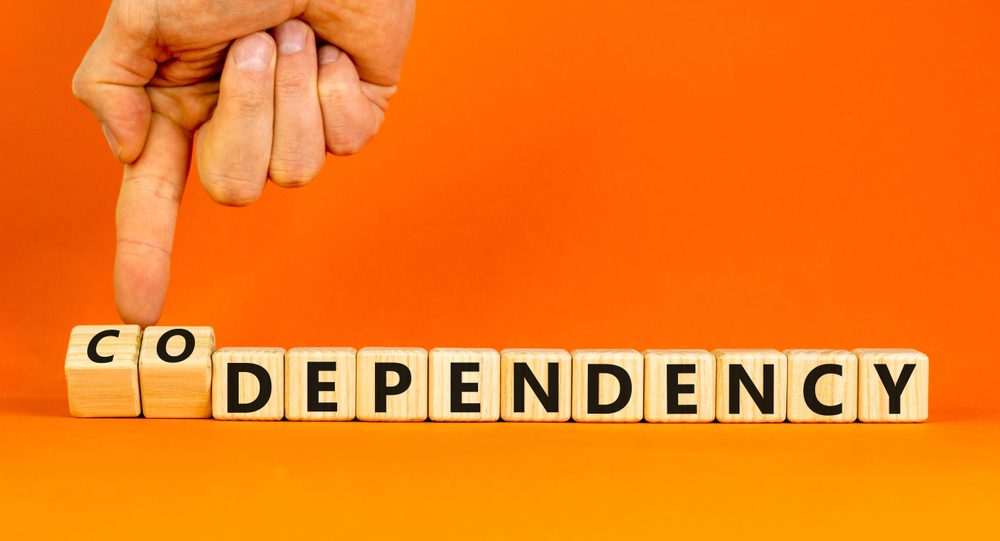
Codependency, a relational pattern characterized by extreme reliance on others for identity and validation, can hinder personal growth.
This is why Psychology Diary has decided to delve into the subtle yet impactful codependency signs that may be present in any of your relationships. By shedding light on these behaviors, we aim to empower you with insights to encourage positive growth.
Embarking on the journey to overcome codependency requires strategic interventions and self-reflection.
By identifying the following 10 codependency signs and implementing these strategies, you can pave the way for more fulfilling and balanced connections, enabling personal well-being and stronger, more authentic relationships.
Join us as we unravel the complexities of codependency and embark on a transformative journey toward healthier, more resilient relationships.
Who is more likely to be codependent?
Codependency is a disorder of the personality. It primarily affects romantic couples but can also occur with parents, siblings, friends, or colleagues of a drug addict or alcoholic.
Initially, codependent behavior was considered as codependency to unhealthy relationships with people with addictions and patients with terminal, chronic, or mental illnesses.
In their desire to please or help, they sacrifice themselves to lose their time, dignity, resources, and feelings to “save” or prioritize the other person.
But nowadays, the term is used to identify any person in any codependent relationship, regardless of whether or not there are diseases or drugs involved in their relationship dynamics.
Codependency sign: Difficulty saying no or expressing preferences
Codependents have a tendency to act as slaves to others. They’re not free to express what they truly feel without fear of being judged. They have the impression that if they express their opinion, they’ll be judged or rejected.
Codependency sign: Needing control
Codependent individuals usually feel the need to control, whether implicitly or explicitly, the people around them. They do it because their controlling behavior gives them a sense of security.
Codependency sign: Denial
These types of individuals turn a blind eye to problematic aspects of their partner and their relationship. They don’t give due attention or thought to any of their issues.
Codependency sign: Being trapped in a bad relationship
This relationship is sometimes highly abusive, and deep down, they know that this relationship doesn’t suit them. Yet, they still cling to it because they’re afraid of being alone and don’t have the strength to walk away from the toxic relationship.
Codependency sign: Having low self-esteem
The self-esteem of codependent people tends to depend on the extent of the approval of others. They always worry too much about what other people think of them.
Codependency sign: They’re weak or don’t have any limits
Codependent people frequently feel responsible for the problems and feelings of others. They’re excessively empathic. Due to the fact that they have weak limits, they readily soak up the negative emotions of others.
Codependency sign: Always trying to please others
Speaking of limits, codependent people sacrifice their needs for the sake of their partners or other people around them.
Their attempts to save, rescue, and support their loved one allow the other individual to become even more dependent on them. The act of giving usually gives a codependent person a sense of satisfaction as long as they earn recognition.
Codependency sign: Unbalanced communication
Codependents have major issues when it comes to communicating their feelings, thoughts, and needs. They’re afraid to tell the truth because they never want to bother the other person. As a result, communication becomes confusing and dishonest.
Codependency sign: Fear of being abandoned or rejected
Codependent individuals usually don’t know how to be alone. They feel a sense of anguish and sadness in the face of loneliness. They need to constantly interact with other people in order to ease their anxiety.
Codependency sign: They spend most of their time trying to change the people around them
People who have codependent tendencies have all the confidence in the world that they can change the negative aspects of the person they’re in love with.

Examples of codependency
To get a better understanding, here are a few examples of what a codependent relationship might look like:
In romantic relationships it can involve:
-Neglecting self-care or other relationships to take care of your partner
-Investing time and energy into caring for a partner with a substance abuse problem
-Making excuses for the other person’s bad behavior
-Enabling a partner’s unhealthy behavior
-Not letting your partner to take responsibility for their own actions
-Not giving your partner independence
In parent-child relationships it can involve:
-Never voicing concerns in family relationships or behaviors
-Doing everything for an adult child
-Getting a sense of purpose from financially supporting an adult child
-Never allowing a child to do anything independently
-Dropping everything to care for a parent
How do you tell the difference between a codependent and a healthy relationship?
In a healthy relationship, both parties have a sense of independence and autonomy and can maintain their identities while still being connected to their spouse.
While in a codependent relationship, one person might sacrifice their own desires and needs to please their other half, or they can become overly intertwined and lose a sense of self.
Furthermore, in a codependent relationship, there’s usually an imbalance of power, with one person being dominant or overly controlling.
How can you stop being codependent?
Some people can overcome codependency on their own. Learning about what it trully means to be codependent and the damage it causes can be enough for some to change their behavior. Some steps you can take to stop being codependent include:
- Having healthy boundaries: Those with healthy relationships are supportive of each other, but they also know to respect each other’s boundaries. Setting a limit establishes what you’re willing to accept in a relationship. Think about what’s acceptable to you. Work on listening to the other individual, but don’t allow their issues to devour your life. Practice finding ways to reject demands that step over your boundaries. Set limits, then work on implementing them.
- Look for signs of a healthy relationship: To break out of any codependent habits, you must first understand what a loving and healthy relationship looks like. Signs of a healthy relationship include maintaining independence, making time for each other, being open and honest, showing affection, and maintaining equality.
- Take care of yourself: Those who are in codependent relationships tend to have low self-esteem. Begin by valuing yourself. Learn more about what makes you happy and the kind of life you want to live. Spend time doing things that you love to do. The first step is to overcome negative self-talk and substitute it with more positive and realistic ones instead. Also, be sure you’re taking care of your health by getting the rest, food, and self-care you need for your emotional well-being.

What’s next?
If you suspect that you’re displaying any of these codependency signs in your relationship and you’re having a hard time creating positive change, we recommend seeking professional help.
You can begin by talking to a medical professional, or you can contact a mental health specialist directly about how to stop being codependent. If you’re uncomfortable speaking to a therapist in person or are reluctant to attend a group, consider online therapy.
You can talk to a therapist from the privacy of your home via live chat, video, or messaging from one of your electronic devices. Journaling can also be an excellent option to help you get your feelings out. This Lined Journal Notebook is one of our favorites from Amazon.
And if you found this article on codependency signs useful, Psychology Diary has much more to offer. For instance, we highly recommend also reading: Having Trouble Earning Respect From Others? These 7 Simple Behaviors Could Explain It









Leave a Reply