Psychology Diary

The First Step Toward Change Is Awareness

  • Home
  • Relationships
  • Mental Health
  • Expert Tips
  • Life
  • Family
  • Marriage

The Complete Guide to Understanding and Managing Anxiety After 50

August 31, 2025 · Mental Health

Patient and doctor discuss medication in a clinic.

First Steps: Ruling Out Other Causes and Talking to Your Doctor

Before concluding that your symptoms are solely due to anxiety, it is essential to start with a visit to your primary care doctor. The mind and body are deeply connected, and what feels like anxiety can sometimes be a symptom of an underlying physical health issue. This step is especially critical for older adults, who are more likely to be managing chronic conditions or taking multiple medications.

Your doctor can help rule out other potential causes, such as:

Medication Side Effects: A wide range of medications, including some for blood pressure, steroids, or even over-the-counter decongestants, can cause anxiety-like symptoms. A medication review is a vital first step.

Thyroid Issues: An overactive thyroid (hyperthyroidism) can mimic anxiety perfectly, causing a racing heart, sweating, and a feeling of being “revved up.”

Heart or Lung Conditions: Conditions like arrhythmia or COPD can cause physical sensations like palpitations and shortness of breath that trigger feelings of panic.

Vitamin Deficiencies: Low levels of certain vitamins, like B12, can sometimes contribute to mood changes and anxiety.

Sensory Changes: Gradual hearing or vision loss can be disorienting and stressful, leading to increased anxiety in social situations or when navigating unfamiliar environments.

How to Prepare for Your Appointment

Feeling anxious about a doctor’s appointment is common. Being prepared can help you feel more in control and ensure you have a productive conversation. You are the expert on your own experience, and your input is crucial.

Before you go, make a few simple notes. It can be hard to remember everything on the spot. Jot down:

1. Your Symptoms: Be specific. When did they start? What do they feel like? What makes them better or worse? For example, “For the last two months, I’ve had chest tightness and a racing heart, mostly in the evenings when I’m trying to relax.”

2. Your Medications: Create a complete list of everything you take, including prescription drugs, over-the-counter medications, vitamins, and herbal supplements.

3. Your Questions: Writing down your questions ensures you won’t forget them. Consider asking:

“I’ve been feeling very worried and on edge lately. Could my symptoms be related to anxiety?”

“Could any of my current medications or health conditions be causing these feelings?”

“What are the next steps for evaluation? Should I consider a referral to a mental health specialist?”

Speaking up about your mental health is a sign of strength. Your doctor is a partner in your overall well-being and can be your greatest ally in finding the right path forward, whether that involves further medical tests, lifestyle recommendations, or a referral to a therapist. For reliable health information, you can visit resources like the National Institute of Mental Health (NIMH).


Pages: 1 2 3 4 5 6 7 8 9 10 11

Share this article

Facebook Twitter Pinterest LinkedIn Email

Leave a Reply Cancel reply

Your email address will not be published. Required fields are marked *

Search

Latest Posts

  • An adult in a knit sweater sits on a window sill on a gray day, looking out over a misty city with a steaming mug. 10 Subtle Signs You're Just Existing, Not Truly Living
  • Editorial illustration of a person surrounded by a protective warm watercolor aura, deflecting dark droplets on textured paper. 10 Common Psychological Defense Mechanisms - Which One Do You Use?
  • A mixed-media collage silhouette of a person made from torn paper, charcoal sketches, and ink washes, representing fragmented self-trust. 9 Signs of an Emotionally Abusive Relationship
  • A mixed media collage of a human silhouette with layered torn paper in indigo and gold, symbolizing trapped physical energy and healing. 10 Signs Your Body is Holding Trauma
  • An illustration of an adult walking forward, casting a shadow that reveals a towering parental figure behind them. 10 Signs You Were Raised by a Narcissist
  • An editorial gouache illustration of a woman's profile transitioning from concrete architecture to elegant fashion lines. Who Was Melania Before She Met Donald Trump? (A Psychological Portrait)
  • An ink and watercolor illustration of a person holding a large ceramic vase with glowing gold cracks, symbolizing hidden internal pressure. The Psychology of the Person Who Is Always Fine Until They Absolutely Aren't
  • A woman sits in a sunlit home library, looking thoughtfully out a window with an open book on her lap. 12 Signs of a High IQ
  • A candid photograph of a tense moment between a couple in a sunlit kitchen, one partner looking exhausted while the other looks away. 8 Traits of Someone Who Always Has to Be Right
  • A conceptual paper collage portrait made of torn fragments representing a fragmented digital identity with blue screen patterns. 10 Clues Someone Has a False Online Identity

Newsletter

Get the latest posts delivered to your inbox.

Related Articles

crying is good

10 Ways Crying Affects Your Mind and Body

When was the last time you cried? Crying is good because it helps us let…

Read More →
mental health

9 Ways to Improve Your Mental Health NOW

How important is mental health for you? Whether we watch TV, scroll through social media,…

Read More →
Narcissist psychopaths

Psychopaths Do These 9 Things

We can all agree that psychopathy is a widely debated topic as far as psychology…

Read More →
Paranoid Disorder

10 Silent Signs of Paranoid Personality Disorder

Paranoid Personality Disorder, or PPD, is one of those mental health conditions that often flies…

Read More →
burnout

7 Signs of Burnout (and What To Do About It)

Even the greatest jobs can lead to burnout. The more you work and the more…

Read More →
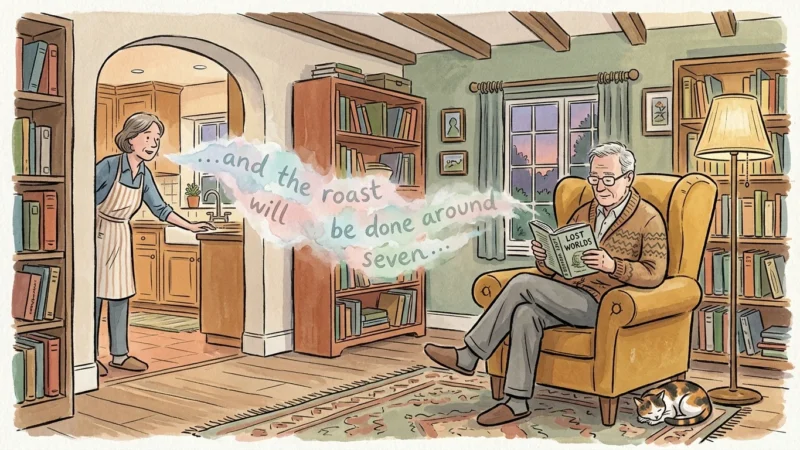
An editorial illustration of a senior man in an armchair while his partner speaks from a distance, with her voice fading as watercolor mist.

7 Early Warning Signs of Hearing Loss That Seniors Often Dismiss as Normal Aging

Discover the 7 early behavioral and emotional warning signs of hearing loss, and learn how…

Read More →
Active Shooter

8 Shocking Traits All Active Shooters Have in Common

Let’s talk about the psychological profile of active shooters! The unfortunate reality is that mass…

Read More →
Social media is harming your mental health

5 Signs Social Media is Harming Your Mental Health

Social media is harming your mental health more than anything else! See how you can…

Read More →
traits most criminals share

9 Psychological Common Traits Most Criminals Share

What are the traits most criminals share?  People like John Wayne Gacy, Jeffrey Dahmer, and…

Read More →

Psychology Diary

The First Step Toward Change Is Awareness

Inedit Agency S.R.L.
Bucharest, Romania

contact@psychologydiary.com

Explore

  • About Us
  • Advertiser Disclosure
  • Contact Us
  • Disclaimer
  • Do not sell my personal information
  • Editorial Policy
  • Frequently Asked Questions
  • Privacy Policy
  • Terms and Conditions
  • Subscribe
  • Unsubscribe

Categories

  • Expert Tips
  • Family
  • Life
  • Marriage
  • Mental Health

© 2026 Psychology Diary. All rights reserved.