
Psychology Diary

The First Step Toward Change Is Awareness

  • Home
  • Relationships
  • Mental Health
  • Expert Tips
  • Life
  • Family
  • Marriage

10 Therapist-Approved Tips for When You’re Feeling Lonely

June 12, 2026 · Mental Health
Two people sitting on a deck at sunset, having a serious and focused conversation in a calm, outdoor setting.
Two people sit on a wooden deck, having a deep conversation in a peaceful garden at sunset.

3. Get Outside Every Day

Therapists frequently recommend spending time outdoors because nature has measurable effects on mood and stress.

Exposure to sunlight supports healthy vitamin D levels, while green spaces have been associated with lower anxiety and depression symptoms. Even a 20-minute walk can interrupt negative thought patterns.

If possible:

  • Walk through a park
  • Sit in your backyard
  • Visit a botanical garden
  • Take your coffee outside

Physical movement combined with fresh air provides benefits for both mental and physical health.

4. Challenge the Stories Your Brain Is Telling You

Loneliness often creates distorted thinking:

  • “Nobody likes me.”
  • “Everyone else has friends.”
  • “It’s too late to meet new people.”

Therapists encourage examining whether these thoughts are facts or assumptions.

Ask yourself:

  • What evidence supports this belief?
  • What evidence contradicts it?
  • Would I say this to someone I care about?

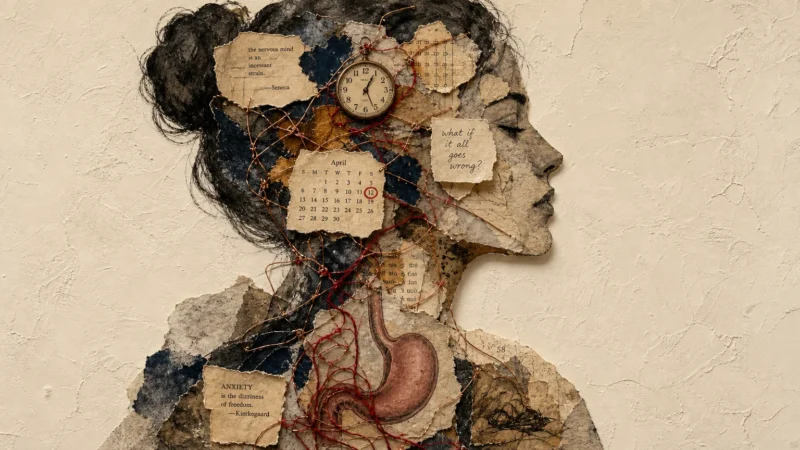
Learning to recognize cognitive distortions is a cornerstone of anxiety treatment and emotional resilience.
Pages: 1 2 3 4 5 6

Share this article

Facebook Twitter Pinterest LinkedIn Email

Leave a Reply Cancel reply

Your email address will not be published. Required fields are marked *

Search

Latest Posts

  • Lonely1, feel depression 10 Therapist-Approved Tips for When You're Feeling Lonely
  • A conceptual mixed media collage with a compass, geometric shapes, and watercolor washes symbolizing structure and flow. 8 Signs You’re a Self-Disciplined Person
  • A mixed media collage of a figure made of layered paper and watercolor, symbolizing emotional flexibility and resilience. 12 Signs You're Mentally Stronger Than You Realize
  • A mixed media collage of a person's face with shifting, layered textures and torn paper edges symbolizing a mental break. 10 Signs of a Psychotic Break
  • A conceptual illustration showing a father and daughter separated by a deep chasm in the floor of their dining room. 10 Habits That Push People Away (Your Children Too)
  • A conceptual collage of a head silhouette filled with shattered mirrors and warped photos, symbolizing reality distortion. 8 Ways People Distort Reality
  • An elderly woman sits alone at a dining table in soft afternoon light, looking down at a tea cup in a quiet, nostalgic home setting. 9 Emotional Wounds Adult Children Simply Don’t Realize They’re Inflicting On Their Parents
  • A mixed-media collage of a fragmented silhouette head with an anchor being cut, symbolizing the loss of one's grip on reality. 10 Signs Someone Is Trying to Distort Your Reality
  • A mixed media collage of a beautiful white flower with hidden barbed wire roots and thorny stems on a textured vintage paper background. 8 Behaviors That Reveal Hidden Toxicity
  • A candid photo of a couple in a dim living room, showing a sense of emotional distance and unspoken tension. 10 Traits That May Reveal Covert Narcissism

Newsletter

Get the latest posts delivered to your inbox.

Related Articles

physical activity

8 Reasons Why Physical activity Is Good for Our Mental Health

Today, we will craft a guide meant to provide you with various tips on how…

Read More →
An older woman in a knit sweater sits on a porch at dawn, holding a steaming mug and looking thoughtfully at a misty garden.

The Power of Gratitude: How Seniors Can Use It to Live Happier Lives

Discover how a daily gratitude practice can help seniors improve mental well-being, protect cognitive health,…

Read More →
Alzheimer's and Parkinson's

Alzheimer’s vs. Parkinson’s: 7 Differences and Symptoms You Must Know

Alzheimer’s and Parkinson’s: both of them are serious medical conditions. Let us clarify the main…

Read More →
burnout

7 Signs of Burnout (and What To Do About It)

Even the greatest jobs can lead to burnout. The more you work and the more…

Read More →
A single coffee mug on a wooden table next to an empty chair in a sunlit kitchen, representing the quiet of loss.

How to Cope with Grief After Losing a Spouse in Retirement

Learn practical, evidence-based strategies to cope with the loss of a spouse in retirement, protect…

Read More →
Mind-Decluttering Technique

8 Inspiring Mind-Decluttering Techniques for More Peace and Less Stress

Let go of the past and learn to forgive. Normally, we tend to keep our…

Read More →
midlife crisis

7 Alarming Signs You’re Going Through a Midlife Crisis

What is a midlife crisis, and how can you manage it?  You get to “that…

Read More →
sabotage yourself

6 Terrible Ways You Sabotage Yourself (and How to Stop It)

Do you sabotage yourself? See here what it means and why it happens to so…

Read More →
Mental Health Disorder

4 Scary Mental Health Disorders Doctors Sometimes Misdiagnose

What Are The Most Commonly MIS-Diagnosed Mental Health Disorders? Until fairly recently, those who were…

Read More →

Psychology Diary

The First Step Toward Change Is Awareness

Inedit Agency S.R.L.
Bucharest, Romania

contact@psychologydiary.com

Explore

  • About Us
  • Advertiser Disclosure
  • Contact Us
  • Disclaimer
  • Do not sell my personal information
  • Editorial Policy
  • Frequently Asked Questions
  • Privacy Policy
  • Terms and Conditions
  • Subscribe
  • Unsubscribe

Categories

  • Expert Tips
  • Family
  • Life
  • Marriage
  • Mental Health

© 2026 Psychology Diary. All rights reserved.