Psychology Diary

The First Step Toward Change Is Awareness

  • Home
  • Relationships
  • Mental Health
  • Expert Tips
  • Life
  • Family
  • Marriage

10 Therapist-Approved Tips for When You’re Feeling Lonely

June 12, 2026 · Mental Health
A person standing on a porch at sunrise, looking out at a garden and taking a deep breath of fresh air.
A person in a white shirt finds peace while holding a steaming mug in a sunlit garden.

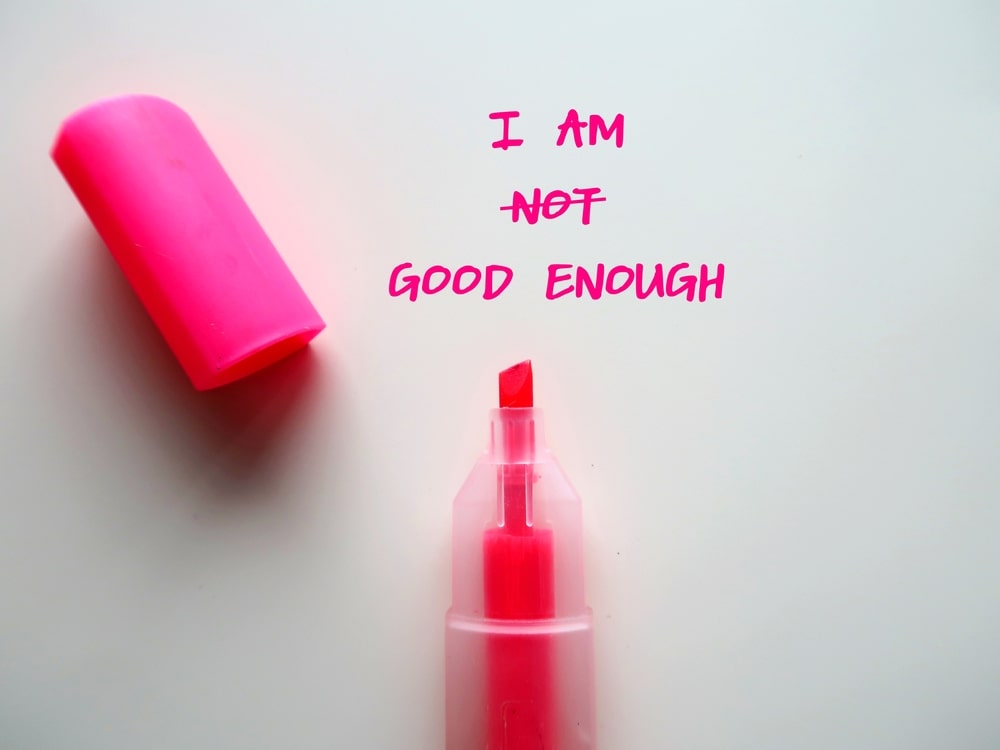
9. Practice Self-Compassion Instead of Self-Criticism

People experiencing loneliness frequently blame themselves.

They may think:

  • “I’m boring.”
  • “I’m awkward.”
  • “Nobody wants to spend time with me.”

Therapists encourage practicing self-compassion instead.

Imagine how you would comfort a close friend in the same situation. Then offer yourself that same kindness.

Research suggests self-compassion can reduce anxiety, increase resilience, and improve emotional health.

Simple affirmations include:

  •  “This feeling won’t last forever.”
  •  “Many people experience loneliness.”
  • “I’m taking steps to improve my situation.”

10. Consider Talking to a Mental Health Professional

If loneliness persists for weeks or months, seeking professional support can be an important step.

A licensed therapist can help identify underlying issues such as:

  • Social anxiety
  • Depression
  • Grief
  • Trauma
  • Low self-esteem
  • Life transitions

Therapy isn’t only for crises—it’s also a valuable tool for building healthier relationships and coping skills. Many people find that even a few sessions provide practical strategies and a renewed sense of hope.

Final Thoughts

Feeling lonely doesn’t mean you’re failing, and it certainly doesn’t mean you’ll always feel this way. Human connection is built through small, consistent actions rather than dramatic life changes.

By challenging negative thoughts, creating daily social habits, investing in your physical health, and seeking support when needed, you can gradually rebuild a stronger sense of belonging.


Pages: 1 2 3 4 5 6

Share this article

Facebook Twitter Pinterest LinkedIn Email

Leave a Reply Cancel reply

Your email address will not be published. Required fields are marked *

Search

Latest Posts

  • A mixed-media collage silhouette of a person made from torn paper, charcoal sketches, and ink washes, representing fragmented self-trust. 9 Signs of an Emotionally Abusive Relationship
  • A mixed media collage of a human silhouette with layered torn paper in indigo and gold, symbolizing trapped physical energy and healing. 10 Signs Your Body is Holding Trauma
  • An illustration of an adult walking forward, casting a shadow that reveals a towering parental figure behind them. 10 Signs You Were Raised by a Narcissist
  • An editorial gouache illustration of a woman's profile transitioning from concrete architecture to elegant fashion lines. Who Was Melania Before She Met Donald Trump? (A Psychological Portrait)
  • An ink and watercolor illustration of a person holding a large ceramic vase with glowing gold cracks, symbolizing hidden internal pressure. The Psychology of the Person Who Is Always Fine Until They Absolutely Aren't
  • A woman sits in a sunlit home library, looking thoughtfully out a window with an open book on her lap. 12 Signs of a High IQ
  • A candid photograph of a tense moment between a couple in a sunlit kitchen, one partner looking exhausted while the other looks away. 8 Traits of Someone Who Always Has to Be Right
  • A conceptual paper collage portrait made of torn fragments representing a fragmented digital identity with blue screen patterns. 10 Clues Someone Has a False Online Identity
  • A conceptual mixed media collage showing a silhouette with a peeling mask, revealing a deep indigo inner layer. 8 Trauma Responses That Get Mistaken for Personality Traits
  • A conceptual watercolor illustration of a senior's silhouette in soft blue, with a glowing gold ink pathway symbolizing an awakening virus. 6 Early Signs of Shingles Seniors Should Never Ignore

Newsletter

Get the latest posts delivered to your inbox.

Related Articles

An adult daughter comforting her elderly father by a sunlit window.

5 Early Warning Signs of Alzheimer’s Most People Ignore

Discover the 5 subtle early warning signs of Alzheimer's most people ignore, including apathy, visual-spatial…

Read More →
Grieving Process

The Grieving Process Is Devastating. These 7 Remarkable Tips Will Help!

Let’s go through the grieving process together! Losing someone you love will never be an…

Read More →
Negative Body Language

8 Ways Negative Body Language Is Damaging Your Self-Confidence

Do you have negative body language? Have you ever walked into a room and instantly…

Read More →
An editorial illustration of a senior man in an armchair while his partner speaks from a distance, with her voice fading as watercolor mist.

7 Early Warning Signs of Hearing Loss That Seniors Often Dismiss as Normal Aging

Discover the 7 early behavioral and emotional warning signs of hearing loss, and learn how…

Read More →
anxiety

7 Effective Ways to Reduce Anxiety

#5 Try to Drink Less Coffee Your central nervous system is stimulated by the chemical…

Read More →
burnout, causes and symptoms

Burnout: Causes and Symptoms explained by Psychologists

What is burnout? Causes and symptoms are presented and explained by psychologists in the following…

Read More →
PTSD, mental health depression

9 Mental Health Issues You Can Inherit

There are many reasons why a mental health disorder can develop. If you’re struggling with…

Read More →
A single coffee mug on a wooden table next to an empty chair in a sunlit kitchen, representing the quiet of loss.

How to Cope with Grief After Losing a Spouse in Retirement

Learn practical, evidence-based strategies to cope with the loss of a spouse in retirement, protect…

Read More →
An older woman in a knit sweater sits on a porch at dawn, holding a steaming mug and looking thoughtfully at a misty garden.

The Power of Gratitude: How Seniors Can Use It to Live Happier Lives

Discover how a daily gratitude practice can help seniors improve mental well-being, protect cognitive health,…

Read More →

Psychology Diary

The First Step Toward Change Is Awareness

Inedit Agency S.R.L.
Bucharest, Romania

contact@psychologydiary.com

Explore

  • About Us
  • Advertiser Disclosure
  • Contact Us
  • Disclaimer
  • Do not sell my personal information
  • Editorial Policy
  • Frequently Asked Questions
  • Privacy Policy
  • Terms and Conditions
  • Subscribe
  • Unsubscribe

Categories

  • Expert Tips
  • Family
  • Life
  • Marriage
  • Mental Health

© 2026 Psychology Diary. All rights reserved.