
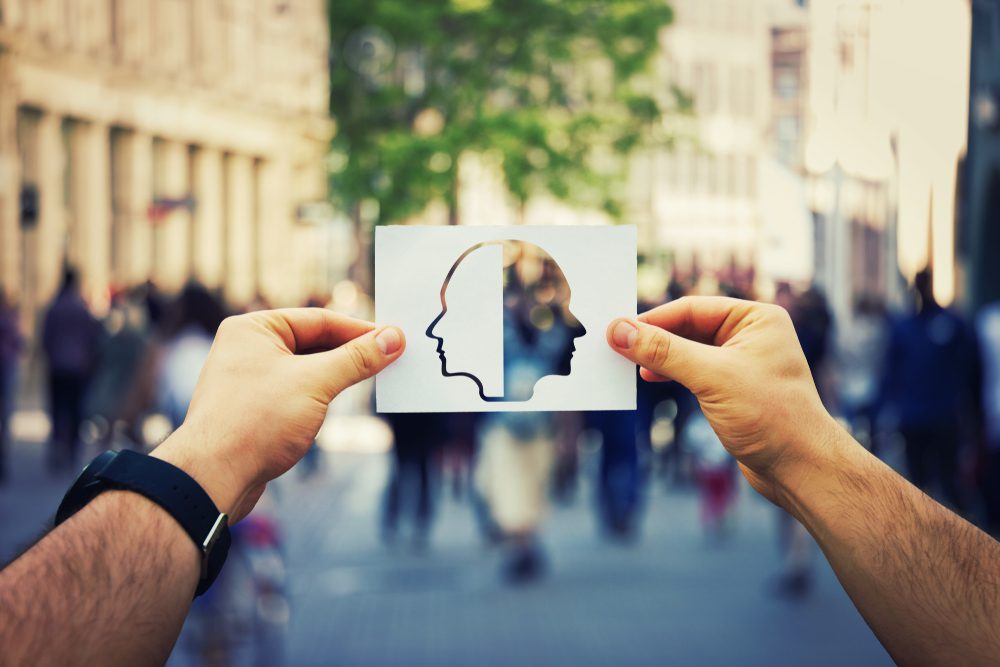
How Much Do You Know About Bipolar Disorder?
When it comes to bipolar disorder, there are many ways to look at it. This psychological condition is more complicated than one might think, and there’s even more than one kind.
While the media seems to be doing a better job of depicting bipolar disorder nowadays, there are still lots of misconceptions when it comes to understanding this disorder.
Even though it’s commonly characterized by extreme ups and downs, there’s more to know about it, whether you’re the one dealing with it or you know someone who is.
We all go through ups and downs throughout our lives, but for people suffering from bipolar disorder, these peaks and valleys are experienced much worse.
Unlike ordinary mood swings that tend to pass quickly, bipolar disorder has certain episodes that can last from weeks to months.
Since bipolar disorder often worsens if treatment isn’t taken, it’s vital to learn what the symptoms are to lower stigma and encourage people to find support. So let’s debunk 6 of the most common myths, and let’s stick to the facts!
Myth: People With Bipolar Disorder Are Just Plain Moody
Truth: While most people assume bipolar disorder means a person is cheerful one moment and more irritable the next, it’s more detailed than that. People with this disorder experience severe changes in activity, energy, and sleep.
Experts look for groups of symptoms, not just sentiments. The highs and lows of this disorder are extreme, and they frequently happen out of context and can last for extended periods of time. This can be debilitating and oftentimes requires hospitalization.
Waking up joyful but feeling drained and irritable midday and having a good night that leaves you feeling cheerful again doesn’t mean you have this disorder, no matter how often this happens to you.
Even a diagnosis of rapid-cycling bipolar disorder needs several days in a row of manic-hypomanic symptoms, not just a few hours.
Myth: There’s Only One Type Of Bipolar Disorder
Truth: There are quite a few types of this disorder, and each has its own unique characteristics. Even without meeting certain criteria for bipolar types I or II, going through manic and depressive episodes can be extremely uncomfortable and disruptive to regular functioning.
Bipolar disorders might mandate different treatments based on the subtype of the disorder, but all classifications frequently require and would greatly benefit from psychiatric treatment. The subtypes of this disorder are:
- Bipolar Disorder I: This is where the person experiences at least one manic episode. Yet even though people usually experience depressive episodes in Bipolar I, it’s not required for a diagnosis.
- Bipolar Disorder II: Diagnosis for this subtype requires a huge depressive episode and a manic episode or an episode with matching symptoms to mania.
- Cyclothymia: For a proper diagnosis to happen, going through hypomanic and depressive moods needs to occur for a least two years, with symptoms being present for at least half the time.
- Rapid Cycling: Rapid cycling implicates at least four episodes of mood shifts within a one-year period and can’t be caused by substance abuse or any other medical condition.
There are a few other bipolar-like conditions that might not meet the full criteria for a diagnosis of this disorder but can still have a huge impact on a person’s life. They are:
- Not Otherwise Specified: This occurs when a person experiences symptoms of this disorder but doesn’t meet the full criteria for a specific subtype.
- Mixed Episodes: This happens when someone undergoes manic and depressive symptoms at the same time.

Myth: Children Can’t Develop Bipolar Disorder
Truth: While this condition is primarily thought of as an “adult” disorder, the reality is that kids as young as 6-years old can be impacted by it. Children will have more recurring mood swings than an adult would, though.
Another thing to be mindful of is that kids are more likely to develop the disorder if their parents had the same disorder. Bipolar disorder can best be diagnosed after an examination of historical behavior patterns.
Parents should get second opinions and think carefully about any type of diagnosis for a very young child. On that same note, it’s usually believed that children can’t be “officially” diagnosed with being bipolar until they reach adulthood.
Nevertheless, the Mayo Clinic seems to claim otherwise. They believe that while it’s most often diagnosed in older children, bipolar disorder can occur in persons of ANY age.
They do, however, admit that diagnosis in younger patients can be challenging because bipolar-like symptoms can appear in other common childhood conditions as well, like ADHD and anxiety disorders.
We recommend consulting a doctor that specializes in diagnosing children and teens if this is something that concerns you.
Myth: Drugs Can Cause Bipolar Disorder
Truth: Substance abuse CAN’T cause this disorder. Bipolar disorders HAVE been associated with substance abuse in the past. But this just means that these two mental disorders can often occur alongside each other.
It doesn’t mean that substance abuse causes someone to be bipolar. As we previously stated, diagnosis of a disorder like this requires a long-term manifestation of manic or depressive symptoms.
Even though alcohol and drugs can cause some of the symptoms of being bipolar, they’re likely to be temporary and will not meet the criteria for a standard diagnosis of bipolar.
The causes of this condition are already known to be an assortment of genetic and environmental factors, and also insufficiencies in signaling the brain.
These factors are intricate and interact in various degrees, and it’s highly unlikely that substance abuse will cause bipolar disorder on its own. They can, however, worsen symptoms and the prognosis of this condition.
Myth: You Have No Control Over It
Truth: Even though it’s a fact that medical treatments may be a bit limited to medications or psychotherapy, there are actually several factors in one’s lifestyle that can affect how severe their bipolar symptoms are, and yes, they’re in YOUR control.
These “engaged” management techniques consist of keeping a regular bedtime, getting routine exercise, eating a healthy diet, and being aware of personal warning signs that a shift to depression or mania might be on the horizon.
Knowing which warning signs of a shift to look out for can help you seek medical aid before any type of negative consequence arises.

Myth: Once symptoms subside, treatment can be stopped
Truth: Treatment SHOULDN’T be stopped, even if your symptoms decrease. If you find that your symptoms are subsiding, it can mean that either you’re cycling between stages or that the medication is doing its job.
When meds are effective in stabilizing the symptoms of this disorder, it’s easy to feel like the medication isn’t necessary any longer.
But, continuing with medication is vital to keeping this condition as stable as possible and minimizing the amount of misery and disturbance caused by being bipolar.
Committing to treatment is connected to overall better outcomes in the future, meaning that people who follow their treatment plan might be able to participate better in social and community activities.
Although there might be some unpleasant side effects that go with taking medication, treatment can be life-changing and sometimes life-SAVING for many people. The impact of stopping medication can include relapse of mood disorders and can even risk one’s health.
If you think that you or someone you love is experiencing symptoms of bipolar disorder, contact your Doctor so that he or she can guide you toward the proper treatment.
Don’t have a medical professional you can count on? The Mayo Clinic is a great resource guide to aid you in your search.
And if you found this article useful, we also recommend reading: 11 Signs of Depression in Seniors and What You Can Do About It





I think that only thr person who has it knows what’s going on, I am bipolar, I researched for 7 years and had my parents look it up, so they new I wasn’t doing things on purpose, , when I was 5 I had leukemia and I bieleve that that had something to do with it
Great informative article and information. I am bi polar and found reading this reminded of how important it is to stay on top of self care and facts about bi polar diagnosis……… Any and all mental health awareness is important.