
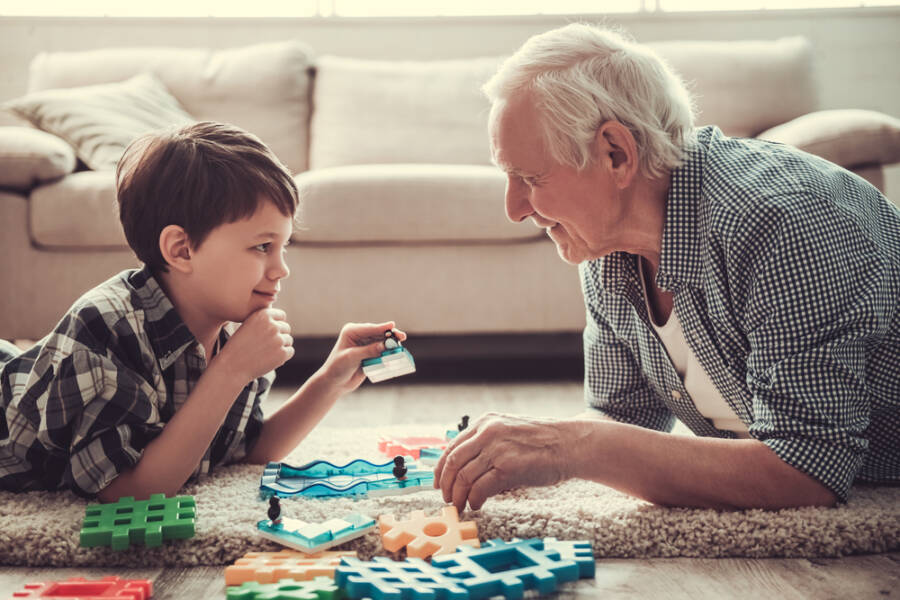
Do you have an introverted grandchild? Understand them better and learn how to communicate with them today!
Does your grandkid seem to prefer alone time to spending time with other people? Do they need time to recharge after group activities? Do they prefer to listen in on conversations rather than jump in first? If you’ve answered yes to these questions, you might have an introverted grandchild.
Many grandparents are curious about what this means and how they can understand these kids better, and we are here today to help you with this.
First of all, we need to make things clear: Introversion isn’t shyness or social awkwardness. It is a natural personality trait, and kids who are introverts prefer quiet and less stimulating environments. Also, they have vivid internal lives, and they feel more energetic when they do solo activities or are part of a smaller social circle.
Understanding these key traits can be a game-changer in your relationship with your introverted grandchild. Read on, learn more about them, and get ready to create a deeper bond with your introverted grandchild.
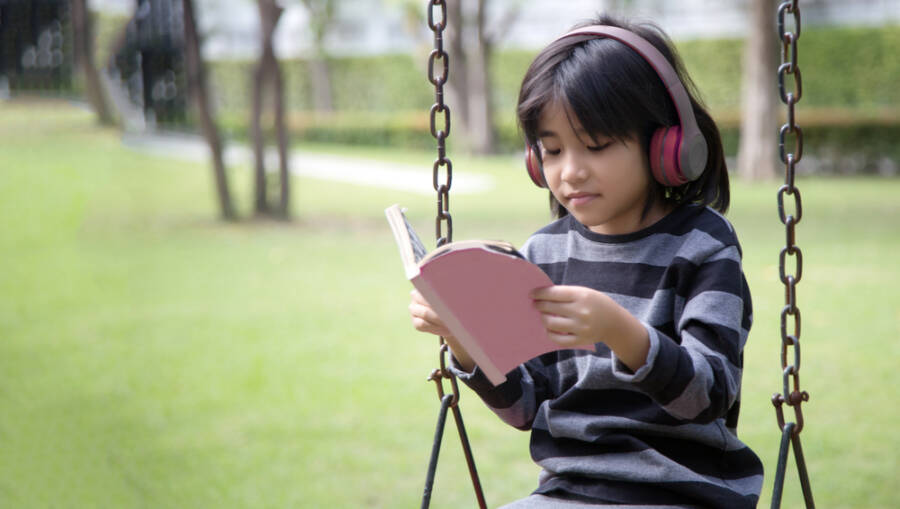
1. They have curious minds and are preoccupied with the deeper aspects of life
Yes, it is true that your introverted grandchild prefers calmer environments, but their inner world is far from silent. They might be quiet, but they are extremely curious and show a deep engagement with the world around them.
Unlike their more outgoing counterparts, introverted kids have a more aloof approach, and they explore this curiosity by observing what is happening around them and reflecting on it.
They want to know how things work; they want to know the meaning behind everyday events; and they are also curious about the complexities of human emotions. Many times, they already have a pretty impressive understanding of those things.
Your introverted grandchild also has a remarkable capacity for creative problem-solving. You might be surprised by the way they approach challenges and problems because they choose innovative solutions and unexpected angles.
Next time you see them sitting quietly in a corner, keep in mind that they are thinking about a lot of things, and they probably want to talk with you about them later.
2. They have layers
Your introverted grandchild might seem mysterious at first, but most of the time they just need warm-up time when they have to interact with adults and new people. Maybe they will say a shy hello and then keep up the quiet demeanor, rather than observing what is going on without taking immediate action.
But as soon as they feel comfortable enough, their true colors will begin to shine. When this happens, try to have meaningful conversations with them and stimulate their minds. These kids are little detectives who enjoy learning about human relationships and the motivations behind them.
So, don’t be surprised when you find out that your introverted grandchild is not a fan of small talk. They like to listen first, and later you might observe that they have a distinct communication style characterized by pauses in conversation as they carefully choose their words or a preference for uninterrupted conversations.
Keep in mind that patience is key when it comes to connecting with your introverted grandchild.
3. They socialize differently than extroverted kids
When you think about kids playing, you might imagine a group of children outside with a ball. Now, you should know that your introverted grandchild might have a different socialization style. They aren’t the most outgoing children, and because of this, they prefer quality over quantity.
That means they usually have just a couple of friends, maybe two or three, and they are not very keen on meeting new people. The reason behind this is that they feel drained in social settings, and they need time to stay with themselves.
For extroverted grandparents, this need for solitude might seem counterintuitive, and they might not understand why their introverted grandchild wants to be alone right after their birthday party.
If you want to connect with them, you will have to understand this need and try to create a calm space for them where they can unwind and decompress. When they want to be left alone, just let them recharge their social battery, and you will become their best friend.
4. They might struggle at school or daycare
Today’s society might not be the perfect place for your introverted grandchild, as outgoing personalities and constant interaction are more praised and valued than thoughtful and quiet individuals.
This preference for extroversion can mean more challenges for introverted kids in various settings, such as schools, preschool, and even daycare. The current educational environment has many group activities and collaborative learning, and this can be a real challenge for your introverted grandchild.
These settings mean large groups staying together and interacting, which can be quite overwhelming for introverts. Remember that introversion is not a social deficit; it is just a preference for a different type of social interaction. These kids need to feel comfortable and form strong connections with others.
As a grandparent, you can be there for your introverted grandchild and help them navigate this type of social interaction with confidence.
5. They like to observe first
When you look at your introverted grandchild, the first thing that comes to mind when you describe them might be a wallflower. They are content to stay in their corner and observe what is happening around them.
You might see these kids stay on the sidelines during group play or social gatherings, and you may assume that it is shyness, but this is not always the case. Introverts are natural observers, and they always prefer to gather information before engaging in any social interaction.
So, if you see them not diving in that group of kids, don’t force them to do it. Let them be, and they will engage when they feel comfortable. They often surprise people with chattiness and humor, but they need time to unwind.
When your introverted grandchild is on the sidelines, they are actively absorbing information and learning about how social interactions work. Let them prepare for how long they need, and don’t pressure them to take action. Just be there, and it will be enough for them.
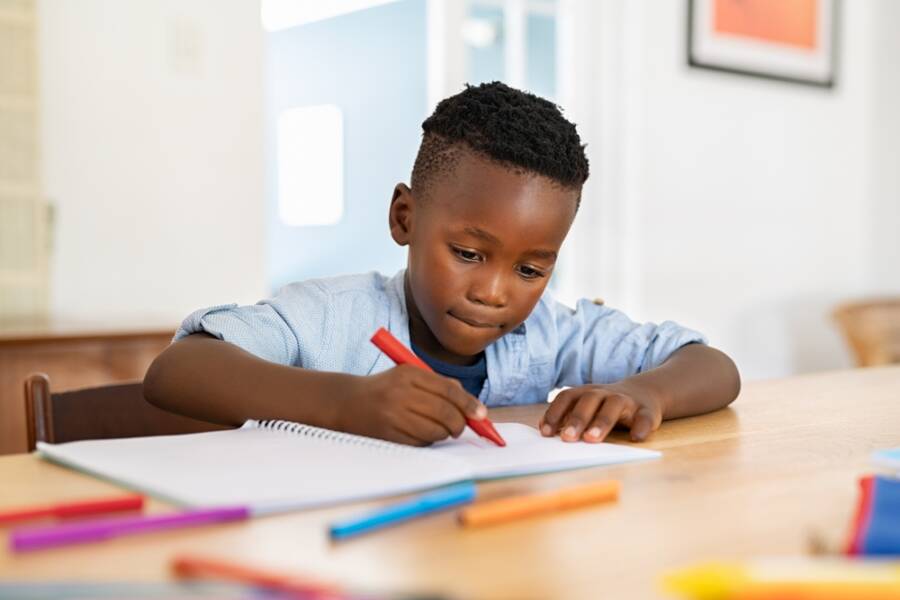
6. They prefer to work independently
Have you ever noticed that your introverted grandchild is happiest working on puzzles or drawing by themselves, while group activities make them feel tired and irritated?
Introverted kids thrive on independent work, and you should allow them to do things in their own way. Most of the time, these children like to immerse themselves completely in a project, and they don’t tolerate any distractions. Also, as we already said, they need time to recharge, and independent work can let them do exactly that.
Introverts prefer to be on their own and explore their ideas deeply without others interacting with them. It is all tied to their introspective nature.
What you can do as a grandparent is find activities that fit this need. For example, you can read a book or visit a museum. This will allow them to set the tone for the interaction. Also, remember that you don’t need to be talking all the time. Sometimes, sitting quietly can be an amazing bonding activity.
If you want to learn more about this topic this book might help you: The Hidden Gifts of the Introverted Child: Helping Your Child Thrive in an Extroverted World
You should also read: The Pros and Cons of Grandparenting. What Do the Experts Think?







Leave a Reply