
Did you know that there are a lot of natural antidepressants that could improve your depression symptoms before you get access to medication?
A lot of people who suffer from depression end up getting medical help and taking antidepressants. Actually, studies have shown that about 40% to 60% of the people who take prescription antidepressants end up showing improvements in their mental health as early as 6 to 8 weeks after taking the drugs when compared to the 20% to 40% who do not take them.
Yet, if you think you are experiencing depression symptoms, you may not want to take the step of seeing a professional with the intention of getting prescription pills, or you may not have the means to do so. That’s when natural antidepressants come in, and there are people who sweat from the relief they were given due to them.
Which are the most common antidepressants, and are they as effective as some people say? We have gathered the most common naturally occurring antidepressants and looked at how they work, along with what research has shown about them, so you can make an informed decision before doing anything. As with prescription medications, results can vary, and you should always consult with a doctor before starting to take any supplements.
Did you know about these before reading the article?
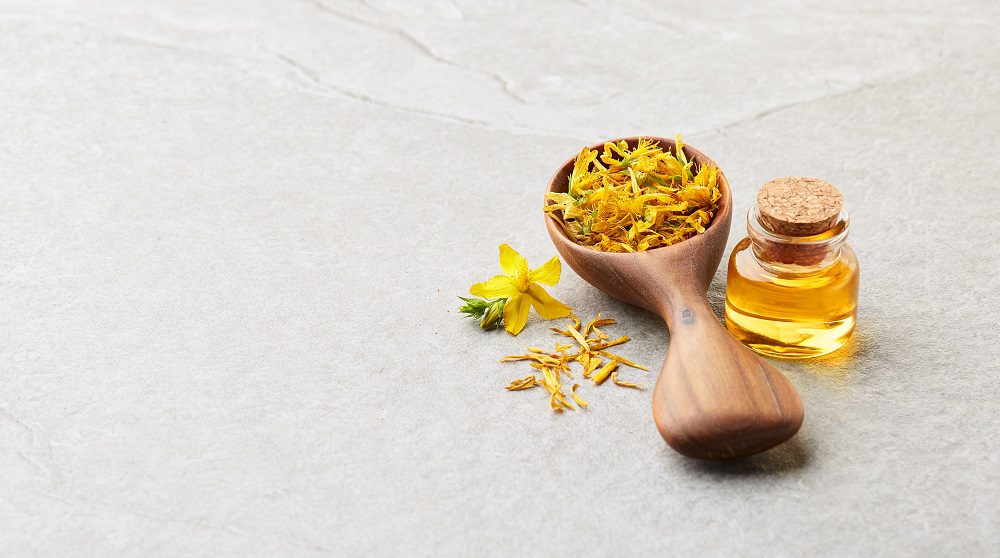
#1 St. John’s Wort
You may have seen the flower from which this natural antidepressant is extracted and not even realize it would be useful. This is because a lot of people have forgotten about this herbal medicine, yet we owe it to researchers and their studies that we have discovered just how useful St. John’s wort is when we are looking to treat depressive episodes. Despite research showing that it is a good antidepressant, there is little information on how effective it is as a long-term treatment.
Despite this, St. John’s wort is known to be able to influence the way in which the brain processes dopamine, norepinephrine, and serotonin, which is very similar to the way chemical antidepressants work when you are under treatment. Studies have shown that using this natural antidepressant is way more effective than a placebo, but also that it is just as effective as a tricyclic antidepressant.
A review made in 2011 of one study has shown that while it is effective for depressive symptoms, there is not enough data to show that St. John’s wort is actually going to work well against severe depression or that it can work well for long-term treatment.
If you choose to use this natural antidepressant, make sure that you are reading the prospectus. Studies have also shown that it can interact with prescription medication, lessening its effects and that when taken in combination with other antidepressants, it can lead to too much serotonin accumulation in the body, which can end up being life-threatening.
#2 Omega-3 fatty acids
You have definitely heard of omega-3 fatty acids before, as they are widely known for their health benefits. The easiest way in which you can boost your omega-3 intake is to eat certain types of fatty fish, which include salmon, albacore, and tuna. However, if you do not eat fish, there are a lot of supplements made that you can take in order to make sure you can still get most of this type of natural supplement.
How does this tie in with natural antidepressants? Omega-3 fatty acids have been studied for years, and researchers have found out after 20 clinical trials that large amounts of omega-3 fatty acids may go as far as to treat depression, but they will definitely have a beneficial impact on your mood.
This is true for both children and adults, as a study showed in 2015. The baffling thing about this is that despite all these trials and studies, there is no concrete reason why it has this effect on people. Researchers believe it may be linked to the fact that it reduces inflammation or the effects of cortisol (which is the stress hormone).
You have to be careful, though, as high amounts of omega-3 fatty acids are known to leave you with a fishy aftertaste in your mouth or even cause you an upset stomach, in addition to being known to potentially be blood thinning.
#3 5-HTP
This may be one of the natural antidepressants that you have not heard of before. However, 5-HTP (which is more commonly known as 5-hydroxytryptophan) is known to function like other antidepressants that are prescribed to depressed patients, as it may have a role in changing the brain’s serotonin levels. There are a few studies on this substance, and a small part of them suggests that it may actually be able to ease the symptoms felt by depressed patients.
A recent study on mice (made in 2016) suggests that it could be one of the substances that could be very beneficial for people who have treatment-resistant depression, as it could eventually be used as an alternative. Despite these hopeful findings just remain as a hope for the best, because there are not enough studies made about 5-HTP in order to be completely conclusive and be able to say that it is an effective treatment for depression.
If anything it is one of the natural antidepressants we should keep an eye out for as it could end up being quite big. Until then, the side effects found in one of the research studies are concerning for the people who are still looking into it (taking 5-HTP for prolonged periods can end up making your mood worse in the long run).
If you are curious to learn more about psychology concepts, you can read and get informed about them here!
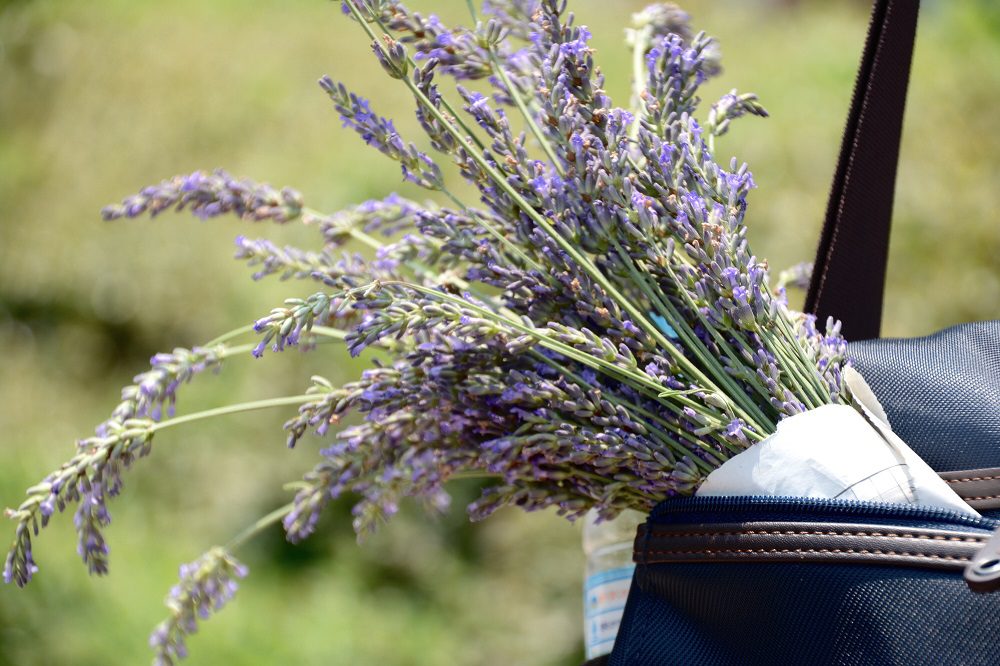
Image By Threetails05 From Envato Elements
#4 Lavender
It’s impossible to not have heard about lavender and its propensity in natural medicine. After all, people have been raving about the relaxing properties of lavender for years, including how amazing it is when it comes to getting a good night’s sleep and how it can help them ease stress by relaxing.
Since people who have depression generally have a lot of problems with sleeping and definitely struggle with anxiety, there is an indication that lavender could be a natural antidepressant and even a sleep aid (that comes with no side effects of sleeping pills).
A 2021 systemic review has shown that lavender, when used as an inhaling aroma, has helped people who did it before going to bed get better sleep. However, the study was small and had a few methodological issues, so there needs to be more research done before anyone can be definitive that it is as useful as some people claim when it comes to treating depression.
Despite this, studies have shown that lavender is the best natural way in which you can get better sleep.
#5 DHEA
DHEA (known as 5-dehydroepiandrosterone in the medical field) is actually a steroid hormone that is naturally produced by the adrenal glands. There have been a small number of studies made on this hormone that show its potential as a natural antidepressant, as they have shown there is a possibility that it could ease symptoms of various mental health illnesses such as depression, anxiety, and even PTSD.
Despite this, there are a lot of side effects that DHEA has, which makes a lot of researchers wary of it, and it is probably part of the reason why there haven’t been more studies on the hormone. When interacting with a wide variety of other medicines, it can lead to an increased risk of developing some types of cancer, negatively impact menstruation cycles and fertility, cause bleeding, and even change blood sugar levels.
Unfortunately, this one could be helpful, but it is not a safe treatment!
#6 SAM-e
This is one of the substances that you can naturally find in the body. S-adenosylmethionine, which is more commonly known as SAM-e, has been studied, and, according to the NCCIH (National Center for Complementary and Integrative Health), some of the studies do give some indication that it could end up being beneficial in the treatment of depression. Despite this, there is no conclusive result that is certain that it is working.
Back in 2011, a lot of previous studies were analyzed, and the researchers found some evidence that SAM-e has ended up being an aid in improving depression symptoms in about eight of the studies. Even so, a lot of the studies ended up having quite a lot of methodological flaws. In a 2009 study, the analysts showed that SAM-e had great results when compared to the results of the patients who were given a placebo in the other six controlled trials.
Despite this substance’s potential for being beneficial, there are other side effects that may affect you if you choose to take it as an antidepressant. It can lead to increased manic symptoms in people who suffer from bipolar disorder, and because SAM-e aids the growth of the bacteria that causes pneumonia, it is ill-advised for people who have HIV to take such an antidepressant.
Image By Nikolaydonetsk From Envato Elements
Be wary of side effects
As with any medication, we cannot stress enough that you should keep in mind the side effects these supplements can end up having. After all, these natural antidepressants do have some side effects (even the ones that you may think could lead to nothing too serious). It is amazing that there seem to be substances in the natural world that could help people who suffer from depression get better.
However, that doesn’t mean we don’t have to be careful about the effects they could have on someone’s body, because just because something is deemed natural doesn’t mean that it couldn’t have adverse effects on our health. Some of these side effects could include allergic reactions, bad interactions with other medications you are taking, and even making depression symptoms worse.
No matter if you are taking natural or not antidepressants you should make sure to know the potential side effects. And above all, never delay getting clinical help just because you decided to try out natural antidepressants because it could lead to worse symptoms that could have been prevented.
How can you tell if you’re experiencing depression symptoms or are you under the weather? Here we have a few signs to look out for before you go see a specialist!




Leave a Reply