Psychology Diary

The First Step Toward Change Is Awareness

  • Home
  • Relationships
  • Mental Health
  • Expert Tips
  • Life
  • Family
  • Marriage

The Complete Guide to Understanding and Managing Anxiety After 50

August 31, 2025 · Mental Health

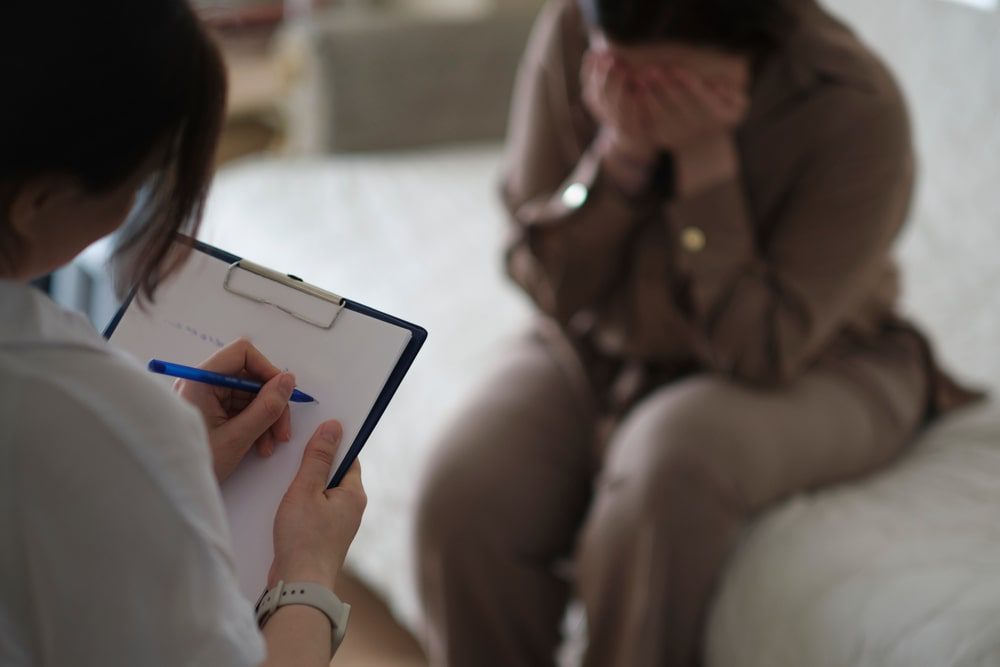
Woman talking to a therapist in an office.

When to Seek Professional Help: Exploring Your Options

Self-help skills and lifestyle changes are powerful, but sometimes they aren’t enough. If anxiety is consistently interfering with your daily life, damaging your relationships, or causing you significant distress, it is a sign of strength to seek professional help. You do not have to manage this alone. A qualified mental health professional can provide you with a safe space to be heard and equip you with proven strategies to manage anxiety effectively.

Types of Therapy for Anxiety

Therapy, or psychotherapy, is not just about “talking about your problems.” It is a collaborative process where you learn new skills to handle challenges. Several types of therapy have been shown to be highly effective for anxiety.

Cognitive Behavioral Therapy (CBT): As we’ve discussed, CBT is a practical, goal-oriented approach that focuses on changing the unhelpful thought and behavior patterns that drive anxiety.

Acceptance and Commitment Therapy (ACT): ACT takes a slightly different approach. It teaches mindfulness skills to help you accept difficult thoughts and feelings without getting overwhelmed by them, and helps you commit to taking actions that are guided by your personal values.

Interpersonal Therapy (IPT): This therapy can be particularly helpful if your anxiety is linked to relationship difficulties, grief, or major life transitions, such as retirement or a change in health status.

Finding a Therapist and Navigating Telehealth

Finding the right therapist can feel daunting, but there are clear places to start.

Where to look:
Your primary care doctor is an excellent starting point for a referral. You can also contact your health insurance provider for a list of in-network therapists. The local Area Agency on Aging is another valuable community resource that can often point you in the right direction.

What to ask a potential therapist:
It’s okay to “interview” a few therapists to find a good fit. You might ask: “Do you have experience working with older adults on issues of anxiety?” and “What is your therapeutic approach?”

Tips for Telehealth:
Many therapists now offer appointments via video call (telehealth), which can be a convenient option. To make it work for you, find a quiet, private space in your home for the appointment. Do a test run of the technology beforehand and don’t be afraid to ask for help. Having a notepad handy can help you remember what you want to discuss.

Medication: A Conversation with Your Doctor

For some people, medication can be a very helpful tool for managing anxiety, often used in combination with therapy. It can help reduce the intensity of the physical and emotional symptoms, making it easier to engage in and benefit from therapy. However, this is a decision that must be made carefully in consultation with a medical professional, such as your primary care doctor or a psychiatrist.

It is crucial to have an open conversation about the potential benefits, risks, and side effects of any medication. Be sure to tell your doctor about all other medications and supplements you are taking to avoid any harmful interactions. Never start, stop, or change the dose of a medication without medical supervision.

Pages: 1 2 3 4 5 6 7 8 9 10 11

Share this article

Facebook Twitter Pinterest LinkedIn Email

Leave a Reply Cancel reply

Your email address will not be published. Required fields are marked *

Search

Latest Posts

  • A single coffee mug on a wooden table next to an empty chair in a sunlit kitchen, representing the quiet of loss. How to Cope with Grief After Losing a Spouse in Retirement
  • An older woman in a knit sweater sits on a porch at dawn, holding a steaming mug and looking thoughtfully at a misty garden. The Power of Gratitude: How Seniors Can Use It to Live Happier Lives
  • A senior woman sits alone on her sofa in warm afternoon light, looking out the window with a pensive and slightly anxious expression. Why Anxiety in Seniors Is Often Overlooked—and How to Get Help
  • 8 Simple Ways to Boost Your Mood Every Day After 60 8 Simple Ways to Boost Your Mood Every Day After 60
  • A woman in her 60s sits thoughtfully in a sunlit living room with a mug of tea, reflecting on connection and solitude. Why Loneliness Hits Harder After 60—and How to Fix It
  • Two people sitting on a sofa in a quiet, sunlit living room, showing a moment of supportive connection and listening. 9 Things You Should NEVER Say to Someone With Anxiety
  • A tense, high-contrast conversation between two people in a minimalist setting. 5 Body Language Secrets That Reveal Someone Is Lying to You
  • A woman sitting thoughtfully by a window in a soft-lit, modern living room. 8 Signs You Were Raised by an Emotionally Unavailable Parent
  • Surreal illustration of a person looking into a mirror that reflects a golden labyrinth, symbolizing internal complexity. The 6 Most Dangerous Lies We Tell Ourselves Every Day
  • A woman in a peaceful, sunlit room embodying emotional clarity and calm. 10 Things Emotionally Intelligent People NEVER Do

Newsletter

Get the latest posts delivered to your inbox.

Related Articles

things anxiety does to your body paranoia after 60

7 Most Worrying Things Anxiety Does to Your Body

6. Cardiovascular issues According to multiple studies, the things anxiety does to your body include…

Read More →
brain

10 Strategies To Fight Brain Aging and Boost Your Cognitive Health

So you’ve noticed some changes in your memory and thinking. Perhaps you often misplace your…

Read More →
traits most criminals share

9 Psychological Common Traits Most Criminals Share

What are the traits most criminals share?  People like John Wayne Gacy, Jeffrey Dahmer, and…

Read More →
mental health

Mental Health Struggles: 7 Usual (and True) Things People Go Through

…Is mental health a priority for you? If not, it should be. According to experts,…

Read More →
physical activity

8 Reasons Why Physical activity Is Good for Our Mental Health

Today, we will craft a guide meant to provide you with various tips on how…

Read More →
depression anxiety

Depression vs. Anxiety: Which One Do You Have?

How can you tell if you have depression or anxiety? Two examples of mood disorders…

Read More →
alzheimer's disease

12 Ways To Help Prevent Alzheimer’s disease (and Other Forms of Dementia)

There are currently 50 million people worldwide who struggle with dementia, and researchers project that…

Read More →
depression

5 “Normal” Things That Are Actually Depression

Are you doing these things? It might be depression! The World Health Organization (WHO) estimates…

Read More →
An older woman in a knit sweater sits on a porch at dawn, holding a steaming mug and looking thoughtfully at a misty garden.

The Power of Gratitude: How Seniors Can Use It to Live Happier Lives

Discover how a daily gratitude practice can help seniors improve mental well-being, protect cognitive health,…

Read More →

Psychology Diary

The First Step Toward Change Is Awareness

Inedit Agency S.R.L.
Bucharest, Romania

contact@psychologydiary.com

Explore

  • About Us
  • Advertiser Disclosure
  • Contact Us
  • Disclaimer
  • Do not sell my personal information
  • Editorial Policy
  • Frequently Asked Questions
  • Privacy Policy
  • Terms and Conditions
  • Subscribe
  • Unsubscribe

Categories

  • Expert Tips
  • Family
  • Life
  • Marriage
  • Mental Health

© 2026 Psychology Diary. All rights reserved.