
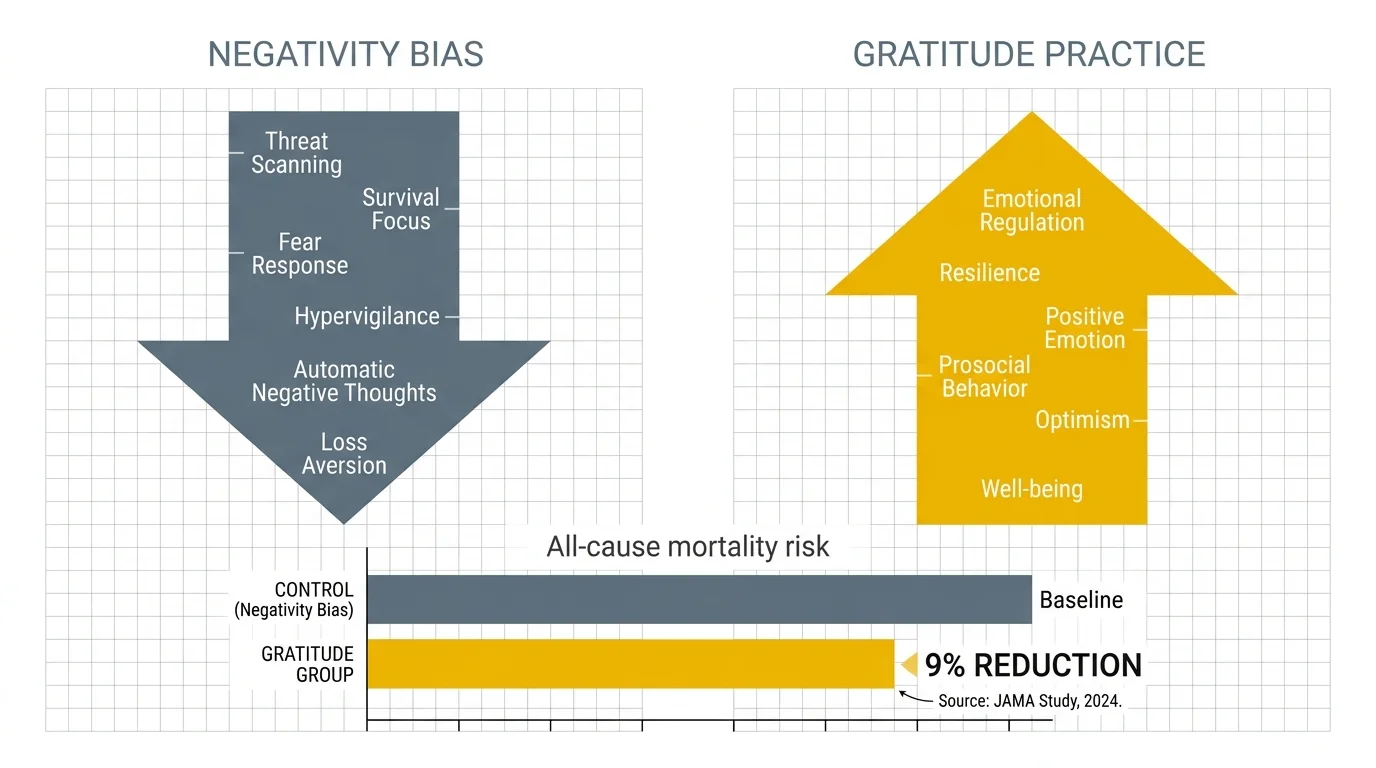
Aging often brings a complex mix of transitions. You might find yourself navigating changes in your physical health, adjusting to retirement, or grieving the loss of friends and loved ones. When life feels heavy, noticing the good things can feel like an impossible task. Our brains are actually wired to scan our environment for threats, a survival mechanism known as the negativity bias. While this helped our ancestors survive, it often leaves us hyper-focused on what we have lost rather than what we still have.
But what if you could train your brain to shift its focus? What if one small, daily habit could change how you experience your later years? Enter gratitude.
Far from just a polite “thank you” or a fleeting feeling, practicing gratitude is a deliberate, evidence-based mental shift. It transforms how your brain processes emotions and stress, offering profound benefits for both your mental and physical health. In fact, recent data suggests that a grateful disposition might even add years to your life.
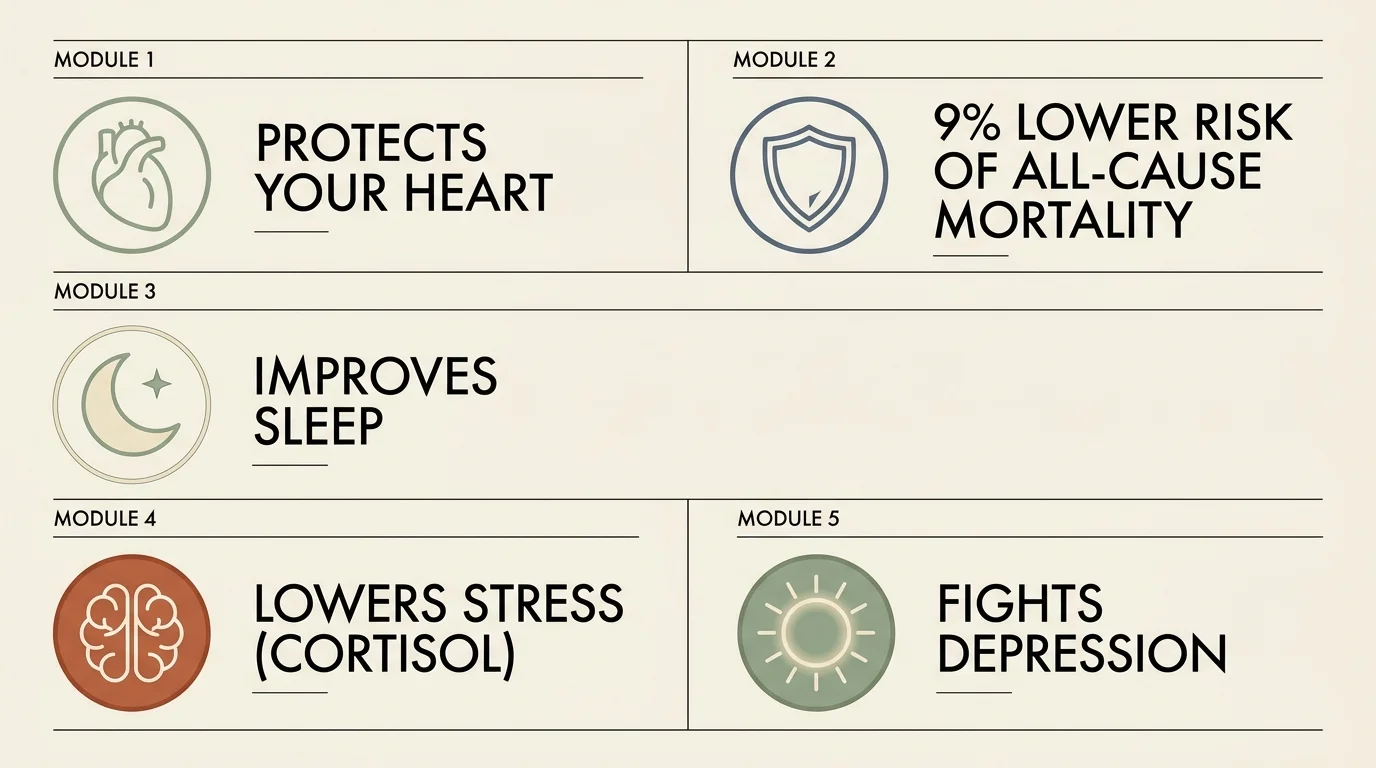
At a Glance: What Gratitude Does for the Aging Brain & Body
If you only have a few minutes, here are the most compelling reasons to start a daily gratitude practice today:
- It protects your heart: Highly grateful older adults have a significantly lower risk of dying from cardiovascular disease.
- It boosts longevity: A major 2024 study found that older adults with high gratitude levels experienced a 9% lower risk of all-cause mortality over a four-year period.
- It improves sleep: Focusing on positive moments before bed calms the nervous system, leading to deeper, more restorative rest.
- It lowers stress: Gratitude reduces the production of cortisol, your body’s primary stress hormone, while reducing reactivity in the brain’s fear center.
- It fights depression: Consistent thankfulness acts as a therapeutic complement, naturally boosting mood and decreasing anxiety.
The Science Behind Thankfulness in Your Golden Years
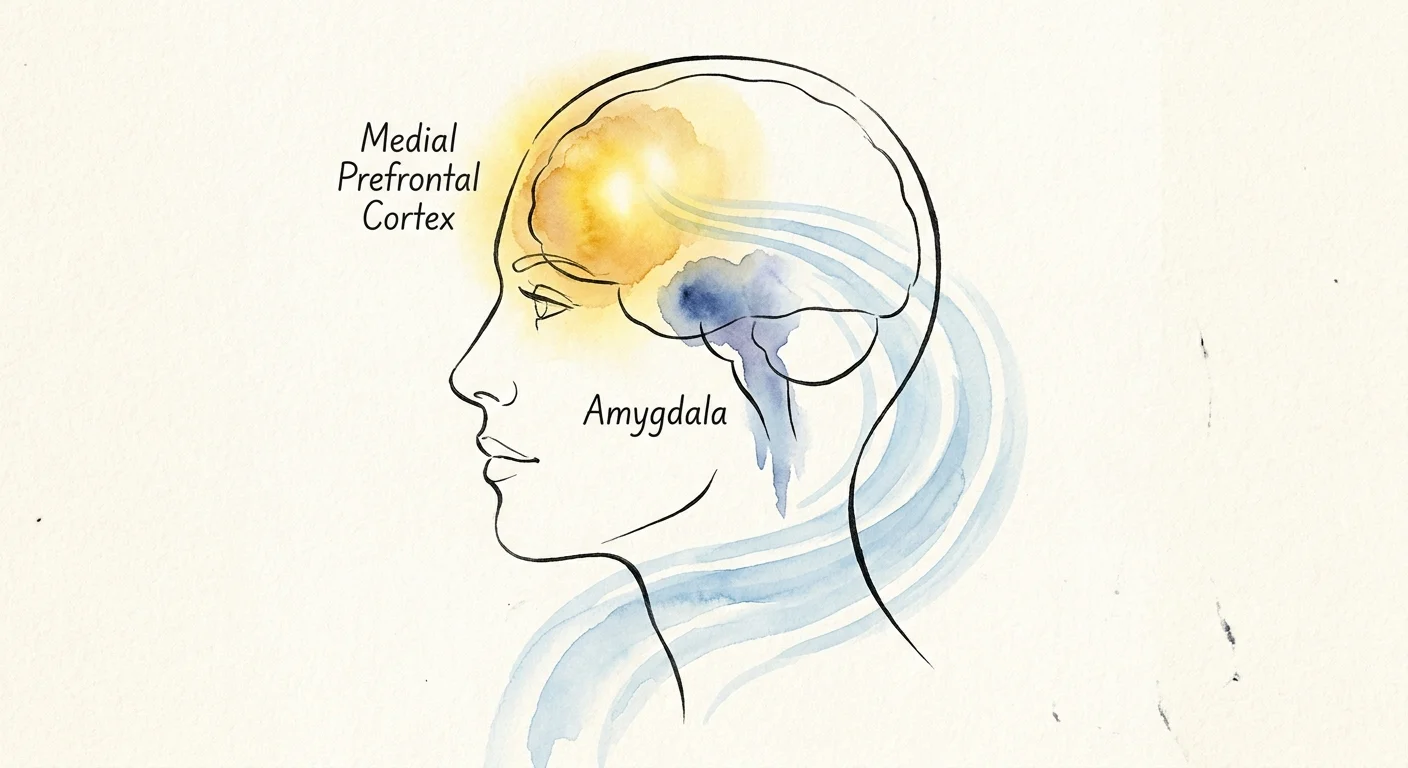
To understand why gratitude is so powerful, you have to look at what happens inside your brain when you practice it. When you actively search for things to be thankful for, you activate the medial prefrontal cortex—the area of your brain responsible for emotional regulation, decision-making, and complex thought.
Simultaneously, gratitude interventions help calm the amygdala, the brain’s emotional alarm system. When the amygdala is less reactive, you experience fewer spikes in anxiety and a more regulated stress response. This is particularly crucial as you age, because chronic stress and elevated cortisol levels accelerate cellular aging and drive inflammation. By downregulating these threat responses, you give your immune system a much-needed break.
Practicing gratitude also triggers the release of oxytocin, often called the “bonding hormone”. This helps you feel more connected to the people around you, counteracting the isolation and loneliness that frequently accompany aging. Over time, this consistent practice rewires your neural pathways, making it easier for your brain to default to a positive, resilient mindset.
Tangible Benefits: Why Gratitude Is Good Medicine
The impact of a thankful mindset extends far beyond just feeling good. Researchers continue to uncover how deeply intertwined our emotional and physical health truly are.
Enhancing Longevity and Physical Health
One of the most groundbreaking discoveries in recent psychological research links gratitude directly to a longer life. A 2024 study published in JAMA Psychiatry by researchers from the Harvard T.H. Chan School of Public Health followed nearly 50,000 older women with an average age of 79. The researchers discovered that participants who scored in the highest third on a gratitude questionnaire had a 9% lower risk of dying from any cause over the next four years compared to those who scored the lowest.
Remarkably, this protective effect remained strong even after researchers controlled for physical health, lifestyle factors, and socioeconomic status. Gratitude proved especially protective against cardiovascular disease. By lowering blood pressure and regulating heart rate, focusing on the good acts as a shield for your heart.
Boosting Mental and Emotional Wellness
Seniors frequently face isolation and boredom as they adjust to new routines or physical limitations. Gratitude offers a powerful antidote to these feelings. Clinical studies demonstrate that keeping a gratitude journal or writing gratitude letters significantly reduces state anxiety and depression. According to a study led by researchers at Indiana University, individuals who wrote gratitude letters reported better overall mental health and were able to avoid toxic emotions like envy and resentment. By shifting your focus from what is missing to what remains, you cultivate a deep sense of contentment.
Protecting Cognitive Function and Improving Sleep
Writing in a gratitude journal requires reflection and recall, both of which help sharpen your memory and keep your mind engaged. Furthermore, seniors often struggle with sleep disturbances, which can exacerbate cognitive decline. By acknowledging positive accomplishments or interactions at the end of the day, you prevent negative, racing thoughts from taking over. This allows you to drift into a peaceful slumber, improving both sleep quality and duration.
“In 12 years of research, I have never interviewed a single person with the capacity to really experience joy who does not also actively practice gratitude.” — Brené Brown, Ph.D., MSW
How to Cultivate a Positive Aging Mindset: Practical Strategies
Knowing the benefits of gratitude is only half the equation; the real transformation happens when you put it into practice. Here are several research-backed ways to weave thankfulness into your daily routine.
1. Keep a Daily Gratitude Journal
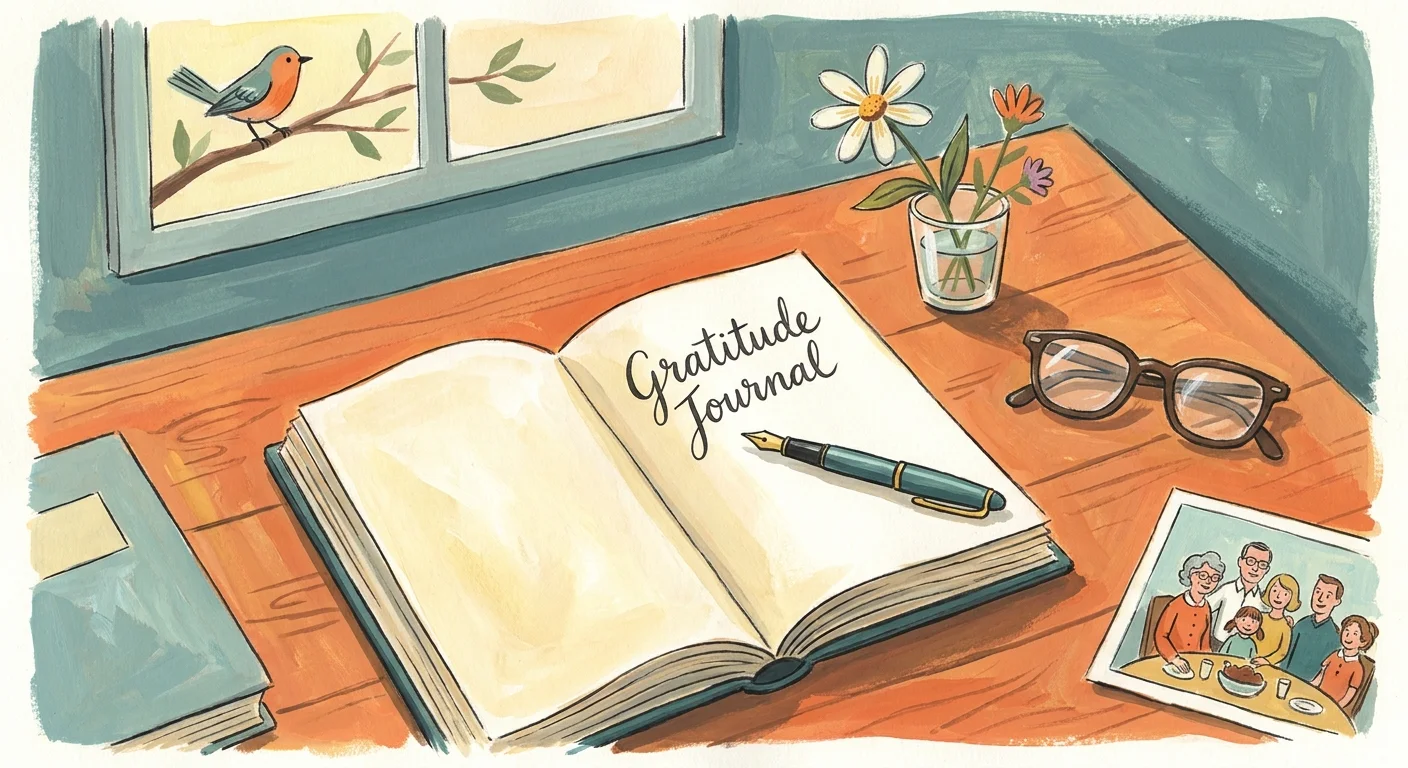
The simple act of putting pen to paper solidifies your thoughts and combats negative bias. Choose a dedicated notebook and leave it on your nightstand. Each morning or evening, write down three specific things you are thankful for. They do not have to be grand events. You might write about a warm cup of coffee, a pleasant conversation with a neighbor, or a comfortable chair. The University of Rochester Medical Center recommends using specific prompts if you feel stuck, such as describing a time you felt thankful for something small, or naming a personal achievement you are proud of.
2. Write Gratitude Letters
Think of someone who has had a positive impact on your life—a friend, a former colleague, a family member, or a caregiver. Write them a letter detailing exactly what they did and how it made you feel. You do not even have to mail the letter to experience the psychological benefits, though sharing it can dramatically strengthen your social connection and trigger a shared release of oxytocin.
3. Create a Gratitude Jar
This is a highly visual and satisfying practice. Find an empty jar and keep a stack of small paper slips nearby. Whenever something good happens, write it down, fold it up, and drop it in the jar. Over time, the jar fills up, serving as a physical representation of the good in your life. Pick a future date—like a holiday, your birthday, or Thanksgiving—to empty the jar and read all the slips. This exercise is wonderful for building emotional resilience during difficult seasons.
Comparing Gratitude Practices
Different practices work for different personalities. Use this comparison to find the approach that best fits your lifestyle.
| Practice | Time Required | Best For… | Expected Benefit |
|---|---|---|---|
| Daily Journaling | 5 minutes / day | Building a consistent routine and improving sleep quality. | Reduces nighttime anxiety and lowers stress hormones. |
| Gratitude Letters | 15-20 minutes / week | Deepening relationships and overcoming feelings of isolation. | Increases social bonding and decreases toxic emotions like resentment. |
| The Gratitude Jar | 1 minute / day | Visual learners and those who prefer quick, spontaneous habits. | Provides a physical reminder of joy; great for long-term reflection. |
| Mindful Appreciation | Continuous | Staying grounded in the present moment during daily walks or meals. | Heightens sensory awareness and counters daily stressors. |
What Can Go Wrong: Toxic Positivity vs. Genuine Gratitude
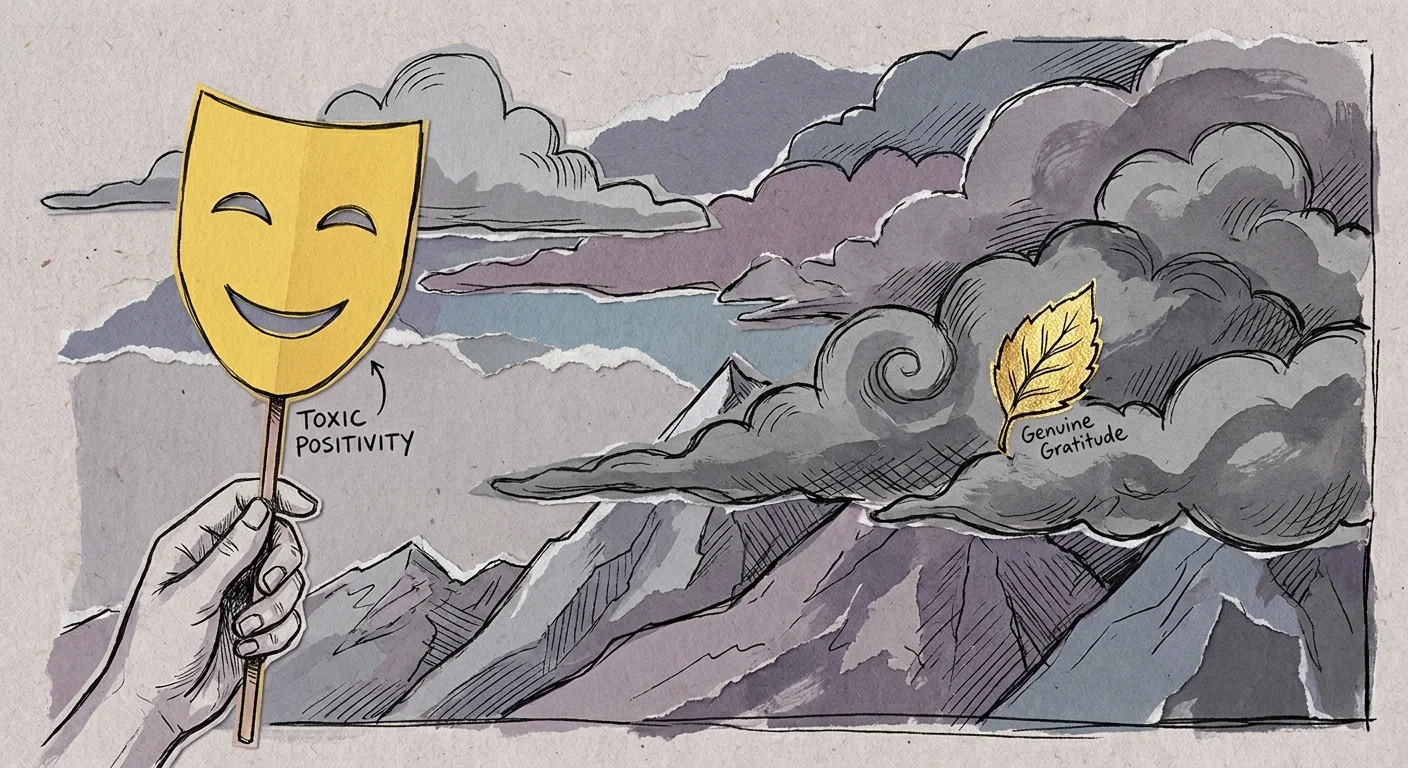
When adopting a new mindset, it is crucial to understand what gratitude is not. A common misconception is that practicing thankfulness means you must ignore your pain, grief, or physical discomfort. This misunderstanding leads to toxic positivity—the false belief that you must maintain a sunny disposition no matter how difficult your circumstances are.
Genuine gratitude does not demand that you suppress your struggles. If your arthritis is flaring up or you are missing a spouse who passed away, pretending everything is perfect will only increase your internal stress. True gratitude is about making space for both realities. You can feel profound grief for a loss and feel deep appreciation for the support of a friend. By acknowledging your difficult emotions while simultaneously looking for small moments of grace, you build authentic resilience rather than a fragile, forced happiness.

When to Seek Professional Support
While gratitude is a powerful tool for emotional maintenance, it is not a cure-all for severe mental health conditions. As you navigate the aging process, it is important to recognize when self-help strategies are no longer enough. Consider reaching out to a licensed therapist or your primary care physician if you experience any of the following:
- Persistent Hopelessness: You feel empty, numb, or profoundly sad for more than two weeks, and focusing on the positive feels entirely impossible.
- Severe Sleep Disturbances: You are experiencing chronic insomnia, early morning awakenings, or sleeping excessively, which basic relaxation habits cannot resolve.
- Social Withdrawal: You are actively isolating yourself from friends, family, and activities you once enjoyed, despite having opportunities to connect.
- Physical Symptoms of Anxiety: You experience racing heartbeats, panic attacks, or overwhelming dread that interferes with your ability to leave the house or manage daily tasks.
If you are in distress, you can call or text the 988 Suicide & Crisis Lifeline for free, confidential support 24/7. For more information on aging and mental health, visit the National Institute of Mental Health (NIMH) or the American Psychological Association (APA).
Frequently Asked Questions
How long does it take to see the benefits of a gratitude practice?
While some people notice a subtle shift in their mood after just a few days, research indicates that the most significant psychological and physical benefits emerge after consistent practice. Studies show that practicing gratitude for 15 minutes a day, five days a week, for at least six weeks leads to measurable enhancements in mental wellness and interpersonal relationships.
What if I simply cannot think of anything to be grateful for today?
On difficult days, trying to find something major to appreciate can feel discouraging. The secret is to shrink your focus. Look for micro-moments. Are you wearing a soft sweater? Did you hear a bird singing outside your window? Did your meal taste good? Gratitude does not require grand events; it only requires noticing the small comforts that already exist in your environment.
Is it better to write down my gratitude or just think about it?
Thinking about what you are thankful for is wonderful, but writing it down offers distinct cognitive advantages. The physical act of writing engages different parts of your brain, forces you to slow down, and helps organize your thoughts. It also creates a tangible record you can look back on during tough times, which a fleeting thought cannot provide.
You have the power to influence how you experience your later years. While you cannot control every physical change or life event that comes your way, you remain fully in charge of your perspective. Start small today. Grab a piece of paper, write down three things that brought you a brief moment of comfort, and let that simple act begin to heal your brain and body.
This article provides general educational information about psychology and relationships. It is not a substitute for professional therapy or medical advice. Everyone’s situation is unique—if you’re struggling, please reach out to a licensed mental health professional.
Last updated: April 2026. Psychology research evolves continuously—verify current findings with professional sources.






Leave a Reply