Psychology Diary

The First Step Toward Change Is Awareness

  • Home
  • Relationships
  • Mental Health
  • Expert Tips
  • Life
  • Family
  • Marriage

Empty Nest Syndrome: A Psychologist’s Guide to Thriving in a New Life Chapter

August 31, 2025 · Life

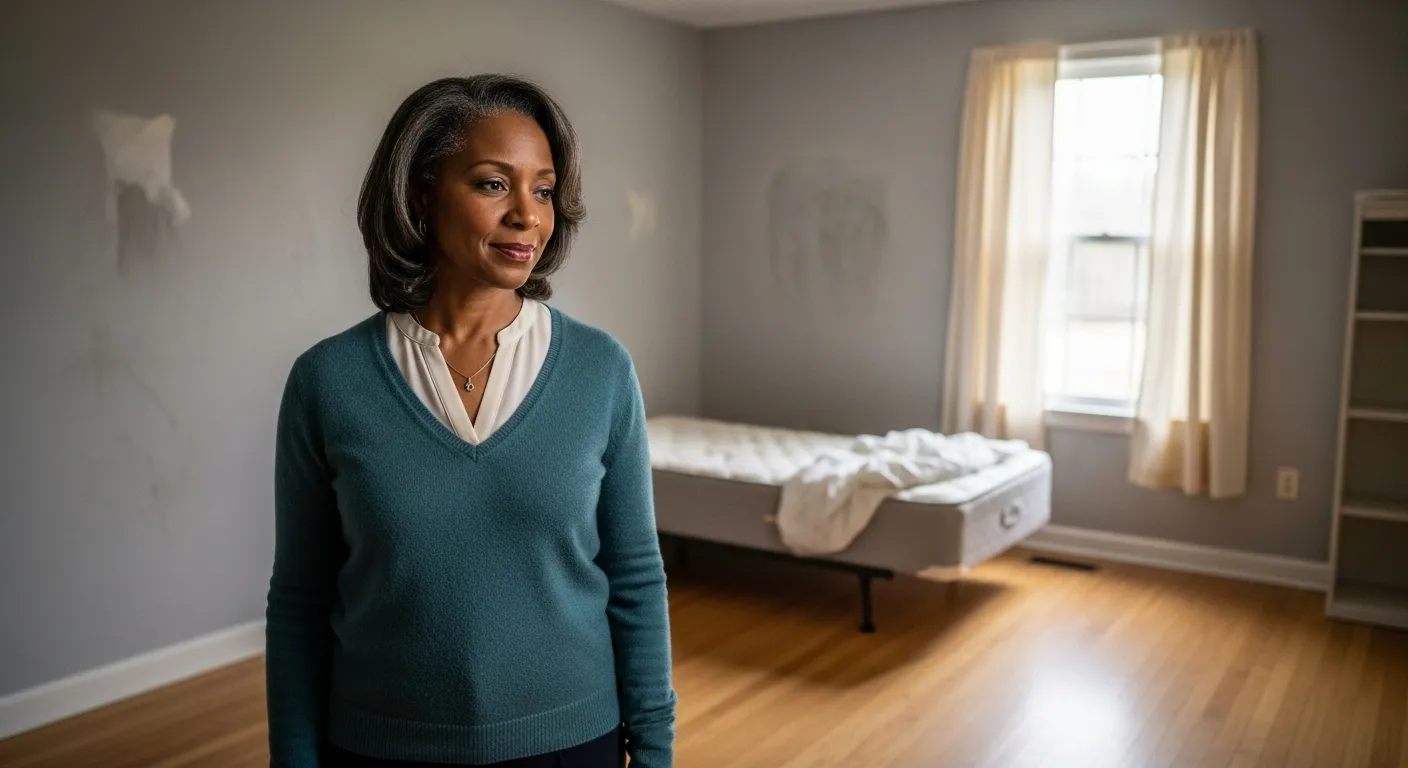
Woman in empty bedroom.

Understanding the Empty Nest: More Than Just a Quiet House

The silence can be the most startling part. The absence of teenage music, the phantom slam of a door, the half-empty refrigerator—these small changes signal a massive shift in your daily reality. But the experience of an empty nest goes far deeper than a change in your home’s soundscape. It’s a profound psychological event that touches every aspect of your life.

For many parents, caregiving becomes a central part of their identity. You were the family manager, the logistics coordinator, the emotional support system, the chief cook, and the head of transportation. When that role dramatically diminishes, it’s natural to ask, “Who am I now?” This loss of purpose can feel destabilizing, leaving you feeling adrift without the familiar anchor of your children’s daily needs.

This is a form of grief. Even though your child’s departure is a positive step toward their independence, it is still a loss. You are losing a particular version of your family life and a role you held for nearly two decades or more. Acknowledging this as a legitimate grief process is the first step toward healing. As the American Psychological Association (APA) often highlights in its resources on life changes, allowing yourself to feel sadness is a crucial part of adapting to new circumstances.

This life transition rarely happens in a vacuum. For many, the empty nest coincides with other major life events: menopause, retirement considerations, or the increasing need to care for aging parents. The convergence of these significant changes can amplify feelings of stress and uncertainty. Your relationship with your partner, which may have revolved around the shared project of raising children, now has the space—and the pressure—to find a new center of gravity.

It’s also valuable to recognize that family norms and expectations vary widely across cultures. In some families, it’s expected for children to live at home until marriage, while in others, independence at eighteen is the goal. There is no right or wrong way. The key is to acknowledge your own cultural background and family values as you navigate this shift, co-creating new traditions that honor both your heritage and your new reality.


Pages: 1 2 3 4 5 6 7 8 9

Share this article

Facebook Twitter Pinterest LinkedIn Email

Leave a Reply Cancel reply

Your email address will not be published. Required fields are marked *

Search

Latest Posts

  • A mixed media collage of an anatomical heart being slowly stained by dark ink, symbolizing the corrosive nature of unspoken resentment. 7 Signs Someone Is Secretly Resentful Toward You
  • A mixed-media collage showing a human silhouette with a fractured internal wooden frame, representing the delicate architecture of trust. 8 Behaviors That Reveal Someone Has Deep Trust Issues
  • An elderly man sits alone at a kitchen table in soft afternoon light while his adult daughter watches from the doorway with concern. Why Some People Become More Difficult With Age—According to Psychologists
  • Conceptual paper-craft illustration of a brain with glowing neural pathways and botanical growth representing cognitive health. The Link Between Physical Activity and Mental Sharpness After 60
  • A senior woman in a sunlit room excitedly examines a green leaf through a magnifying glass, surrounded by plants and gardening tools. Why Seniors Who Stay Curious Live Longer—And How to Cultivate It
  • A man in his 60s working with clay in a pottery studio, symbolizing the transition from a career to a new personal purpose. How to Rebuild Your Identity and Purpose After You Stop Working
  • A single coffee mug on a wooden table next to an empty chair in a sunlit kitchen, representing the quiet of loss. How to Cope with Grief After Losing a Spouse in Retirement
  • An older woman in a knit sweater sits on a porch at dawn, holding a steaming mug and looking thoughtfully at a misty garden. The Power of Gratitude: How Seniors Can Use It to Live Happier Lives
  • A senior woman sits alone on her sofa in warm afternoon light, looking out the window with a pensive and slightly anxious expression. Why Anxiety in Seniors Is Often Overlooked—and How to Get Help
  • 8 Simple Ways to Boost Your Mood Every Day After 60 8 Simple Ways to Boost Your Mood Every Day After 60

Newsletter

Get the latest posts delivered to your inbox.

Related Articles

15 Unmistakable Signs You’re Falling In Love

Everything feels very easy You know you’re in love when you don’t have to force…

Read More →
Freudian slip psychopaths

4 Ways You Unconciously Lived Your Life (Freudian Slips)

What is a Freudian slip? It is a verbal or memory mistake deeply related to…

Read More →

10 Signs You Ought to Say “Yes” to a Second Date

First dates can be very stressful, as you have no idea if you’re going to…

Read More →
Woman relaxing on porch swing

The Science of Happiness: 7 Simple Habits to Boost Your Joy in Retirement

What Science Says About Happiness in Later Life For a long time, many assumed that…

Read More →
toxic self relationship and self love, taking to a narcissist, midlife crisis

Midlife Crisis: 6 Ways Women Can Embrace Change and Thrive

Are you a woman going through a midlife crisis? Then this article is for you!…

Read More →
no

8 Times You Should Say ‘NO’ for a Better Life

1. Toxic people Sometimes toxic people are hard to “filter.” We don’t really know how…

Read More →
Living Alone

6 Smart Tips on Adjusting to Living Alone as a Senior

Advantages Of Aging While Living Alone Growing older without any family members to rely on…

Read More →
habits, relationship breakup

22 Amazing Everyday Habits That Will Help You Look Younger

We wish there would be a magic trick to instantly make you look younger, but…

Read More →

8 Manipulation Tactics Politicians ALWAYS Use

Being a politician and winning an election isn’t meant for everyone. To gain the trust…

Read More →

Psychology Diary

The First Step Toward Change Is Awareness

Inedit Agency S.R.L.
Bucharest, Romania

contact@psychologydiary.com

Explore

  • About Us
  • Advertiser Disclosure
  • Contact Us
  • Disclaimer
  • Do not sell my personal information
  • Editorial Policy
  • Frequently Asked Questions
  • Privacy Policy
  • Terms and Conditions
  • Subscribe
  • Unsubscribe

Categories

  • Expert Tips
  • Family
  • Life
  • Marriage
  • Mental Health

© 2026 Psychology Diary. All rights reserved.