Psychology Diary

The First Step Toward Change Is Awareness

  • Home
  • Relationships
  • Mental Health
  • Expert Tips
  • Life
  • Family
  • Marriage

Empty Nest Syndrome: A Psychologist’s Guide to Thriving in a New Life Chapter

August 31, 2025 · Life

Mother and daughter video chat, smiling.

Building a New Relationship with Your Adult Children

Your role as a parent is not over; it’s evolving. The goal is to transition from being a manager of their daily lives to being a trusted consultant. This requires a conscious shift in your communication style, your expectations, and your boundaries. It’s a delicate dance of staying connected while honoring their growing independence and autonomy.

Establishing New Communication Rhythms

One of the first challenges is figuring out a new cadence for communication. How often is too often to call or text? How much is too little? The answer is different for every family. The best approach is to have an open conversation about it.

You can say something like, “I’m so excited for you, and I want to stay connected without crowding you. What feels like a good rhythm for us? Would a Sunday evening call work well, or do you prefer texting when you have a free moment?” This approach transforms a potential point of conflict into a collaborative discussion. Respect their answer, even if you wish they’d call more often. Forcing contact will likely lead to them pulling away further. Focus on the quality of your connection, not the quantity of your calls.

The Art of “Ask-Before-Advice”

As a parent, you have a wealth of life experience, and your instinct is to solve your child’s problems. However, for a young adult learning to navigate the world, unsolicited advice can feel like a vote of no confidence. It can sound like, “You can’t handle this on your own.”

A simple yet transformative tool is the “ask-before-advice” technique. When your adult child shares a struggle—whether it’s with a difficult roommate, a challenging class, or a workplace issue—your first response should be a question. Try one of these:

“That sounds really tough. Are you looking for advice, or do you just need to vent for a minute?”

“Wow, that’s a lot to deal with. What are your initial thoughts on how to handle it?”

This simple question does three powerful things: it validates their feelings, it communicates your trust in their ability to solve their own problems, and it gives them control over the conversation. More often than not, they just want a compassionate listener. When they do want advice, they will ask for it, and it will be received much more openly.

Setting Boundaries Around Support (Financial and Emotional)

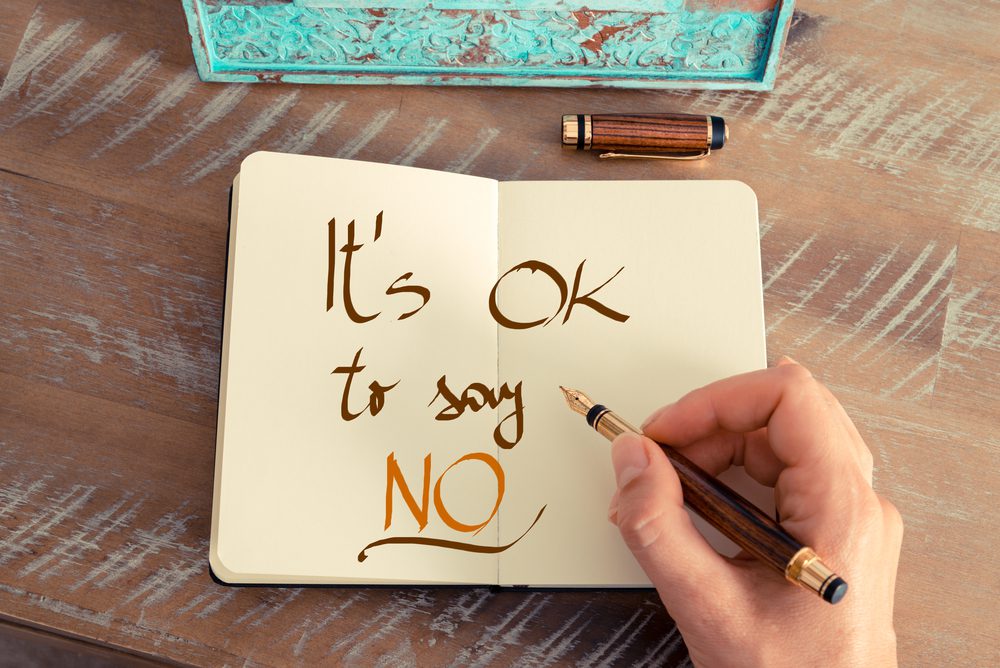
A boundary is not a wall you build to keep people out; it’s a clear line you draw to protect your own well-being and resources. A boundary is a limit you set for yourself (what you will or won’t do), not a rule you impose to control someone else. Clear boundaries are essential for a healthy relationship with adult children, especially around finances.

Offering financial help can be a wonderful gift, but it can create resentment and dependency if the terms are not clear. Before offering support, you and your partner should be aligned on what you can comfortably give without jeopardizing your own financial security, such as retirement savings. Then, communicate that clearly and kindly.

Worked Mini-Example: A Boundary Script for Financial Help

Your son asks for help buying his first used car.

Unclear Boundary: “Sure, we’ll help you out. Let’s see what we can do.” (This creates ambiguity and potential for misunderstanding.)

Clear Boundary with a Consequence: “We would be happy to help you with a car. We’ve discussed it, and we can contribute $3,000 as a gift toward the purchase. We want you to know that’s the firm amount we’re able to give, so you’ll need to budget and plan for any costs beyond that. We’re excited to see what you find in your price range!”

This statement is loving, clear, and empowering. It defines your limit (what you will do) and communicates the natural consequence (he is responsible for the rest) without shame or blame.


Pages: 1 2 3 4 5 6 7 8 9

Share this article

Facebook Twitter Pinterest LinkedIn Email

Leave a Reply Cancel reply

Your email address will not be published. Required fields are marked *

Search

Latest Posts

  • A conceptual illustration showing a father and daughter separated by a deep chasm in the floor of their dining room. 10 Habits That Push People Away (Your Children Too)
  • A conceptual collage of a head silhouette filled with shattered mirrors and warped photos, symbolizing reality distortion. 8 Ways People Distort Reality
  • An elderly woman sits alone at a dining table in soft afternoon light, looking down at a tea cup in a quiet, nostalgic home setting. 9 Emotional Wounds Adult Children Simply Don’t Realize They’re Inflicting On Their Parents
  • A mixed-media collage of a fragmented silhouette head with an anchor being cut, symbolizing the loss of one's grip on reality. 10 Signs Someone Is Trying to Distort Your Reality
  • A mixed media collage of a beautiful white flower with hidden barbed wire roots and thorny stems on a textured vintage paper background. 8 Behaviors That Reveal Hidden Toxicity
  • A candid photo of a couple in a dim living room, showing a sense of emotional distance and unspoken tension. 10 Traits That May Reveal Covert Narcissism
  • A couple sits on a sofa in a dimly lit room, one person looking at a phone while the other looks away, capturing a moment of secrecy. 8 Signs Someone May Be Hiding More Than They Admit
  • An ink and watercolor illustration of a human head cracking like stone, with golden light leaking through the fissures. 11 Small Clues That Can Expose a Lie
  • An abstract editorial illustration of a silhouette with a tangled nest of lines inside its head, symbolizing mental confusion. 8 Warning Signs Someone May Be Playing Mind Games
  • A mixed media collage of a silhouette filled with torn paper and translucent layers, symbolizing the invisible nature of emotional neglect. 10 Traits of People Emotionally Neglected as Kids

Newsletter

Get the latest posts delivered to your inbox.

Related Articles

habits, relationship breakup

22 Amazing Everyday Habits That Will Help You Look Younger

We wish there would be a magic trick to instantly make you look younger, but…

Read More →

10 Signs You Ought to Say “Yes” to a Second Date

First dates can be very stressful, as you have no idea if you’re going to…

Read More →
True Crime

7 Psychological Reasons We Love True Crime Shows

Can there be a psychological reason you love true crime so much? From sneaking in…

Read More →
attractive

11 Major Turn-Offs That Can Make You Less Attractive, According to Science

Making a good impression is not always easy, as there are a lot of factors…

Read More →
Kamala Harris's personality

Kamala Harris’ Personality: Psychology Rank Her Presidential Skills

Kamala Harris already made history as a political figure. What are her presidential skills according…

Read More →
Freudian slip psychopaths

4 Ways You Unconciously Lived Your Life (Freudian Slips)

What is a Freudian slip? It is a verbal or memory mistake deeply related to…

Read More →
fake people, mind games

Watch Out! 8 Shocking Habits That Fake People Share

Watch out! There are many fake people out there and you need to protect your…

Read More →

Empty Nest: 24 Surprising Things No One Tells You About It

Did you think about how you will cope with having an empty nest? Parents adore…

Read More →

15 Unmistakable Signs You’re Falling In Love

You no longer think about your ex Remember that ex you used to be stuck…

Read More →

Psychology Diary

The First Step Toward Change Is Awareness

Inedit Agency S.R.L.
Bucharest, Romania

contact@psychologydiary.com

Explore

  • About Us
  • Advertiser Disclosure
  • Contact Us
  • Disclaimer
  • Do not sell my personal information
  • Editorial Policy
  • Frequently Asked Questions
  • Privacy Policy
  • Terms and Conditions
  • Subscribe
  • Unsubscribe

Categories

  • Expert Tips
  • Family
  • Life
  • Marriage
  • Mental Health

© 2026 Psychology Diary. All rights reserved.