Psychology Diary

The First Step Toward Change Is Awareness

  • Home
  • Relationships
  • Mental Health
  • Expert Tips
  • Life
  • Family
  • Marriage

The Power of Forgiveness: How Letting Go Can Improve Your Mental Health

August 31, 2025 · Mental Health

Smiling older friends enjoy a meal together outdoors, symbolizing reconciliation.

The Psychological Benefits of Forgiving Someone

The decision to forgive is more than just an emotional or philosophical choice; it has profound and measurable effects on your mental and physical health. Decades of research have shown that learning how to practice forgiveness is strongly linked to greater mental wellness. When you release chronic anger and resentment, you free up psychological resources that can be used to build a more fulfilling life.

Chronic anger acts like a low-grade stress response, keeping your body in a constant state of “fight or flight.” This state is characterized by the release of stress hormones like cortisol. Over time, elevated cortisol can contribute to a host of health problems, including anxiety, depression, sleep disturbances, and even heart issues. Forgiveness helps to turn down this internal alarm system.

Studies highlighted by organizations like the American Psychological Association (APA) show a clear connection between forgiveness and well-being. People who have a higher disposition toward forgiveness tend to report fewer symptoms of depression and anxiety. They experience less stress and hostility, which contributes to a more stable and positive mood. Letting go of old hurts can reduce feelings of helplessness and victimhood, replacing them with a sense of personal agency and control.

The benefits extend to your social world as well. While forgiveness doesn’t require reconciliation, it does improve your capacity for healthy relationships in general. When you’re not weighed down by past grievances, you are more open to connection, empathy, and trust with others. It can mend relationships that are important to you and allow you to enter new ones with a more open heart.

Furthermore, the mental energy once consumed by replaying past hurts and planning imaginary confrontations is liberated. This newfound energy can be redirected toward positive, life-affirming activities. You may find you have more motivation for hobbies, more patience with loved ones, and a greater overall sense of hope for the future. Even sleep can improve, as ruminating on resentments is a common cause of late-night tossing and turning.


Pages: 1 2 3 4 5 6 7 8 9 10

Share this article

Facebook Twitter Pinterest LinkedIn Email

Leave a Reply Cancel reply

Your email address will not be published. Required fields are marked *

Search

Latest Posts

  • An unposed photo of a man sitting at a kitchen table looking slightly guarded during a quiet, intimate conversation. 8 Body Language Clusters That Indicate Someone Is Holding Back the Truth
  • An ink and watercolor illustration of a morning coffee cup on a wooden table with a gentle ripple, symbolizing subtle early changes. 7 Subtle Signs of Parkinson's Disease in the Early Stages
  • An editorial illustration of a silhouette standing on a fractured path, with a hand gently unravelling a thread from its shoulder. 8 Hidden Signs of Emotional Manipulation in a Relationship
  • Gouache illustration of a couple walking hand-in-hand through a vibrant landscape of overlapping colorful plants and abstract shapes. The 5 Love Languages Revisited: What Really Keeps Couples Close
  • A watercolor illustration of two people on an uneven seesaw, symbolizing a lopsided, selfish relationship dynamic. 10 Signs Someone May Be More Selfish Than They Realize
  • An editorial ink and watercolor illustration of a lonely figure fading into soft gray washes, symbolizing emotional vulnerability. 10 Warning Signs You May Be in an Emotionally Abusive Relationship
  • A couple sits on opposite ends of a long sofa in a dimly lit living room, staring away from each other with a large physical gap between the 10 Signs You're No Longer Connected to Your Partner
  • Editorial ink and watercolor illustration of a person wearing a suit of mirrors as protective armor, symbolizing defensive ego preservation. 9 Signs You Struggle to Admit Mistakes
  • A conceptual mixed-media collage showing dark, chaotic textures emerging from a clean paper silhouette, symbolizing hidden guilt leaking out 7 Signs Someone May Feel Guilty About Something
  • An editorial illustration of a person sitting at a table with a root system growing from their chair into the floorboards. The Mental Symptoms Many People Ignore Until It's Too Late

Newsletter

Get the latest posts delivered to your inbox.

Related Articles

Social media is harming your mental health

5 Signs Social Media is Harming Your Mental Health

Social media is harming your mental health more than anything else! See how you can…

Read More →

Misdiagnosed Mental Illnesses: 4 Shocking Ones Commonly Overlooked

Are Depressive Episodes Related to Bipolar Disorder? Depressive episodes are characterized by the inability to…

Read More →
antidepressants

6 Natural Antidepressants That Might Help With Depression

Did you know that there are a lot of natural antidepressants that could improve your…

Read More →
adhd burnout

ADHD Burnout: What Is It and Do You Have It?

Have you ever heard of ADHD burnout? While we have all heard about ADHD and…

Read More →
depression

5 “Normal” Things That Are Actually Depression

Are you doing these things? It might be depression! The World Health Organization (WHO) estimates…

Read More →
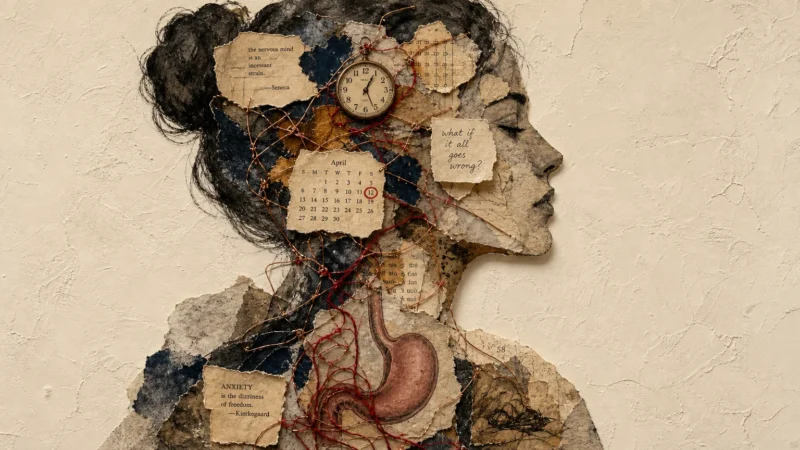
An artistic mixed-media collage silhouette of a person filled with tangled threads, a clock dial, and watercolor shapes on textured paper.

9 Everyday Symptoms That May Be Linked to Anxiety

Discover the hidden, everyday signs of an anxiety disorder—from chronic procrastination to digestive distress—and learn…

Read More →
midlife crisis

7 Alarming Signs You’re Going Through a Midlife Crisis

What is a midlife crisis, and how can you manage it?  You get to “that…

Read More →
sabotage yourself

6 Terrible Ways You Sabotage Yourself (and How to Stop It)

Do you sabotage yourself? See here what it means and why it happens to so…

Read More →
Parkinson's

Parkinson’s Disease: 8 Early Warning Signs to Look For

Knowing the early signs of Parkinson’s disease is beneficial, so you know what to look…

Read More →

Psychology Diary

The First Step Toward Change Is Awareness

Inedit Agency S.R.L.
Bucharest, Romania

contact@psychologydiary.com

Explore

  • About Us
  • Advertiser Disclosure
  • Contact Us
  • Disclaimer
  • Do not sell my personal information
  • Editorial Policy
  • Frequently Asked Questions
  • Privacy Policy
  • Terms and Conditions
  • Subscribe
  • Unsubscribe

Categories

  • Expert Tips
  • Family
  • Life
  • Marriage
  • Mental Health

© 2026 Psychology Diary. All rights reserved.