
Psychology Diary

The First Step Toward Change Is Awareness

  • Home
  • Relationships
  • Mental Health
  • Expert Tips
  • Life
  • Family
  • Marriage

The Power of Forgiveness: How Letting Go Can Improve Your Mental Health

August 31, 2025 · Mental Health

Man talking to a therapist, receiving support.

When to Seek Professional Support

While the self-help strategies in this article can be very effective, there are times when the weight of a past hurt is too heavy to carry alone. Seeking professional support is a sign of strength and self-awareness. A qualified mental health professional can provide a safe, nonjudgmental space to process your experiences and guide you through the healing process.

Consider seeking help if you notice the following:

  • The anger or resentment is consuming your thoughts and interfering with your daily life, work, or relationships.
  • You are experiencing persistent symptoms of depression, such as low mood, loss of interest in activities, or changes in sleep or appetite.
  • You are struggling with significant anxiety, panic attacks, or intrusive memories related to the event.
  • The hurt is linked to a traumatic experience, such as physical, emotional, or sexual abuse.
  • You have thoughts of harming yourself or someone else. This is a sign to seek immediate help.

What Can Therapy Offer?

Therapy provides structured, evidence-based approaches to help you navigate forgiveness and healing. A therapist will not force you to forgive but will help you explore your feelings and develop coping skills. Some helpful types of therapy include:

Cognitive Behavioral Therapy (CBT): This approach helps you identify, challenge, and reframe the unhelpful thought patterns and beliefs that keep you stuck in anger and resentment, similar to the thought record exercise.

Acceptance and Commitment Therapy (ACT): ACT focuses on helping you accept painful feelings without letting them control you. It guides you toward committing to actions that are aligned with your personal values, even in the presence of difficult emotions.

Trauma-Informed Care: If the wound is rooted in trauma, it is essential to work with a therapist who is trained in this area. They use specialized techniques to help you process the traumatic memory safely and reduce its ongoing impact on your life.

How to Start the Conversation

Taking the first step can feel daunting. A great place to start is with your primary care doctor. They are a confidential resource and can screen for underlying health issues and provide a referral to a mental health specialist. You could say something as simple as, “I’ve been carrying a lot of stress from a past event, and it’s affecting my mood and my sleep. I’d like to talk about options for support.”

For many, especially older adults or those with mobility issues, telehealth has become an excellent option. It allows you to have therapy sessions from the comfort of your own home. If you’re new to technology, ask a trusted family member or friend to help you with the initial setup. Most platforms are designed to be user-friendly.

You can find qualified providers and valuable information through reputable organizations like the National Institute of Mental Health (NIMH) and websites like MentalHealth.gov.

Pages: 1 2 3 4 5 6 7 8 9 10

Share this article

Facebook Twitter Pinterest LinkedIn Email

Leave a Reply Cancel reply

Your email address will not be published. Required fields are marked *

Search

Latest Posts

  • An editorial ink and watercolor illustration of a lonely figure fading into soft gray washes, symbolizing emotional vulnerability. 10 Warning Signs You May Be in an Emotionally Abusive Relationship
  • A couple sits on opposite ends of a long sofa in a dimly lit living room, staring away from each other with a large physical gap between the 10 Signs You're No Longer Connected to Your Partner
  • Editorial ink and watercolor illustration of a person wearing a suit of mirrors as protective armor, symbolizing defensive ego preservation. 9 Signs You Struggle to Admit Mistakes
  • A conceptual mixed-media collage showing dark, chaotic textures emerging from a clean paper silhouette, symbolizing hidden guilt leaking out 7 Signs Someone May Feel Guilty About Something
  • An editorial illustration of a person sitting at a table with a root system growing from their chair into the floorboards. The Mental Symptoms Many People Ignore Until It's Too Late
  • An editorial watercolor illustration of two people sitting at an impossibly long dining table, symbolizing emotional distance. 10 Behaviors That Can Push People Away
  • A grandfather and granddaughter sitting on a wooden dock at sunset, sharing a quiet moment looking into the water. The Unexpected Health Benefits of Spending Time With Grandchildren
  • An editorial gouache illustration of an anonymous leader's profile silhouette filled with abstract patterns, representing public perception. The Psychology of Donald Trump: Traits, Behaviors, and Public Perception
  • An artistic mixed-media collage silhouette of a person filled with tangled threads, a clock dial, and watercolor shapes on textured paper. 9 Everyday Symptoms That May Be Linked to Anxiety
  • Lonely1, feel depression 10 Therapist-Approved Tips for When You're Feeling Lonely

Newsletter

Get the latest posts delivered to your inbox.

Related Articles

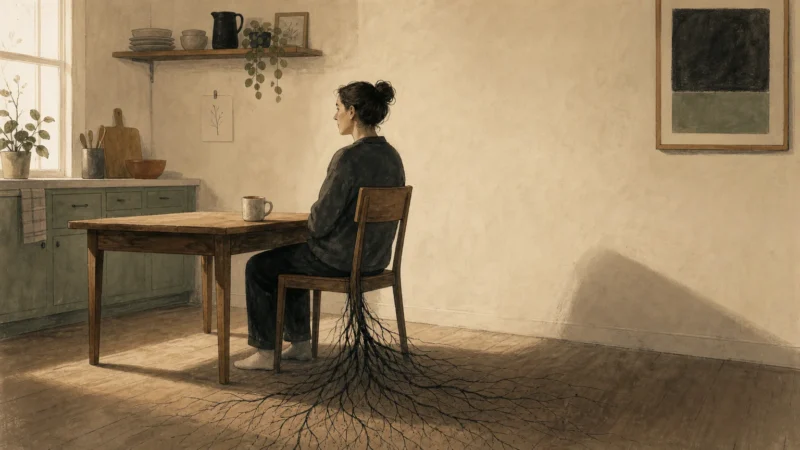
An editorial illustration of a person sitting at a table with a root system growing from their chair into the floorboards.

The Mental Symptoms Many People Ignore Until It’s Too Late

Discover the hidden physical, cognitive, and emotional warning signs of mental exhaustion and learn practical…

Read More →
memory

Forgot Something? Don’t Worry – These 7 Memory Problems Are Normal

Sometimes, we all forget things. Maybe you need to find your keys or remember the…

Read More →
dementia myth

7 Worst Types of Dementia and How to Identify Yours

…Are you scared of dementia? According to research, dementia is one of the most prevalent…

Read More →
A senior woman in a sunlit room excitedly examines a green leaf through a magnifying glass, surrounded by plants and gardening tools.

Why Seniors Who Stay Curious Live Longer—And How to Cultivate It

Discover the psychological and neurological reasons why staying curious helps older adults live longer, along…

Read More →
antidepressants

6 Natural Antidepressants That Might Help With Depression

Did you know that there are a lot of natural antidepressants that could improve your…

Read More →
Dementia vs. Schizophrenia adult

Is It Schizophrenia or Dementia? 5 Signs Explained

Do you feel more forgetful or confused lately? You may deal with Schizophrenia or Dementia!…

Read More →
pet

6 Amazing Mental Health Benefits of Having a Pet

Providing companionship If you’re not sure whether you want to adopt a dog or a…

Read More →
Social media is harming your mental health

5 Signs Social Media is Harming Your Mental Health

Social media is harming your mental health more than anything else! See how you can…

Read More →
how to stop catastrophizing

5 Tips to Help You Stop Catastrophizing

Do you want to know how to stop catastrophizing? This can be a really helpful…

Read More →

Psychology Diary

The First Step Toward Change Is Awareness

Inedit Agency S.R.L.
Bucharest, Romania

contact@psychologydiary.com

Explore

  • About Us
  • Advertiser Disclosure
  • Contact Us
  • Disclaimer
  • Do not sell my personal information
  • Editorial Policy
  • Frequently Asked Questions
  • Privacy Policy
  • Terms and Conditions
  • Subscribe
  • Unsubscribe

Categories

  • Expert Tips
  • Family
  • Life
  • Marriage
  • Mental Health

© 2026 Psychology Diary. All rights reserved.