Psychology Diary

The First Step Toward Change Is Awareness

  • Home
  • Relationships
  • Mental Health
  • Expert Tips
  • Life
  • Family
  • Marriage

The Surprising Link Between Gut Health and Your Mood

August 31, 2025 · Mental Health

Friends enjoying a meal together in a bright kitchen.

What Is the Gut-Brain Axis?

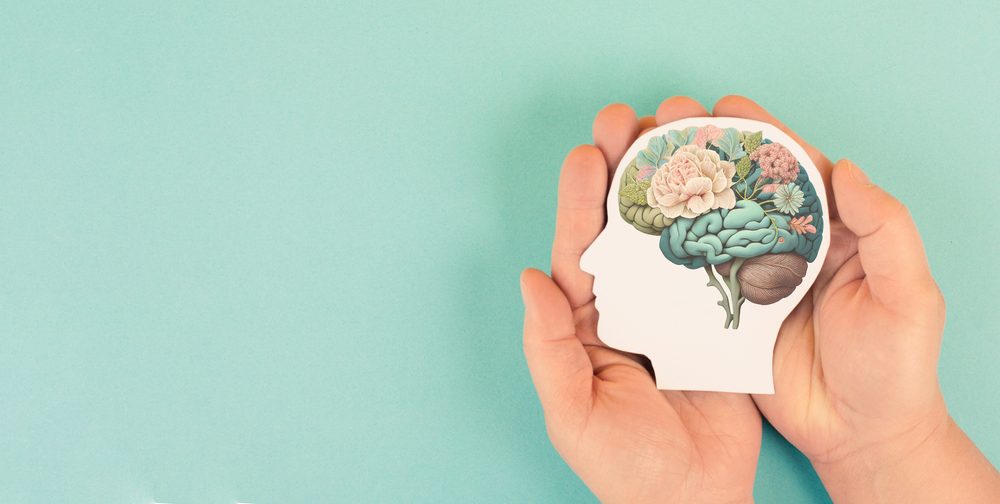
At its core, the gut-brain axis is a two-way communication network that connects your brain and your gut. Think of it as a biological superhighway, constantly sending messages back and forth. This highway is made up of nerves, hormones, and chemical signals that allow your brain to influence your gut (like when stress causes an upset stomach) and, just as importantly, for your gut to influence your brain.

The main physical connection in this network is the vagus nerve, a long, wandering nerve that extends from the brainstem down to the abdomen. But the communication isn’t just happening along this nerve. It’s also happening through the incredible world of your gut microbiome.

Your gut microbiome is the name for the trillions of microorganisms—bacteria, viruses, and fungi—that live in your digestive tract. For a long time, we thought of these microbes as just passive helpers in digestion. We now know they are a dynamic, living ecosystem that acts almost like another organ in your body. This ecosystem is crucial for your health, and it plays a major role in your mood.

How? These tiny organisms are chemical factories. They help produce hundreds of neurochemicals that the brain uses to regulate basic physiological processes as well as mental processes like learning, memory, and mood. For instance, you might be surprised to learn that a large portion—some estimates say up to 95%—of your body’s serotonin is produced in your gut. Serotonin is often called the “feel-good” chemical because it contributes to feelings of well-being and happiness. Low levels of serotonin are commonly associated with depression and anxiety.

When your gut microbiome is balanced and diverse, with plenty of beneficial bacteria, it functions like a well-oiled machine, producing the chemicals that help your brain feel calm and stable. But when this ecosystem gets out of balance—a state called “dysbiosis”—it can lead to problems. An imbalance of gut microbes can contribute to inflammation. This isn’t just localized inflammation in your gut; it can become systemic, affecting your entire body, including your brain. Chronic, low-grade inflammation is now understood to be a significant contributing factor in the development of depression and other mood disorders.

So, when we talk about the gut-brain axis, we’re talking about a constant conversation between your brain, your digestive tract, and the trillions of tiny allies living inside you. Nurturing that conversation is a powerful step toward better mental health.

Pages: 1 2 3 4 5 6 7 8

Share this article

Facebook Twitter Pinterest LinkedIn Email

Leave a Reply Cancel reply

Your email address will not be published. Required fields are marked *

Search

Latest Posts

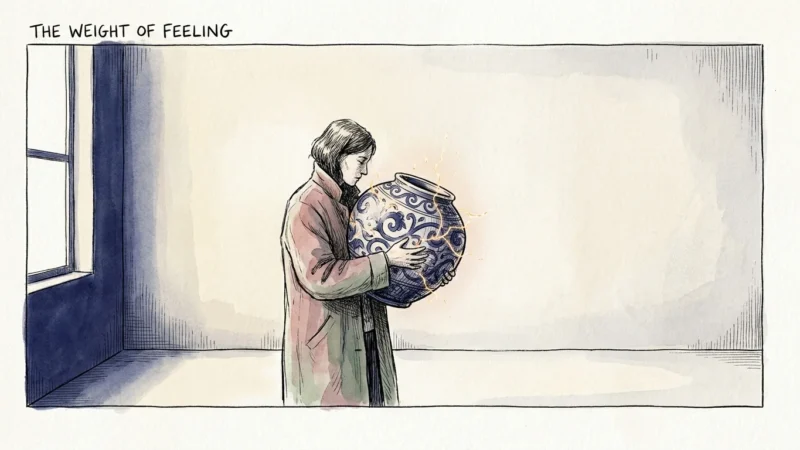
  • An ink and watercolor illustration of a person holding a large ceramic vase with glowing gold cracks, symbolizing hidden internal pressure. The Psychology of the Person Who Is Always Fine Until They Absolutely Aren't
  • A woman sits in a sunlit home library, looking thoughtfully out a window with an open book on her lap. 12 Signs of a High IQ
  • A candid photograph of a tense moment between a couple in a sunlit kitchen, one partner looking exhausted while the other looks away. 8 Traits of Someone Who Always Has to Be Right
  • A conceptual paper collage portrait made of torn fragments representing a fragmented digital identity with blue screen patterns. 10 Clues Someone Has a False Online Identity
  • A conceptual mixed media collage showing a silhouette with a peeling mask, revealing a deep indigo inner layer. 8 Trauma Responses That Get Mistaken for Personality Traits
  • A conceptual watercolor illustration of a senior's silhouette in soft blue, with a glowing gold ink pathway symbolizing an awakening virus. 6 Early Signs of Shingles Seniors Should Never Ignore
  • An illustration of a person on a ledge reaching for a fragile golden thread emerging from a glowing smartphone screen. 10 Clear Signs Your Partner Is Only Feeding You Breadcrumbs
  • An editorial illustration of a senior man in an armchair while his partner speaks from a distance, with her voice fading as watercolor mist. 7 Early Warning Signs of Hearing Loss That Seniors Often Dismiss as Normal Aging
  • An unposed photo of a man sitting at a kitchen table looking slightly guarded during a quiet, intimate conversation. 8 Body Language Clusters That Indicate Someone Is Holding Back the Truth
  • An ink and watercolor illustration of a morning coffee cup on a wooden table with a gentle ripple, symbolizing subtle early changes. 7 Subtle Signs of Parkinson's Disease in the Early Stages

Newsletter

Get the latest posts delivered to your inbox.

Related Articles

triggers

13 Dangerous Psychological Triggers and How to Overcome Them

Triggers are natural sensory reminders that might cause painful memories or some symptoms to resurface.…

Read More →
OCD, mental health

People with OCD Usually Share These 8 Strange Traits

1. Fear of emotional contamination If you have OCD, you will have a tremendous fear…

Read More →
An ink and watercolor illustration of a person holding a large ceramic vase with glowing gold cracks, symbolizing hidden internal pressure.

The Psychology of the Person Who Is Always Fine Until They Absolutely Aren’t

Explore the psychology of hyper-independence, understand the hidden physical toll of emotional suppression, and learn…

Read More →
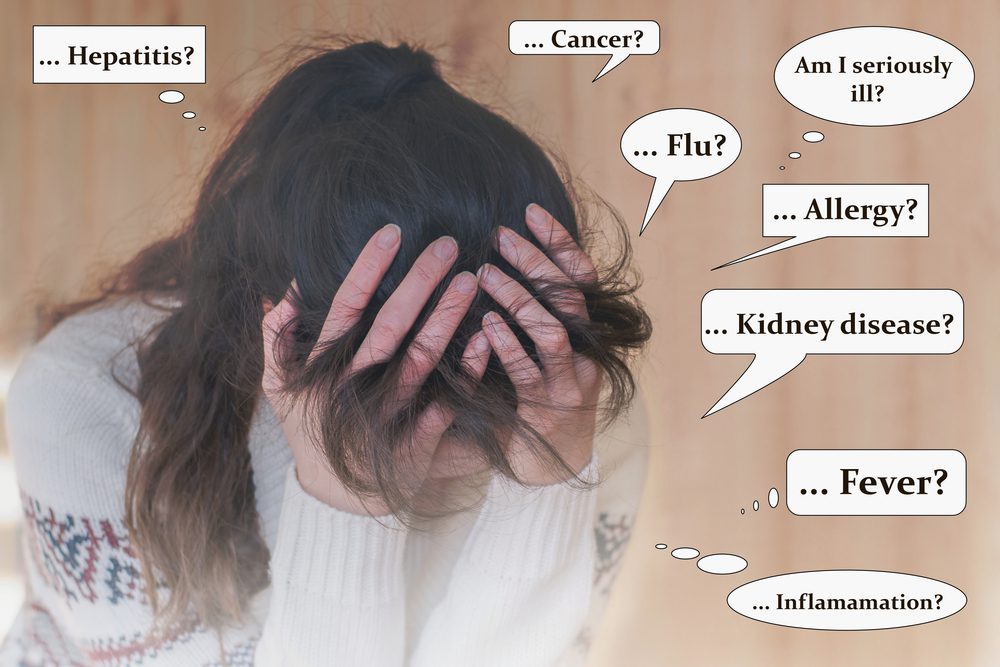
cope with health anxiety

Hypochondria: 7 Tips on How to Cope With Health Anxiety

1. Be mindful of the present moment One of the first things you can do…

Read More →
Aging

5 Negative Ways Aging Seriously Impacts a Senior’s Mental Health

Risk Factors In Aging Adults A mental health condition isn’t simply the result of one…

Read More →
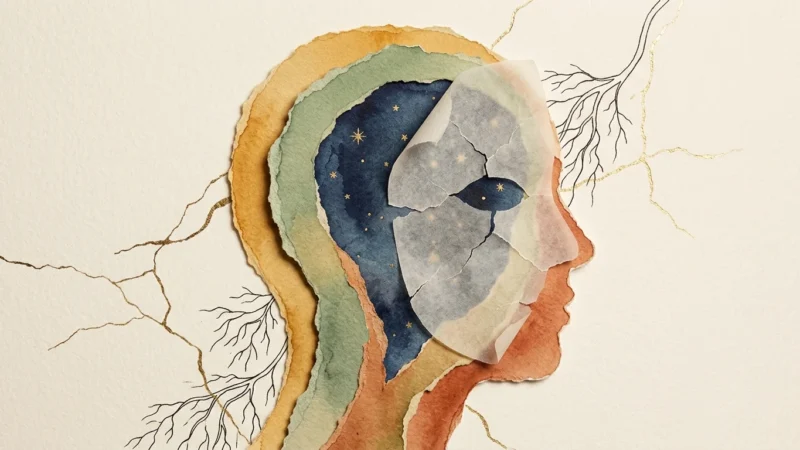
A conceptual mixed media collage showing a silhouette with a peeling mask, revealing a deep indigo inner layer.

8 Trauma Responses That Get Mistaken for Personality Traits

Learn how to identify eight common trauma responses—from people-pleasing to hyper-independence—that are frequently mistaken for…

Read More →
Mental Health Disorder

4 Scary Mental Health Disorders Doctors Sometimes Misdiagnose

What Are The Most Commonly MIS-Diagnosed Mental Health Disorders? Until fairly recently, those who were…

Read More →
A senior woman sits alone on her sofa in warm afternoon light, looking out the window with a pensive and slightly anxious expression.

Why Anxiety in Seniors Is Often Overlooked—and How to Get Help

Discover why anxiety in older adults is frequently overlooked, learn to recognize the physical signs,…

Read More →
True Crime

9 Reasons Why We Like True Crime

Isn’t it crazy that we love true crime? Why do life-threatening situations entertain us? We…

Read More →

Psychology Diary

The First Step Toward Change Is Awareness

Inedit Agency S.R.L.
Bucharest, Romania

contact@psychologydiary.com

Explore

  • About Us
  • Advertiser Disclosure
  • Contact Us
  • Disclaimer
  • Do not sell my personal information
  • Editorial Policy
  • Frequently Asked Questions
  • Privacy Policy
  • Terms and Conditions
  • Subscribe
  • Unsubscribe

Categories

  • Expert Tips
  • Family
  • Life
  • Marriage
  • Mental Health

© 2026 Psychology Diary. All rights reserved.