Psychology Diary

The First Step Toward Change Is Awareness

  • Home
  • Relationships
  • Mental Health
  • Expert Tips
  • Life
  • Family
  • Marriage

The Surprising Link Between Gut Health and Your Mood

August 31, 2025 · Mental Health

Woman preparing a healthy meal in her kitchen.

Frequently Asked Questions (FAQs)

It’s natural to have questions as you explore the connection between your gut and your mood. Here are answers to some of the most common ones.

How long does it take to see mood improvements from changing my diet?

This is a very common and important question. It’s crucial to set realistic expectations. Improving your gut health is a marathon, not a sprint. Unlike a medication that might have a noticeable effect within a few weeks, the benefits of dietary changes on mood are often more subtle and gradual. Some people report feeling more energy or mental clarity within two to four weeks of consistent changes. For others, it may take a few months to notice a significant shift in mood. The key is consistency. These are long-term lifestyle habits, not a quick fix. Be patient and compassionate with yourself.

Do I need to take a probiotic supplement?

The supplement aisle can be confusing. While probiotic supplements can be helpful for some people in specific situations, they are not a magic bullet. The supplement industry is not tightly regulated, and the quality and effectiveness of products can vary dramatically. For most people, focusing on getting probiotics from whole food sources like yogurt, kefir, and other fermented foods is the best place to start. These foods provide a variety of bacterial strains along with other valuable nutrients. If you are considering a supplement, it is a great idea to discuss it with your doctor or a registered dietitian who can recommend a quality product that is appropriate for your individual health needs.

Can stress really cause my stomach problems?

Yes, absolutely. The link between stress and digestive upset is very real and very powerful. When your body enters its “fight-or-flight” stress response, it diverts resources like blood flow away from processes it deems non-essential for immediate survival, including digestion. This can slow down or disrupt normal gut function, leading to symptoms like cramping, bloating, diarrhea, or constipation. This is a direct, physiological manifestation of the gut-brain axis at work. Managing your stress is a direct way of caring for your gut.

What’s one small change I can make today?

The best change is one you will actually do. Don’t try to overhaul everything at once. Pick one, tiny, achievable goal. For example: “Today, I will add one serving of a colorful vegetable to my dinner,” or “I will take a 10-minute walk after lunch,” or “I will drink one extra glass of water this afternoon.” Success with a small goal builds momentum and confidence, making it easier to add another small change next week. Start small and build from there.


Pages: 1 2 3 4 5 6 7 8

Share this article

Facebook Twitter Pinterest LinkedIn Email

Leave a Reply Cancel reply

Your email address will not be published. Required fields are marked *

Search

Latest Posts

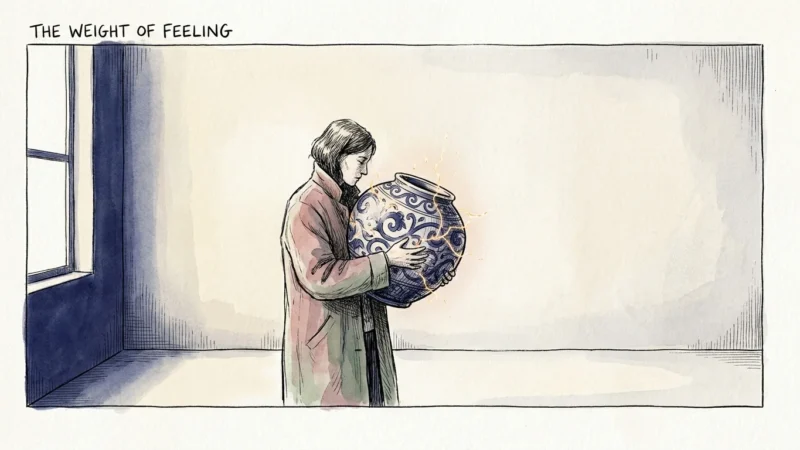
  • An ink and watercolor illustration of a person holding a large ceramic vase with glowing gold cracks, symbolizing hidden internal pressure. The Psychology of the Person Who Is Always Fine Until They Absolutely Aren't
  • A woman sits in a sunlit home library, looking thoughtfully out a window with an open book on her lap. 12 Signs of a High IQ
  • A candid photograph of a tense moment between a couple in a sunlit kitchen, one partner looking exhausted while the other looks away. 8 Traits of Someone Who Always Has to Be Right
  • A conceptual paper collage portrait made of torn fragments representing a fragmented digital identity with blue screen patterns. 10 Clues Someone Has a False Online Identity
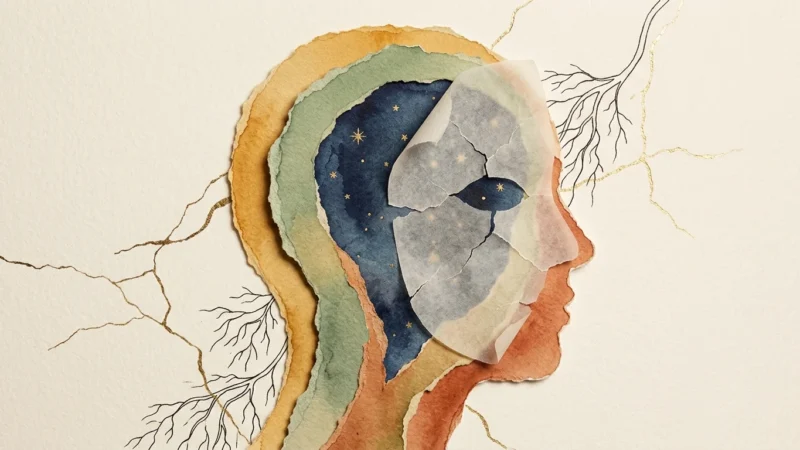
  • A conceptual mixed media collage showing a silhouette with a peeling mask, revealing a deep indigo inner layer. 8 Trauma Responses That Get Mistaken for Personality Traits
  • A conceptual watercolor illustration of a senior's silhouette in soft blue, with a glowing gold ink pathway symbolizing an awakening virus. 6 Early Signs of Shingles Seniors Should Never Ignore
  • An illustration of a person on a ledge reaching for a fragile golden thread emerging from a glowing smartphone screen. 10 Clear Signs Your Partner Is Only Feeding You Breadcrumbs
  • An editorial illustration of a senior man in an armchair while his partner speaks from a distance, with her voice fading as watercolor mist. 7 Early Warning Signs of Hearing Loss That Seniors Often Dismiss as Normal Aging
  • An unposed photo of a man sitting at a kitchen table looking slightly guarded during a quiet, intimate conversation. 8 Body Language Clusters That Indicate Someone Is Holding Back the Truth
  • An ink and watercolor illustration of a morning coffee cup on a wooden table with a gentle ripple, symbolizing subtle early changes. 7 Subtle Signs of Parkinson's Disease in the Early Stages

Newsletter

Get the latest posts delivered to your inbox.

Related Articles

triggers

13 Dangerous Psychological Triggers and How to Overcome Them

Triggers are natural sensory reminders that might cause painful memories or some symptoms to resurface.…

Read More →
OCD, mental health

People with OCD Usually Share These 8 Strange Traits

8. Excessively seeking reassurance Even if there is nothing wrong with reassurance, we do need…

Read More →
An ink and watercolor illustration of a person holding a large ceramic vase with glowing gold cracks, symbolizing hidden internal pressure.

The Psychology of the Person Who Is Always Fine Until They Absolutely Aren’t

Explore the psychology of hyper-independence, understand the hidden physical toll of emotional suppression, and learn…

Read More →
cope with health anxiety

Hypochondria: 7 Tips on How to Cope With Health Anxiety

6. Find a doctor who understands you This is something that can help you a…

Read More →
Aging

5 Negative Ways Aging Seriously Impacts a Senior’s Mental Health

Grief And Loss Your aging loved one has to face the fact that the longer…

Read More →
A conceptual mixed media collage showing a silhouette with a peeling mask, revealing a deep indigo inner layer.

8 Trauma Responses That Get Mistaken for Personality Traits

Learn how to identify eight common trauma responses—from people-pleasing to hyper-independence—that are frequently mistaken for…

Read More →
Mental Health Disorder

4 Scary Mental Health Disorders Doctors Sometimes Misdiagnose

What Are The Most Commonly MIS-Diagnosed Mental Health Disorders? Until fairly recently, those who were…

Read More →
A senior woman sits alone on her sofa in warm afternoon light, looking out the window with a pensive and slightly anxious expression.

Why Anxiety in Seniors Is Often Overlooked—and How to Get Help

Discover why anxiety in older adults is frequently overlooked, learn to recognize the physical signs,…

Read More →
True Crime

9 Reasons Why We Like True Crime

Isn’t it crazy that we love true crime? Why do life-threatening situations entertain us? We…

Read More →

Psychology Diary

The First Step Toward Change Is Awareness

Inedit Agency S.R.L.
Bucharest, Romania

contact@psychologydiary.com

Explore

  • About Us
  • Advertiser Disclosure
  • Contact Us
  • Disclaimer
  • Do not sell my personal information
  • Editorial Policy
  • Frequently Asked Questions
  • Privacy Policy
  • Terms and Conditions
  • Subscribe
  • Unsubscribe

Categories

  • Expert Tips
  • Family
  • Life
  • Marriage
  • Mental Health

© 2026 Psychology Diary. All rights reserved.