
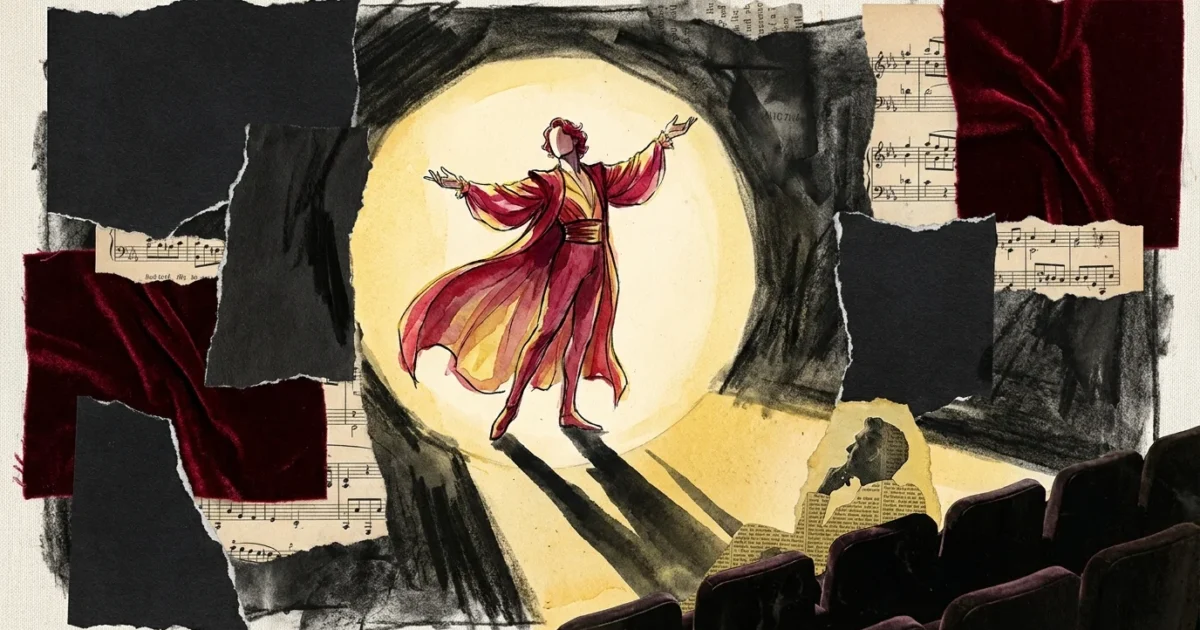
You notice the shift the moment others enter the room. When it is just you two, your partner feels distant, distracted, or checked out. But add an audience—friends or strangers on social media—and they transform into the most charismatic person alive. This shift often leaves you wondering if their affection is genuine or part of a performance. When someone loves the spotlight more than they love you, the relationship stops being a partnership and becomes a one-person show where you simply play a supporting role. Recognizing this dynamic is the first step toward reclaiming your emotional energy and determining whether this relationship can meet your need for authentic connection.
The Psychology Behind the Need for an Audience
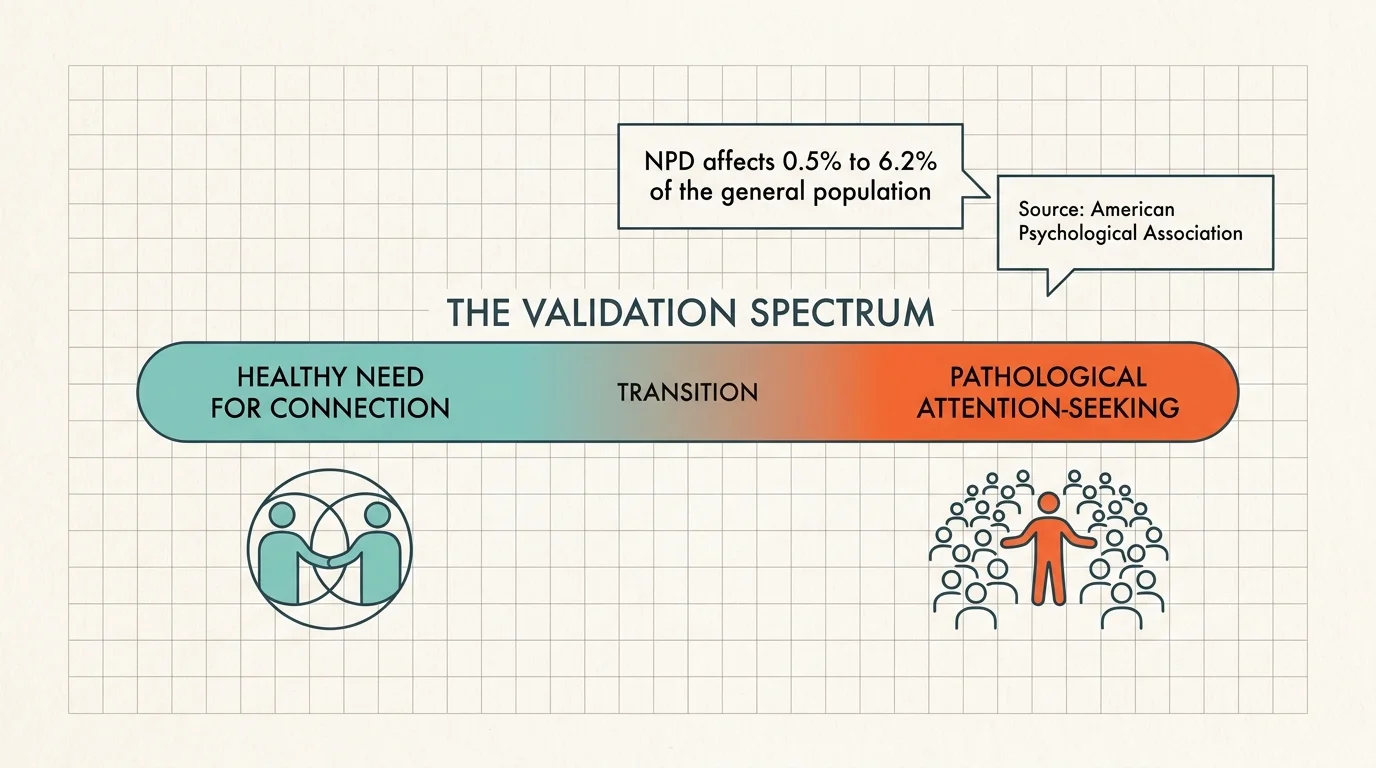
We all crave to be seen, heard, and valued. Seeking external validation is a normal, healthy human trait deeply wired into our social biology. However, pathological attention-seeking occurs when the desire for an audience entirely overshadows the capacity for genuine, two-way intimacy. For some individuals, maintaining a captivating public image serves as a defense mechanism to mask profound insecurities or emotional emptiness.
In more clinical contexts, this relentless need for the spotlight often overlaps with traits found in specific personality structures. According to data from the American Psychological Association, Narcissistic Personality Disorder (NPD)—which is characterized by a pervasive need for admiration, an inflated sense of self-importance, and a notable lack of empathy—is estimated to affect approximately 0.5% to 6.2% of the general population. Even if your partner does not meet the strict criteria for a formal diagnosis, elevated narcissistic or histrionic traits can compel them to prioritize external applause over the quiet, everyday moments of emotional connection.
Living in the shadow of someone who requires constant adoration can leave you feeling invisible. Identifying the behavioral patterns that drive this dynamic is crucial for protecting your own emotional well-being. Here are seven clear signs that your partner loves attention more than they love you.
1. Your Needs Are Eclipsed by Their Need for an Audience
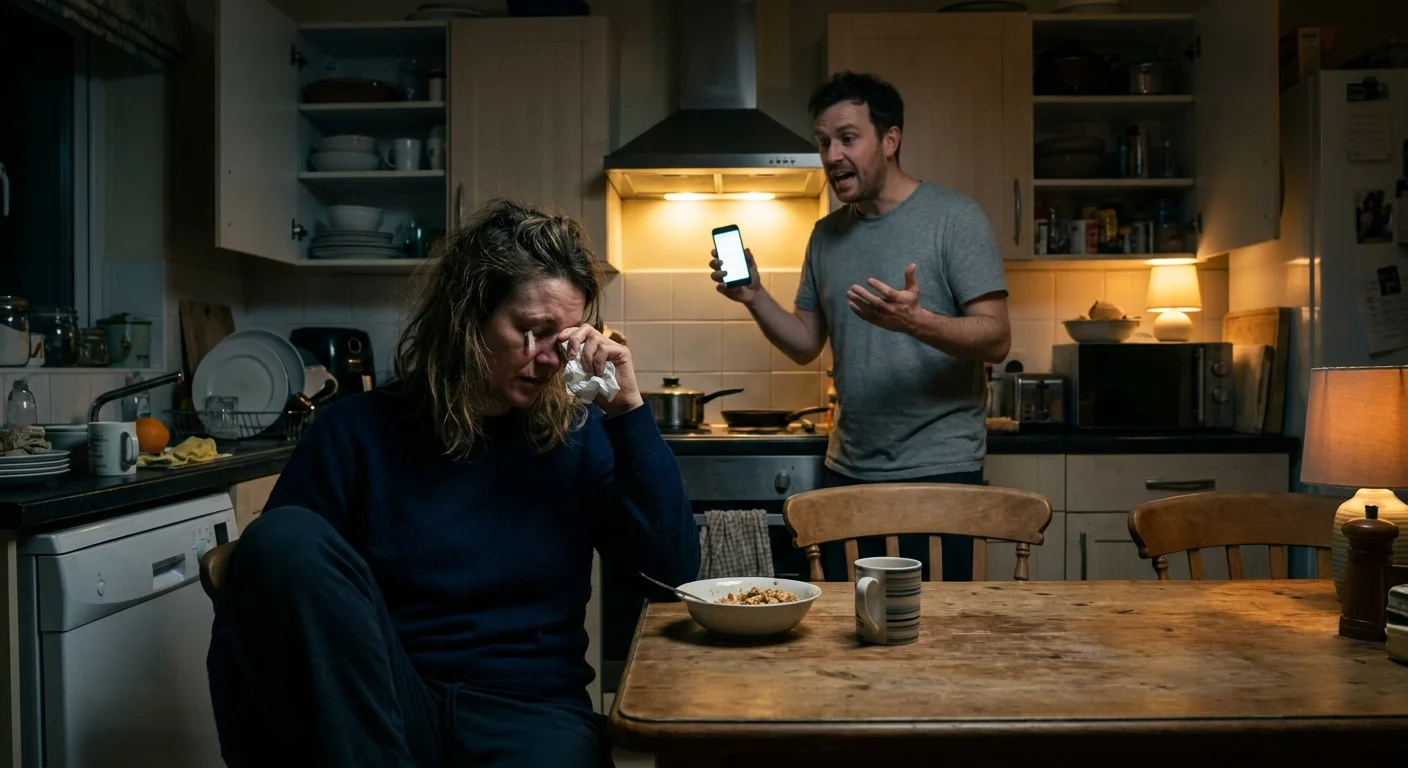
In healthy, secure relationships, partners naturally prioritize each other’s emotional well-being. They make space for mutual vulnerability. When someone values attention above all else, they routinely hijack your moments to ensure all eyes remain fixed on them. If you share a difficult experience, such as a stressful day at work or a conflict with a friend, they will immediately pivot the conversation to a time they suffered more intensely. They turn your vulnerability into a competition they must win.
This dynamic extends to positive news as well. If you receive a promotion or achieve a personal milestone, an attention-seeking partner struggles to simply celebrate you. They might minimize your achievement, aggressively shift the topic back to their own goals, or find a way to take credit for your hard work in front of others. Over time, this one-sided dynamic trains you to stop sharing your joys and sorrows, ultimately suffocating the emotional intimacy required for a lasting bond.

2. Their Social Media Persona Dictates Your Private Life
Modern technology has drastically shifted relationship dynamics, creating new avenues for constant, immediate validation. If your partner is obsessed with their digital audience, your relationship likely feels more like a carefully curated public relations campaign than a private, romantic bond. They document your dates, arguments, and quiet moments not to celebrate your connection, but to harvest likes, comments, and external praise.
Research highlights the psychological dangers of substituting digital validation for authentic intimacy. In a 2021 psychological study examining the connection between social media habits and romantic partnerships, researchers utilized app time-tracking data and found that an increase in Instagram usage led to a direct decrease in relationship satisfaction, while simultaneously increasing interpersonal conflict and negative emotional outcomes. When the camera turns off and the phone goes away, an attention-seeking partner often mentally checks out, leaving you with a jarring contrast between their vibrant online persona and their cold, disconnected private reality.
3. They Thrive on Manufactured Drama and Triangulation
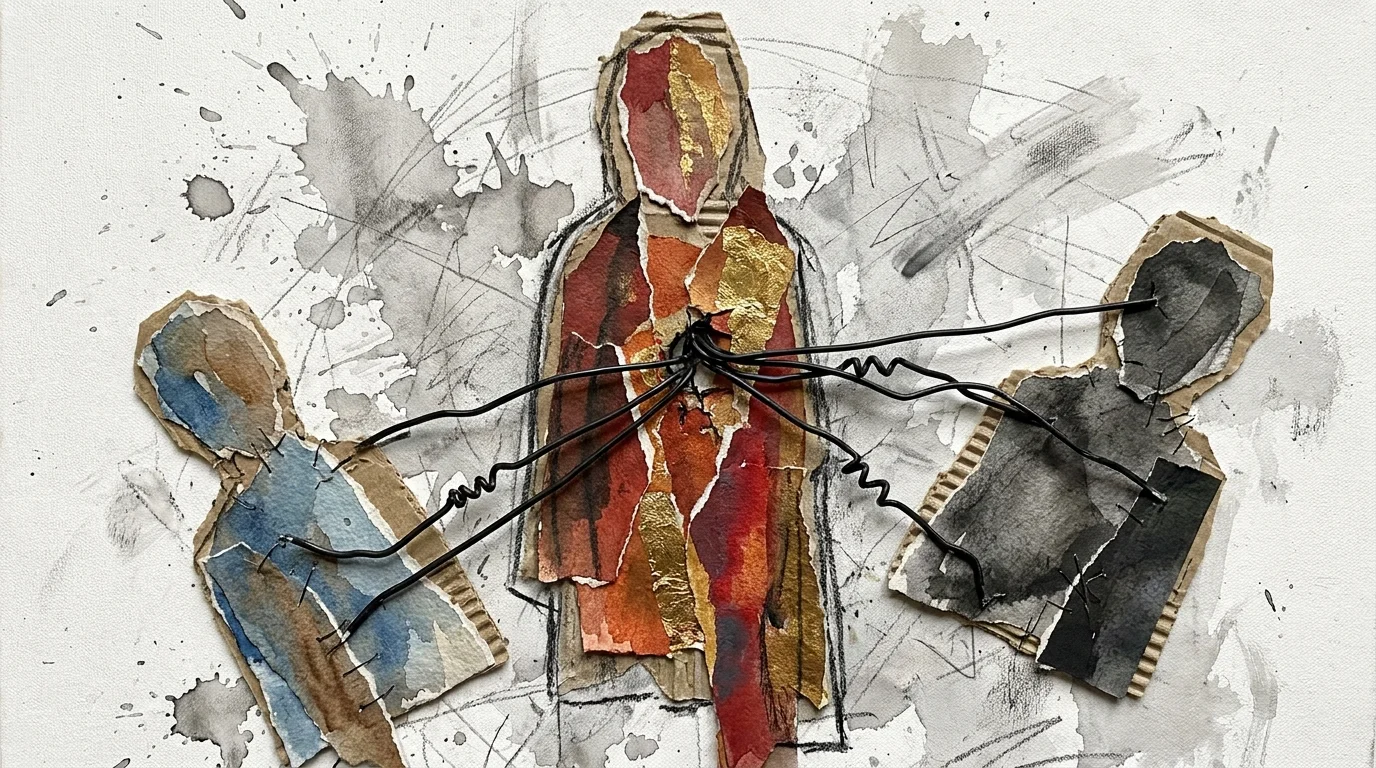
Attention-seekers absolutely cannot stand peace. To them, a peaceful, stable relationship feels boring because peace implies the spotlight is off. To keep the energy centered on their emotional state, they frequently manufacture drama. One of the most destructive tactics they use is triangulation—the act of bringing a third party into your dynamic to create a sense of rivalry, jealousy, or competition.
This might look like casually mentioning how a coworker flirts with them relentlessly, bringing up an ex-partner’s lingering feelings, or pitting you against a family member. The goal is not to resolve conflict, but to ensure that multiple people are actively competing for their affection and approval. This keeps them squarely in the position of power. By keeping you off-balance and anxious, they guarantee that your focus remains entirely dedicated to managing their moods and securing their loyalty.

4. They Turn Your “Bids for Connection” Into Monologues
Every relationship is built on tiny, seemingly insignificant micro-interactions. Renowned relationship researchers Dr. John Gottman and Dr. Julie Gottman of The Gottman Institute refer to these small everyday attempts to engage a partner as “bids for connection.” A bid can be as simple as pointing out a beautiful bird out the window, sighing heavily after a long commute, or asking a quick question.
In their extensive observational research of couples, the Gottmans found that partners who stayed together happily turned toward each other’s emotional bids 86% of the time, whereas couples who eventually divorced turned toward each other’s bids only 33% of the time.
An attention-seeking partner rarely “turns toward” your bids. Instead, they either ignore your outreach entirely because it does not serve them, or they turn your bid into an opportunity to deliver a monologue. If you say, “I am so tired today,” they will not ask you why; they will launch into a twenty-minute diatribe about their own exhausting schedule. The fundamental unit of relationship building—the mutual exchange of attention—is completely broken.
5. Empathy Feels Performative Rather Than Genuine
Authentic empathy requires an individual to step outside of their own ego and center the lived experience of someone else. It is a quiet, supportive act. As vulnerability researcher Brené Brown perfectly articulates:
“Empathy has no script. There is no right way or wrong way to do it. It’s simply listening, holding space, withholding judgment, emotionally connecting, and communicating that incredibly healing message of ‘You’re not alone.'” — Brené Brown, PhD, MSW
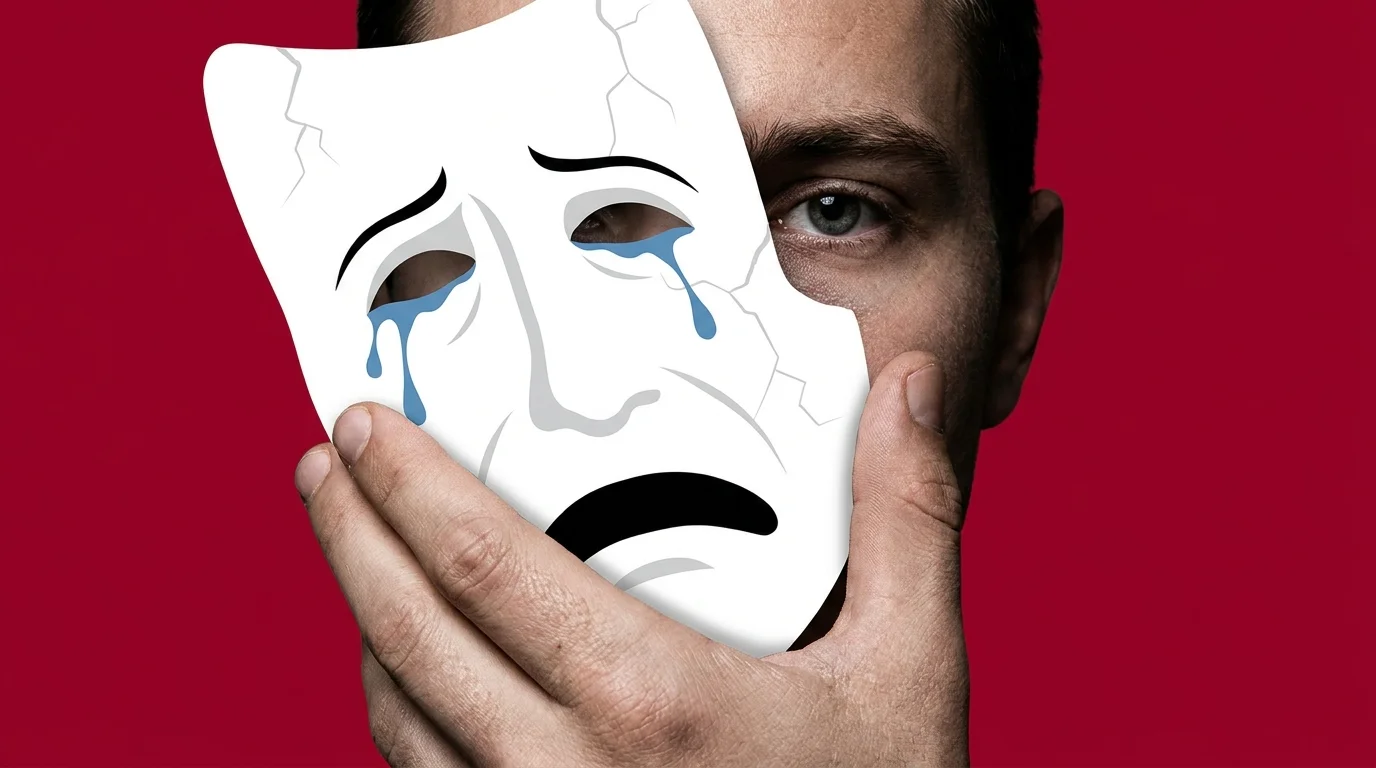
When a partner loves attention more than they love you, their empathy is performative. They only display compassion when they have an audience to witness what a “supportive” partner they are. At a funeral, they cry louder than the bereaved. During a crisis, they make your tragedy entirely about the emotional toll it is taking on them. Behind closed doors, however, your tears are met with irritation, blank stares, or accusations that you are being too sensitive. Their support is a costume they wear only when the social lighting flatters them.
6. They Keep Orbiters Around for Constant Validation
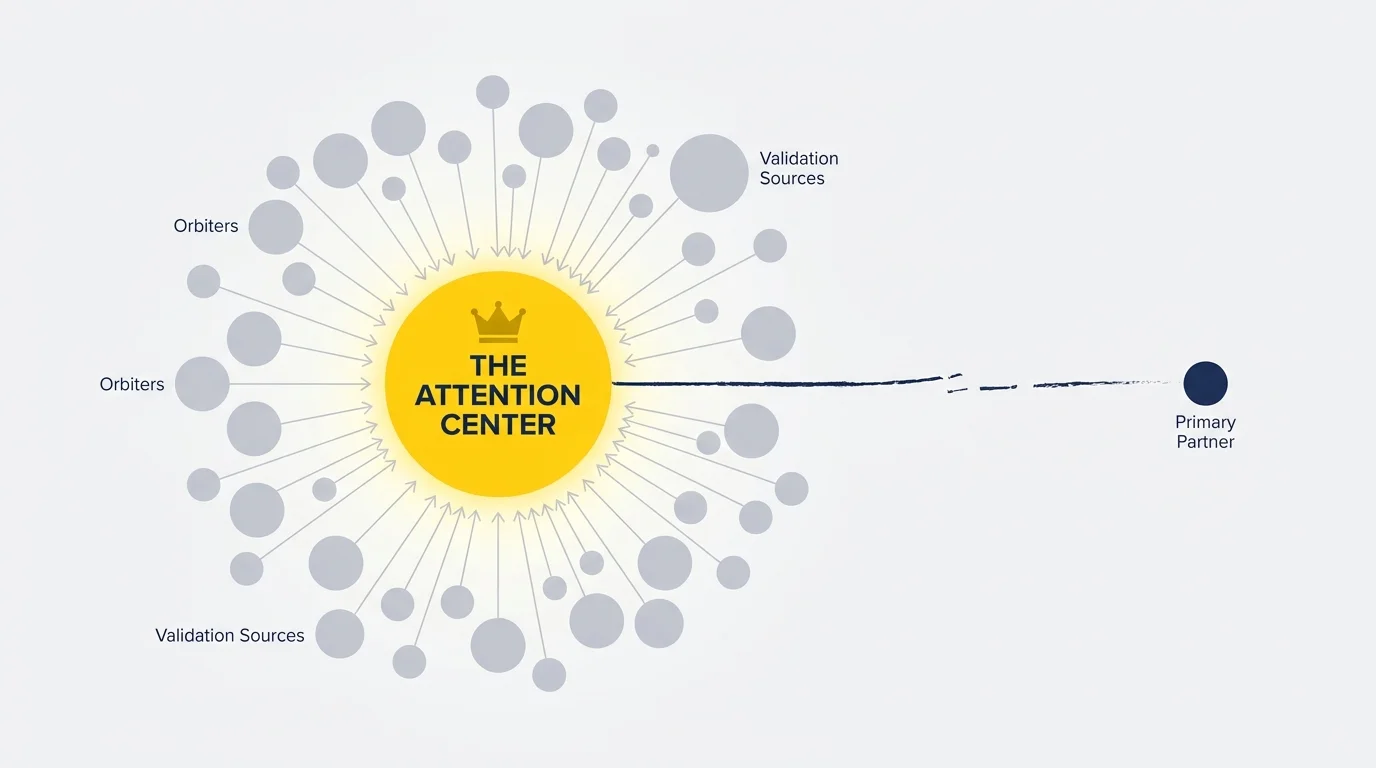
A relationship with you, no matter how loving and devoted, will never be enough to fill the endless void of an attention-seeker. They require a steady, diversified portfolio of validation. To achieve this, they keep “orbiters” on standby. These orbiters might be ex-partners they refuse to cut ties with, overly flirtatious friends, or a roster of digital acquaintances who shower them with compliments.
If you express discomfort with these boundary-crossing relationships, they will immediately gaslight you, calling you controlling, insecure, or paranoid. They fiercely protect their supply of external attention, often prioritizing the feelings of these peripheral orbiters over your sense of safety and security within the relationship.
7. Your Value Is Tied to How You Elevate Their Status
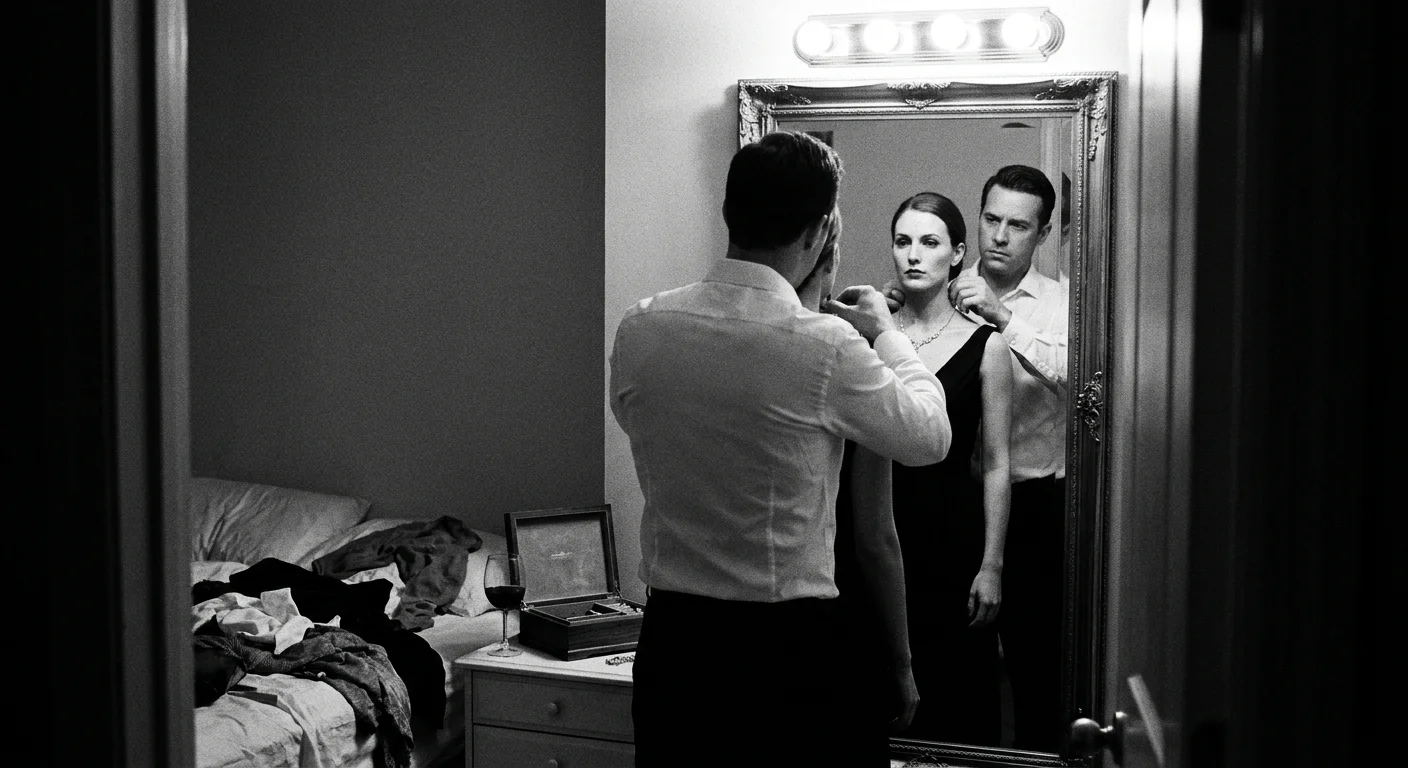
In a toxic dynamic driven by ego, you are not viewed as an equal partner with your own complex internal world. Instead, you are viewed as an extension of them—an accessory designed to elevate their social status. They may show immense affection when you dress a certain way, earn a prestigious award, or impress their friends, because your success makes them look good by association.
Conversely, if you go through a period of struggle, illness, or depression, they withdraw their affection completely. They view your human limitations as a personal embarrassment rather than an opportunity to offer support. If you cannot actively shine a light on their greatness, your perceived value in the relationship instantly drops.
Recognizing the Difference: Attention-Seeking vs. Genuine Connection
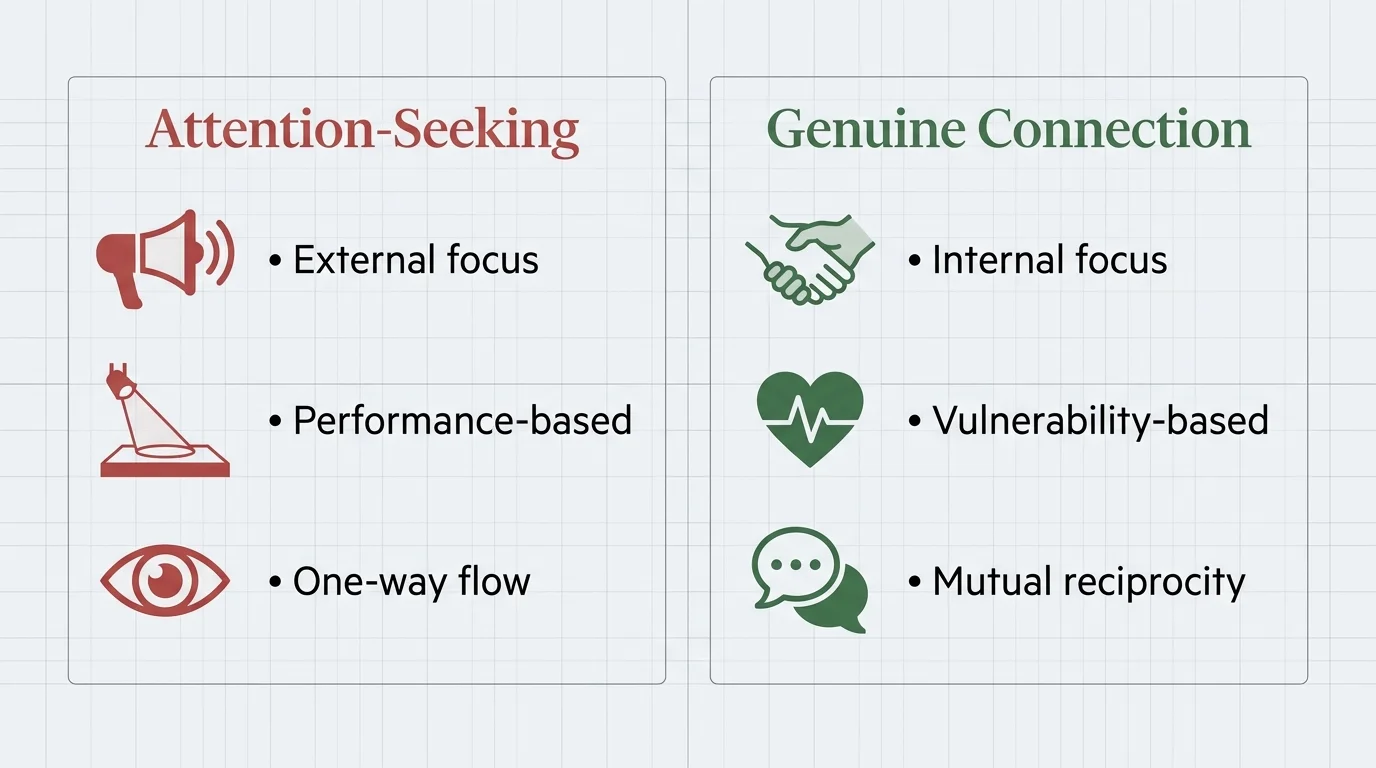
It can be incredibly confusing to untangle an outgoing personality from a toxic need for attention. Use the comparison table below to identify the crucial differences between a partner who simply enjoys socializing and a partner whose need for validation undermines your bond.
| Behavioral Trait | The Attention-Seeker | The Emotionally Connected Partner |
|---|---|---|
| Communication Style | Monopolizes the conversation; listens only to formulate their next point. | Engages in active, two-way dialogue; asks thoughtful follow-up questions. |
| Conflict Resolution | Plays the victim; deflects blame to maintain a flawless public image. | Takes accountability; focuses on repairing the relationship rather than “winning.” |
| Social Media Habits | Curates a perfect online facade; values digital likes over private intimacy. | Uses social media casually; prioritizes off-screen quality time together. |
| Response to Your Success | Minimizes your achievements or tries to steal the spotlight. | Celebrates your wins genuinely without needing to make it about them. |
Myths Worth Debunking
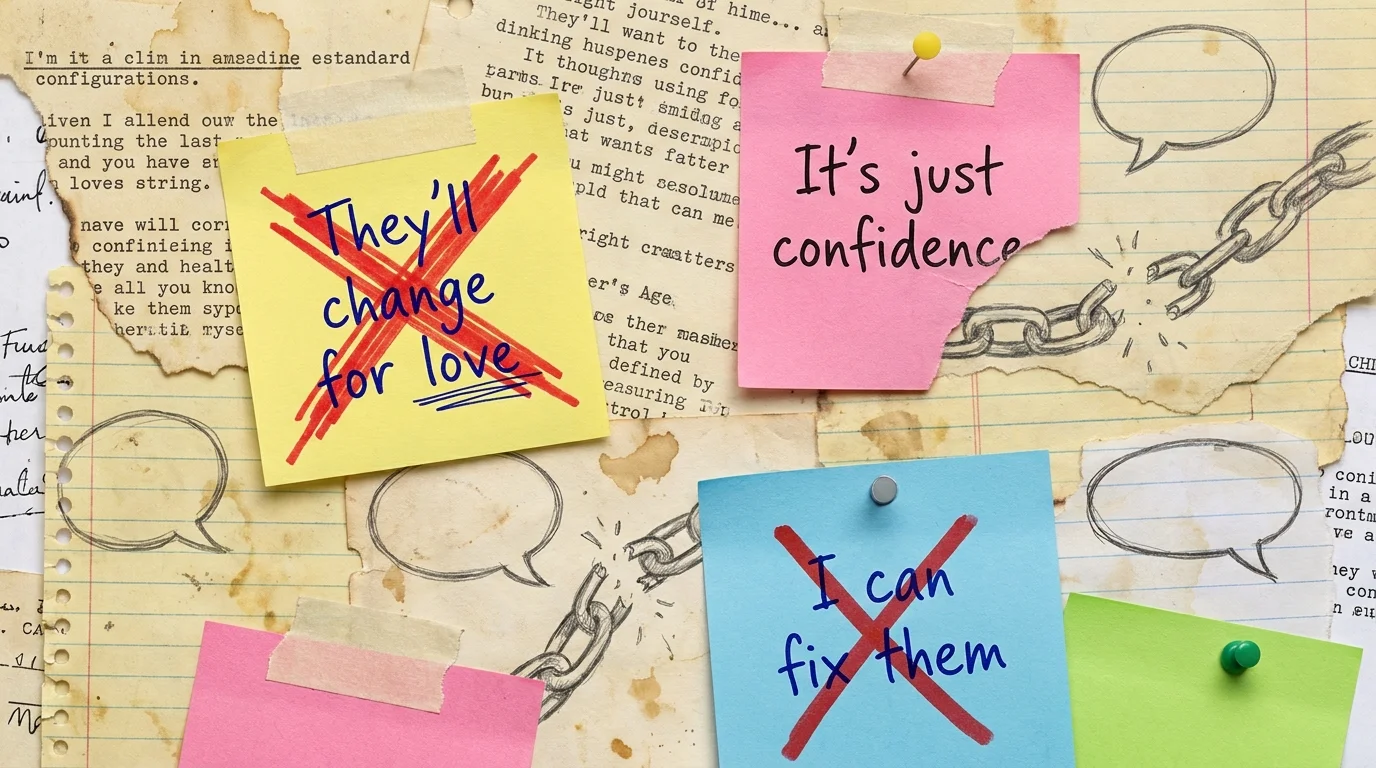
When evaluating your relationship, it is easy to fall prey to common societal misconceptions about love, personality, and commitment. Debunking these myths can help you view your situation with clarity and objectivity.
- Myth: Extroversion equals attention-seeking. Reality: Being an extrovert simply means a person gains energy from social interaction. Healthy extroverts still possess high levels of empathy, actively listen to their partners, and do not need to diminish others to feel secure.
- Myth: If they post about you constantly, they must be deeply in love. Reality: Excessive public displays of affection online are frequently used to mask private dysfunction. An obsession with looking like the “perfect couple” online often correlates with a lack of emotional safety offline.
- Myth: You can fix their insecurity with enough love. Reality: A pathological need for attention is an internal psychological mechanism. No amount of your love, patience, or self-sacrifice can fill a void that they refuse to address within themselves.

Signs It’s Time to Talk to a Therapist
Navigating a relationship with someone who constantly requires the spotlight can leave you feeling emotionally depleted and fundamentally alone. Recognizing when to seek professional help is a vital act of self-care. Consider reaching out to a licensed counselor or exploring resources through the National Institute of Mental Health if you experience any of the following scenarios:
- Your self-esteem has eroded: You frequently second-guess your worth, intelligence, or perception of reality due to constant manipulation, belittling, or gaslighting.
- You feel chronically exhausted: Managing your partner’s fragile ego and fluctuating moods leaves you with no energy for your own passions, career, or friendships.
- You are entirely isolated: Your partner has systematically cut you off from your support network so they can remain the sole focus of your world.
- Anxiety dominates your daily life: You walk on eggshells, constantly worried about saying or doing something that will trigger an outburst, provoke an argument, or result in a withdrawal of affection.
Reclaiming Your Emotional Energy
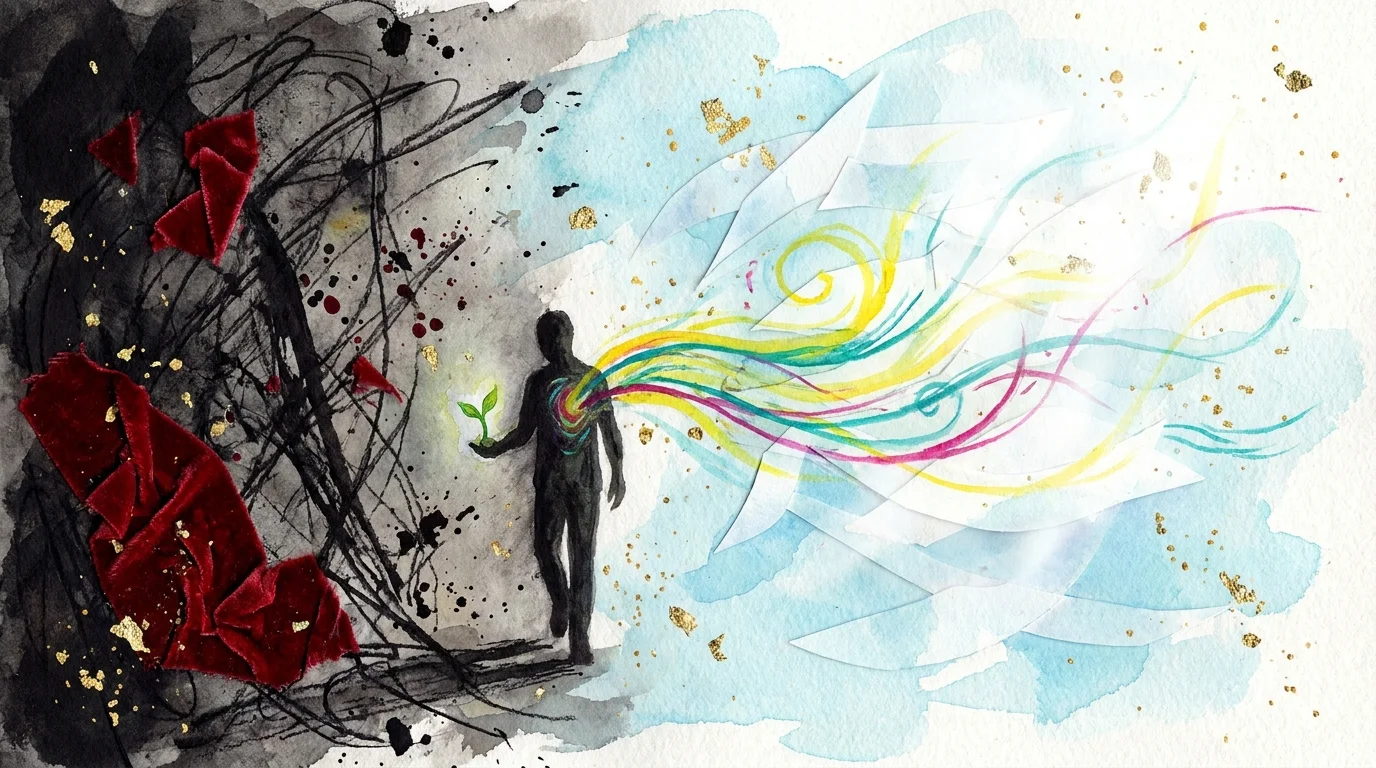
Relationships require genuine reciprocity to thrive. When you consistently pour your energy into someone who views you as an audience member rather than a partner, your emotional well-being will inevitably suffer. You deserve a dynamic built on mutual respect, active listening, and authentic emotional safety.
If the signs detailed above mirror your daily reality, it may be time to reevaluate the boundaries within your relationship. Take a step back and assess whether your fundamental needs are being met. Choosing to prioritize your own emotional health is not an act of selfishness; it is a necessary step toward building a life rooted in genuine connection. You cannot build a lifelong partnership with someone who is only interested in putting on a show.
This article provides general educational information about psychology and relationships. It is not a substitute for professional therapy or medical advice. Everyone’s situation is unique—if you’re struggling, please reach out to a licensed mental health professional.
Last updated: May 2026. Psychology research evolves continuously—verify current findings with professional sources.






Leave a Reply