
Some people genuinely thrive in the eye of a storm, unconsciously manufacturing chaos when life becomes too quiet. While occasional conflict is an unavoidable part of human connection, a persistent pattern of turmoil points to a recognized psychological construct known as a “Need for Drama.” This trait fundamentally alters how a person navigates relationships, often leaving a trail of exhausted friends, alienated partners, and unresolved tension in their wake. By understanding the distinct behavioral markers of someone who prioritizes emotional upheaval over stability, you can better protect your peace and set highly effective boundaries. Recognizing these patterns empowers you to step off their emotional rollercoaster and approach their manufactured crises with clarity rather than reactivity.
The Psychology of Manufactured Chaos
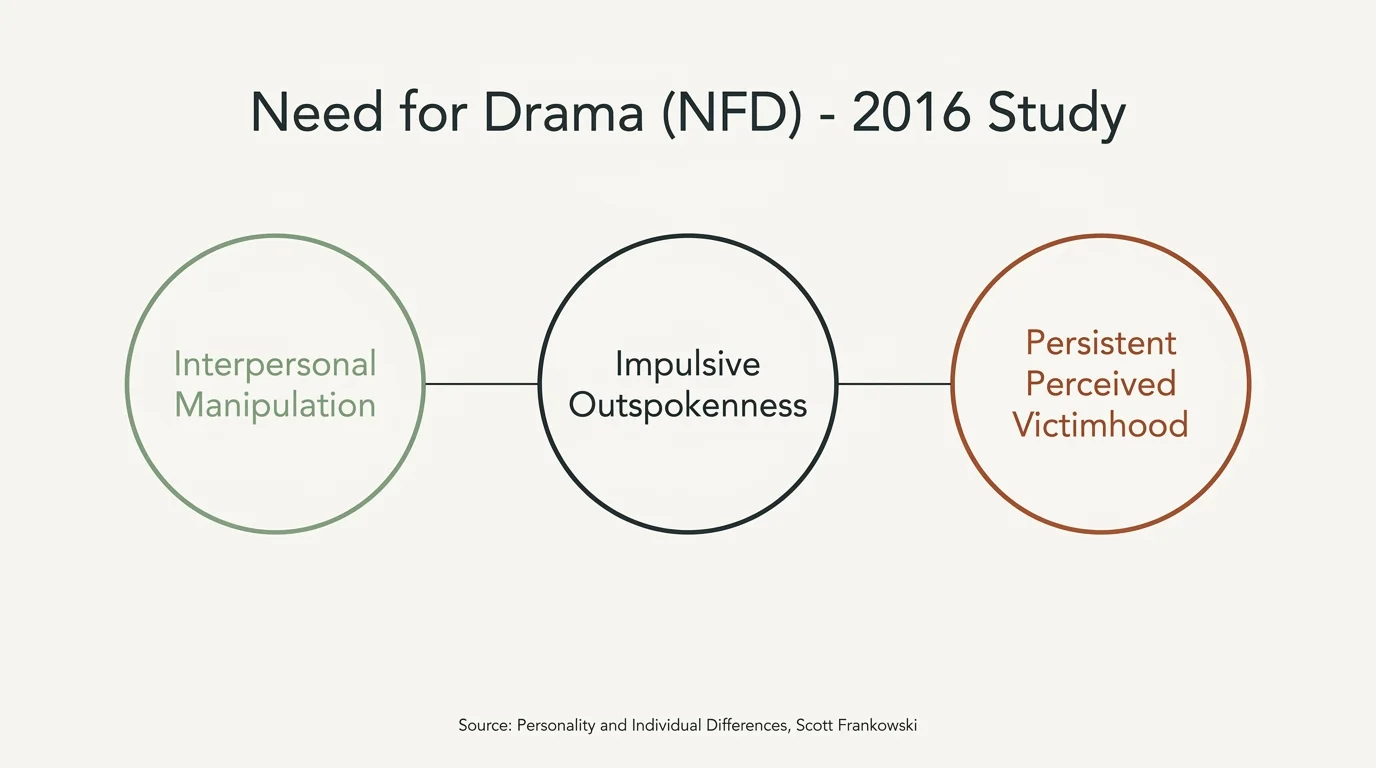
While society casually labels erratic individuals as “drama queens,” clinical researchers have identified a specific, measurable personality trait driving this exhausting behavior. In 2016, researcher Scott Frankowski and his team at the University of Texas at El Paso published a seminal study in the journal Personality and Individual Differences, defining a compound personality trait known as the “Need for Drama” (NFD). Through extensive surveying, they discovered that this trait revolves around three primary factors: interpersonal manipulation, impulsive outspokenness, and persistent perceived victimhood.
Individuals with a high need for drama do not just stumble into chaotic situations; they actively generate them to fulfill a psychological craving. Current research featured on Psychology Today indicates that this trait shares distinct correlations with the “Dark Triad” of personality—specifically non-clinical psychopathy, Machiavellianism, and narcissism. Recognizing these behavioral patterns is not about diagnosing the people in your life, but rather understanding their emotional framework so you can establish safeguards for your own mental well-being.

1. They Operate from Persistent Perceived Victimhood
The concept of “persistent perceived victimhood” serves as the foundational cornerstone of the dramatic personality. People who love drama constantly reframe everyday misunderstandings or minor inconveniences as deliberate attacks against them. They possess a hypersensitivity to perceived slights, assuming malicious intent where absolutely none exists. This victim mentality functions as a powerful defense mechanism; it completely absolves them of personal accountability, garners immediate sympathy from onlookers, and places the heavy burden of emotional repair squarely on someone else’s shoulders.
For instance, if you politely decline an invitation because you are simply exhausted from work, a drama-seeking individual will rarely accept your boundary gracefully. Instead, they twist your exhaustion into a personal rejection, claiming you are intentionally ignoring them or leaving them out. If you find yourself constantly apologizing to someone for things you did not do—or over-explaining your perfectly reasonable choices just to avoid a meltdown—you are likely dealing with this trait. Your most effective actionable step is to stop over-explaining. State your boundary calmly, clearly, and concisely, leaving them to manage their own reaction.
2. Interpersonal Manipulation is Their Go-To Strategy
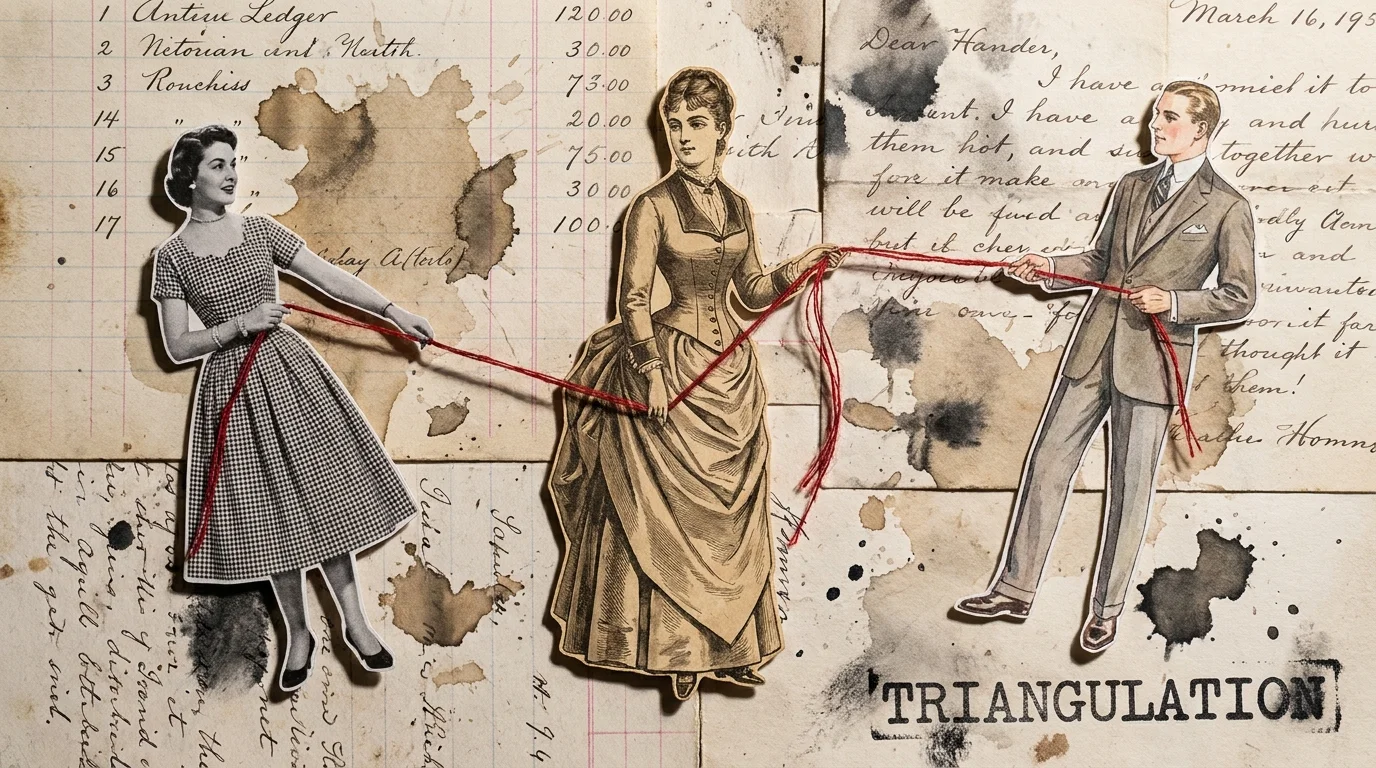
Drama rarely thrives in a vacuum; it requires an attentive audience and active participants. Consequently, people with a high need for drama frequently rely on interpersonal manipulation to stir the pot and maintain control. This often takes the form of “triangulation,” a psychological tactic where they pull a third, uninvolved person into a private conflict to create a toxic dynamic of “us versus them.” They might pull you aside to whisper what a mutual friend allegedly said behind your back, only to play the innocent peacemaker when confronted. By pulling the strings of the social dynamic, they remain firmly at the center of the action while keeping everyone else entirely off balance.
You can identify this behavior when conversations frequently devolve into “he said, she said” scenarios, or when you notice your relationship with a third party suddenly feels strained after spending time with the dramatic individual. To protect your peace, actively refuse to participate in triangulated conversations. If they bring up a grievance involving someone else, gently but firmly encourage them to speak directly to that person. Setting a rigid boundary—such as, “I am not comfortable discussing Sarah when she is not here to share her perspective”—effectively cuts off the oxygen supply to their manufactured conflict.
3. They Practice “Impulsive Outspokenness”
We all understand the value of honesty, but someone who prioritizes drama over peace frequently weaponizes their words under the guise of “just keeping it real.” Psychologists refer to this specific behavior as “impulsive outspokenness.” It involves a relentless compulsion to share unfiltered opinions, harsh critiques, or provocative statements without any regard for social cues, timing, or the emotional impact on the recipient. While they claim to deeply value authenticity, their primary objective is actually to shock, provoke, and destabilize the environment to guarantee a dramatic reaction.
A practical example often occurs at social gatherings or family events. The drama-seeker might bring up a highly sensitive or controversial topic during a celebratory dinner, entirely disrupting the peaceful atmosphere. When people understandably react with discomfort or anger, the instigator doubles down, loudly accusing everyone else of being overly sensitive. You cannot control their outbursts, but you hold complete power over your response. Utilize the “gray rock” method: offer dull, brief, non-reactive responses. When they fail to elicit the explosive emotional reaction they desire, they will eventually look elsewhere for their stimulation.

4. Gossip Serves as Their Primary Social Currency
Gossip is the lifeblood of a chaotic personality. While casual venting is a normal human behavior, the drama-seeker elevates it to a destructive art form. They bond with others almost exclusively through shared negativity, trading secrets, rumors, and intimate details like social currency. The 2016 Frankowski study noted a significantly high correlation between the Need for Drama trait and an enthusiastic endorsement of gossip. For these individuals, sharing sensitive information about others creates a false, fleeting sense of intimacy and social power.
Pay close attention to how they speak about their “closest” friends the moment those friends leave the room. If they are willing to casually betray someone else’s trust just to entertain you, it is a psychological certainty that they are currently betraying your trust to entertain others. Your most actionable defense against this behavior is an information diet. Drastically limit the personal, sensitive information you share with them. Keep conversations firmly anchored to neutral topics—such as movies, food, or general observations—and actively pivot the discussion when they begin to disparage others.
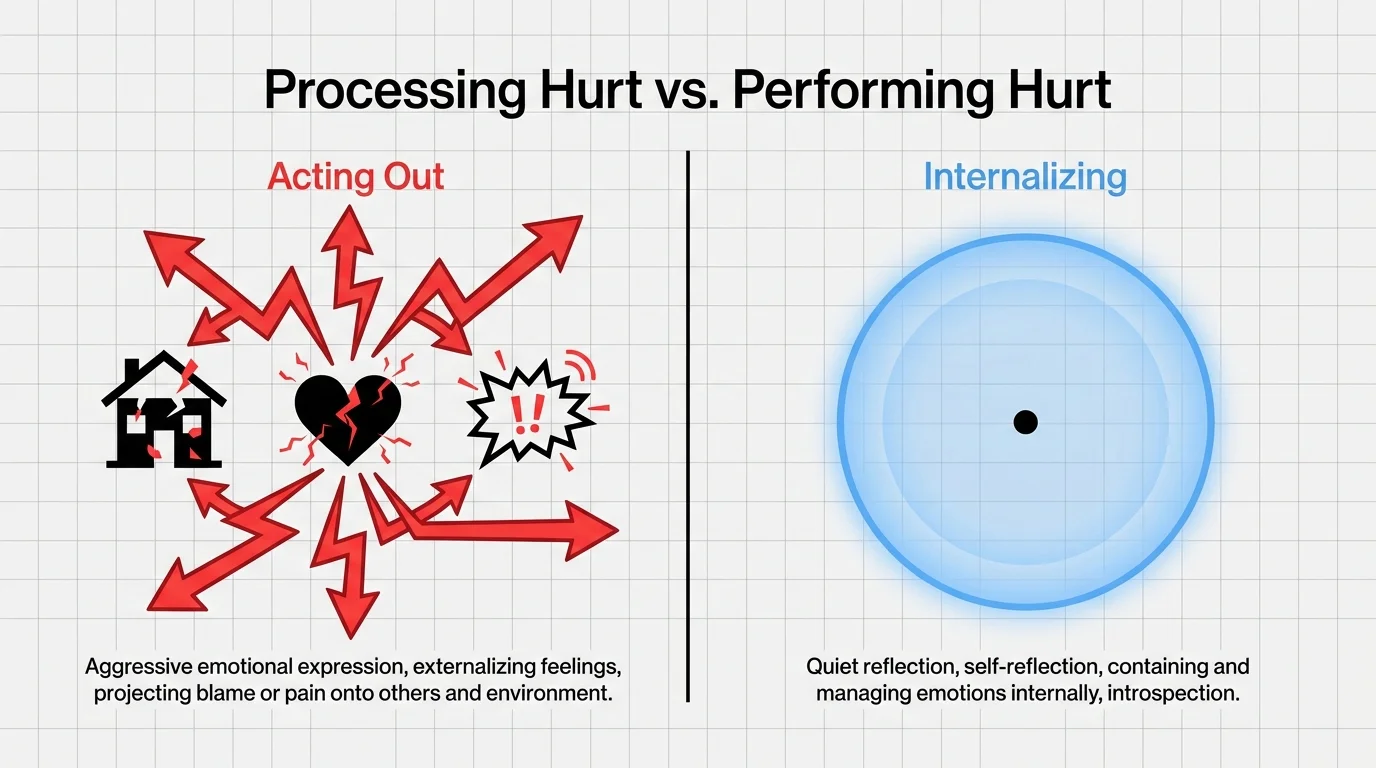
5. They Act Out Their Hurt Instead of Feeling It
At the deepest core of many dramatic behaviors lies a profound inability to process uncomfortable emotions. When an emotionally healthy person experiences sadness, rejection, or deep insecurity, they typically sit with the feeling, reflect on its origins, or discuss it directly with a trusted confidant. Conversely, someone who loves drama actively externalizes their internal pain, projecting it wildly onto their environment. They initiate sudden fights, create logistical crises, or burn long-standing bridges because chaotic external noise effectively distracts them from the quiet, agonizing work of self-reflection.
“There are too many people today who instead of feeling hurt are acting out their hurt; instead of acknowledging pain, they’re inflicting pain on others.” — Brené Brown, PhD, MSW
This externalization turns their private pain into everybody else’s immediate problem. Recognizing this underlying dynamic helps shift your perspective from active frustration to objective observation. While you can maintain empathy for the unresolved pain driving their erratic behavior, you are under no obligation to volunteer as their emotional punching bag. Suggesting they speak to a professional is appropriate, but firmly remember that you cannot do their complex healing work for them.
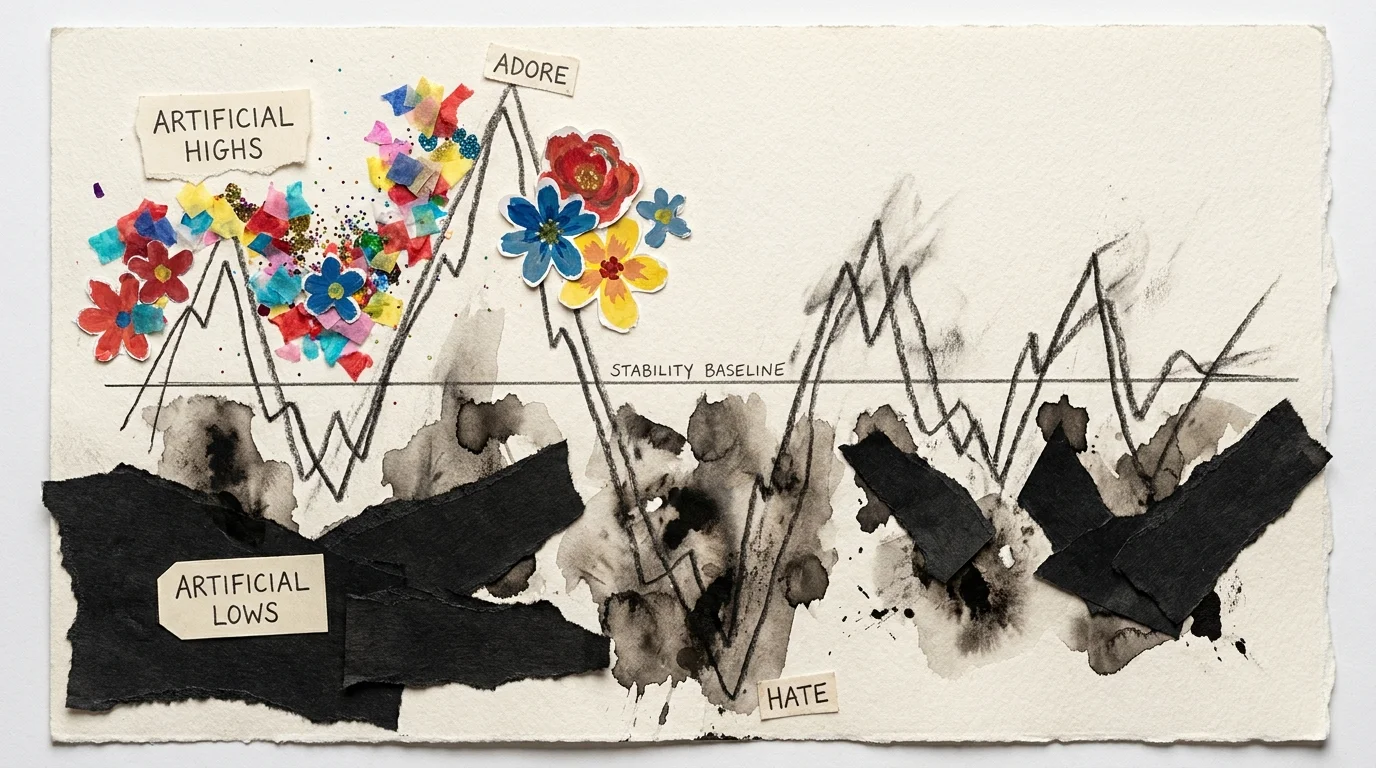
6. Their Relationships Suffer from Artificial Highs and Lows
Peace feels profoundly boring to someone addicted to drama. In romantic partnerships or close platonic friendships, this manifests as a predictable cycle of idealization and subsequent devaluation. They will love-bomb you one week—showering you with excessive praise, gifts, and attention—only to manufacture a devastating, seemingly out-of-nowhere conflict the next. This constant push-and-pull dynamic creates a trauma bond, a physiological and psychological response where your brain literally becomes addicted to the adrenaline rush of the fight and the subsequent dopamine hit of the tearful reconciliation.
If you constantly feel like you are trapped on an emotional rollercoaster—unsure if you are going to get the “good” version or the “angry” version of the person on any given day—you are caught in their cycle. Healthy, sustainable relationships are built on a foundation of predictable, somewhat boring consistency. If you want to permanently break the cycle, you must consciously relearn to value stability over intensity. Begin by seeking out and nurturing relationships with people who do not require a manufactured crisis to show you affection.
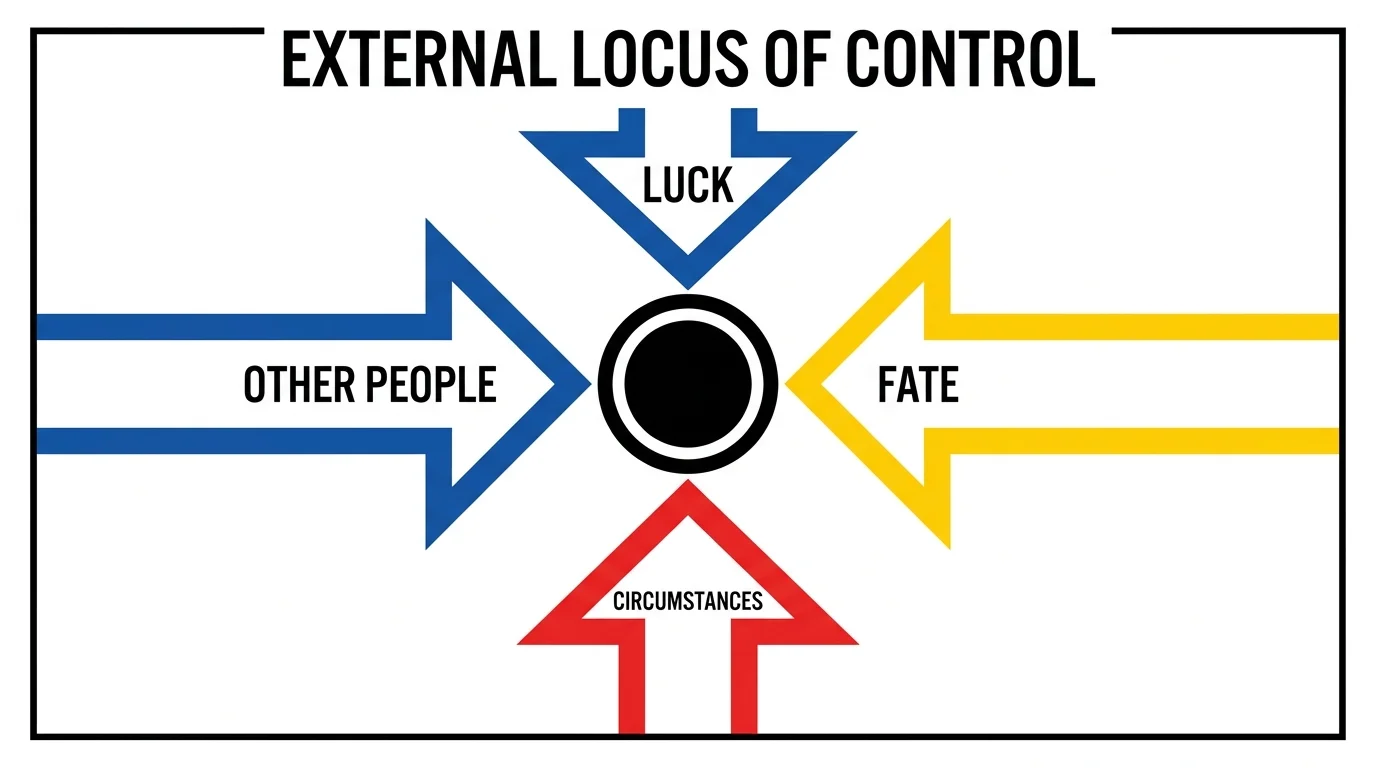
7. They Exhibit a Strong External Locus of Control
In psychology, your “locus of control” refers to how much you believe you dictate the outcome of your own life. Someone with a strong internal locus of control believes their daily choices deeply matter. Drama lovers, however, almost exclusively operate from a strong external locus of control. They firmly believe life is something that happens to them. Every failed relationship, lost job, or personal conflict is the direct result of bad luck, toxic bosses, or jealous friends. Because they critically lack the self-awareness to see their own role in the recurring chaos, they are doomed to repeat it indefinitely.
You will distinctly hear this in their everyday language: “He made me so angry I had to yell,” or “I always just end up with terrible friends.” They view themselves as passive passengers in their own tumultuous lives. Attempting to point out their behavioral patterns will usually trigger immense defensiveness, as it directly threatens their fragile self-narrative. Your most practical move is to radically accept that you cannot force insight upon them. Instead, focus entirely on maintaining your own internal locus of control, dictating your firm boundaries, and choosing precisely when to walk away from the noise.

Myths Worth Debunking
When discussing toxic interpersonal behaviors, several deeply ingrained misconceptions often muddy the waters. Correcting these myths allows for a much more objective, research-based approach to managing conflict.
- Myth: Drama lovers are usually women. This is a pervasive cultural stereotype completely unsupported by current data. The Frankowski study on the Need for Drama scale conclusively found that the trait is equally prevalent in both men and men. Society simply tends to penalize women more harshly for the behavior, while often overlooking or reframing dramatic behavior in men as “assertiveness” or “stress.”
- Myth: Drama indicates a highly passionate personality. Passion and drama are entirely distinct entities. Passion is an intense, driving enthusiasm for a subject, cause, or loved one that builds up. Drama is the intentional, destructive manufacturing of conflict that tears down.
- Myth: You can logic someone out of a dramatic episode. Because manufactured drama serves a deep emotional need—often masking profound insecurities—rational arguments rarely work. Providing evidence to counter their victimhood usually just makes them pivot to a new grievance. Setting firm boundaries is infinitely more effective than engaging in debate.
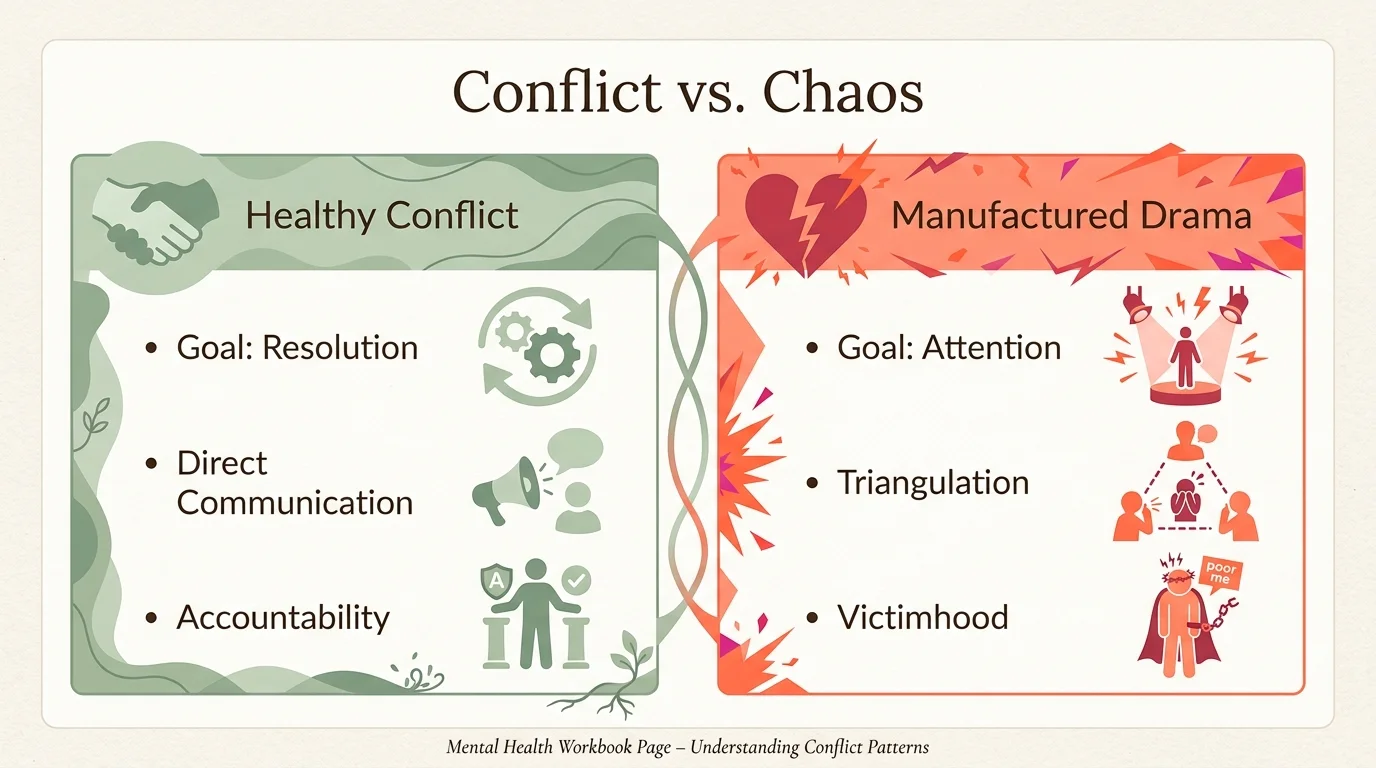
Healthy Conflict vs. Manufactured Drama
It is crucial to recognize that avoiding drama does not mean avoiding all conflict. According to experts at The Gottman Institute, healthy conflict is an absolute necessity for intimacy and growth. The difference lies entirely in the intent and the execution.
“In order to get to a healthier and more productive place, we need to give up our fear of conflict, turmoil and resistance.” — Dr. John Gottman, Relationship Researcher
To help you distinguish between a partner or friend attempting to resolve an issue versus someone merely stirring the pot, consider the following behavioral markers:
| Trait | Healthy Conflict | Manufactured Drama |
|---|---|---|
| Primary Goal | Resolution, mutual understanding, and moving forward. | Attention, control, or intense emotional stimulation. |
| Communication Style | Direct, respectful, and focused specifically on the current issue. | Indirect, passive-aggressive, frequently bringing up unrelated past grievances. |
| The Aftermath | A sense of relief, deeper connection, and actionable compromise. | Lingering tension, unresolved feelings, and the rapid creation of new issues. |
| Involvement | Kept strictly between the parties directly involved. | Triangulation: pulling in outside parties to take sides and spectate. |

Signs It’s Time to Talk to a Therapist
Navigating a relationship with someone who constantly manufactures chaos can severely degrade your own mental health. According to resources from the American Psychological Association, chronic interpersonal stress heavily contributes to anxiety, depression, and physical burnout. Consider seeking professional support from a licensed therapist if you experience the following:
- You feel constantly drained, physically exhausted, or “on edge” anticipating the next crisis with this specific person.
- You have begun altering your own reality, constantly walking on eggshells, or isolating yourself from other loved ones just to appease them.
- You find yourself obsessing over their behavior long after the interaction has ended, severely disrupting your sleep or work focus.
- You recognize a few of these dramatic tendencies within yourself and earnestly want to learn healthier, more direct ways to communicate your emotional needs.

Preserving Your Peace
You cannot rewrite someone else’s psychological programming, nor can you forcefully extract them from their persistent victimhood. What you can do, however, is definitively change how you participate in their narrative. By recognizing the clinical signs of a dramatic personality, you transition from being a reactive participant to an objective observer. You learn to let their chaotic storms pass right by you without ever letting them pull you into the rain.
Begin today by auditing your energy. Notice who leaves you feeling grounded and who leaves you feeling depleted. Double down on the relationships that feel safe, boring, and wonderfully peaceful. Your emotional energy is your most valuable finite resource—guard it fiercely, and refuse to spend it funding someone else’s manufactured drama.
The information in this article is meant for educational purposes and general guidance. It does not replace individual therapy, counseling, or medical treatment. If you or someone you know is in crisis, contact the 988 Suicide & Crisis Lifeline by calling or texting 988. Resources and finding local support can also be accessed through the National Institute of Mental Health.
Last updated: May 2026. Psychology research evolves continuously—verify current findings with professional sources.









Leave a Reply