
Are You In A Happy Marriage?
Past traumas can have a significant impact on our present lives and overall mood. Past experiences from childhood or adulthood can influence how we behave and control our emotions. Feelings like fear, anxiety, or depression can be felt long after the heartbreaking event has passed. These emotions can be triggered at unexpected times by reminders of the trauma.
It is hard for those who suffered a lot in the past and didn’t heal properly to deal with all the flashbacks and memories that keep coming into their mind, leading to difficulty in managing day-to-day tasks and trust issues in a relationship.
The fear of abandonment is serious, and most people who’ve experienced trauma in the past are dealing with it for the rest of their lives. So, the first step in the healing process is to identify the problem and what is causing it. Recognizing the impact a trauma has on us is a HUGE step towards healing.
The fear of abandonment and trust issues usually manifest as suspicion, jealousy, or the constant need for reassurance, making the partners lose their mutual trust and confidence in each other’s intentions.
Do you feel sad all the time? Is it hard for you to get happy just by looking at the simple things around you? Doesn’t spending time with your partner excite you like it used to? You may be facing post-traumatic stress.
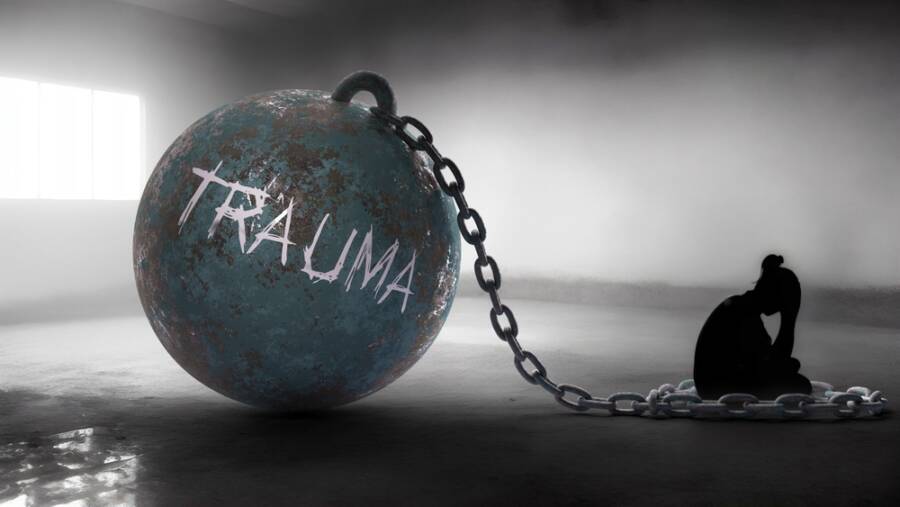
How do you understand if a past trauma is holding you back?
Past trauma can quietly weigh you down, affecting not only your mood but also your health in the long term. These are some subtle signs that you are not completely healed yet and that a past trauma is haunting your mind.
1. You don’t sleep well
Your brain is threatened and is not letting you sleep well overnight. Even though you know you are in a safe place and your partner is always there, ready to protect you…
Unfortunately, when a past trauma is haunting you, the body doesn’t let its guard down easily.
Struggling with sleep can impact your well-being, making you feel drained and irritable during the day. Persistently poor sleep can also affect your concentration, work quality, and productivity.
2. You feel a lack of connection with your partner
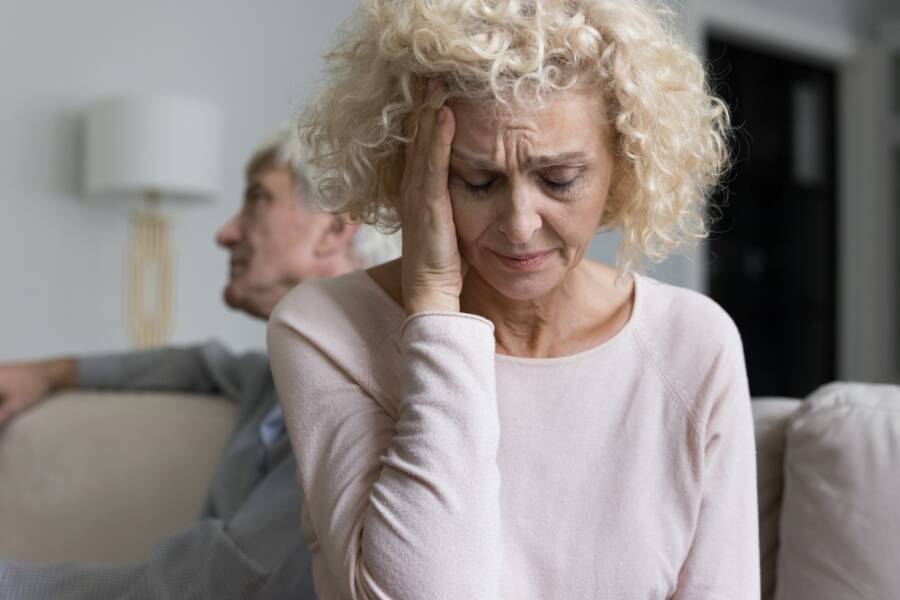
Depression can make you feel detached from the people around you, which is why you can’t find comfort in your partner anymore. Your anxiety is keeping you away from reality, making it difficult for you to gain your confidence back.
3. You often lose control over your emotions
Past traumas influence a lot of the way we handle our emotions. During day-to-day activities, we can face some of the triggers that remind us of the sad events that have been following us, making it harder to control ourselves. The triggers can evoke emotions like fear, sadness, or even anger.
4. You avoid topics when talking with your partner
It is normal for those who’ve been through a serious trauma to try to avoid everything that reminds them of the sad event. For example, if you have experienced trauma caused by the death of a close family member, you can now experience anxiety whenever you do your regular check-up at the hospital.
5. Your partner startles you
If you jump out of your skin when your partner appears or makes a sudden noise, it can also be a sign of past trauma that is still affecting you. Even though it may seem funny, being easily scared is not normal.
6. It is hard for you to do certain activities with your partner
It is a common symptom of post-traumatic stress to feel a lack of interest in the activities you used to enjoy with your partner, such as dates and romantic gateways.
7. You are less excited about having romantic moments with your partner
You don’t feel the need for affection and physical touch anymore and prefer spending time by yourself. Alone time allows you to stay away from social interactions and distractions. You feel the need to reflect on how you feel, and you find peace in your own company.
8. You prefer spending time alone
Not wanting to spend time with your loved ones is a sign that shouldn’t be ignored. Spending time alone will not help you at all, because all you’re going to do is think about what upsets you.
9. It is hard to feel love without being scared
A traumatic event can change the way you feel about a relationship, making you try to avoid certain circumstances that had a negative impact on you in the past. So, being in love makes you scared, because the last thing you want to experience is being hurt again. You deny the love you feel because you are trying to protect yourself.
10. Negative self-image
Trauma can impact your self-esteem and self-worth, affecting how you believe your partner is seeing you. For example, if you experienced serious childhood trauma, you can now feel that you are unlovable, which is completely wrong! I know it is hard for you to believe in yourself right now, but you are doing an amazing job just by letting yourself accept that you have a problem that needs to be solved.
Are Your Past Experiences Slowly Destroying Your Marriage?
If you identified yourself as being affected by past trauma, you can find below some steps you should consider following in the process of your healing. We assure you that each one of them is effective and will determine immediate improvements!
Let your partner know about your feelings and what you are going through
Don’t hesitate to tell your partner about whatever is going on in your mind. Discuss the memories that are traumatizing you, because this way you will get to understand what the causes of your suffering are and how to manage them.
Validate your experiences
Accept your past. Accept that whatever you have been through was awful, but it is now over. You shouldn’t spend any more time thinking about the past; you’ll never be able to change it.
Notice patterns
Notice what your triggers are, and write down your thoughts when you feel that negative emotions are taking control over you. By writing them, you’ll acknowledge what is causing your feelings and learn how to regain control.
Build self-awareness
Become aware of your mind and body’s responses to different circumstances. Try to identify and label your emotions. Self-awareness is the key to self-improvement and a fulfilling life.
Join a support group
You shouldn’t be ashamed if you feel that you cannot do everything by yourself. Getting help will make you feel better and help you notice improvements faster. A support group will provide you with a safe place where you can express your emotions and talk about your past experiences without being criticized or punished. You’ll have the opportunity to meet people who went through similar situations.
We really hope the article helps you consider the reasons why your marriage is not as you want it to be. We want to remind you that you are not alone; a lot of people are dealing with post-traumatic stress and trauma.
It is hard, but you’ll get better soon if you start following the path of healing. Remember: It always seems impossible until it is done!
If you want to read more about the most common traumas people are facing, you can do it right now. We also recommend you to purchase an Amazon Best Seller: The Book called: Healing Your Wounded Inner Child written by Maria Clarke. If you order it right now, you can also get the audio version of the book for free!
Stay safe and have a good one!






I have read this publication and found it informative but lacking some crucial information so I ordered healing your wounded inner child.