Psychology Diary

The First Step Toward Change Is Awareness

  • Home
  • Relationships
  • Mental Health
  • Expert Tips
  • Life
  • Family
  • Marriage

8 Things Narcissists Say to Keep You Under Control

February 8, 2026 · Relationships

You know the feeling. The conversation starts normally, but suddenly the ground shifts. You find yourself apologizing for things you didn’t do, questioning your own memory, or feeling a heavy knot of guilt in your stomach. This isn’t just a “bad argument.” It is often a calculated psychological maneuver.

Research indicates that emotional abuse is alarmingly common, with the Centers for Disease Control and Prevention (CDC) reporting that approximately 48% of women and men have experienced psychological aggression by an intimate partner. For those in relationships with individuals exhibiting narcissistic traits or Narcissistic Personality Disorder (NPD), language is more than communication—it is a tool for control.

Narcissistic manipulation operates on a cycle of idealization, devaluation, and control. By decoding the specific phrases used during these stages, you can stop blaming yourself and start seeing the dynamic for what it is.

Here are eight common things narcissists say to maintain power, along with the psychology behind why they work.
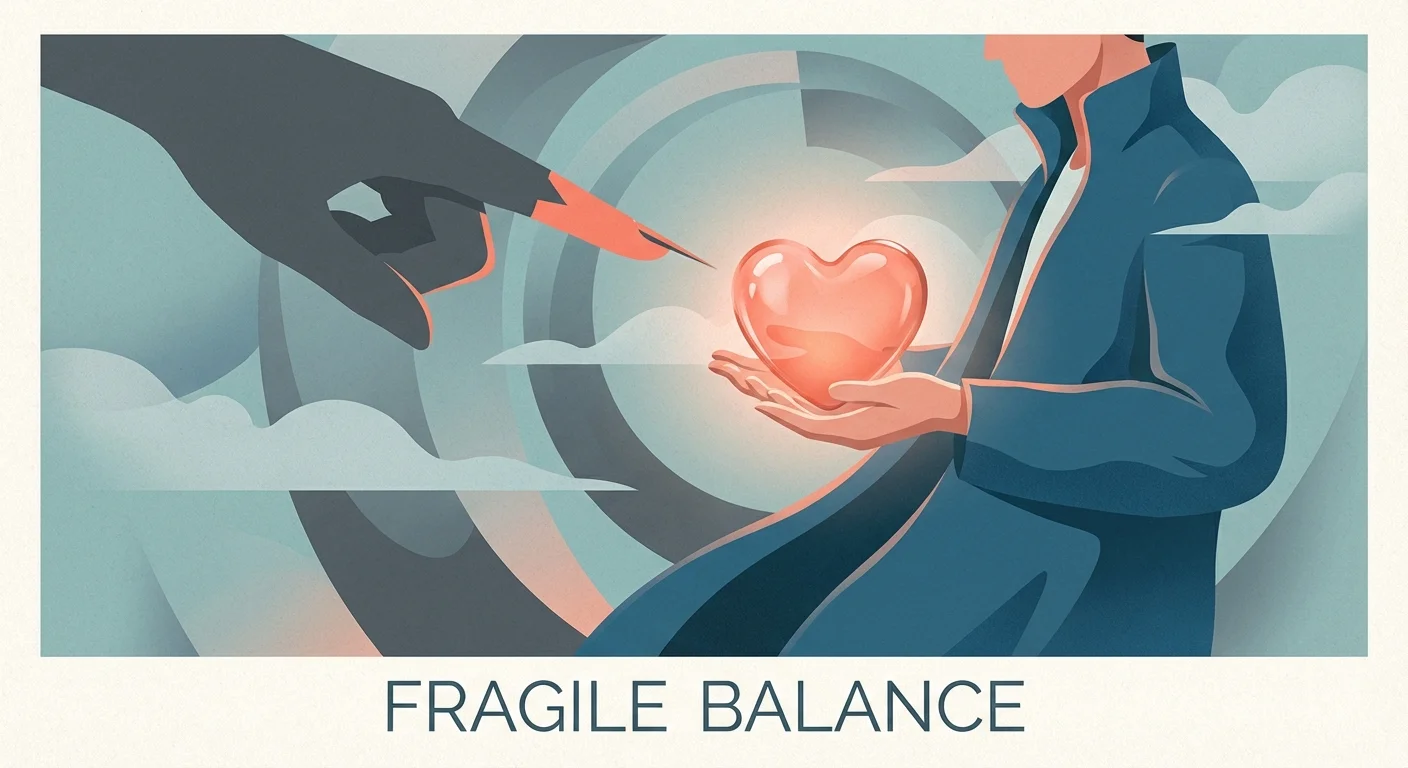
A delicate glass heart being threatened by a sharp needle in a conceptual art style.
A sharp finger points at a glowing heart held in open hands, symbolizing the delicate balance of emotional vulnerability.

1. “You’re Just Too Sensitive”

The Tactic: Invalidation

This is perhaps the most ubiquitous phrase in the narcissist’s arsenal. When you express hurt, disappointment, or anger regarding their behavior, they don’t address your concern. Instead, they attack your reaction to it.

Why It Works: Psychologically, this is a form of minimization. By labeling your emotions as “too much” or “irrational,” they successfully shift the focus from their actions to your psychological state. Over time, this leads to self-doubt, where you begin to suppress your own intuition.

The Reality: Your feelings are a biological signal that a boundary has been crossed.

Actionable Insight: Do not defend your sensitivity. Instead, re-center the conversation on the event. Try saying: “My feelings are not up for debate. We are discussing what you said/did.”


Pages: 1 2 3 4 5 6 7 8 9 10

Share this article

Facebook Twitter Pinterest LinkedIn Email

Leave a Reply Cancel reply

Your email address will not be published. Required fields are marked *

Search

Latest Posts

  • An ink and watercolor illustration of a parent at a table, looking at a phone from which a thorny vine grows. 10 Hidden Signs Your Adult Child Is Toxic
  • A conceptual paper collage showing a silhouette framed by overlapping paper layers, symbolizing a shrinking world. 10 Signs Your Spouse Is Controlling You
  • An adult in a knit sweater sits on a window sill on a gray day, looking out over a misty city with a steaming mug. 10 Subtle Signs You're Just Existing, Not Truly Living
  • Editorial illustration of a person surrounded by a protective warm watercolor aura, deflecting dark droplets on textured paper. 10 Common Psychological Defense Mechanisms - Which One Do You Use?
  • A mixed-media collage silhouette of a person made from torn paper, charcoal sketches, and ink washes, representing fragmented self-trust. 9 Signs of an Emotionally Abusive Relationship
  • A mixed media collage of a human silhouette with layered torn paper in indigo and gold, symbolizing trapped physical energy and healing. 10 Signs Your Body is Holding Trauma
  • An illustration of an adult walking forward, casting a shadow that reveals a towering parental figure behind them. 10 Signs You Were Raised by a Narcissist
  • An editorial gouache illustration of a woman's profile transitioning from concrete architecture to elegant fashion lines. Who Was Melania Before She Met Donald Trump? (A Psychological Portrait)
  • An ink and watercolor illustration of a person holding a large ceramic vase with glowing gold cracks, symbolizing hidden internal pressure. The Psychology of the Person Who Is Always Fine Until They Absolutely Aren't
  • A woman sits in a sunlit home library, looking thoughtfully out a window with an open book on her lap. 12 Signs of a High IQ

Newsletter

Get the latest posts delivered to your inbox.

Related Articles

Sensitive Person

12 Signs You Might Be a Highly Sensitive Person

Do you often feel overwhelmed by your emotions? You Might Be A Highly Sensitive Person!…

Read More →
A woman sits alone at a kitchen table in dim evening light while her partner stands in the background, illustrating emotional distance.

9 Psychological Reasons Why People Stay in Unhappy Relationships

Discover the hidden psychological traps, from the sunk cost fallacy to intermittent reinforcement, that keep…

Read More →

7 Things Men Wish Women Knew About Intimacy

…When it comes to the bedroom, what do men really want? Do you think that…

Read More →
PTSD

PTSD Symptoms: 6 HEALTHY Ways Seniors Can Manage Them

Let’s take a close look at how Seniors can manage PTSD! Are you currently struggling…

Read More →
signs of childhood trauma

5 Warning Signs of Childhood Trauma in Adult Life

Can we identify the signs of childhood trauma in adult life?  In recent years, people…

Read More →

9 Things Men Would Like Women To Know

It’s not a secret that women know better how to express their feelings, emotions, desires,…

Read More →
psychiatrists, signs

9 Signs You Need to See a Psychiatrist NOW

Whenever we hear “mental health,” we are scared, and we tend to panic. Why? Because…

Read More →
signs someone has bad intentions

5 Signs Someone Has Bad Intentions With You

How can you spot the signs someone has bad intentions with you? It can be…

Read More →
dream about your ex dreams

Why Dreams Can Help Us Process Trauma

Dreams have fascinated humans for millennia. They’re the well-known stories we have lived while asleep;…

Read More →

Psychology Diary

The First Step Toward Change Is Awareness

Inedit Agency S.R.L.
Bucharest, Romania

contact@psychologydiary.com

Explore

  • About Us
  • Advertiser Disclosure
  • Contact Us
  • Disclaimer
  • Do not sell my personal information
  • Editorial Policy
  • Frequently Asked Questions
  • Privacy Policy
  • Terms and Conditions
  • Subscribe
  • Unsubscribe

Categories

  • Expert Tips
  • Family
  • Life
  • Marriage
  • Mental Health

© 2026 Psychology Diary. All rights reserved.