Psychology Diary

The First Step Toward Change Is Awareness

  • Home
  • Relationships
  • Mental Health
  • Expert Tips
  • Life
  • Family
  • Marriage

7 Effective Ways to Reduce Anxiety

November 28, 2022 · Mental Health
anxiety
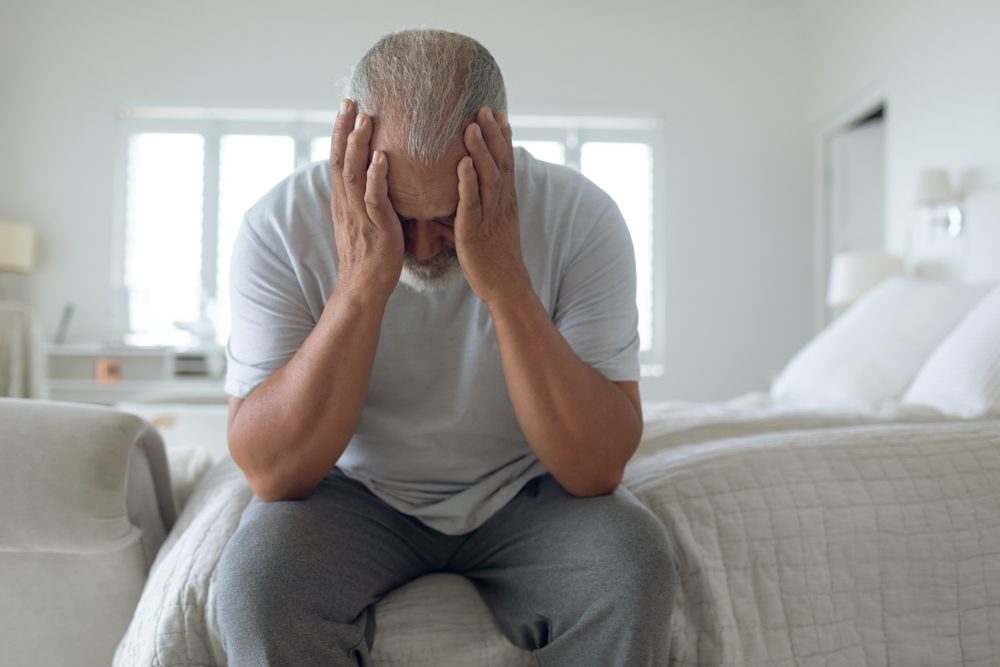
Photo by Duet PandG at Shutterstock

#3 Reduce Screen Time and Phone Use

For many individuals, using computers, smartphones, and tablets in daily life is unavoidable. Despite the fact that these tools are frequently useful, overuse of them can lead to stress. Heavy smartphone use and “iPhone addiction” have been linked in a variety of studies to higher levels of anxiety and mental health issues.

In general, excessive screen usage is linked to decreased psychological well-being and higher levels of stress in both adults and children. Additionally, screen usage may have a detrimental impact on sleep, which might result in greater stress.

You might find that setting some digital boundaries might help to lessen the anxiety brought on by your phone addiction. As an example, don’t check your phone an hour before you go to bed.

Additionally, avoid placing your phone on the nightstand so that this is not the first thing you reach for when you wake up. Keep track of how much you use each day to help you be conscious of what you are doing when using the phone. You can usually verify this information in the settings of your phone or by using an app like Digitox or Space.

Pages: 1 2 3 4 5 6 7 8

Share this article

Facebook Twitter Pinterest LinkedIn Email
Tags: Anxiety

3 responses to “7 Effective Ways to Reduce Anxiety”

  1. Karen says:
    March 2, 2023 at 1:32 pm

    Good Stuff – I am a Senior Fitness Specialist, and will
    be teaching a Yoga class this morning – will bring up
    some of this info – Thanks, Karen

    Reply
  2. Gerald Kageff says:
    March 13, 2023 at 11:51 am

    Week end get a ways, meditation , tai chi, playing guitar are also some stress reducing strategies….

    Reply
  3. Clyde Sexton says:
    March 15, 2023 at 11:39 pm

    Wow! I did not know about how crippling anxiety could be. This info is great.

    Reply

Leave a Reply Cancel reply

Your email address will not be published. Required fields are marked *

Search

Latest Posts

  • A person sits alone on a sofa at dusk, looking exhausted and leaning their head on their hand in a dimly lit, lived-in living room. 8 Signs You’re Emotionally Drained By Someone Close To You
  • Illustration of a person looking into a mirror, oblivious to the people around them who are fading into the background. 8 Keys to Recognizing the Faces of Egocentric Behavior
  • A mixed media collage of an anatomical heart being slowly stained by dark ink, symbolizing the corrosive nature of unspoken resentment. 7 Signs Someone Is Secretly Resentful Toward You
  • A mixed-media collage showing a human silhouette with a fractured internal wooden frame, representing the delicate architecture of trust. 8 Behaviors That Reveal Someone Has Deep Trust Issues
  • An elderly man sits alone at a kitchen table in soft afternoon light while his adult daughter watches from the doorway with concern. Why Some People Become More Difficult With Age—According to Psychologists
  • Conceptual paper-craft illustration of a brain with glowing neural pathways and botanical growth representing cognitive health. The Link Between Physical Activity and Mental Sharpness After 60
  • A senior woman in a sunlit room excitedly examines a green leaf through a magnifying glass, surrounded by plants and gardening tools. Why Seniors Who Stay Curious Live Longer—And How to Cultivate It
  • A man in his 60s working with clay in a pottery studio, symbolizing the transition from a career to a new personal purpose. How to Rebuild Your Identity and Purpose After You Stop Working
  • A single coffee mug on a wooden table next to an empty chair in a sunlit kitchen, representing the quiet of loss. How to Cope with Grief After Losing a Spouse in Retirement
  • An older woman in a knit sweater sits on a porch at dawn, holding a steaming mug and looking thoughtfully at a misty garden. The Power of Gratitude: How Seniors Can Use It to Live Happier Lives

Newsletter

Get the latest posts delivered to your inbox.

Related Articles

pet

6 Amazing Mental Health Benefits of Having a Pet

Physical health We previously mentioned how important it is to have a pet for boosting…

Read More →
Borderline Personality Disorder

Borderline Personality Disorder: 8 Most Scary Misunderstandings

Let’s talk about the most common myths surrounding borderline personality disorder. Borderline personality disorder is…

Read More →
Paranoid Disorder

10 Silent Signs of Paranoid Personality Disorder

Paranoid Personality Disorder, or PPD, is one of those mental health conditions that often flies…

Read More →
Negative Body Language

8 Ways Negative Body Language Is Damaging Your Self-Confidence

Do you have negative body language? Have you ever walked into a room and instantly…

Read More →
traits most criminals share

9 Psychological Common Traits Most Criminals Share

What are the traits most criminals share?  People like John Wayne Gacy, Jeffrey Dahmer, and…

Read More →
physical activity

8 Reasons Why Physical activity Is Good for Our Mental Health

Today, we will craft a guide meant to provide you with various tips on how…

Read More →
affect

7 Negative Ways in Which Stress Affects the Body

Stress Affects Your Pain Experience Due to how stress affects your body, in moments of…

Read More →
Two people sitting on a sofa in a quiet, sunlit living room, showing a moment of supportive connection and listening.

9 Things You Should NEVER Say to Someone With Anxiety

Learn the 9 harmful phrases you should avoid saying to someone with anxiety, why they…

Read More →
how to stop catastrophizing

5 Tips to Help You Stop Catastrophizing

Do you want to know how to stop catastrophizing? This can be a really helpful…

Read More →

Psychology Diary

The First Step Toward Change Is Awareness

Inedit Agency S.R.L.
Bucharest, Romania

contact@psychologydiary.com

Explore

  • About Us
  • Advertiser Disclosure
  • Contact Us
  • Disclaimer
  • Do not sell my personal information
  • Editorial Policy
  • Frequently Asked Questions
  • Privacy Policy
  • Terms and Conditions
  • Subscribe
  • Unsubscribe

Categories

  • Expert Tips
  • Family
  • Life
  • Marriage
  • Mental Health

© 2026 Psychology Diary. All rights reserved.