Psychology Diary

The First Step Toward Change Is Awareness

  • Home
  • Relationships
  • Mental Health
  • Expert Tips
  • Life
  • Family
  • Marriage

The Surprising Link Between Gut Health and Your Mood

August 31, 2025 · Mental Health

Smiling seniors share a healthy meal in a bright kitchen.

A Compassionate Path Forward

The connection between your gut and your brain is a beautiful example of how interconnected our bodies truly are. Understanding this link doesn’t mean blaming yourself for your mood or feeling that your mental health is entirely dependent on what you eat. Instead, see it as an opportunity—an empowering new avenue for self-care and healing.

The journey to better mental wellness is multifaceted. It involves our thoughts, our behaviors, our relationships, our environment, and yes, our physical health. Nurturing your gut-brain axis is one valuable piece of that complex puzzle. It is a tangible, practical way to show up for yourself each day. The small choices you make—adding a vegetable, taking a walk, practicing a moment of deep breathing—are not just for your body; they are messages of care sent directly to your brain.

Remember to approach this with curiosity and self-compassion, not judgment. Some days will be easier than others. There is no perfection, only practice. This is about gently steering your ship in a healthier direction, not about a sudden, jarring change of course. The goal is to build sustainable habits that nourish you from the inside out, complementing—not replacing—the essential support of therapy and medical care when needed.

Here is a simple next step to get you started: For the next seven days, choose just one small habit from this article to focus on. Perhaps it’s eating a spoonful of yogurt each morning, or doing the 5-4-3-2-1 grounding exercise when you feel stressed. At the end of each day, take 60 seconds to write one sentence in a notebook about how you felt. “Felt a bit more energy this afternoon.” “My stomach felt calm today.” “Felt anxious, but the breathing helped.” Just notice, without needing to fix or analyze. This simple act of awareness is the first and most important step on the path forward.

This article is for informational purposes only and does not constitute medical, psychological, or legal advice. It is not a substitute for professional consultation. If you or someone you know is in immediate danger or considering self-harm, please call your local emergency services right away. In the U.S., you can contact the 988 Suicide & Crisis Lifeline by calling or texting 988 anytime. For more resources, you can visit the Substance Abuse and Mental Health Services Administration (SAMHSA).


Pages: 1 2 3 4 5 6 7 8

Share this article

Facebook Twitter Pinterest LinkedIn Email

Leave a Reply Cancel reply

Your email address will not be published. Required fields are marked *

Search

Latest Posts

  • An unposed photo of a man sitting at a kitchen table looking slightly guarded during a quiet, intimate conversation. 8 Body Language Clusters That Indicate Someone Is Holding Back the Truth
  • An ink and watercolor illustration of a morning coffee cup on a wooden table with a gentle ripple, symbolizing subtle early changes. 7 Subtle Signs of Parkinson's Disease in the Early Stages
  • An editorial illustration of a silhouette standing on a fractured path, with a hand gently unravelling a thread from its shoulder. 8 Hidden Signs of Emotional Manipulation in a Relationship
  • Gouache illustration of a couple walking hand-in-hand through a vibrant landscape of overlapping colorful plants and abstract shapes. The 5 Love Languages Revisited: What Really Keeps Couples Close
  • A watercolor illustration of two people on an uneven seesaw, symbolizing a lopsided, selfish relationship dynamic. 10 Signs Someone May Be More Selfish Than They Realize
  • An editorial ink and watercolor illustration of a lonely figure fading into soft gray washes, symbolizing emotional vulnerability. 10 Warning Signs You May Be in an Emotionally Abusive Relationship
  • A couple sits on opposite ends of a long sofa in a dimly lit living room, staring away from each other with a large physical gap between the 10 Signs You're No Longer Connected to Your Partner
  • Editorial ink and watercolor illustration of a person wearing a suit of mirrors as protective armor, symbolizing defensive ego preservation. 9 Signs You Struggle to Admit Mistakes
  • A conceptual mixed-media collage showing dark, chaotic textures emerging from a clean paper silhouette, symbolizing hidden guilt leaking out 7 Signs Someone May Feel Guilty About Something
  • An editorial illustration of a person sitting at a table with a root system growing from their chair into the floorboards. The Mental Symptoms Many People Ignore Until It's Too Late

Newsletter

Get the latest posts delivered to your inbox.

Related Articles

Mind-Decluttering Technique

8 Inspiring Mind-Decluttering Techniques for More Peace and Less Stress

Try some mindful meditation. Mindful meditation is the best practice for staying peaceful and joyful.…

Read More →
types of trauma emotional unavailable

10 Most Common Types of Trauma Explained

Let’s talk about the most common types of trauma! While nearly everyone experiences traumatic or…

Read More →
A senior woman in a sunlit room excitedly examines a green leaf through a magnifying glass, surrounded by plants and gardening tools.

Why Seniors Who Stay Curious Live Longer—And How to Cultivate It

Discover the psychological and neurological reasons why staying curious helps older adults live longer, along…

Read More →
A single coffee mug on a wooden table next to an empty chair in a sunlit kitchen, representing the quiet of loss.

How to Cope with Grief After Losing a Spouse in Retirement

Learn practical, evidence-based strategies to cope with the loss of a spouse in retirement, protect…

Read More →
tips for de-stressing

8 Tips for De-Stressing After a Conflict

7. Distance yourself from the situation We all feel more emotional immediately after a disagreement,…

Read More →
Two hands clasped together, showing support.

How to Support a Partner or Friend Experiencing a Mental Health Crisis

Don’t Forget Yourself: Managing Caregiver Stress Supporting a loved one through a mental health crisis…

Read More →
anxiety

7 Effective Ways to Reduce Anxiety

#7 Set Limits and Learn to Say “No” Some stressors are out of your control,…

Read More →
Lonely, frienship, feel

Feeling Lonely? Here Are 8 Genius Ways to Combat Isolation in Retirement

If you or an elderly person you love has been feeling lonely, this article’s for…

Read More →
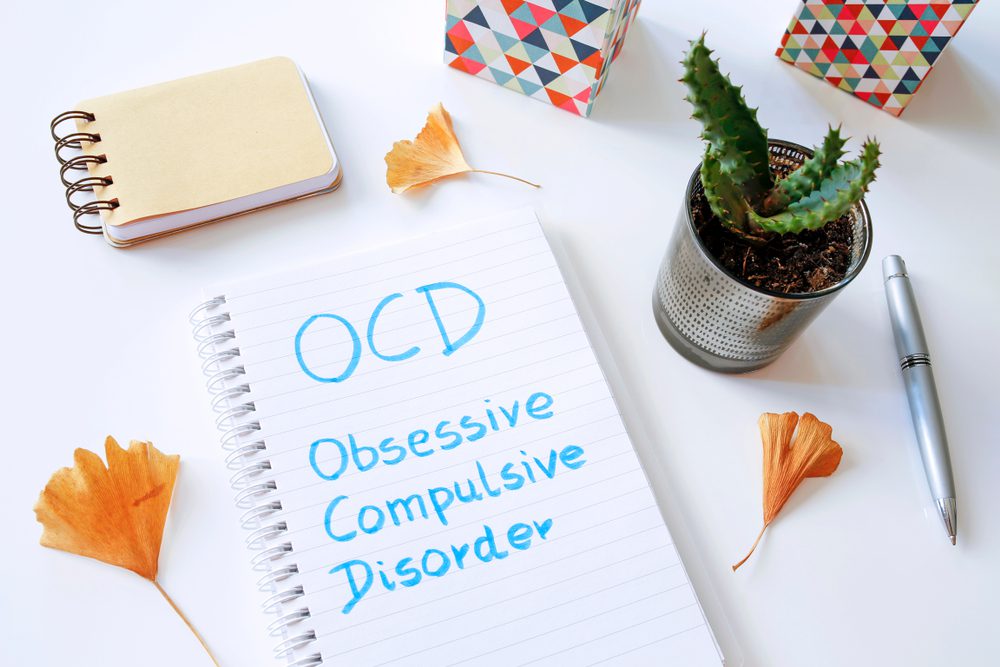
OCD

Could It Be OCD? These 9 Interesting Facts Will Surprise You

…Have you ever heard about obsessive-compulsive disorder, also simply known as OCD? You’ve surely met…

Read More →

Psychology Diary

The First Step Toward Change Is Awareness

Inedit Agency S.R.L.
Bucharest, Romania

contact@psychologydiary.com

Explore

  • About Us
  • Advertiser Disclosure
  • Contact Us
  • Disclaimer
  • Do not sell my personal information
  • Editorial Policy
  • Frequently Asked Questions
  • Privacy Policy
  • Terms and Conditions
  • Subscribe
  • Unsubscribe

Categories

  • Expert Tips
  • Family
  • Life
  • Marriage
  • Mental Health

© 2026 Psychology Diary. All rights reserved.