Psychology Diary

The First Step Toward Change Is Awareness

  • Home
  • Relationships
  • Mental Health
  • Expert Tips
  • Life
  • Family
  • Marriage

The Psychology of Scammers: Why Seniors Are a Target and How to Protect Yourself

August 31, 2025 · Expert Tips

Friend comforting upset senior in living room after scam.

The Hidden Psychology: Why Scammers Target Older Adults

To effectively protect ourselves, we must first dismantle a harmful myth: that people who fall for scams are foolish or “gullible.” The reality is that scammers are criminals who run sophisticated psychological operations. They target specific vulnerabilities that are part of the normal human experience, some of which become more prominent with age. Understanding these factors is the first step toward building a strong defense.

The Myth of Gullibility vs. The Reality of Expertise

Think of a scammer not as a simple thief, but as a professional manipulator who rehearses their scripts, studies psychological triggers, and hones their techniques every day. They are experts in persuasion. Victims are not chosen because they are unintelligent; they are chosen because they are human. Scammers exploit universal human tendencies like trust, fear, and the desire to help others. When we reframe the issue from a victim’s “failure” to a criminal’s “expertise,” we can approach the problem with strategy instead of shame.

Cognitive Factors in Normal Aging

As we age, our brains change. Many of these changes are perfectly normal and do not signal a serious problem, but they can subtly shift how we process information, especially under pressure. Scammers are keenly aware of these shifts.

One key area is working memory, which is like the brain’s temporary notepad or RAM. It holds and manipulates information for short-term tasks, like remembering a phone number while you dial it or following a multi-step instruction. Research shows that working memory capacity can naturally decline with age. A scammer on the phone will often overwhelm this system by talking rapidly, throwing out complex jargon, and issuing a sequence of urgent demands. This makes it difficult to hold onto all the details, evaluate them logically, and spot inconsistencies.

Another factor is the “positivity effect.” Studies in the psychology of aging suggest that as people get older, they tend to pay more attention to and remember positive information over negative information. This can lead to a more trusting, optimistic outlook—a wonderful trait in daily life, but one that scammers can exploit. They may present a “too good to be true” offer, and the natural inclination might be to focus on the positive potential rather than the potential risk.

Social and Emotional Factors

Our emotional and social lives also play a significant role. Scammers often prey on feelings of loneliness or isolation. For an older adult who may have fewer daily social interactions, a friendly and charismatic scammer can become a source of regular contact, building a deceptive rapport over weeks or even months in romance or investment schemes.

Major life transitions, such as retirement, the loss of a spouse, or a new medical diagnosis, can also create emotional vulnerability. During these times, our emotional resources may be depleted, making it harder to maintain vigilance against external threats. Scammers use these moments to present themselves as a solution to a problem, offering companionship, financial security, or help.

Finally, generational norms can play a part. Many older adults were raised in an era where it was considered polite to answer the phone, listen patiently, and show respect for authority. Scammers exploit this courtesy. They know that someone with these values is less likely to interrupt, question authority, or simply hang up the phone, giving the scammer more time to weave their manipulative web.

Financial Security as a Target

The simple truth is that older adults are often targeted because they are more likely to have accumulated assets, such as a retirement nest egg or equity in a home. After a lifetime of hard work and saving, they represent a lucrative target for financial scams. Scammers are not just opportunistic; they are strategic in identifying populations that are most likely to have the funds they seek to steal.


Pages: 1 2 3 4 5 6 7 8 9

Share this article

Facebook Twitter Pinterest LinkedIn Email

Leave a Reply Cancel reply

Your email address will not be published. Required fields are marked *

Search

Latest Posts

  • A mixed-media collage of a fragmented silhouette head with an anchor being cut, symbolizing the loss of one's grip on reality. 10 Signs Someone Is Trying to Distort Your Reality
  • A mixed media collage of a beautiful white flower with hidden barbed wire roots and thorny stems on a textured vintage paper background. 8 Behaviors That Reveal Hidden Toxicity
  • A candid photo of a couple in a dim living room, showing a sense of emotional distance and unspoken tension. 10 Traits That May Reveal Covert Narcissism
  • A couple sits on a sofa in a dimly lit room, one person looking at a phone while the other looks away, capturing a moment of secrecy. 8 Signs Someone May Be Hiding More Than They Admit
  • An ink and watercolor illustration of a human head cracking like stone, with golden light leaking through the fissures. 11 Small Clues That Can Expose a Lie
  • An abstract editorial illustration of a silhouette with a tangled nest of lines inside its head, symbolizing mental confusion. 8 Warning Signs Someone May Be Playing Mind Games
  • A mixed media collage of a silhouette filled with torn paper and translucent layers, symbolizing the invisible nature of emotional neglect. 10 Traits of People Emotionally Neglected as Kids
  • A mixed-media collage showing a rigid, golden silhouette with cracks revealing a soft, watercolor interior, representing performative armor. 7 Behaviors People Mistake For Confidence But Aren’t
  • A woman sits alone at a kitchen table in dim evening light while her partner stands in the background, illustrating emotional distance. 9 Psychological Reasons Why People Stay in Unhappy Relationships
  • An illustration of a person using a prism to turn a chaotic blue wave into a clear spectrum of distinct colors. 10 Signs You Have Exceptionally High Emotional Intelligence

Newsletter

Get the latest posts delivered to your inbox.

Related Articles

8 Common Reasons Why Couples Fight

Fighting is normal. Friends argue, relatives argue and partners argue too. In every human relationship,…

Read More →
Earning Respect From Others

Having Trouble Earning Respect From Others? These 7 Simple Behaviors Could Explain It

You don’t keep promises and tend to lie Earning respect from others doesn’t happen overnight.…

Read More →

These 7 New Exercises Prevent Dementia

Use It Or Lose It! Whether dementia runs in your family or you already have…

Read More →
thankful

8 Diseases You Can Prevent By Being Thankful

1. Type II diabetes Bit by bit, our lifestyle choices, like a lack of exercise…

Read More →
Save money on therapy

You Can Save Money on Therapy! Here’s How

Save money on therapy by following these steps:  The thought of going to therapy crossed…

Read More →
temperaments

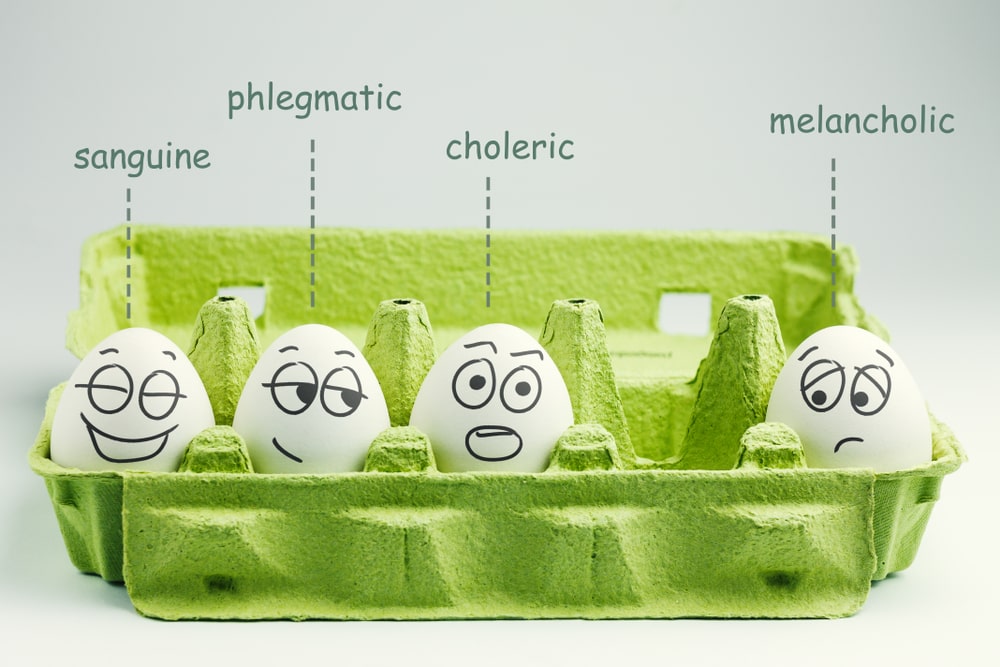
4 Types of Temperaments: Curious About Yours?

Were you ever curious about what temperaments are all about? When it comes to temperament,…

Read More →
attract good people

5 Best Ways to Attract Good People in Your Life

There are ways to have good people in your life! Start attracting them today! A…

Read More →
Post-Divorce

20+ Post-Divorce Mistakes You Should Avoid No Matter What

Have YOU been making any of these post-divorce mistakes? Getting a divorce is not the…

Read More →
stress

High Stress Levels? 8 Definite Signs Your Body Sends You

1. You have short memory After a while, it’s something normal to forget things, but…

Read More →

Psychology Diary

The First Step Toward Change Is Awareness

Inedit Agency S.R.L.
Bucharest, Romania

contact@psychologydiary.com

Explore

  • About Us
  • Advertiser Disclosure
  • Contact Us
  • Disclaimer
  • Do not sell my personal information
  • Editorial Policy
  • Frequently Asked Questions
  • Privacy Policy
  • Terms and Conditions
  • Subscribe
  • Unsubscribe

Categories

  • Expert Tips
  • Family
  • Life
  • Marriage
  • Mental Health

© 2026 Psychology Diary. All rights reserved.