Psychology Diary

The First Step Toward Change Is Awareness

  • Home
  • Relationships
  • Mental Health
  • Expert Tips
  • Life
  • Family
  • Marriage

The Psychology of Scammers: Why Seniors Are a Target and How to Protect Yourself

August 31, 2025 · Expert Tips

Senior woman reviewing finances at home.

After a Scam: The Psychology of Recovery and Reporting

Discovering you have been the victim of a scam can be a devastating experience. The financial loss is painful, but the emotional toll can be even greater. It is common to feel a mix of anger, embarrassment, shame, and fear. The first and most important thing to know is this: You are the victim of a crime. It is not your fault. Skilled criminals targeted you with powerful psychological tools. Your recovery starts with self-compassion and taking strategic steps to regain control.

Step 1: Focus on Immediate Financial Safety

Before you do anything else, take action to protect your finances from further harm. Move quickly and methodically.

Contact Your Financial Institutions: Call your bank, credit union, and credit card companies immediately. Tell them you have been a victim of fraud. Ask them to freeze any compromised accounts, stop payment on any pending transfers, and reverse any fraudulent charges if possible. They have dedicated fraud departments to handle these situations.

Change Your Passwords: If you provided any online account information or believe your computer was compromised, change your passwords immediately. Start with your email, online banking, and any other sensitive accounts.

Place a Fraud Alert: Contact one of the three major credit bureaus (Equifax, Experian, or TransUnion) to place a free fraud alert on your credit file. This makes it harder for someone to open new accounts in your name. You only need to contact one; they are required to notify the other two.

Step 2: Report the Crime to Protect Yourself and Others

Reporting a scam can feel daunting, but it is a crucial step. It helps law enforcement track criminal networks, and it creates an official record of the crime, which you may need for your bank or insurance. Reporting also helps protect others from falling for the same scheme. It is a powerful act of community service.

Where to Report:

The Federal Trade Commission (FTC): Report most types of scams online at the FTC’s website. They collect reports to build cases and identify trends.

The FBI Internet Crime Complaint Center (IC3): If the scam occurred online or involved the internet, file a complaint with the FBI’s IC3.

Local Police Department: File a report with your local police. This is especially important if you know the scammer’s identity or if there was a local component to the crime. Get a copy of the police report for your records.

Step 3: Process the Emotional Impact

The emotional recovery is just as important as the financial one. Allow yourself space to process what happened without judgment.

Practice Self-Compassion: Speak to yourself as you would a dear friend who went through the same experience. Remind yourself, “I was targeted by a professional criminal. This is not a reflection of my worth or intelligence.” Blame the perpetrator, not the victim.

Use a Grounding Technique: If you feel overwhelmed by anxiety or shame, bring your attention back to the present moment with a grounding exercise. Try the 5-4-3-2-1 Method. Take a slow breath, and then calmly name:

5 things you can see around you.

4 things you can physically feel (the chair beneath you, your feet on the floor).

3 things you can hear.

2 things you can smell.

1 thing you can taste.

Talk About It: Shame thrives in silence. Sharing your experience with a trusted friend, family member, or member of your Verification Circle can be incredibly healing. It reduces the emotional burden and reinforces that you are not alone.

If the feelings of distress persist and interfere with your daily life, consider speaking with a mental health professional. A therapist can provide a safe, confidential space to work through the trauma of the event and develop coping strategies. Resources are available from organizations like the Substance Abuse and Mental Health Services Administration (SAMHSA).


Pages: 1 2 3 4 5 6 7 8 9

Share this article

Facebook Twitter Pinterest LinkedIn Email

Leave a Reply Cancel reply

Your email address will not be published. Required fields are marked *

Search

Latest Posts

  • A mixed-media collage of a fragmented silhouette head with an anchor being cut, symbolizing the loss of one's grip on reality. 10 Signs Someone Is Trying to Distort Your Reality
  • A mixed media collage of a beautiful white flower with hidden barbed wire roots and thorny stems on a textured vintage paper background. 8 Behaviors That Reveal Hidden Toxicity
  • A candid photo of a couple in a dim living room, showing a sense of emotional distance and unspoken tension. 10 Traits That May Reveal Covert Narcissism
  • A couple sits on a sofa in a dimly lit room, one person looking at a phone while the other looks away, capturing a moment of secrecy. 8 Signs Someone May Be Hiding More Than They Admit
  • An ink and watercolor illustration of a human head cracking like stone, with golden light leaking through the fissures. 11 Small Clues That Can Expose a Lie
  • An abstract editorial illustration of a silhouette with a tangled nest of lines inside its head, symbolizing mental confusion. 8 Warning Signs Someone May Be Playing Mind Games
  • A mixed media collage of a silhouette filled with torn paper and translucent layers, symbolizing the invisible nature of emotional neglect. 10 Traits of People Emotionally Neglected as Kids
  • A mixed-media collage showing a rigid, golden silhouette with cracks revealing a soft, watercolor interior, representing performative armor. 7 Behaviors People Mistake For Confidence But Aren’t
  • A woman sits alone at a kitchen table in dim evening light while her partner stands in the background, illustrating emotional distance. 9 Psychological Reasons Why People Stay in Unhappy Relationships
  • An illustration of a person using a prism to turn a chaotic blue wave into a clear spectrum of distinct colors. 10 Signs You Have Exceptionally High Emotional Intelligence

Newsletter

Get the latest posts delivered to your inbox.

Related Articles

8 Common Reasons Why Couples Fight

Fighting is normal. Friends argue, relatives argue and partners argue too. In every human relationship,…

Read More →
Earning Respect From Others

Having Trouble Earning Respect From Others? These 7 Simple Behaviors Could Explain It

You’re trying too hard Popularity is the be-all and end-all when you’re in high school.…

Read More →

These 7 New Exercises Prevent Dementia

Use It Or Lose It! Whether dementia runs in your family or you already have…

Read More →
thankful

8 Diseases You Can Prevent By Being Thankful

6. Obesity As we previously mentioned, being thankful can help you improve your mental health…

Read More →
Save money on therapy

You Can Save Money on Therapy! Here’s How

Save money on therapy by following these steps:  The thought of going to therapy crossed…

Read More →
temperaments

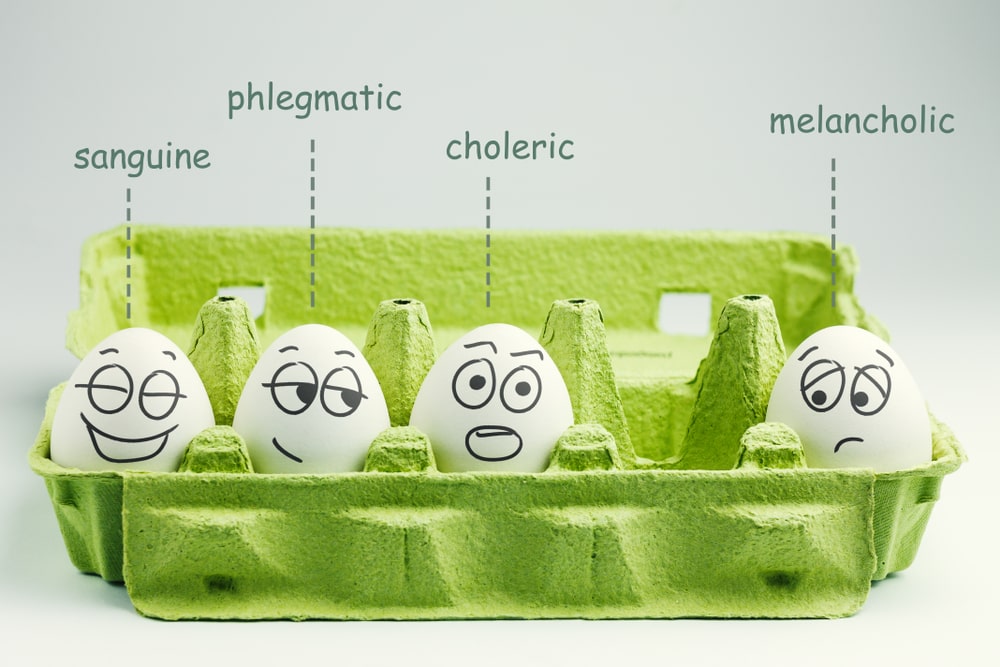
4 Types of Temperaments: Curious About Yours?

Were you ever curious about what temperaments are all about? When it comes to temperament,…

Read More →
attract good people

5 Best Ways to Attract Good People in Your Life

There are ways to have good people in your life! Start attracting them today! A…

Read More →
Post-Divorce

20+ Post-Divorce Mistakes You Should Avoid No Matter What

Have YOU been making any of these post-divorce mistakes? Getting a divorce is not the…

Read More →
stress

High Stress Levels? 8 Definite Signs Your Body Sends You

5. Digestive issues Your liver creates more blood sugar when you are stressed out to…

Read More →

Psychology Diary

The First Step Toward Change Is Awareness

Inedit Agency S.R.L.
Bucharest, Romania

contact@psychologydiary.com

Explore

  • About Us
  • Advertiser Disclosure
  • Contact Us
  • Disclaimer
  • Do not sell my personal information
  • Editorial Policy
  • Frequently Asked Questions
  • Privacy Policy
  • Terms and Conditions
  • Subscribe
  • Unsubscribe

Categories

  • Expert Tips
  • Family
  • Life
  • Marriage
  • Mental Health

© 2026 Psychology Diary. All rights reserved.