

Let’s talk about negotiation skills!
From agreeing to your start date to signing off on your retirement package, your negotiation skills can play a key part in your professional life. The ability to employ negotiation skills effectively can help you get the promotions and pay you want, settle differences with coworkers, and advocate for stuff that is important to you, such as moving up the career ladder.
Business negotiators are realizing more and more that the best bargainers are those who can create and claim value simultaneously—that is, they both collaborate and compete. But what are those negotiation skills that can help you improve your outcomes?
Keep reading to discover them!

1. Figure out what you want
Negotiation requires planning to help figure out what you want and how the terms will be fulfilled. Make a list of what’s important to you and prioritize every item listed ahead of time. You should enter into a negotiation with clear goals and be ready to adjust your expectations during this give-and-take process.
As one of the best negotiation skills, planning helps you prepare for different possible outcomes. You should consider the best possible outcome, the least acceptable offer you’d be OK with, and what you’ll do if an agreement isn’t reached. Planning, thinking, and preparing ahead are crucial to a successful negotiation.
According to experts, the best negotiators enter a discussion with a plan B, if not even with a plan C or D. Consider all possible outcomes and be ready for each of these scenarios. This is what is called the “best alternative to a negotiated agreement,” or BATNA, shortly.
Cultivate your willingness and ability to walk away and take another deal. It will help you minimize the chances of being taken by surprise.
2. Communication
Essential negotiation skills include identifying verbal skills and nonverbal cues to express yourself engagingly. Skilled negotiators can adjust their communication styles to meet the listener’s needs. When you establish clear communication, you can avoid misunderstandings that could keep you from coming to a compromise.
Also, good communication in a negotiation means asking the right questions and getting the answers you need. You can gain more in negotiation by asking lots of questions—ones that are likely to offer helpful answers.
Avoid asking leading questions, such as “Don’t you think that’s a good idea?” or “yes or no” questions. Instead, craft neutral questions that ask for detailed responses, such as “Can you tell me more about the requirements I need to meet?”
3. Listen actively
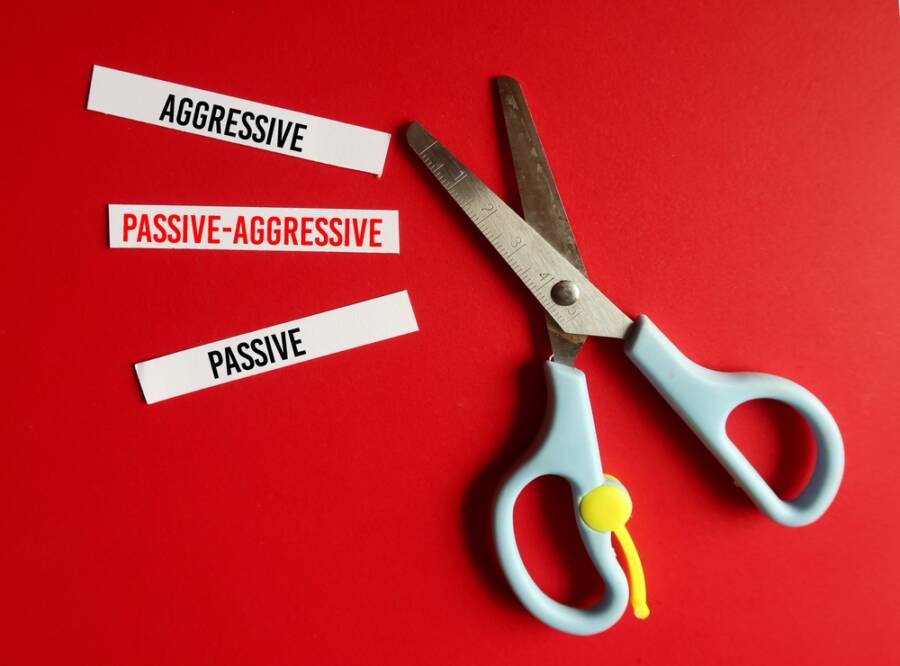
Active listening is also one of the most important negotiation skills for understanding the opinion of the other person you’re talking with. Unlike passive listening, which is hearing without retaining the message, active listening helps you engage and later recall certain details without needing information repeated.
Once you start discussing substance, resist the common urge to plan what you’re going to say next while the speaker is talking. Instead, listen carefully to their arguments, and if you think you didn’t get well what they said, paraphrase what you believed they said to check your understanding. Acknowledge any distressing feelings, like frustration, behind the message.
Not only does listening actively help you acquire valuable information, but it can also make the other party mimic your exemplary listening skills.
4. Adaptability
Adaptability is crucial for successful negotiation. Each negotiation is unique, and the situation can change from one day to another. For instance, an involved party may change their demands all of a sudden. While it’s challenging to have a plan for every possible situation, a good negotiator can adapt quickly and figure out a new plan if needed.
When negotiating, you should be open to exploring new ideas and adjust your approach based on the evolving dynamics of the negotiation. By remaining flexible, you can more effectively respond to challenges and take advantage of opportunities as they arise.
Keep reading to discover other negotiation skills!

5. Persuasion
The ability to influence others is an essential negotiation skill. It can help you demonstrate why your proposed solution benefits all parties and persuade others to support your point of view. Additionally, a good negotiator is assertive when necessary. Assertiveness allows you to share your opinions while respecting the other side’s perspectives, making it one of the most important negotiation skills.
Argue your case with logic. Do careful research on your proposed solution and ideas, and make sure that any claims you make can be verified.
Learning the skill of persuasion will enable you to handle any disputes during a negotiation. The skill isn’t just restricted to business negotiations. It can also help in purchasing a house and even in street fights.
6. Emotional intelligence
Emotional intelligence is the ability to manage your emotions and recognize others’ feelings. When you’re conscious of the emotional dynamics during a negotiation, you can stay calm and more focused on the core issues.
At the heart of negotiation are the people affected by the outcomes, which by their very nature are emotional. You can’t separate people from what they want, so it goes without saying that you can’t separate emotions from people.
Therefore, you need to accept the existence of emotions in the negotiation process and steer those emotions toward more positive outcomes. A good negotiator can limit the damaging effects of negative emotions while using positive emotions to enhance decision-making and build stronger relationships.
If you want to learn more about emotional intelligence and build more negotiation skills, this book is the perfect introduction for you.
7. Rapport building
Next on the list of crucial negotiation skills is the ability to build rapport. This lets you establish relationships with others where both parties feel understood and supported. Building a rapport implies communicating your goals and understanding the other side’s needs and wants. Rapport promotes collaboration, helps ease tension, and boosts the chances of reaching an agreement.
Although it’s not always feasible to engage in small talk at the beginning of a negotiation (especially if you’re on a tight deadline), doing so can bring real benefits, according to experts.
You and your counterpart may be more collaborative and likely to come to an agreement if you spend even just a couple of minutes trying to get to know each other. If the negotiation occurs through email, even a brief introductory video call or phone call may make a difference.

8. Be aware of the anchoring bias
Several studies show that the first number mentioned in a negotiation talk, however arbitrary, exerts a strong influence on the discussion that follows. You can avoid becoming the next victim of the anchoring bias by making the first offer(s), and trying to anchor talks in a direction that’s favorable for you.
If the other party does anchor first, keep BATNA and aspirations at the forefront of your mind, pausing to come back to them as needed.
9. Viewing rejection as an opportunity to learn
Your negotiation reflects your assertiveness, which, as already stated, is one of the most important negotiation skills. Even if you don’t get what you ask for and the offer you end up with isn’t the one you wanted, chances are that this experience has taught you something about yourself and about what you might do differently the next time.
Don’t be hard on yourself, and think of the things you’ve learned as positive outcomes, because that’s what they are.
If you liked our article on negotiation skills, you may also want to read 10 Subtle Signs Someone’s Lying To You.








Leave a Reply