

Today, we will craft a guide meant to provide you with various tips on how to look after your mental health using physical activity. There are many different reasons as to why physical activity is recommended for your body.
After all, having a healthy heart and knowing how to improve your joints and bones are only two of them. But did you know that physical activity is also good for your mental health and well-being? We have to change how we view physical activity from something we “have to do” to something that’s “good for us.”
At the most basic level, physical activity implies any kind of movement of your body that uses your muscles and expends energy. One of the best things about physical activity is that there are plenty of possibilities and options for each and every one of us.
It is also advised to do between 75 and 150 minutes of exercise a week. This can be either moderate-intensity exercise, like walking, hiking, or riding a bike, or it can imply something a bit more vigorous, like running, fast swimming, aerobics, or even skipping with a rope.
Any kind of activity that raises your heart rate also makes you breathe faster, and it makes you feel warmer. This also counts as exercise.

Daily physical activity
Physical activity for adults can generally include recreational or even leisure-time physical activity, transportation, occupational activity, household chores, play, games, sports, and planned exercise in the context of daily, family, and even community activities.
Sometimes, everyday things like walking to the bus stop, carrying bags, or simply climbing stairs count. They can all add up to 150 minutes of exercise a week recommended for the average adult.
Sport
This refers to any kind of structured and competitive activities, such as football, squash, or even cricket. We can easily play these as part of a team or on our own. It can be a fun and interactive way of getting exercise that doesn’t need to feel like exercising.
Such activities can differ in intensity, and they can include high-intensity activities, like tennis, athletics, swimming, and keep-fit classes (here’s a practical pair of sports shoes, if you were in need of a new one). They can also be lower-intensity activities and sports, like snooker or darts. Making exercise fun than something that feels like a chore helps us stay motivated.
More about well-being
As per the government’s definition, well-being is a “positive physical, social, and mental state.” Naturally, it doesn’t have a single, universal definition, but it can encompass factors like:
- a sense of feeling good about ourselves and being able to function well individually or in relationships;
- the capacity to deal with the ups and downs in life, like coping with challenges or making the most out of certain opportunities;
- feeling connected to our community and surroundings;
- having control and freedom over our lives;
- having a sense of purpose and feeling deeply valued.
But it’s also worth mentioning that well-being doesn’t automatically mean being happy all the time. It also doesn’t mean that you don’t get to experience negative or painful emotions, like grief, loss, or failure, which are also part of normal life. But whatever your age is, being physically active can help you lead a mentally healthier life and can also improve your well-being.
What impact does physical activity have on well-being?
Physical activity has an immense potential to enhance our well-being. Even a short burst of 10 minutes of slow walking can increase our mental alertness and energy, and give us an overall better mood.
Participation in constant physical activity can definitely increase our self-esteem, as well as reduce stress and anxiety. It also plays a huge role in preventing the development of mental health issues and in improving the quality of life of people who are experiencing mental health issues.
Impact on our mood
Physical activity has been proven to have a positive impact on our mood. A study asked a group of people to rate their mood right after performing physical activity and then after periods of inactivity (like reading a book or watching television).
Researchers discovered that the participants felt more content, awake, and much calmer after being physically active, especially compared to those periods of inactivity. Moreover, they discovered that the effect of physical activity on different ranges of intensity levels also impacts people’s moods.
All in all, research proved that low-intensity aerobic exercise, for 30 to 35 minutes, 3 to 5 days a week, for 10 to 12 weeks, was the best at increasing positive moods, such as enthusiasm and alertness.
Impact on our stress
When something makes us feel threatened or upset, it messes up our inner balance. Our body’s defenses cut in and start creating some sort of stress response, which might make us feel a wide variety of uncomfortable physical symptoms and make us behave differently.
We could also experience emotions more intensely. The most common physical signs of stress often include sleeping issues, sweating, and loss of appetite. These symptoms are triggered by a rush of stress hormones in our body, commonly known as the “fight or flight” response.
These hormones, adrenaline, and noradrenaline, raise our blood pressure, but also mess with our heart rate and increase the rate at which we sweat. Simply put, we prepare an emergency response.
They might also reduce blood flow to our skin and our stomach activity. At the same time, cortisol, another stress hormone, releases fat and sugar into the system to boost our energy. Physical exercise can be extremely effective in relieving stress. In fact, research on employed adults has proven that highly active individuals tend to have lower stress rates than less active individuals.
Impact on our self-esteem
Not only does exercise have a wonderful impact on our physical health, but it can also increase our self-esteem. Self-esteem is how we feel about ourselves and how we perceive our self-worth. It is also a key indicator of our mental well-being, and our capacity to cope with life stressors.
Physical activity has been shown to have a positive influence on our self-esteem and self-worth. This relationship has been found in kids, adolescents, young adults, adults, and other people, and among males and females.
Dementia and cognitive decline in older people
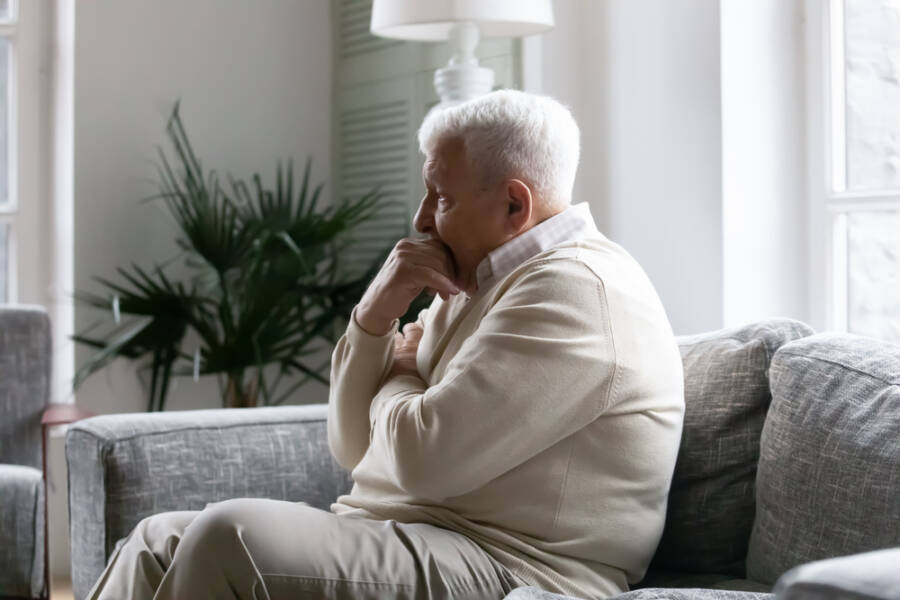
Improvements in healthcare pointed towards an increasing life expectancy, as well as a growing population of people over 65 years old. Alongside this specific increase in life expectancy, there has been an increase in the number of people living with dementia and those with cognitive decline.
The main symptom of dementia is memory loss, which is a progressive disease that results in people becoming more impaired as they advance in age. The decline in cognitive functions, like attention and concentration, takes place in older people, including those who do not develop dementia.
Physical activity seems to stand as a protective factor in studies that examined risk factors for dementia. For people who already developed the disease, physical activity helps delay further decline in functioning.
Studies also proved that there is around 20% to 30% lower risk of depression and dementia for adults who participate in daily physical activity. Physical activity also seems to efficiently reduce the likelihood of experiencing cognitive decline in those who do not have dementia.
If you found this article useful, we also recommend checking: 10 Reasons Why Assisted Living Facilities Are a Great Decision





Leave a Reply