
Psychology Diary

The First Step Toward Change Is Awareness

  • Home
  • Relationships
  • Mental Health
  • Expert Tips
  • Life
  • Family
  • Marriage

5 Negative Ways Aging Seriously Impacts a Senior’s Mental Health

January 5, 2023 · Mental Health
Aging
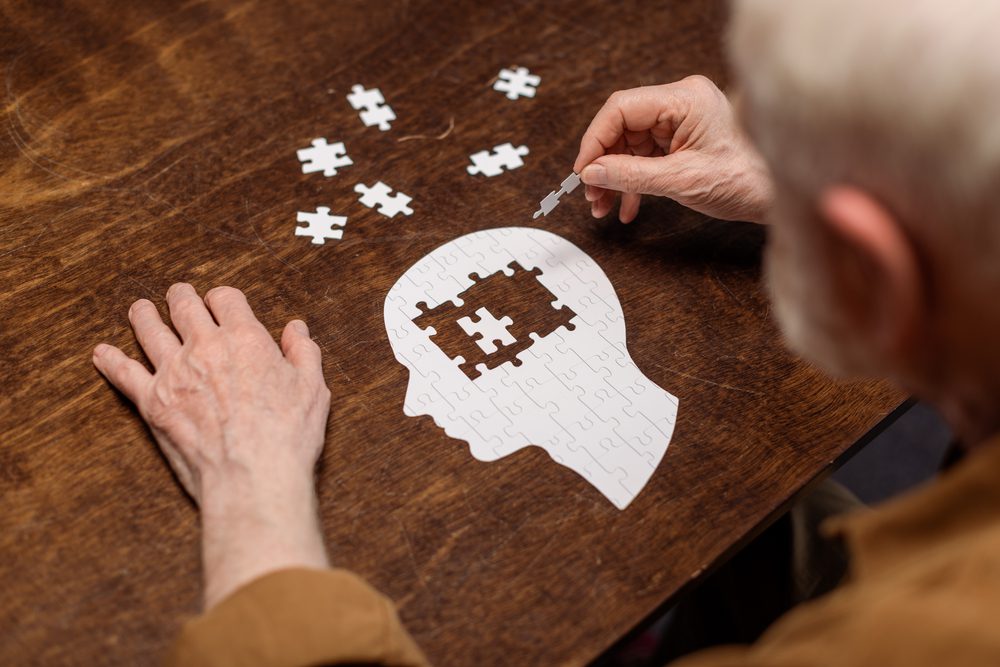
Photo by Africa Studio at Shutterstock

How Can You Help A Senior You Care About With Their Mental Health Issues?

We’ve come up with a list of tips for helping a senior manage their mental health and ensuring they get the care they need:

  1. Organize a medical file for your aging loved one. It should include their name, date of birth, and current prescriptions. It should also have a list of any vitamins or supplements and a list of all physicians and their contact information. Be sure to make a backup copy and bring it to all your loved one’s appointments.
  2. Prepare for physician’s appointments by discussing the senior’s medication routines, problems or missed dosages, and any side effects they might be experiencing. Also, come up with a list of questions for their doctor.
  3. Offer to accompany them to their doctor appointments. Bring a notepad for taking detailed notes. Ask for clarification of any information or medical terminology you don’t understand.
  4. If a new medication is offered, speak with the doctor about how they work: the risks, side effects, and benefits of each option, and the how much they cost. Some medicines will require lifestyle changes, like refraining from drinking alcohol or avoiding specific foods. Be sure to discuss this part.
  5. Do some research on any diagnosis. But be sure to get information from respected websites like the American Psychological Association and the Centers for Disease Control and Prevention. Misinformation surrounding mental illness happens when people don’t use factual information.
  6. Help the person you care about make a plan to take their medicines as prescribed and get their refills. This could also include noting side effects and learning when to call the doctor about negative reactions.
  7. You and the person in question should make an appointment with their physician or pharmacist yearly to review all their medications, vitamins, and supplements. Doctors recommend taking them all in a bag, also known as a brown bag check-up. An appointment like this can discover duplicate medications, harmful interactions, and medicines that aren’t needed anymore or ones that should be phased out.
  8. Only use one pharmacy. When one place has all of a person’s prescriptions on file, it helps prevent drug interactions, duplicate prescriptions, and allergic reactions.
  9. Encourage the senior you care about to seek the right kind of support. Social isolation and feelings of loneliness will increase the risk of depression. A solid network of support is vital to the mental health of aging adults.
  10. Encourage them to exercise as much as they can. Physical activity is a low-cost treatment for anxiety, depression, and many other mood disorders.
  11. Be on the lookout for your loved one’s overall mindset and take prompt action if they begin experiencing any severe side effects or mood changes, including suicidal thoughts or hallucinations. If you’ve kept in touch with their doctor to learn about their case, you should be aware of the warning signs to look for and how you should react.

We hope you’ve found this article on dealing with aging helpful. Make sure to take a look at some other great reads we have on our site. We highly recommend reading: 7 Senior Social Anxiety Symptoms and 8 Effortless Ways You Can Cope

Pages: 1 2 3 4 5 6 7 8

Share this article

Facebook Twitter Pinterest LinkedIn Email
Tags: Anxiety, Depression

Leave a Reply Cancel reply

Your email address will not be published. Required fields are marked *

Search

Latest Posts

  • A conceptual mixed media collage with a compass, geometric shapes, and watercolor washes symbolizing structure and flow. 8 Signs You’re a Self-Disciplined Person
  • A mixed media collage of a figure made of layered paper and watercolor, symbolizing emotional flexibility and resilience. 12 Signs You're Mentally Stronger Than You Realize
  • A mixed media collage of a person's face with shifting, layered textures and torn paper edges symbolizing a mental break. 10 Signs of a Psychotic Break
  • A conceptual illustration showing a father and daughter separated by a deep chasm in the floor of their dining room. 10 Habits That Push People Away (Your Children Too)
  • A conceptual collage of a head silhouette filled with shattered mirrors and warped photos, symbolizing reality distortion. 8 Ways People Distort Reality
  • An elderly woman sits alone at a dining table in soft afternoon light, looking down at a tea cup in a quiet, nostalgic home setting. 9 Emotional Wounds Adult Children Simply Don’t Realize They’re Inflicting On Their Parents
  • A mixed-media collage of a fragmented silhouette head with an anchor being cut, symbolizing the loss of one's grip on reality. 10 Signs Someone Is Trying to Distort Your Reality
  • A mixed media collage of a beautiful white flower with hidden barbed wire roots and thorny stems on a textured vintage paper background. 8 Behaviors That Reveal Hidden Toxicity
  • A candid photo of a couple in a dim living room, showing a sense of emotional distance and unspoken tension. 10 Traits That May Reveal Covert Narcissism
  • A couple sits on a sofa in a dimly lit room, one person looking at a phone while the other looks away, capturing a moment of secrecy. 8 Signs Someone May Be Hiding More Than They Admit

Newsletter

Get the latest posts delivered to your inbox.

Related Articles

OCD

Could It Be OCD? These 9 Interesting Facts Will Surprise You

…Have you ever heard about obsessive-compulsive disorder, also simply known as OCD? You’ve surely met…

Read More →
A man in his 60s working with clay in a pottery studio, symbolizing the transition from a career to a new personal purpose.

How to Rebuild Your Identity and Purpose After You Stop Working

Discover actionable, research-backed strategies to rebuild your identity, navigate emotional transitions, and find genuine purpose…

Read More →
sound therapy

Sound Therapy: What Is It and Why Does It Have Colors?

Have you wondered what sound therapy is and if it is just a new fad?…

Read More →
anxiety

10 Subtle Signs of Anxiety You Shouldn’t Ignore

When you think of anxiety, you probably have an idea of some of its most…

Read More →
men become cranky as they age

Why Do Men Become Cranky as They Age? 9 Psychological Reasons

The psychological explanation behind “Why do men become cranky as they age”  The phrase “grumpy…

Read More →
Bipolar Disorder

9 Warning Signs of Bipolar Disorder in Seniors

7. Fidgety behavior All these symptoms of Bipolar Disorder are closely interconnected. The illness has…

Read More →
adhd burnout

ADHD Burnout: What Is It and Do You Have It?

Have you ever heard of ADHD burnout? While we have all heard about ADHD and…

Read More →
Memory Loss

Experiencing Memory Loss? These 8 Genius Tips Can Help!

Have You Been Having Issues With Memory Loss? Have you looked everywhere, but you can’t…

Read More →
physical activity

8 Reasons Why Physical activity Is Good for Our Mental Health

Today, we will craft a guide meant to provide you with various tips on how…

Read More →

Psychology Diary

The First Step Toward Change Is Awareness

Inedit Agency S.R.L.
Bucharest, Romania

contact@psychologydiary.com

Explore

  • About Us
  • Advertiser Disclosure
  • Contact Us
  • Disclaimer
  • Do not sell my personal information
  • Editorial Policy
  • Frequently Asked Questions
  • Privacy Policy
  • Terms and Conditions
  • Subscribe
  • Unsubscribe

Categories

  • Expert Tips
  • Family
  • Life
  • Marriage
  • Mental Health

© 2026 Psychology Diary. All rights reserved.