
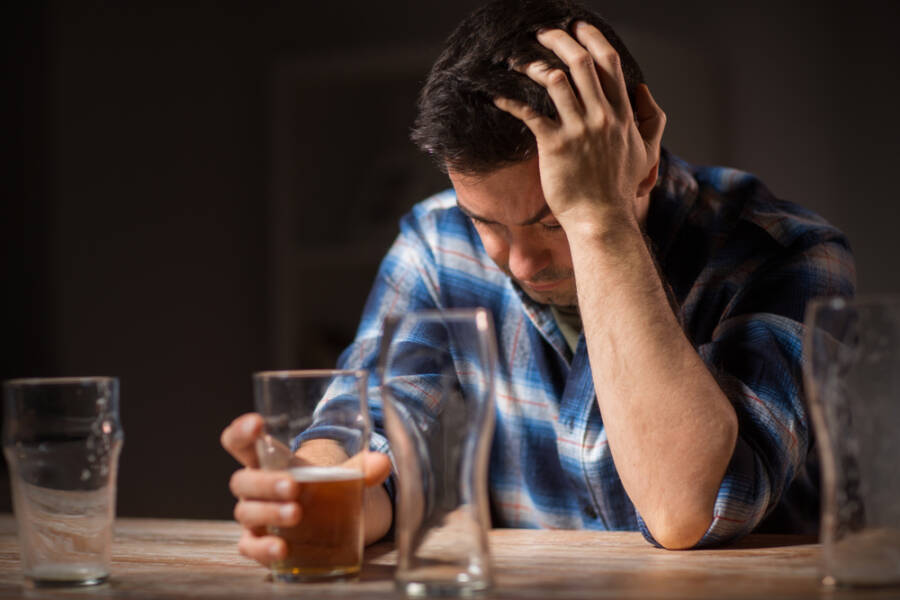
Anxiety symptoms that are both frequent and severe are common in people with post-traumatic stress disorder (PTSD). People who have PTSD frequently turn to inappropriate coping mechanisms, such as addiction to alcohol or drugs, as a result of these severe anxiety symptoms.
Intrusive thoughts, nightmares, unfavorable thoughts, flashbacks, and an increased startle response are additional typical signs of this particular illness. All these symptoms might increase anxiety, making the patient’s life even more difficult.
But luckily, there is some good news! There are coping skills that can make you feel less anxious and distracted and help you feel better. Of course, nothing is happening magically over the night, but this approach might help you reduce the symptoms and make them more “bearable.”
1. Mindfulness
You probably saw this word being used a lot in the past two years, especially after the pandemic started and everybody wanted to reconnect with themselves in order to face the stress in a more mature way. This technique is also used as a coping mechanism for PTSD. Why? Because it can help you get out of your head and get in touch with what happens in the present.
We all tend to get stuck inside our heads and feel anxious about overthinking. Mindfulness can help you overcome your thoughts and emotions. But be aware of the fact that this coping mechanism can bring up some disturbing feelings that you’ve tried to hide for a long time, especially if you’re dealing with some unhealed trauma.
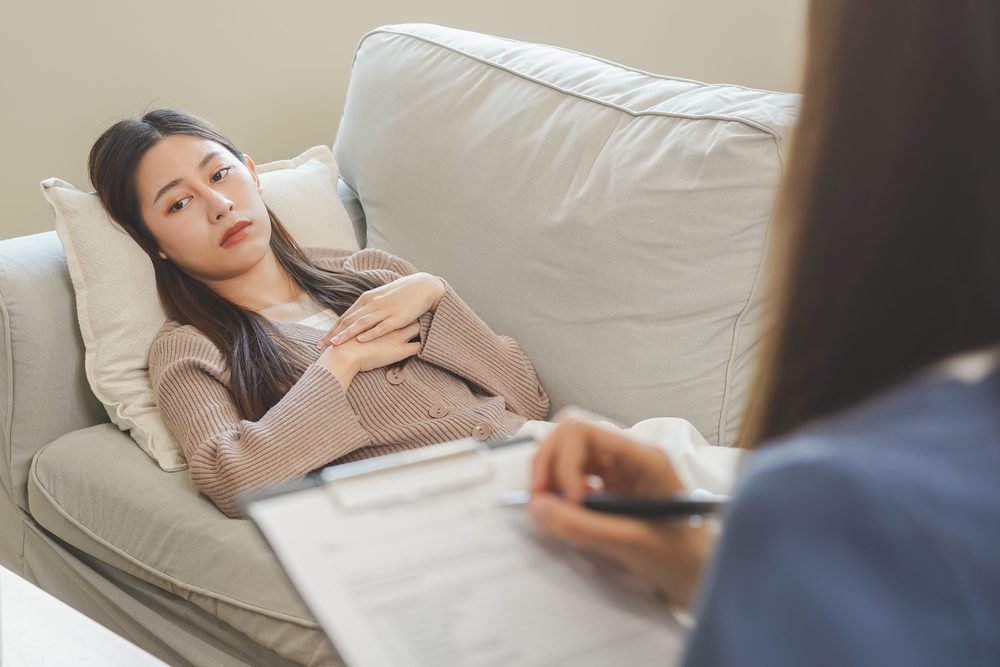
It’s important to ask for the help of your therapist to approach this coping mechanism because it is always better to be guided by someone, especially if it’s something hard to do on your own.

2. Journaling
It may come as a surprise, but if you’re keeping a daily journal, you already know how therapeutic it is. That’s why it is highly recommended as a PTSD coping mechanism. It helps people express themselves and overcome their feelings and emotions, which might help with anxiety as well.
A lot of therapists recommend their patients write down everything they think about at the end of the day. No matter if it’s just a random thought or something that torments your head for years, it will help you improve your mental health. It’s like having a rock on your soul, and after you talk about it, it suddenly diminishes to finally go away.
Expressive writing has been demonstrated to provide a number of advantages for those with PTSD, including better coping, post-traumatic growth (the capacity to find meaning in and make positive life choices after a terrible incident), and less PTSD symptoms, stress, and rage.
3. Muscle Relaxation/ Yoga
It’s been scientifically proven that relaxation exercises like yoga or any other bodyweight movements can help you with anxiety or PTSD symptoms. They can reduce stress and make you feel better. You don’t have to lift heavy weights at all; it’s important to stretch and relax your muscles in order to relax your mind as well.
All you need is a yoga mat, some comfortable clothing, and scented candles. Try to relax and empty your mind for at least half an hour.
4. Social support from your friends
According to research, getting support from others can play a significant role in assisting individuals in overcoming the negative consequences of a traumatic incident and PTSD. It can be quite beneficial to talk to someone you trust about your feelings in order to overcome stressful situations or receive emotional support.
That “someone” can be either a close friend or a member of your family—even your therapist. In fact, it’s recommended to have a deep connection with your therapist because they can help you understand the root of the trauma and how you can overcome it in a healthy way.
For those who don’t know, there are also supportive groups where people come and share their struggles with others who have had similar past experiences. As people manage the distressing symptoms of PTSD, this can be a wonderful source of connection, inspiration, guidance, and strength.
5. Distraction or finding a new hobby
Another thing that might really help when you are trying to cope with PTSD is having a distraction. And a distraction can be something temporary that keeps your mind busy or something that you can do as a hobby. A powerful feeling can feel greater and increasingly out of control if you concentrate on it.
Distracting yourself for a while can allow the emotion time to pass and become less intense, making it easier to manage. Playing a challenging board game or a video game; reading; exercising; talking to a friend; watching a favorite movie; meditating or doing yoga are some of the best distractions. These are fun and easy to do, and they help you feel better after a long, tiring day.
6. Self observation
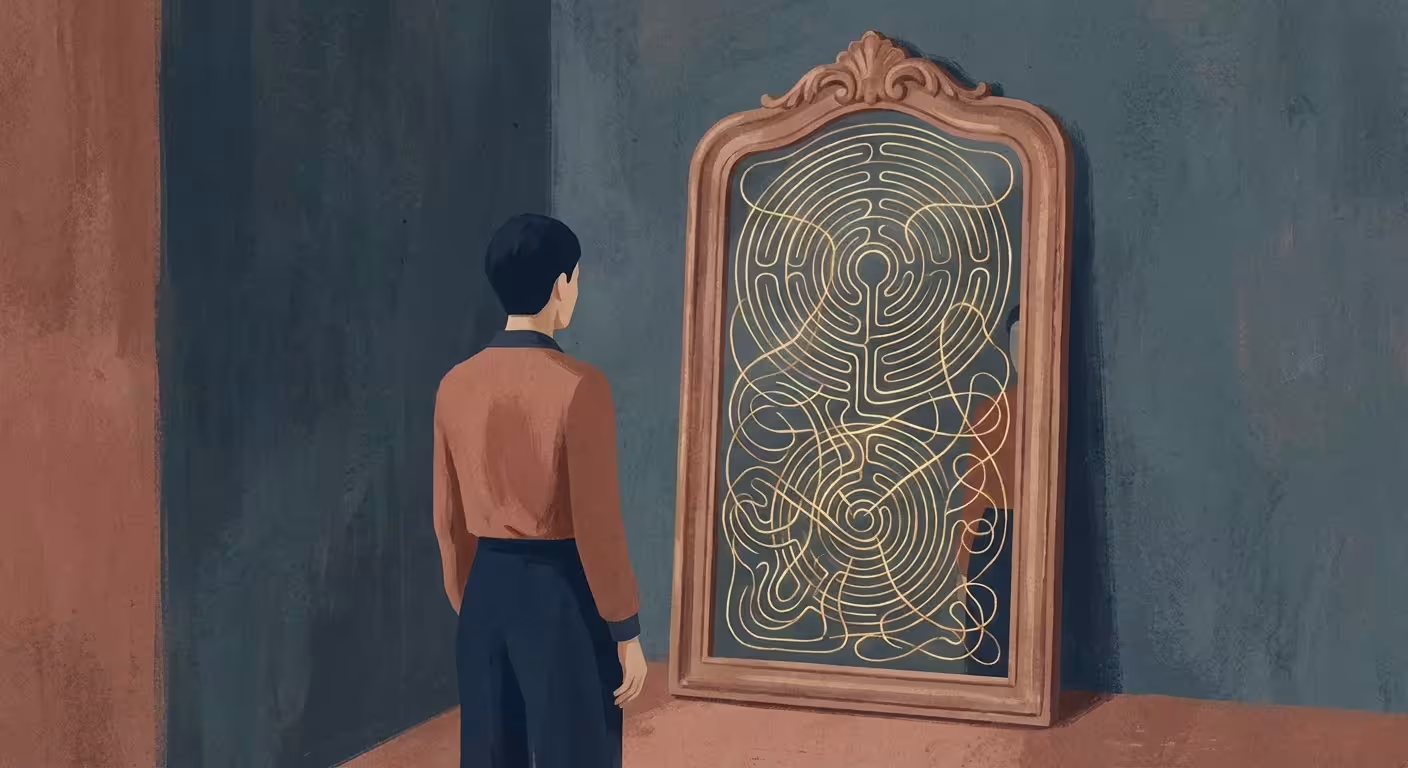
Self-observation can be really soothing and helpful when you’re dealing with PTSD. By doing this, you will see how you react to certain things, what triggers your emotions, and what makes you feel nervous. It’s impossible to pass a day without thinking about something that upsets you.
Observe the cause; you can write it down and then talk about it with your therapist. You must be aware of your emotions because they can help you gain more insight into your symptoms.

7. Aromatherapy
It may come as a surprise that aromatherapy and essential oils can help against anxiety and PTSD symptoms, but it’s been proven by various researchers that orange essential oil can be a natural anti-stress remedy. In fact, these tests have been made on various patients that suffer from PTSD, and at the end of the test, 9 out of 10 declared they had a better state of mind.
Aromatherapy is a therapeutic cure in and of itself as well as a component of a healing routine. It provides enjoyment to the senses of touch (massage), smell (aromatic oils), and sight (pleasant surroundings).
Furthermore, aromatherapy helps create a suitable condition for both mind and body for healing to take place in a quite natural way.
8. Adopt a pet!
Dogs are said to be man’s best friend, and this is true. There are no other creatures in the world that will love you more than they love themselves. In fact, all pets are considered therapeutic because they have the ability to heal and distress someone who has health issues.
A huge number of studies have shown that adopting a pet can have a huge impact on your mental health. You probably know that cats, for example, feel the pain in their master’s body and sit close to the spot in order to ease it. Some people sleep with their pets to get rid of nightmares or anxiety symptoms. Besides being cute, cuddling with your furry friend can also be therapeutic. Isn’t that amazing?
PTSD has been terrible for a lot of people, especially if it wasn’t correctly diagnosed. But you don’t need to worry because nowadays it is easier to treat it, and a lot of specialized therapists can help you identify its source and overcome it. You are not alone in this!
If you’re interested in this topic, you should also check out: 5 Common Causes of PTSD You Should Know.
Don’t forget to leave us a comment with your personal opinion! We love hearing from you.


Leave a Reply