

Recognizing the earliest behavioral and perceptual shifts of a psychotic break can dramatically alter someone’s long-term recovery trajectory. When you know exactly what to look for—from subtle social withdrawal and disrupted sleep to early paranoid thoughts—you can secure vital care before the condition deepens. Psychosis rarely appears out of nowhere; it usually develops through a gradual prodromal phase that stretches over several months. During this critical window, families often mistake the cognitive fog, blunted emotions, and sensory overload for typical adolescent moodiness or severe stress. By understanding these ten distinct signs, you step into a powerful position to intervene early, reduce the duration of untreated symptoms, and guide your loved one toward effective, compassionate professional support.
Understanding the Prodromal Phase: Before the Break
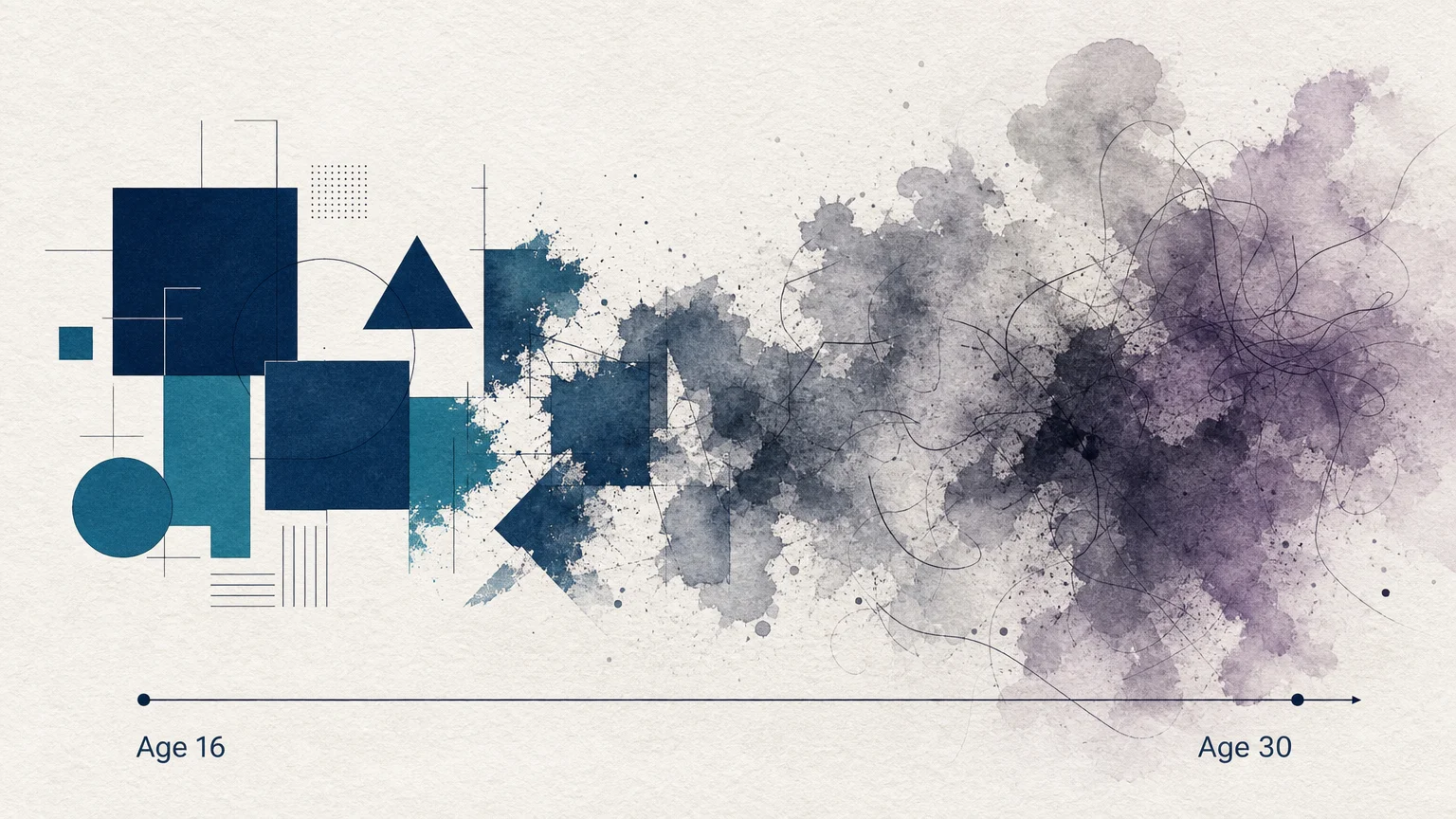
Psychosis involves a profound disconnection from reality, but it does not strike like a lightning bolt. Instead, it typically builds slowly during a period known as the prodromal phase. This early warning stage can last anywhere from a few weeks to more than a year. During this time, the brain undergoes subtle neurological shifts that change how a person processes sensory information, regulates emotion, and constructs their internal reality.
According to the National Institute of Mental Health (NIMH), a first episode of psychosis most frequently emerges in late adolescence or early adulthood, specifically between the ages of 16 and 30. Because the prodromal phase aligns so closely with the natural developmental changes of young adulthood, the early signs are notoriously difficult to spot. You might assume your teenager or young adult child is simply navigating a difficult transition, dealing with academic burnout, or struggling with a passing bout of depression. However, recognizing the distinct features of this phase gives you a critical advantage in seeking early medical intervention.

10 Warning Signs of a Psychotic Break
The signs of psychosis generally fall into three categories: cognitive changes, perceptual disturbances, and emotional shifts. While experiencing just one of these symptoms does not automatically indicate a psychotic break, a cluster of these behaviors warrants careful attention and comprehensive professional evaluation.
1. Profound Social Withdrawal and Isolation
We all need alone time, but the social withdrawal associated with early psychosis is distinct and pervasive. A person may suddenly drop out of their long-standing friend groups, quit recreational activities they previously loved, and retreat to their bedroom for days at a time. This isolation often stems from a growing internal sense that the outside world is overwhelming, confusing, or inherently unsafe. A college student might stop attending classes entirely, or a young professional might stop responding to all text messages and phone calls from close friends.
2. Severe Sleep Disturbances and Inversion
Sleep architecture often completely fractures before a psychotic break. You might notice a severe reduction in sleep where the individual stays awake for days without feeling tired, or an inverted sleep schedule where they sleep throughout the entire day and pace the house all night. These persistent, extreme sleep disruptions further degrade cognitive function, eliminate emotional resilience, and directly exacerbate emerging perceptual issues.
3. Gradual Decline in Cognitive Function and Focus
Before experiencing overt hallucinations, a person will often struggle with basic cognitive organization and working memory. You will likely observe a sharp, unexplained drop in their academic or occupational performance. They may find it impossible to track a conversation, struggle to complete multi-step chores, or lose the ability to screen out distracting background noise, making environments like busy restaurants or classrooms utterly intolerable.
4. Heightened Sensitivity to Sights and Sounds
During the prodromal phase, the brain loses its ability to seamlessly filter sensory input. Sounds may seem aggressively loud, and visual experiences—such as the colors of everyday objects or the brightness of overhead lights—may become overly intense and piercing. This sensory overload is exhausting and often directly drives the individual’s desire to isolate in a dark, quiet environment.
5. Suspiciousness and Developing Paranoia
Early paranoia often manifests as a vague, generalized sense of unease rather than a fully formed delusion. The person may become intensely private, put tape over their computer camera, accuse family members of plotting against them, or firmly believe that strangers on the street are secretly watching them. They might read menacing double meanings into benign text messages or casual comments, reacting with hostility to innocent questions.
6. Uncharacteristic Decline in Self-Care and Hygiene
A noticeable, rapid decline in personal hygiene is a core warning sign. An individual who previously took pride in their appearance may stop showering, wear the same unwashed clothes for weeks, or completely neglect basic grooming. This is not driven by typical laziness; rather, the mental energy required to sequence and execute the steps of a shower becomes entirely overwhelmed by their internal psychological chaos and cognitive fog.
7. Blunted Emotional Expression (Flat Affect)
While society often associates psychosis with erratic emotional outbursts, one of the most common early signs is actually the sheer absence of emotion, known clinically as flat affect. The person’s face may become highly inexpressive, their voice might lose its natural intonation and drop to a flat monotone, and they may stop making eye contact entirely. They might also display inappropriate emotional responses, such as laughing abruptly during a serious or tragic conversation.
8. Disorganized Speech and Tangential Thinking
As thoughts become fragmented, speech follows suit. You might notice the person jumping rapidly between completely unrelated topics, a pattern known as derailment. They may speak in a rapid, pressured manner, invent new words, or abruptly stop talking mid-sentence—a phenomenon called thought blocking—claiming that their thoughts were suddenly erased or pulled from their mind.
9. Early Hallucinations (Hearing Whispers or Seeing Shadows)
Before experiencing full-blown auditory or visual hallucinations, individuals often encounter low-level perceptual disturbances. They might repeatedly hear their name called when no one is there, hear indistinct whispering from empty rooms, or see fleeting shadows and movements in their peripheral vision. Because they often retain some insight that these experiences are unusual during the early stages, they may actively try to hide them from you.
10. Grandiose or Unshakable Strange Beliefs
As the psychotic break fully materializes, the individual will develop delusions—fixed, false beliefs that cannot be changed with logic, reasoning, or undeniable evidence. This might involve grandiosity, such as believing they possess special powers or hold unique religious significance, or persecutory beliefs that an organization is hunting them down. They will hold these beliefs with absolute, unshakable conviction.
What Can Go Wrong: Misunderstanding the Symptoms
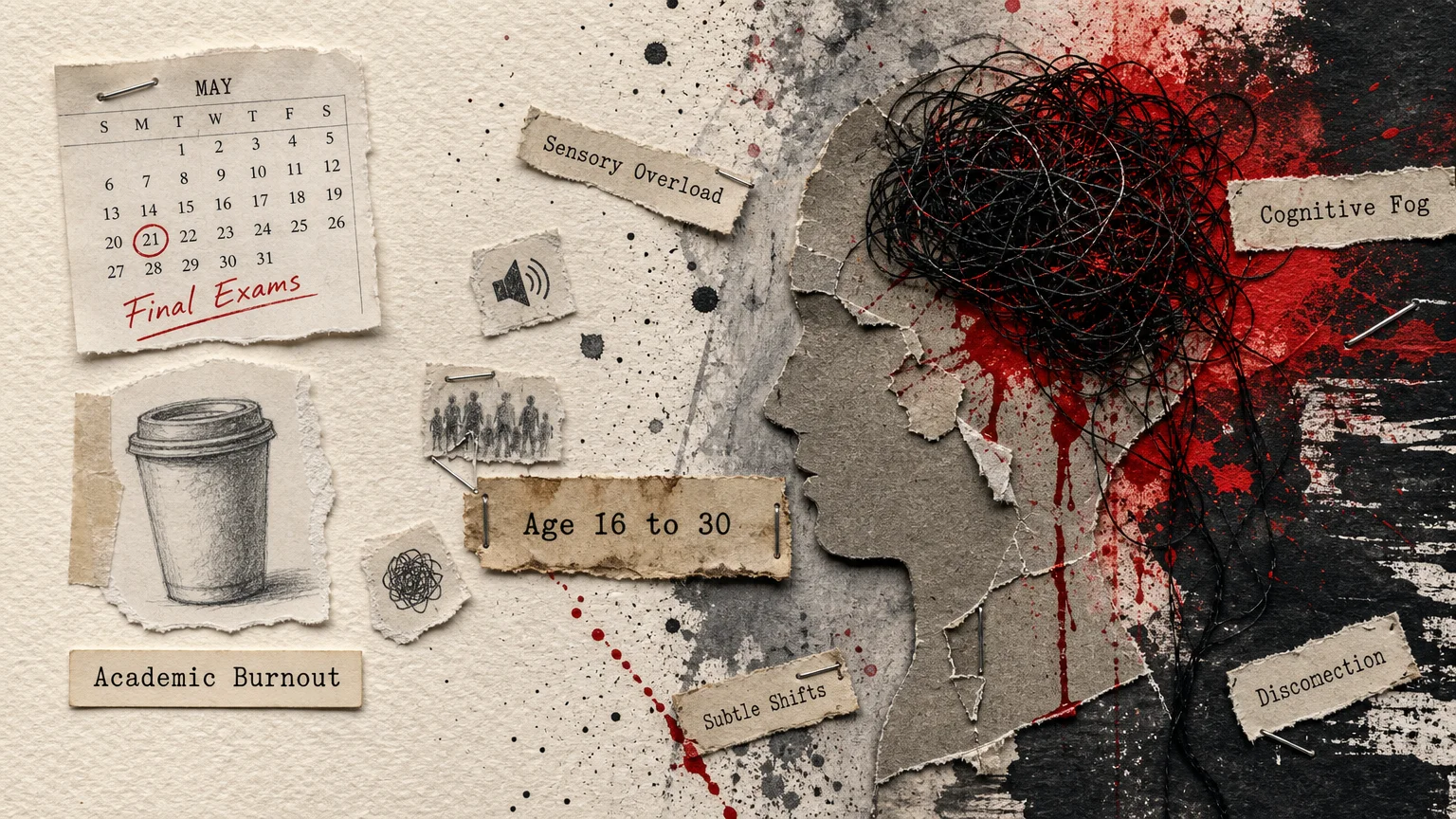
When families first notice these warning signs, the natural human instinct is to rationalize them. You might attribute the sudden cognitive decline to marijuana use, write off the flat affect as typical teenage angst, or blame the severe sleep issues on too much screen time. Unfortunately, this rationalization significantly delays crucial medical evaluation.
Furthermore, out of fear and intense confusion, families often try to argue the person out of their paranoid beliefs. Telling someone experiencing active psychosis that their reality is “fake” or “crazy” only deepens their suspicion and alienates them from your support.
Shame also plays a deeply destructive role in treatment delays. Families may hide the individual’s declining functioning from their extended community out of embarrassment. As vulnerability researcher Dr. Brené Brown wisely noted:
“Shame needs three things to grow exponentially in our lives: secrecy, silence, and judgment.” — Brené Brown, PhD
By keeping the symptoms a secret, families inadvertently isolate themselves from the precise clinical resources and community support networks that could facilitate their loved one’s recovery.
The Critical Importance of Early Intervention
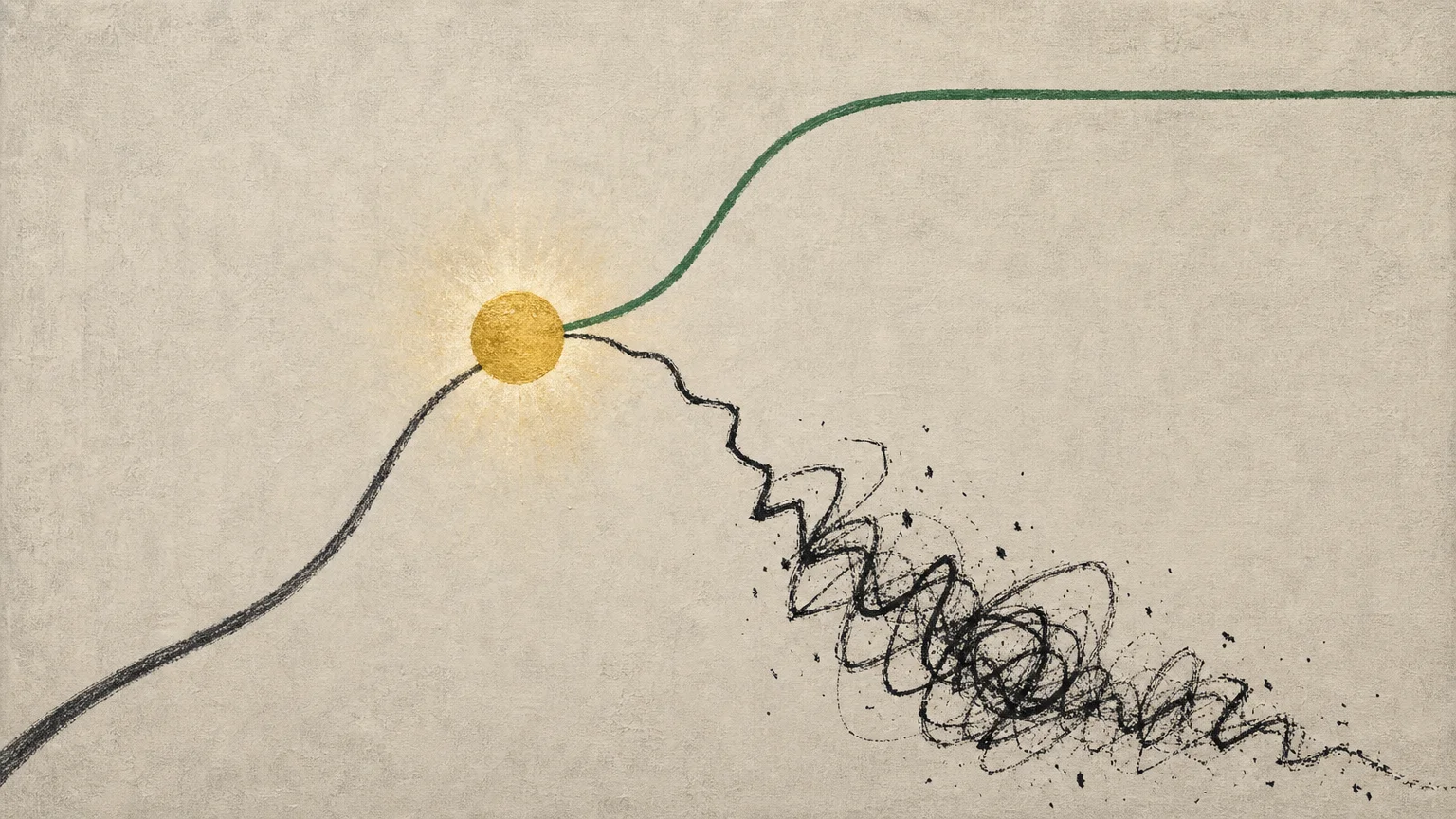
When it comes to a first episode of psychosis, time is of the absolute essence. The period between the onset of psychotic symptoms and the initiation of specialized psychiatric treatment is known as the Duration of Untreated Psychosis (DUP).
Currently, the median DUP in the United States is deeply concerning—averaging around 17 months, or approximately 74 weeks. This delay is not just a loss of time; it actively impacts long-term brain health. Current psychiatric research consistently demonstrates that a longer duration of untreated psychosis is independently associated with worse outcomes, including more severe negative symptoms, decreased global functioning, and a significantly lower likelihood of achieving full functional recovery. Conversely, intervening aggressively during the first few months after the start of psychotic symptoms yields the greatest therapeutic response.
To directly address this crisis, NIMH launched the RAISE (Recovery After an Initial Schizophrenia Episode) research initiative. This monumental project proved that intervening early with a highly specific, team-based approach drastically improves an individual’s life trajectory, keeping them in school, at work, and connected to their community.

Comparing Early Psychosis Care Models
The current gold standard for treating a first episode of psychosis is Coordinated Specialty Care (CSC). Thanks to recent clinical advancements, there are now more than 360 CSC programs operating across the United States. Here is exactly how this evidence-based approach differs from traditional psychiatric care:
| Treatment Feature | Traditional Psychiatric Care | Coordinated Specialty Care (CSC) |
|---|---|---|
| The Care Team | Often isolated practitioners (a psychiatrist managing meds and a separate, disconnected therapist). | A collaborative, integrated team of specialists meeting regularly to discuss the client’s holistic progress. |
| Clinical Focus | Primarily focused on symptom reduction, crisis stabilization, and strict medication adherence. | Highly recovery-oriented, emphasizing resilience, personal life goals, and returning to work or school. |
| Medication Approach | Standard dosing, sometimes resulting in heavy side effects that cause patients to abandon their treatment. | Shared decision-making with the patient, utilizing the lowest effective doses to minimize side effects and build deep clinical trust. |
| Family Involvement | Limited involvement, often constrained by strict confidentiality boundaries or a lack of systemic structure. | Extensive family education and support; families are treated as vital, core members of the individual’s recovery team. |
| Vocational Support | Passive referrals to outside vocational programs, which overwhelmed patients often fail to follow up on. | Embedded supported employment and education specialists who actively help the individual maintain their life trajectory and navigate accommodations. |

When to Seek Professional Support
If you notice the signs of a psychotic break, do not wait for the symptoms to resolve organically. Early psychosis requires immediate, specialized medical attention. Seek urgent professional support if you observe any of the following crisis scenarios:
- Command hallucinations: The individual reports hearing intrusive voices that are directly instructing them to harm themselves or others.
- Complete functional collapse: The person entirely stops eating, drinking water, or maintaining the basic hygiene required for physical health and safety.
- Severe, escalating paranoia: The individual becomes intensely terrified of their immediate environment, attempts to flee the home, or begins barricading doors for protection against imagined threats.
- Total loss of insight: The person is completely unable to distinguish their active hallucinations or delusions from reality and becomes physically agitated or hostile when their beliefs are gently challenged.

Supporting a Loved One Through a Psychotic Break
Navigating a loved one’s psychosis is an emotionally exhausting and complex journey. Your instinct to protect them is powerful, but you must channel that protective instinct effectively.
First, practice empathetic listening rather than engaging in logical debate. You absolutely cannot reason someone out of a delusion. When they express a terrifying paranoid thought, do not validate the facts of the delusion, but deeply validate the emotion underneath it. You might say, “I don’t hear those voices, and I don’t see what you see, but I can see how terrified you are right now, and I am here to keep you safe.” This aligns with the communication strategies recommended for severe mental illness—always prioritize emotional connection over factual correction.
Second, familiarize yourself with the medical concept of “anosognosia,” a neurological symptom where the person is literally unable to recognize that they are ill. If your loved one refuses treatment because they genuinely believe they are perfectly healthy, understand that this is a symptom of brain dysfunction, not just stubborn psychological denial. Building a partnership based on shared goals—like “reducing your daily stress” or “helping you finally get some sleep”—often works much better than forcefully insisting they take medication for a “disease” they are certain they do not have.
Third, prioritize an evaluation at a clinic specializing in first-episode psychosis. You can locate these specialized facilities through resources like the Substance Abuse and Mental Health Services Administration (SAMHSA) treatment locator. These clinics use the Coordinated Specialty Care model and are specifically designed to treat young adults experiencing their first break without unnecessarily traumatizing them.
Frequently Asked Questions
Can someone fully recover from a psychotic break?
Yes. With early diagnosis and appropriate, comprehensive Coordinated Specialty Care, many individuals recover from their first psychotic episode and never experience another. For others, psychosis may be part of a long-term mental health condition like schizophrenia or bipolar disorder, but they can still lead highly fulfilling, autonomous, and productive lives with ongoing symptom management.
How long does a psychotic episode last?
The duration varies significantly depending on the individual and exactly how quickly they receive treatment. An acute psychotic episode can last anywhere from a few days to several months if left untreated. Prompt intervention with antipsychotic medication and supportive therapy drastically reduces the length, severity, and cognitive impact of the acute phase.
What causes a first episode of psychosis?
Psychosis is a symptom, not an illness in itself. It is typically triggered by a complex interplay of genetics, severe psychological trauma, profound stress, and underlying biological vulnerabilities. It can also be directly induced by substance use (particularly high-THC cannabis or hallucinogens), extreme sleep deprivation, or severe underlying medical conditions.
The journey through a psychotic break is undeniably frightening, both for the person experiencing it and the family standing by their side. Yet, the modern landscape of psychiatric care has never been more hopeful or effective. The rapid nationwide expansion of early intervention programs means that genuine recovery is not just a vague possibility, but a highly realistic expectation. By remaining vigilant and acting decisively on these early warning signs, you are providing the most profound form of advocacy. Stay grounded, lean heavily on professional guidance, and remember that underlying the confusion and fear, your loved one is still there, waiting for the right support to guide them back to themselves.
The information in this article is meant for educational purposes and general guidance. It does not replace individual therapy, counseling, or medical treatment. If you or someone you know is in crisis, contact the 988 Suicide & Crisis Lifeline by calling or texting 988.
Last updated: June 2026. Psychology research evolves continuously—verify current findings with professional sources.









Leave a Reply