

True mental strength rarely looks like the unbreakable, stoic facade celebrated in movies. Instead, it appears in quiet moments when you choose to set a boundary, sit with uncomfortable emotions, or forgive yourself for a mistake. Psychological resilience isn’t about ignoring pain; it requires flexibility and deep self-awareness. According to the American Psychological Association (2024), 77% of adults report significant stress regarding the future, making the ability to adapt to daily challenges more critical than ever. If you have been carrying heavy burdens while still managing to show up for your life, your emotional foundation is remarkably solid. You are likely far more resilient than you give yourself credit for.
1. You Adapt to Change Rather Than Resisting It
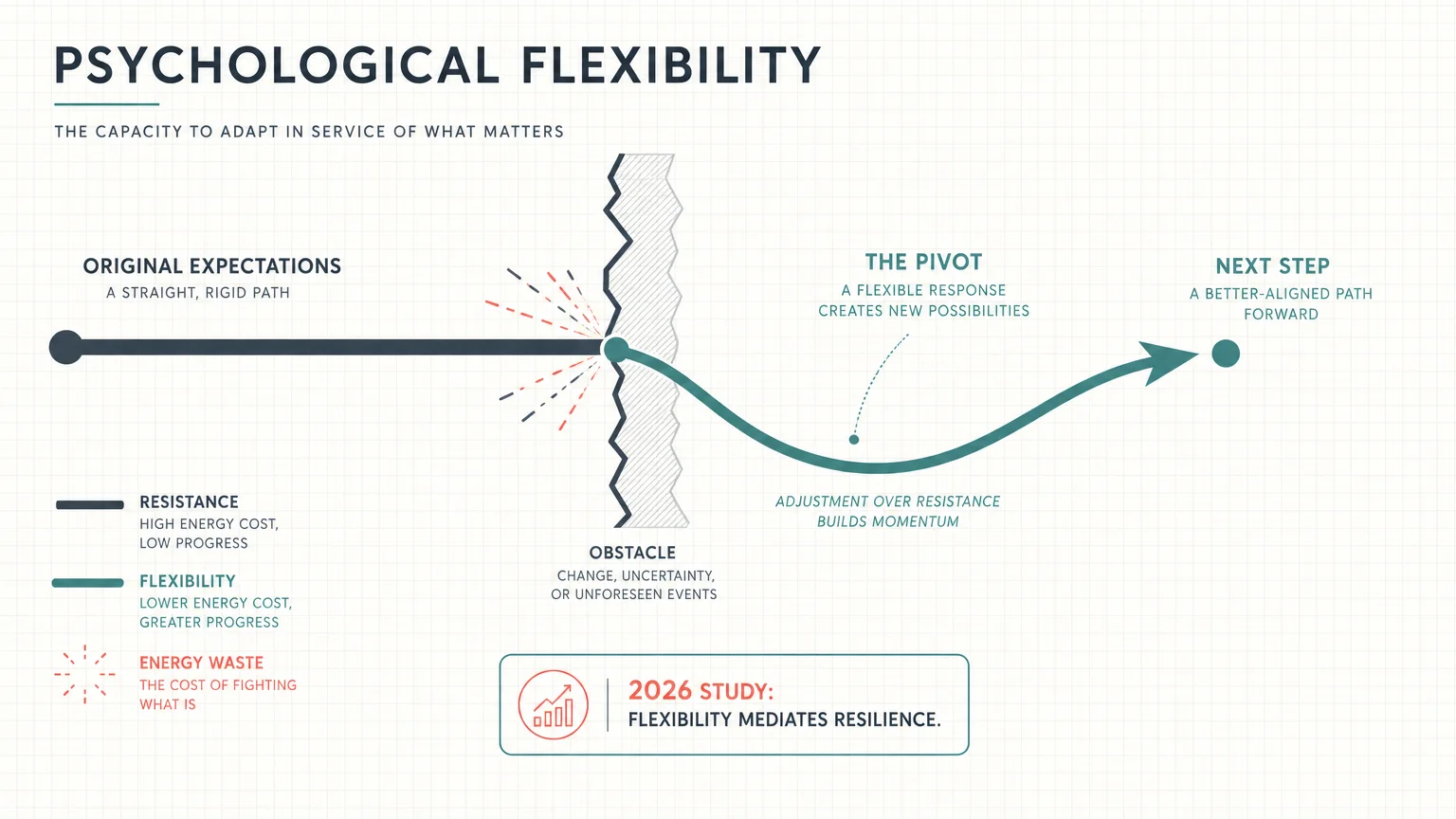
When unexpected shifts occur—a job loss, a breakup, or a sudden change in living arrangements—your first instinct might be frustration. However, if you eventually pivot and look for the next step, you possess psychological flexibility. Research indicates that this adaptability acts as a profound protective shield for your mental health. A 2026 study analyzing psychological resilience demonstrated that flexibility fully mediates the relationship between resilience and mental health outcomes, effectively buffering against depression and anxiety. You do not waste precious energy demanding that reality conform to your original expectations; instead, you adjust your sails to the wind. This ability to accept what is, rather than fighting for what should have been, keeps you moving forward when others get stuck.
2. You Practice Fierce Self-Compassion
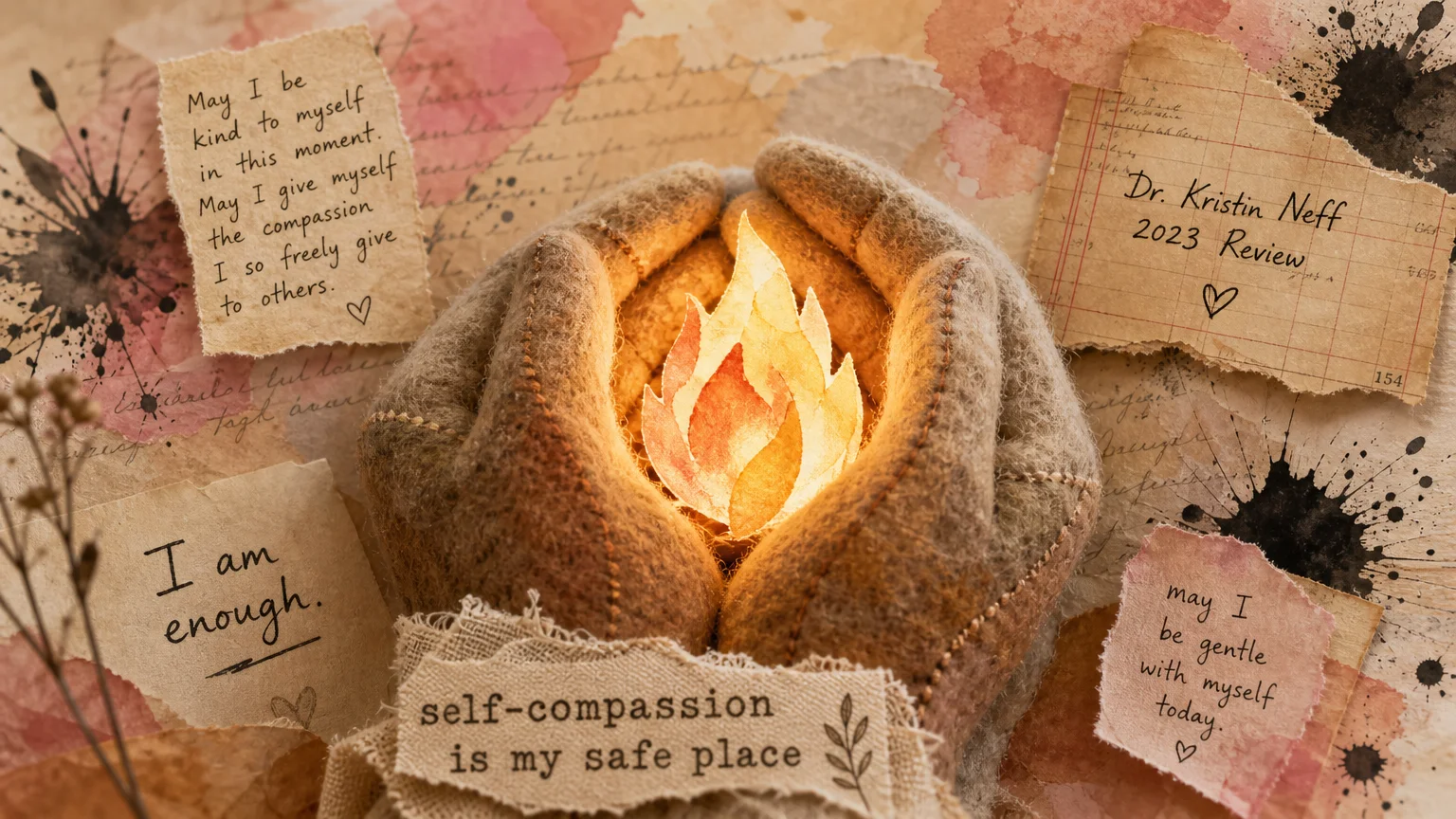
Mental strength is often mistakenly equated with harsh self-discipline and relentless inner criticism. In reality, inner strength relies heavily on self-compassion. Dr. Kristin Neff’s 2023 research review highlights that self-compassion—treating yourself with the exact same kindness you would offer a struggling friend—builds emotional resilience and promotes highly productive ways of approaching distressing thoughts. When you drop the drill-sergeant mentality, you create a safe internal environment to take risks and recover from failures. If you can make a glaring mistake, acknowledge it openly, and speak gently to yourself instead of spiraling into self-hatred, you are displaying profound psychological fortitude.

3. You Tolerate Discomfort Instead of Numbing It
Numbing behaviors—whether through endless doom-scrolling, chronic overworking, emotional eating, or substance use—are entirely human attempts to escape emotional pain. Mentally strong people, however, actively practice allowing themselves to feel sadness, anger, grief, or embarrassment without immediately rushing to the nearest behavioral exit. You recognize that difficult emotions are simply temporary weather patterns passing through your nervous system, not permanent states of being. By sitting with your discomfort and breathing through it, you effectively process the emotion rather than storing it in your body as physical tension for later. This tolerance for emotional discomfort is a cornerstone of authentic resilience.
4. You Set Uncomfortable Boundaries
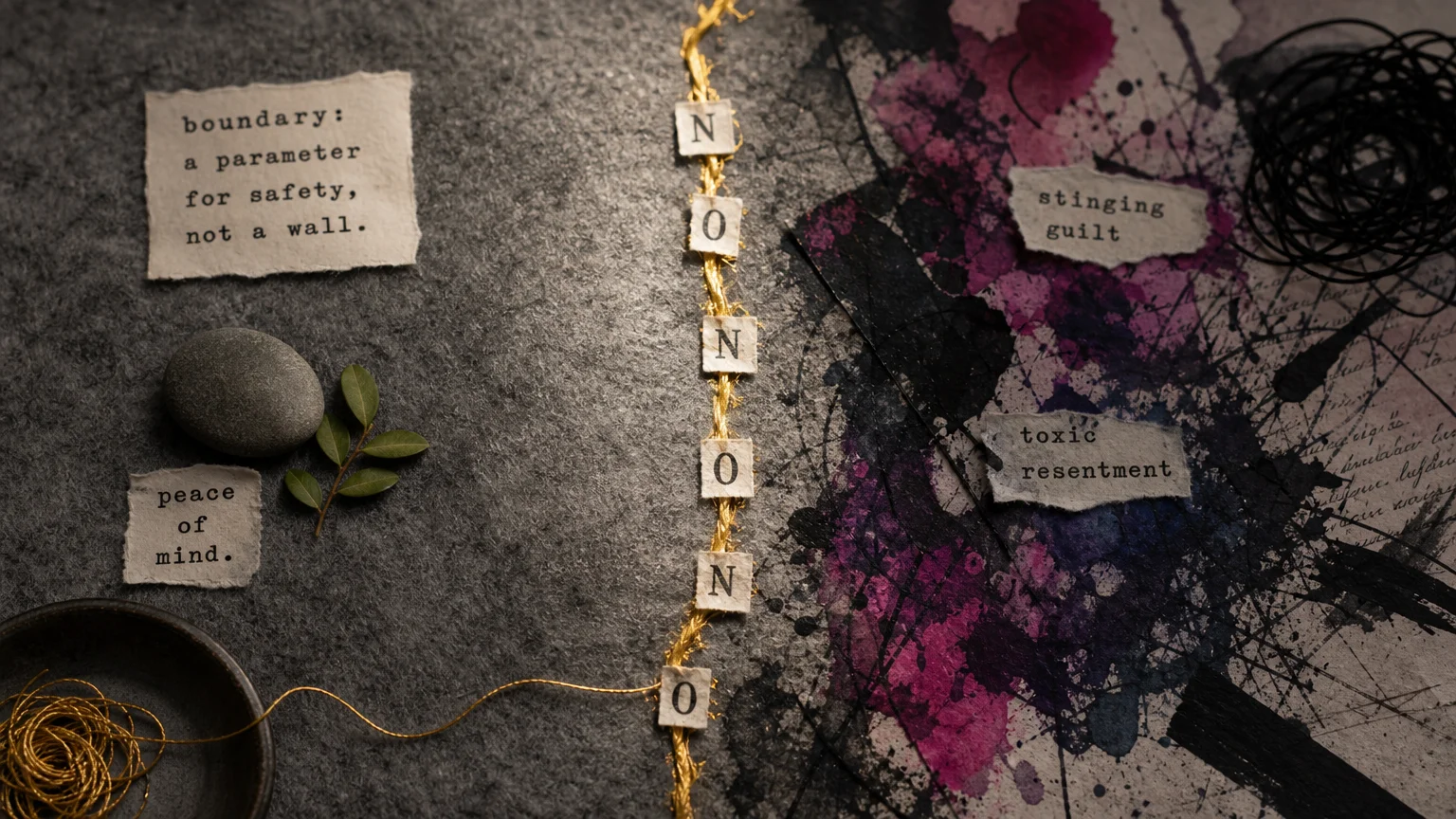
Saying no to a demanding family member, stepping away from a toxic workplace, or ending a draining friendship requires immense, often unseen courage. Mental strength is fiercely evident when you prioritize your own peace of mind over someone else’s convenience. You deeply understand that boundaries are not aggressive walls built to keep people out; they are the necessary parameters that allow you to stay safely in the relationship. When you choose to endure the temporary, stinging guilt of setting a boundary rather than the prolonged, toxic resentment of abandoning yourself, you are exercising serious emotional muscle.

5. You Ask for Help Without Feeling Weak
There is a pervasive, damaging myth that strong people shoulder every burden entirely alone. True strength actually requires the intense vulnerability to admit when you are out of your depth and overwhelmed. Seeking professional therapy, asking a romantic partner to carry more of the mental and household load, or simply telling a trusted friend you are struggling are all profound acts of bravery. As vulnerability researcher Brené Brown notes:
“Vulnerability sounds like truth and feels like courage. Truth and courage aren’t always comfortable, but they’re never weakness.” — Brené Brown, Ph.D.
Reaching out for help ensures you do not snap under the crushing weight of isolation.

6. You Acknowledge When You Are Wrong
Fragile egos defend their mistakes to the bitter end, terrified that admitting fault will diminish their value. A robust, secure sense of self allows you to look someone in the eye and say, “I was wrong, and I am genuinely sorry.” When you decouple your intrinsic human worth from the exhausting need to always be right, you open yourself up to immense relational growth. Furthermore, changing your mind when presented with new evidence or a different perspective is not a sign of inconsistency; it is a hallmark of cognitive flexibility and intellectual humility.

7. You Separate Your Worth From Your Output
Modern hustle culture relentlessly teaches us that our societal value is inextricably tied to our daily productivity and economic output. If you can deliberately take a day of rest without drowning in self-imposed guilt, you are demonstrating quiet, rebellious mental strength. You recognize the fundamental truth that you are a human being, not merely a human doing. Valuing yourself on the quiet days when you accomplish absolutely nothing takes far more psychological grounding and self-assurance than riding the external high of constant, frantic achievement.
8. You Focus Energy on What You Can Control
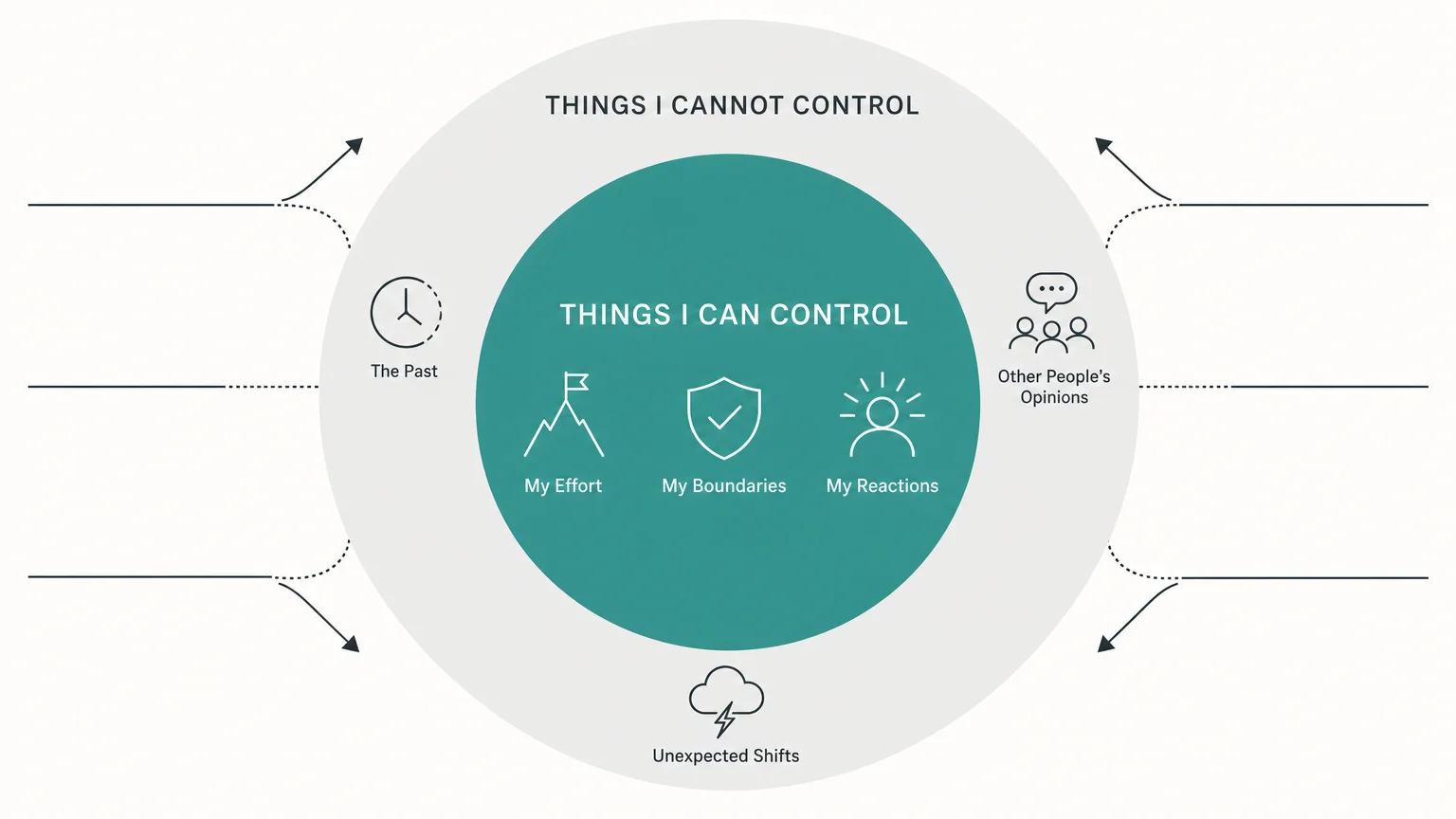
Spending hours ruminating over other people’s opinions, past conversations, or unpredictable global events rapidly drains your emotional reserves. Mentally resilient people consciously draw a firm, definitive line between what is within their direct control—such as their daily actions, their emotional responses, and their personal boundaries—and what is entirely outside of it. By actively redirecting your precious energy toward your own sphere of influence, you prevent the debilitating roots of helplessness from taking hold in your mind.

9. You Find Meaning in Your Hardest Chapters
Resilience certainly does not mean you are actively grateful for trauma, abuse, or deep loss. However, it does mean you eventually fight to find a way to integrate those harrowing experiences into your broader life story. As psychiatrist and Holocaust survivor Viktor Frankl profoundly observed:
“In some way, suffering ceases to be suffering at the moment it finds a meaning, such as the meaning of a sacrifice.” — Viktor E. Frankl, M.D., Ph.D.
If you have survived incredibly painful seasons and ultimately used those experiences to develop deeper empathy for others, advocate for change, or radically shift your life’s priorities, you have successfully transformed your pain into a guiding purpose.

10. You Celebrate Others Without Feeling Threatened
Insecurity consistently breeds petty competition and jealousy. When you possess genuine mental strength, another person’s success, beauty, or happiness does not feel like a personal attack or failure. You can genuinely applaud a colleague’s sudden promotion or a friend’s new relationship because you operate from a grounded abundance mindset. You fundamentally understand that someone else’s light shining brightly does not diminish your own capacity to shine.
11. You Pause Before Reacting to Emotional Triggers
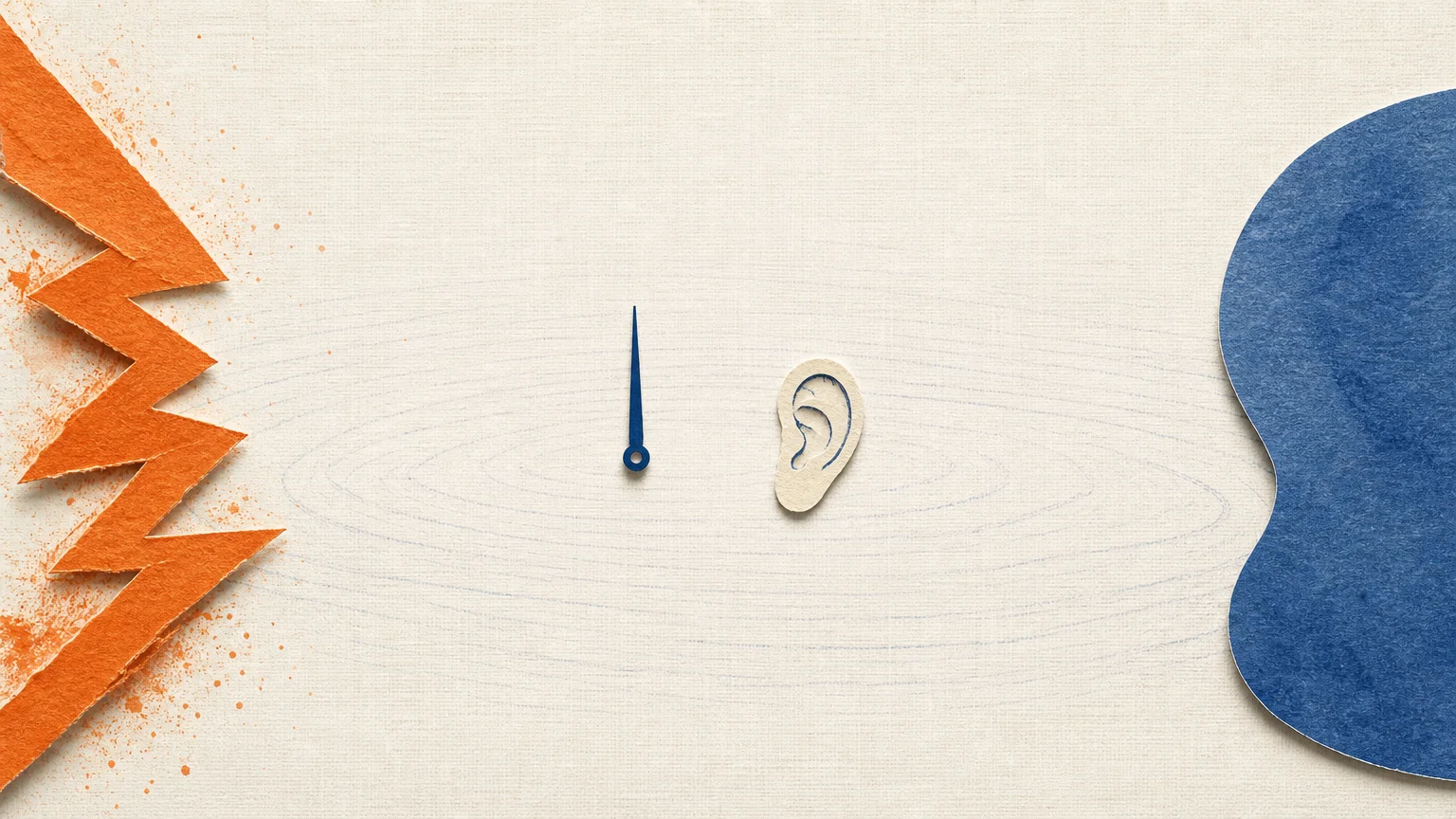
Between an emotional trigger and your outward reaction, there is a microsecond of vital space. Mental strength lives entirely in that space. Instead of immediately lashing out defensively, sending a reactive text, or shutting down entirely, you take a necessary breath. This emotional regulation allows you to intentionally choose your response rather than being hijacked by your triggered nervous system. If you can feel a massive surge of anger and actively decide to communicate calmly instead of yelling, your emotional regulation skills are operating at an incredibly high level.

12. You Walk Away From Things That No Longer Serve You
Quitting is too often negatively framed as a failure, but decisively walking away from a dead-end job, a fundamentally incompatible relationship, or a lifelong dream that no longer fits your current reality requires tremendous, heart-wrenching strength. The psychological trap of the sunk cost fallacy keeps countless people trapped in miserable situations simply because they have already invested so much time or emotional energy. Mentally strong individuals have the sheer courage to cut their losses, face the grief of ending something, and begin again, trusting fully in their ability to rebuild their lives.
The Difference Between Mental Strength and Rigid Toughness
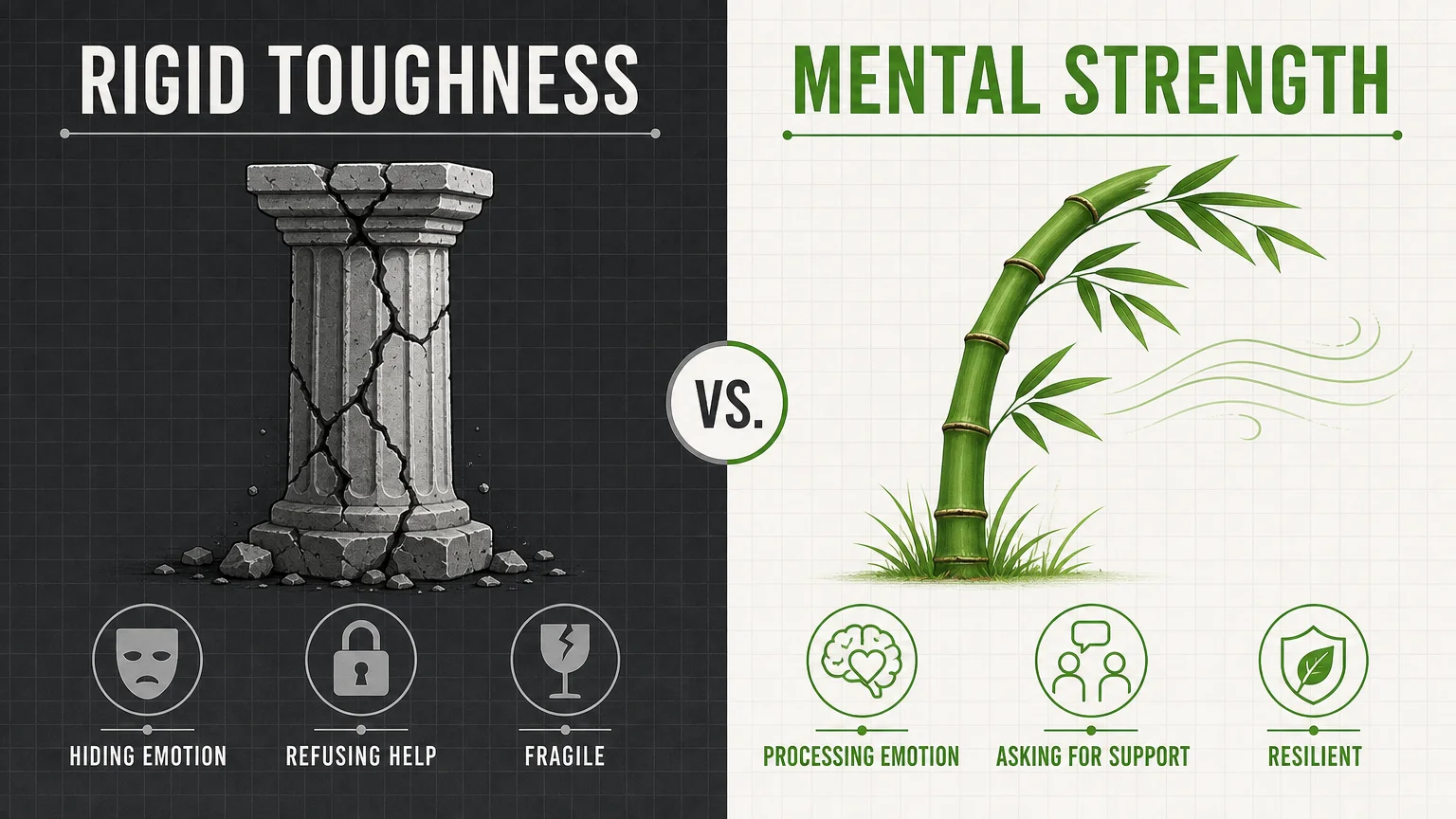
Many people confuse emotional suppression with strength. Here is a clear breakdown of how true psychological resilience significantly differs from rigid toughness:
| Trait | Rigid Toughness | True Mental Strength |
|---|---|---|
| Emotional Response | Suppresses or completely ignores difficult emotions to maintain a stoic facade. | Acknowledges, validates, and gently processes all feelings, including deep pain. |
| Reaction to Failure | Harbors deep shame, deflection, and harsh self-criticism. | Views mistakes as completely normal and uses them as necessary data for growth. |
| Independence | Refuses help at all costs to appear entirely self-sufficient and invulnerable. | Recognizes that asking for support requires vulnerability and incredible courage. |
| Flexibility | Demands absolute, total control over every situation and rigid adherence to plans. | Adapts to new information, unexpected challenges, and changing environments gracefully. |
Common Misconceptions About Emotional Resilience
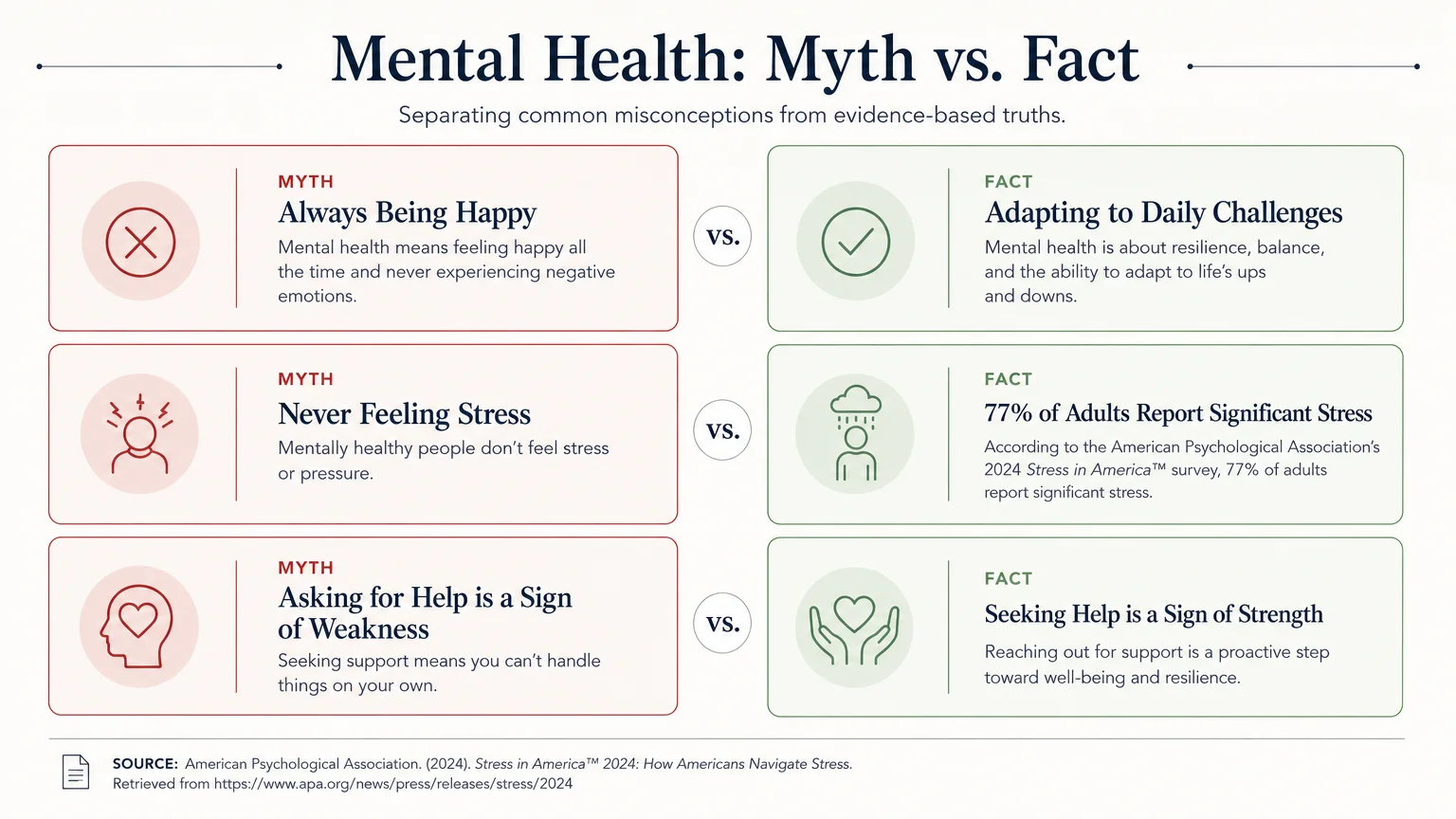
Understanding what mental strength is requires unlearning what society has told us it should be. A primary misconception is that resilient people do not experience deep sorrow, burnout, or anxiety. In reality, mental strength involves feeling these human emotions intensely but possessing the healthy coping mechanisms to navigate them without falling apart permanently. You can be actively grieving, terrified, and overwhelmed, yet completely resilient at the exact same time.
Another deeply ingrained myth is that resilience is an innate, fixed personality trait—you either have it at birth or you do not. Psychological research consistently demonstrates that resilience is actually a dynamic set of behaviors, thoughts, and actionable skills that absolutely anyone can learn and develop over time. It is a mental muscle that strengthens with intentional, repeated practice, not a genetic lottery prize.

Finding the Right Professional Help
Even the strongest individuals need structured support. Mental strength includes the self-awareness to know exactly when to recruit a professional. You might consider reaching out to a therapist or counselor in the following scenarios:
- Your current coping mechanisms are causing active harm, such as relying on excessive substances, extreme self-isolation, or disordered eating to magically manage distress.
- You feel entirely emotionally paralyzed or chronically unable to perform daily tasks at work, school, or home.
- Past unhealed traumas continue to intrude severely on your present life through flashbacks, nightmares, or debilitating panic attacks.
- Your closest relationships are repeatedly fracturing due to intense emotional reactivity or an inability to safely communicate your needs.
Authoritative, highly vetted organizations like the American Psychological Association and the National Alliance on Mental Illness provide excellent, free directories to help you quickly find qualified mental health professionals in your specific area.
Frequently Asked Questions
Can I build mental strength if I am a naturally sensitive person?
Absolutely. Sensitivity and mental strength are highly complementary traits. Being sensitive simply means you process environmental information and emotions deeply, which frequently leads to superior emotional intelligence. When this natural sensitivity is paired with healthy personal boundaries and routine self-compassion, it transforms into a profound psychological asset.
How do I actively stop being so hard on myself?
Begin by simply noticing your automatic inner dialogue without judging it. When you make a mistake, pause and deliberately ask yourself what you would say to a very dear friend in the exact same situation. Shift intentionally from harsh self-criticism to warm self-compassion. The National Institute of Mental Health emphasizes that healthy cognitive reframing techniques can significantly reduce overall anxiety and depressive symptoms.
Is it normal to feel exhausted after setting a firm boundary?
Yes, it is entirely normal. Setting a new boundary requires a massive surge of emotional energy, particularly if you are deeply accustomed to chronic people-pleasing. This sudden exhaustion is often closely followed by a temporary, stinging wave of guilt. With consistent practice, however, the guilt fades entirely, and holding the boundary eventually becomes second nature.
Building mental strength is a quiet, ongoing process. It does not announce itself with a megaphone; it reveals itself slowly in the daily moments you choose self-respect over comfort, and grace over perfection. Celebrate your small victories—the deep breath before reacting, the quiet “no” to an unreasonable request, the deliberate choice to forgive yourself for a minor misstep. You are navigating an incredibly complex world, and the mere fact that you are actively seeking to understand and improve your emotional landscape is a stunning testament to your inherent resilience.
The information in this article is meant for educational purposes and general guidance. It does not replace individual therapy, counseling, or medical treatment. If you or someone you know is in crisis, contact the 988 Suicide & Crisis Lifeline by calling or texting 988.
Last updated: June 2026. Psychology research evolves continuously—verify current findings with professional sources.









Leave a Reply