
Have you ever heard of ADHD burnout?
While we have all heard about ADHD and burnout, the term ADHD burnout is not as common, and it may even end up being misunderstood.
The term has come into use recently, and it is used to describe the feeling of exhaustion, overwhelm, and stress that people who have ADHD may end up feeling due to having to deal with this condition.
Research has shown that out of all adults diagnosed with ADHD, about 93% of them end up experiencing these ADHD burnout symptoms, while only 30% of adults who do not have it experience normal burnout.
Adults with ADHD (Attention-Deficit/Hyperactivity Disorder) do not end up behaving like those who are diagnosed as children.
Generally, this condition is pretty common among adults, and it is characterized by difficulty regulating energy, attention, behavior, and emotions. It is also associated with difficulty in impulse control, focus, and executive functioning.
ADHD on its own can be hard to manage, but when you add burnout to the mix, it can derail everything.
This is because burnout adds feelings like exhaustion, mental distance, increased feelings of cynicism and negativism, and reduced professional and personal efficacy on top of everything else, which can make life hard.
Today we’ll explore what ADHD burnout is, how it is experienced by those who get it, and what signs to look out for! No matter if you have this condition or not, this article can help you better understand ADHD burnout and the symptoms associated with it.
Do you or a loved one experience ADHD? Have you ever had burnout? Share your experience with us in the comments!
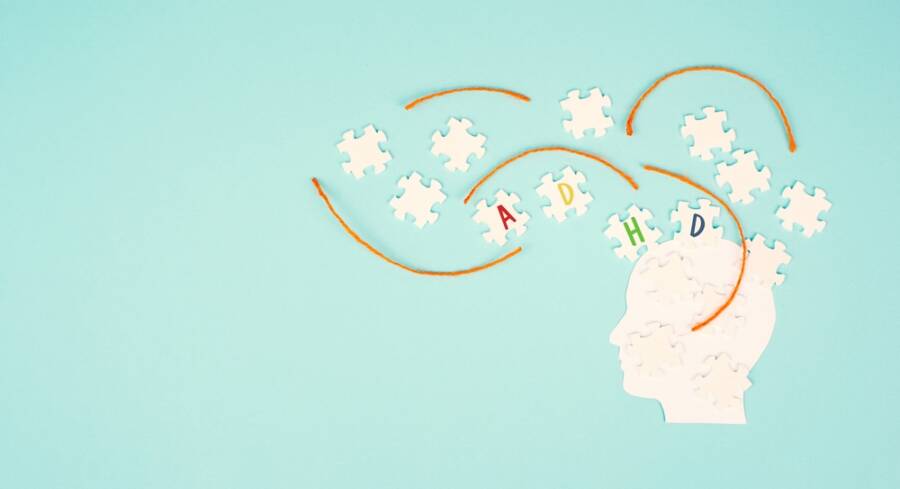
What is ADHD burnout?
We have talked about some of the symptoms of the two conditions, but what is ADHD burnout as a whole?
This condition is the result of unmanaged frustration and stress that come from the lack of progress and control in the lives of people who have ADHD.
This can manifest as a feeling of being stuck in a rut and not knowing how you can get out of it—a feeling that no matter how hard you try, you cannot move forward and something holds you back.
What makes burnout so unique as a condition is that most people believe it stems from stress alone.
While it is a component of burnout, it is not caused by it, and a simple vacation or learning to manage your stress is not going to make burnout go away.
The goal of eliminating burnout is to increase your agency and efficiency in your day-to-day life, be it on the professional or personal plane.
Think about it as a car; if something is wrong, the wheels are not moving, so you cannot move seamlessly. That is burnout.
If your wheels are working well and spinning and your life is going pretty well with no major hiccups, then you are working well in flow and not in burnout.
Is it common?
While it is more common for people with ADHD to end up developing burnout when compared to normal people, the percentage is generally somewhere around 50%.
This can be a problem since burnout will affect their capacity to concentrate and be focused, which can in turn affect both their personal and, more importantly, professional lives.
Burnout has been reported to end up costing employers around $300 billion a year due to lost productivity and the healthcare costs associated with treating burnout.
What’s more, burnout increases the likelihood of developing depression.
A study done by the World Health Organization (WHO) in 2019 has shown that the likelihood of depression in people experiencing burnout rises by 200%, while the risk of suicide has quadrupled, racing a staggering 400% increase in likelihood.
Not only is burnout a condition that will impair the quality of life of the people suffering from it, but it can also negatively impact businesses and lead to catastrophic decisions due to depression in the affected people.

6 Signs of ADHD burnout
There are some early signs of ADHD burnout that you can learn to see and identify so that you can easily avoid going on a downward spiral altogether.
While it manifests differently from person to person, there are a couple of common signs that most people who dealt with it named before it settled in and became a chronic occurrence.
If you end up starting to feel unmotivated to do even the things that you generally enjoy, so you need someone to push you to do them, then it may be a sign.
Some may feel like they cannot accomplish even the smallest of tasks, even if they are on the to-do list; they feel too unmotivated to do them.
Others may have these tasks, and they do get around to doing them but getting started is extremely difficult, even if it does not seem like such a big thing.
Constantly feeling like you need more hours in the day to accomplish all that you desire points to a struggle with time management and indicates ADHD burnout.
Chronic procrastination, when people end up leaving everything to the last minute only to feel extremely overwhelmed but knowing they need to finish things, is one of the most common ones.
Likewise, if you keep on starting tasks or activities but you never end up completing them or you need help to keep on going, you should consider it a sign of burnout.
Some people experience them all, some just one or two of them, but if left untrained, it can lead to chronic ADHD.
What does ADHD burnout feel like?
The symptoms of ADHD burnout can end up being both physical and emotional, and they generally appear as a sign of prolonged burnout.
It may happen that these symptoms slowly arrive, and if you are not aware of the signs, you end up exhibiting them.
The most common symptoms include:
- feeling exhausted: even when you are resting enough, you are still mentally and physically tired;
- emotional dysregulation: experiencing mood swings, increased emotional responses, and being prone to becoming irritated;
- feeling overwhelmed: your plate always seems full;
- no motivation: feeling disinterested or apathetic to all the activities you once enjoyed, along with difficulty staying focused on completing a task, at times not even managing to start it;
- physical symptoms: digestive issues, muscle tension, headaches;
- brain fog: forgetfulness, hard time concentrating, issues with memory recall.

3 Ways to overcome ADHD burnout
Thankfully, there are ways in which you can try to mitigate ADHD burnout, and while they are not that easy to accomplish when you feel like you cannot do anything, they do work as long as you strive to better yourself and your circumstances.
Sometimes you may need some professional help or to lean on trusted friends and family, but in the end, they are achievable if you put your mind to it.
Try to better yourself
One of the first ways to deal with ADHD burnout is to try to change certain behaviors and understand what internal factors have led you down this path that no one chooses, but many walk.
This starts with understanding and researching the signs and symptoms of burnout and how you can deal with them, creating a routine of self-care and mindfulness that can help you relax and deal with all the stress and hardships, and reaching out to get professional help if you feel like you cannot do it by yourself.
Adapt your situation/environment
The second way is to change your situation and environment, depending on your symptoms and signs.
People in this stage need to learn to advocate for themselves both at work and in their personal lives and to set boundaries.
This can mean learning to communicate needs and limitations to family, friends, and colleagues so they do not feel like they are giving too much of themselves away, learning to say no, having and enforcing healthy boundaries, and advocating for themselves.
No matter the environment—professional, educational, or personal—they should learn when to take a break or take a sabbatical in order to recharge and recover.
By being proactive and addressing the external factors that contributed to the burnout, you can change your environment so that you do not feel extra pressure and you can foster a sustainable and supportive space for yourself and others.
Make a change professionally
Those who are still in the workforce can address their ADHD burnout in a third and final way. If you suffer from this condition, you can make the choice to change your career or workplace.
It may sound drastic, but when you have already started to have chronic ADHD burnout, it is one of the most necessary steps in order to manage to recover, especially if work is the main factor that contributes to your burnout.
What you can do is assess your work—what are your triggers, stressors, and frustrations—and see how you can deal with them, whether you can work something out, or if you have to explore your possibilities.
Likewise, you can sit down and create a career and life plan, see if you need to build up any new skills, and then see if a new career path is the best choice for you, or if you just need a new workplace and a break.
If you want to know more about how you can prioritize yourself while suffering from ADHD, check out this book here!
There are many ways in which our environment affects us, especially mentally. This is why you should keep an eye out for signs and strive to understand yourself better! If you are curious about these signs, make sure you check out this article: 12 Signs You Might Be a Highly Sensitive Person.









Leave a Reply