Psychology Diary

The First Step Toward Change Is Awareness

  • Home
  • Relationships
  • Mental Health
  • Expert Tips
  • Life
  • Family
  • Marriage

10 Dangerous Dementia Myths That Give You the WRONG Diagnosis

June 12, 2023 · Mental Health
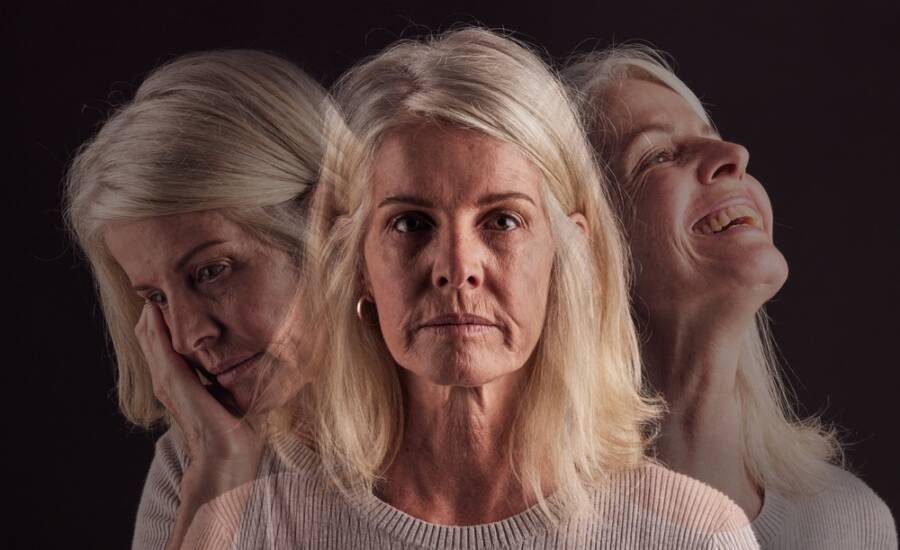
dementia myth
Photo by Bencemor from Shutterstock

Dementia is preventable

Unfortunately, this is completely untrue. However, it’s worth mentioning that some factors could reduce the risk of some types of dementia. For example, the Lancet Commission’s 2020 report on dementia prevention, intervention, and care lists 12 factors that could increase the risk of dementia: less education, hypertension, smoking, hearing impairment, depression, obesity, sedentary life, diabetes, low levels of social contact, alcohol consumption, and air pollution.

Working on changing some of these factors might have a positive impact on your health and even help reduce the risk of dementia.

Vitamins and supplements might prevent dementia

Regarding what we’ve discussed above, this is, again, false. Up to this date, there hasn’t been any strong evidence that vitamin and mineral supplements might reduce the risk of dementia. In fact, back in 2018, the Cochrane Library studied the issue with a thorough analysis that included data from over 83,000 participants from 28 other studies.

They concluded that there wasn’t any evidence to show that vitamin and mineral supplementation might have a meaningful effect on cognitive decline or dementia.

People with dementia are automatically more aggressive

In certain situations, people with dementia might find that it’s increasingly harder to understand the world around them (not that cognitively healthy adults have it any better, either). For understandable reasons, the confusion might become extremely frustrating, and some individuals might even respond to emotions in an angry fashion. But this doesn’t make it a rule for everyone. In fact, according to a study conducted on 215 people with dementia, 41% of them developed aggressive behavior throughout the 2-year study.

And when scientists looked at the list of factors that increased the risk of developing aggressive behavior, they discovered that physical pain and a low-quality relationship between the patients and their caregivers led to an increasingly aggressive attitude.

If you’re curious to read more about dementia, here’s what you need to read: 7 Subtle Signs Your Spouse Has Dementia


Pages: 1 2 3 4 5 6

Share this article

Facebook Twitter Pinterest LinkedIn Email

Leave a Reply Cancel reply

Your email address will not be published. Required fields are marked *

Search

Latest Posts

  • A conceptual illustration showing a father and daughter separated by a deep chasm in the floor of their dining room. 10 Habits That Push People Away (Your Children Too)
  • A conceptual collage of a head silhouette filled with shattered mirrors and warped photos, symbolizing reality distortion. 8 Ways People Distort Reality
  • An elderly woman sits alone at a dining table in soft afternoon light, looking down at a tea cup in a quiet, nostalgic home setting. 9 Emotional Wounds Adult Children Simply Don’t Realize They’re Inflicting On Their Parents
  • A mixed-media collage of a fragmented silhouette head with an anchor being cut, symbolizing the loss of one's grip on reality. 10 Signs Someone Is Trying to Distort Your Reality
  • A mixed media collage of a beautiful white flower with hidden barbed wire roots and thorny stems on a textured vintage paper background. 8 Behaviors That Reveal Hidden Toxicity
  • A candid photo of a couple in a dim living room, showing a sense of emotional distance and unspoken tension. 10 Traits That May Reveal Covert Narcissism
  • A couple sits on a sofa in a dimly lit room, one person looking at a phone while the other looks away, capturing a moment of secrecy. 8 Signs Someone May Be Hiding More Than They Admit
  • An ink and watercolor illustration of a human head cracking like stone, with golden light leaking through the fissures. 11 Small Clues That Can Expose a Lie
  • An abstract editorial illustration of a silhouette with a tangled nest of lines inside its head, symbolizing mental confusion. 8 Warning Signs Someone May Be Playing Mind Games
  • A mixed media collage of a silhouette filled with torn paper and translucent layers, symbolizing the invisible nature of emotional neglect. 10 Traits of People Emotionally Neglected as Kids

Newsletter

Get the latest posts delivered to your inbox.

Related Articles

schizophrenia

6 Risk Factors for Schizophrenia Every Senior Must Know

6. Stress While a child’s environment influences their mature life in a variety of ways,…

Read More →
therapy

5 Problems Not Even Therapy Can Solve for You

A breakup The feeling of being empty inside after a breakup? We’ve all been through…

Read More →
mental health

9 Ways to Improve Your Mental Health NOW

How important is mental health for you? Whether we watch TV, scroll through social media,…

Read More →
Grieving Process

The Grieving Process Is Devastating. These 7 Remarkable Tips Will Help!

Let’s go through the grieving process together! Losing someone you love will never be an…

Read More →
crying is good

10 Ways Crying Affects Your Mind and Body

When was the last time you cried? Crying is good because it helps us let…

Read More →
self-soothing,

9 Self-Soothing Methods to Help You Regain Balance

Some of The Best Self-Soothing Tactics out There! Let’s face it: We all have moments…

Read More →

10 Times You Should NOT Forgive Anyone

Have you ever wondered if it’s okay not to forgive someone? Is it acceptable to…

Read More →
depression

Dealing With Retirement Depression? 7 Tips on How to Overcome It

Look for support from people who make you feel safe When dealing with depression, it’s…

Read More →
Alzheimer's and Parkinson's

Alzheimer’s vs. Parkinson’s: 7 Differences and Symptoms You Must Know

Alzheimer’s and Parkinson’s: both of them are serious medical conditions. Let us clarify the main…

Read More →

Psychology Diary

The First Step Toward Change Is Awareness

Inedit Agency S.R.L.
Bucharest, Romania

contact@psychologydiary.com

Explore

  • About Us
  • Advertiser Disclosure
  • Contact Us
  • Disclaimer
  • Do not sell my personal information
  • Editorial Policy
  • Frequently Asked Questions
  • Privacy Policy
  • Terms and Conditions
  • Subscribe
  • Unsubscribe

Categories

  • Expert Tips
  • Family
  • Life
  • Marriage
  • Mental Health

© 2026 Psychology Diary. All rights reserved.