
Have you been thinking about implementing some anger management in your life recently?
When it comes to anger management, more people than not end up having a skewed impression. It is not only something that more of us should be using in our day-to-day lives, but it can also make the difference between a failed or successful relationship and even life.
Think about it this way: if you cannot control your feelings, especially your anger, you can end up saying things you will regret and letting your brash actions control your life.
You can end up ruining your relationships with your family, close friends, work colleagues, and even business relationships, but you can also spend a lot of time and energy on this feeling.
Studies have shown that people who fail to control their anger end up developing health issues and even resorting to becoming physically violent too.
Not all anger issues are this extreme, but in order to have a healthy and meaningful life, anger management is one of those skills that can make your life better.
These techniques are not about not getting angry, but rather learning to express your anger in a way that is not going to make you or anyone else around you feel worse.
If you are curious to find out what the best techniques are for anger management and how you can make the most of them, make sure you keep on reading!
Do you have anger issues? Do you know people who could definitely use some of these techniques? Let us know in your comments the moments when you wish you knew some anger management techniques!

1. See if you can see patterns and identify the triggers.
Everyone loses their temper, but when it ends up becoming a habit, that is when you know you have a problem on your hands. That is when you need to give this anger management strategy a try!
Think about the times you are getting angry and make a mental note of them. No matter how big or small, any moment when you end up angry is good to know; be it long lines, being extremely tired, or traffic jams, anything that shortens your fuse is a good note.
These could be part of your triggers, and while you should never blame external people or circumstances for making you angry, knowing what ticks you off can help you avoid these things.
Once you know your triggers, be they situations, events, or people that can make you lose your cool, you can do your best to avoid them. You can even structure your day in a different way, which will help you lessen the stress of it all.
Or it can better prepare you to encounter your triggers so you are not so easily affected by them.
2. Ask yourself whether or not your anger is helping you in any way.
It may be easier said than done, but this is one of the anger management techniques that can help you keep a cool head even when you think you are akin to a boiling pot.
Ask yourself if your anger is a friend or a foe if your anger is justified, or if you are making a big deal out of a molehill. Sometimes, like when you are seeing an injustice or someone is putting you in a bad spot or unhealthy situation, your anger may be justified or even helpful.
But if you get extremely angry over a broken plate, it does not help you in the slightest.
Sometimes, if your anger is justified, asking yourself this question may even lead you to discover that the situation you are in needs to change; maybe you need to end a friendship or you realize those around you are not healthy for you.
Other times, you may end up realizing that your anger is not helping you in any way. You may be feeling angry over small things and overreacting, which in turn can ruin your relationships and cause you and others distress.
A good anger management strategy is to ask yourself why you are angry when you realize you are going down that path and act accordingly.
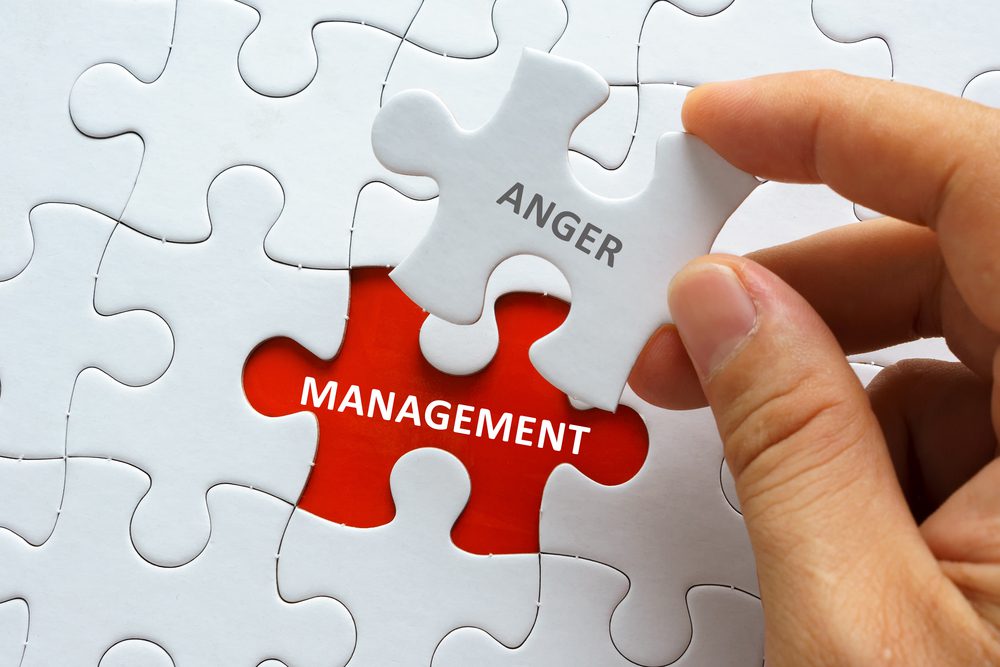
3. Learn to recognize your signs and walk way before you blow up
Some people know that their anger is volatile in the way that it can come up in an instant; one moment they are calm and collected, then the next one they are furious and angry, much like someone flipped a switch in their brain.
Despite this, it is not something that happens to everyone, and even if you think you go from 0 to 100 anger-wise fast, it is actually the opposite. There are warning signs that you are on your way to being very furious and that this emotion is on the rise inside you.
One of the best anger management techniques is to learn to recognize them early and know how you can prevent them from getting to a point where you explore in a fit of anger.
Some of the warnings can be physical, such as feeling your face getting hot, an increased heart rate, or even clenching your fists or teeth
Other signs are cognitive; they happen in your brain. Think about when people say their mind starts to race and they “see red.” They do not actually see red, but they are getting angry!
Knowing these signs, you can easily learn to take steps towards calming yourself so that you do not escalate your emotions and get too angry.
This does not mean you should ignore your anger, but rather see the signs that you are getting too heated and stop them from making you act out.
4. Never focus on the angry thoughts
If you are already angry and you keep thinking about your angry thoughts, know that you are never going to get out of the anger cycle.
You are just fueling your anger! If you are in a traffic jam and all you can think about is how it annoys you and will make you late and ruin your day, well, you are on your way to being angry the whole day and jinxing yourself!
Try to redirect your thoughts so that you are not focusing on the anger. If you are in a traffic jam, feel your annoyance, but then think about the fact that you are not the only one caught in the jam.
With millions of cars on the road each day, there are bound to be traffic jams, and no matter how angry you get, it will not change anything.
Focus on the facts of the matter rather than letting your thoughts spiral in anger.
Some people have found it useful if they get a mantra and repeat it in their mind so that they tune out the anger-fueled thoughts; things like “Not helpful.” or even “You’re okay, stay calm.” and “There’s nothing to be done.” can do wonders with minimizing and reducing the anger produced by your thoughts!

Bottom line: Do NOT suppress your anger.
While it may sound like the best thing to do, or it may be what others around you say, suppressing your anger is never a good choice. You can end up doing more harm than good to yourself and others if you do that.
Anger, like all other feelings, is meant to be felt, and acknowledging and dealing with it in a healthy way and understanding the underlying causes is the best way to do it.
Using anger management techniques is great, but you may find yourself not managing to do much about it on your own. We recommend that you seek the help of a professional who can guide you through the process of understanding your anger.
If you are looking for more ways to manage your anger in a healthy way, we recommend you also try some practical exercises. This anger management workbook has been a great help for many, and it is an affordable solution!
Sometimes it is good to know these techniques so you can help others in case they have anger management issues. Other times, it may be that you cannot see that you have the same issues you see in others. If you are looking for definite signs that you or someone else has anger management issues, check out this article on the matter!








Leave a Reply