Psychology Diary

The First Step Toward Change Is Awareness

  • Home
  • Relationships
  • Mental Health
  • Expert Tips
  • Life
  • Family
  • Marriage

The Complete Guide to Understanding and Managing Anxiety After 50

August 31, 2025 · Mental Health

Seniors practicing yoga in community center.

Lifestyle Supports for Senior Wellness and Mental Health

Managing anxiety isn’t just about what you do in moments of crisis; it’s also about building a strong foundation of well-being that makes you more resilient to stress. The choices you make every day regarding movement, nutrition, sleep, and social connection have a profound impact on your mental health. These lifestyle adjustments are powerful, evidence-supported natural remedies for anxiety in seniors.

Movement as Medicine: Gentle Physical Activity

You do not need to run a marathon to reap the mental health benefits of exercise. Gentle, consistent movement is incredibly effective at reducing stress hormones and releasing endorphins, which are your body’s natural mood elevators. The key is to find something you enjoy and can do safely.

What to try:
A daily 15-20 minute walk is a fantastic start. Other great options include water aerobics, tai chi, chair yoga, or gardening.
How to start:
Set a small, achievable goal. Instead of saying, “I’ll exercise for an hour every day,” try, “I will walk to the end of the block and back this afternoon.” Success builds momentum.

Nourishing Your Brain: Diet and Hydration

What you eat and drink can directly affect your mood and anxiety levels. A volatile blood sugar level, dehydration, or excessive caffeine can all mimic or worsen feelings of anxiety.

What to consider:
Caffeine: It’s a stimulant that can trigger a racing heart and jittery feelings. Consider limiting coffee, tea, and soda, especially after noon.
Alcohol: While it might feel relaxing initially, alcohol can disrupt sleep and lead to increased anxiety the next day.
Hydration: Even mild dehydration can impact your mood. Keep a water bottle handy and sip throughout the day.
Balanced Meals: Try to eat regular, balanced meals with protein, fiber, and healthy fats to keep your blood sugar stable.

The Cornerstone of Calm: Improving Your Sleep

Anxiety and poor sleep are locked in a frustrating cycle: anxiety makes it hard to sleep, and a lack of sleep makes you more vulnerable to anxiety. Improving your “sleep hygiene”—the habits surrounding your sleep—can help break this cycle. General guidance on sleep is available from sources like the CDC.

What to try:
Consistent Schedule: Try to go to bed and wake up around the same time each day, even on weekends.
Create a Wind-Down Routine: In the hour before bed, do something calming. Turn off the news and stimulating screens. Listen to quiet music, read a book (not on a bright screen), or take a warm bath.
Optimize Your Bedroom: Make sure your room is cool, dark, and quiet.
Avoid “Doomscrolling”: Looking at your phone or watching distressing news in bed is a recipe for a sleepless, anxious night.

The Power of Connection: Fighting Loneliness

Humans are social creatures. Loneliness and isolation are major drivers of anxiety and depression, particularly in older adults. Making an intentional effort to connect with others is not just a nice thing to do; it’s essential for your mental health.

What to try:
Schedule Connection: Don’t wait for it to happen. Schedule a weekly phone or video call with a family member or friend.
Join a Group: Look into local senior centers, book clubs, walking groups, or volunteer opportunities. Shared interests are a great way to build new friendships.
Embrace Technology: If mobility is an issue, video calls on a tablet or computer can be a wonderful way to see the faces of loved ones and feel more connected. Ask a family member or local library for help getting set up if you’re unsure.

Pages: 1 2 3 4 5 6 7 8 9 10 11

Share this article

Facebook Twitter Pinterest LinkedIn Email

Leave a Reply Cancel reply

Your email address will not be published. Required fields are marked *

Search

Latest Posts

  • A mixed media collage of a silhouette filled with torn paper and translucent layers, symbolizing the invisible nature of emotional neglect. 10 Traits of People Emotionally Neglected as Kids
  • A mixed-media collage showing a rigid, golden silhouette with cracks revealing a soft, watercolor interior, representing performative armor. 7 Behaviors People Mistake For Confidence But Aren’t
  • A woman sits alone at a kitchen table in dim evening light while her partner stands in the background, illustrating emotional distance. 9 Psychological Reasons Why People Stay in Unhappy Relationships
  • An illustration of a person using a prism to turn a chaotic blue wave into a clear spectrum of distinct colors. 10 Signs You Have Exceptionally High Emotional Intelligence
  • A mixed-media collage of an older person's profile filled with childhood drawings and school reports, representing deep-seated habits. 8 Childhood Habits That Still Secretly Shape Your Personality After 60
  • An abstract mixed-media piece showing bright yellow and orange splashes like a laugh, covering a dark, dense gray background. 7 Signs Someone Uses Humor To Avoid Serious Conversations
  • Two friends sitting at a kitchen table, unconsciously mirroring each other's posture by resting their chins on their hands. 7 Signs Someone Mirrors Your Personality Without Realizing It
  • A woman laughs at her phone while her friend sits beside her on a sofa with a forced, thin smile and envious eyes. 7 Friendship Behaviors That Reveal Hidden Jealousy
  • A mixed media collage showing a glowing smartphone screen inside a mirror frame, casting a shadow of a staged performance on a curtain. 7 Signs Someone Is Performing Kindness For Attention
  • A mixed media collage of a person in a theatrical spotlight while their partner sits in the shadows of a theater audience. 7 Signs Someone Loves Attention More Than They Love You

Newsletter

Get the latest posts delivered to your inbox.

Related Articles

Emotional Abuse

6 Damaging After Effects of Emotional Abuse

Substance Abuse When a relationship starts bringing you more pain than pleasure, it’s not unheard…

Read More →
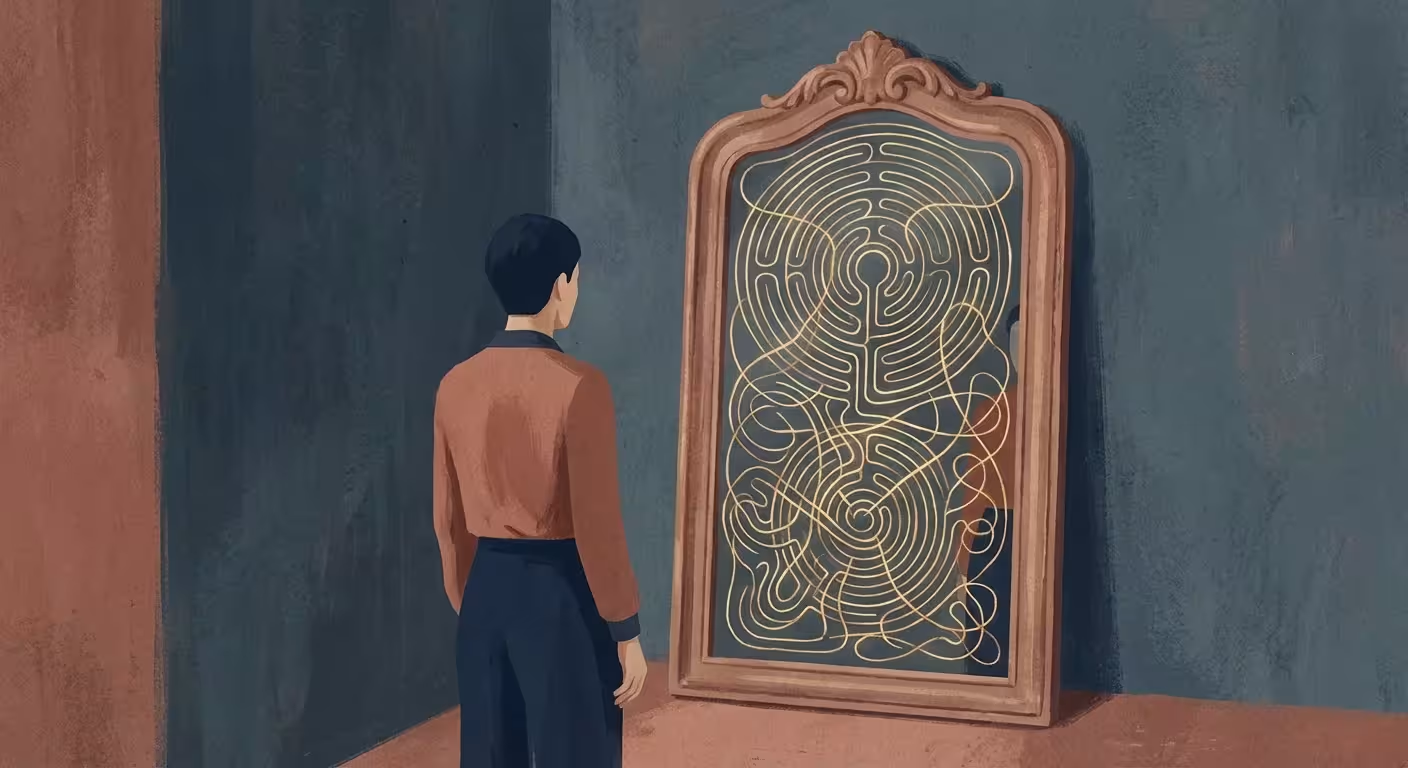
Surreal illustration of a person looking into a mirror that reflects a golden labyrinth, symbolizing internal complexity.

The 6 Most Dangerous Lies We Tell Ourselves Every Day

Uncover the 6 most dangerous lies we tell ourselves daily, from perfectionism to control fallacies,…

Read More →
cope with health anxiety

Hypochondria: 7 Tips on How to Cope With Health Anxiety

6. Find a doctor who understands you This is something that can help you a…

Read More →
mentally ill US presidents

7 Mentally Ill US Presidents and Their Symptoms

Calvin Coolidge Calvin Coolidge was yet another president who suffered from many losses in his…

Read More →
Panic Attack

Nervous Breakdown vs. Panic Attack: Early Signs & Differences

In our modern society, mental health has become a significant topic of discussion, and two…

Read More →
Bipolar Disorder

Bipolar Disorder and the 6 Vicious Myths Surrounding It

How Much Do You Know About Bipolar Disorder? When it comes to bipolar disorder, there…

Read More →
memory

Forgot Something? Don’t Worry – These 7 Memory Problems Are Normal

Sometimes, we all forget things. Maybe you need to find your keys or remember the…

Read More →
stay calm during election

9 Ways to Stay Calm During Election Season

Stay calm during election season by following these steps: With whom am I going to…

Read More →
ptsd

These 6 Conditions Are Related to PTSD

Anyone who has been through or witnessed a shocking event, such as a vehicle accident,…

Read More →

Psychology Diary

The First Step Toward Change Is Awareness

Inedit Agency S.R.L.
Bucharest, Romania

contact@psychologydiary.com

Explore

  • About Us
  • Advertiser Disclosure
  • Contact Us
  • Disclaimer
  • Do not sell my personal information
  • Editorial Policy
  • Frequently Asked Questions
  • Privacy Policy
  • Terms and Conditions
  • Subscribe
  • Unsubscribe

Categories

  • Expert Tips
  • Family
  • Life
  • Marriage
  • Mental Health

© 2026 Psychology Diary. All rights reserved.