
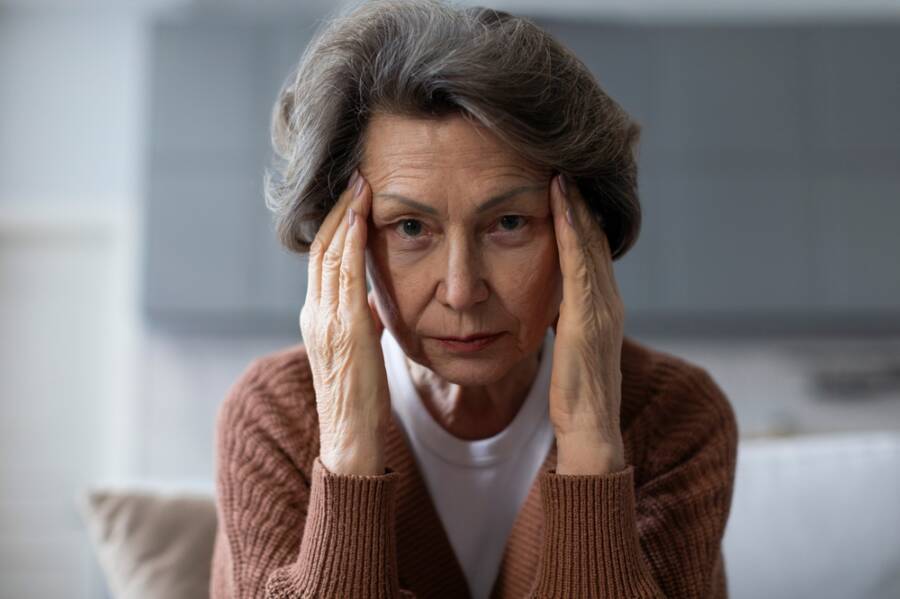
If you wonder whether or not you’ve experienced trauma as a child, it’s more than likely to also deal with some sort of post-traumatic stress disorder (PTSD) later in life, as well. Today, we will delve into all the whys and hows of childhood trauma, what abuse might look like, and how it can impact adulthood.
Also, if you are a victim of child abuse or know someone who might be, please don’t hesitate to call or text the Childhelp National Child Abuse Hotline at 1-800-422-4453 and discuss this with a professional crisis counselor. And remember, no one should go alone through this.

What is childhood trauma?
Trauma in childhood not only represents physical, emotional, and se*ual abuse but also prolonged exposure to traumatic events. These traumatic events might be when children witness natural disasters, or even when they witness violence within their communities.
What exactly determines a child’s reaction to a traumatic event?
There are several factors involved in a child’s reaction to trauma, such as:
- developmental level – this could represent where the child is age-wise or mentally.
- ethnicity and cultural factors – this can easily impact what the child sees as a normal response to trauma, depending on what they have seen from people in their communities or families.
- previous exposure to trauma – if a child is more accustomed to traumatic events, it could also mean that they adapt by learning how to effectively control their reactions.
- available resources – it refers to how socioeconomically connected their family might be, but also as their access to their needs constantly is assured.
- preexisting child and family issues – this could directly influence how supportive your parents are when you share that something traumatic happened, or it could imply that some form of abusive trauma takes place in your immediate family.
Signs of PTSD in children
Right after exposure to any kind of traumatic event, kids naturally express some sort of behavioral change. All these behaviors are still constantly reported by mental health professionals in ther daily practices with adults. These behavioral changes could also include:
- sudden fears – these fears might or might not be related to a certain traumatic event.
- separation anxiety – it occurs when a child becomes overwhelmed with anxiety, especially if their parents aren’t around.
- sleep disturbances – this could imply that they start having nightmares or even lose the ability to fall asleep rapidly.
- sadness – if you notice that a loved one feels down much more often, it could be a sign that they are coping with a traumatic event.
- losing interest in day-to-day activities – a child could lose interest in things they enjoyed before.
- inability to focus – this could be either long or short-term and impact certain things such as school, work, or even day-to-day activities.
- anger – unexplained anger, or even irritability that doesn’t quite match up to the level of the event, can be a clear sign of a traumatic event.
- somatic complaints – these could include stomachaches, headaches, or any other physical pain that seems to have no root cause whatsoever.
Even if kids have the ability to heal, between 3% and 15% of girls and 1% to 6% of boys might end up with PTSD. As a general rule, if any of these symptoms that we’ve just listed above appear for prolonged periods of time, it could be time to consider seeking a therapist that focuses on the treatment of PTSD.
Besides these symptoms, children who experience PTSD could also exhibit hypervigilance in an effort to look for warning signs to prevent future traumas. Children who suffer from PTSD could also re-experience the trauma or avoid certain things that could remind them or cause them to remember the trauma.
Signs of childhood trauma in adults
The effects of childhood trauma can very well last until adulthood. Trauma can easily impact future relationships and lead to other types of issues such as depression and low self-esteem.
Childhood abuse could impact adult relationships
Experiencing trauma as a child can definitely impact the way in which you form attachments in romantic relationships. There’s one study where 911 students were asked about their experiences with trauma as kids.
The students that were questioned and experienced some form of physical, emotional, and se*ual abuse were way more likely to exhibit attachment styles that were fearful, preoccupied, and dismissive.
The study also emphasized that students who didn’t experience childhood trauma were way more likely to have secure attachment styles into adulthood. Here are the main attachment styles we need to know about:
- secure – people with a secure attachment style are able to develop healthy relationships and possess a proper level of self-esteem.
- ambivalent – these attachment styles are somehow reluctant to get too close to people and constantly worry that their partners might leave them.
- avoidant – avoidant attachment styles have deep issues regarding intimacy and almost never let anyone too close out of a fear of abandonment.
- disorganized – these attachment styles sometimes take on parental roles in romantic relationships.
Other tell-tale signs of childhood trauma in adults
Exposure to traumatic events can also lead to poor self-esteem, depression, self-destructive behavior, and sometimes difficulty trusting others. This can become even more problematic with age, as PTSD and traumatic events from childhood can easily result in adverse health effects in adulthood.
In fact, according to a Cleveland Clinic podcast, adults who go through trauma as children are way more likely to suffer from depression and mood disorders, but also suffer from suicidal thoughts.
They are also likely to abuse alcohol and other substances. Ultimately, they might end up with chronic illnesses, such as diabetes and heart disease. The higher likelihood of developing some form of chronic illness is also potentiated by coping and escaping mechanisms like smoking.
The podcast also went on to explain how doctors are currently researching the possibility of “treating” the trauma by understanding someone’s past. Some believe that it can lead to better treatment and prevent the aforementioned diseases and their symptoms. In fact, it’s even possible for these traumas to impact the brain in a very specific way.

Dissociative episodes in trauma sufferers
One of the most likely reasons for resurfaced childhood trauma can be seen in dissociative episodes in adults. As a general rule, this implies that the individual never learned how to effectively process and deal with the trauma.
This could lead to someone feeling as if they are constantly reliving the childhood trauma, which can be very distressing. On top of that, if an individual doesn’t have a strong support system in place to help them process trauma, they might even start to dissociate from reality as a way of coping. This could eventually lead to chronic dissociation, which can be extremely challenging to overcome.
Anger
There’s a wide list of reasons as to why repressed childhood trauma could cause anger in adulthood. One important factor is that when individuals repress their emotions, they are basically pushing down any negative feelings they experience.
This can also lead to those emotions slowly but surely boiling over and manifesting as anger. Anger reactions are oftentimes an unconscious decision because the individual isn’t quite sure what feelings they aren’t able to express, which also keeps the reactions to their adverse childhood experiences bottled up.
Repression of trauma can easily lead to difficulty in regulating one’s emotions, which can ultimately result in intense mood swings.
If you found this article insightful, we also recommend checking: 10 Reasons Why Assisted Living Facilities Are a Great Decision








Leave a Reply