Psychology Diary

The First Step Toward Change Is Awareness

  • Home
  • Relationships
  • Mental Health
  • Expert Tips
  • Life
  • Family
  • Marriage

Recognizing the Signs of a Nervous Breakdown in a Loved One

August 31, 2025 · Mental Health

Seniors in doctor's waiting room, one person looks anxious.

Special Considerations for Older Adults

When supporting an older adult (50+), there are unique factors to consider. The `signs of extreme stress` can sometimes be mistaken for normal aging, or they can be complicated by other health issues. A thoughtful approach is key.

Rule Out Physical Causes First

Many symptoms that look like a mental health crisis in older adults—such as confusion, apathy, irritability, and fatigue—can have physical roots. Before assuming the cause is purely psychological, it’s essential to encourage a thorough check-up with their primary care doctor.

Potential medical causes can include:

  • Medication side effects or interactions.
  • Untreated pain from conditions like arthritis.
  • Thyroid problems or vitamin deficiencies (especially B12).
  • Sensory changes, like hearing or vision loss, which can be socially isolating and disorienting.
  • Early signs of cognitive decline or dementia.

A doctor can run tests to rule these out, creating a clearer path for diagnosis and treatment. Always bring a current list of all medications, including over-the-counter supplements, to the appointment.

Navigating Grief, Loneliness, and Role Changes

Later life is often a time of significant transition, and these changes are major stressors. Retirement can bring a loss of identity and routine. The death of a spouse, friends, or siblings can lead to profound grief and loneliness. Chronic illness can limit independence and change one’s role within the family.

These losses are real and deserve to be acknowledged. Sometimes, what looks like a `nervous breakdown` is an intense and complicated grief response. It’s important to create space for them to talk about these losses without trying to rush them through their feelings. Support groups for bereavement or chronic illness can be incredibly helpful, connecting them with others who truly understand what they’re going through.

Overcoming Barriers to Care

Many older adults grew up in an era when mental health was not openly discussed, and there can be a great deal of stigma or shame attached to seeking help. They may have a “pull yourself up by your bootstraps” mentality and see therapy as a sign of weakness.

There can also be practical barriers. Transportation may be an issue if they no longer drive. Technology can also be a hurdle for telehealth appointments. You can help by:

  • Framing therapy as “stress management coaching” or “talking to an expert on coping skills.”
  • Offering to handle the technology for a telehealth call. Do a practice run with them so they feel comfortable. Help them log in and ensure the video and audio are working before the session starts.
  • Exploring options like in-home therapy or services that specialize in geriatric mental health.

Patience and gentle, persistent encouragement are your best tools.
Pages: 1 2 3 4 5 6 7 8 9

Share this article

Facebook Twitter Pinterest LinkedIn Email

Leave a Reply Cancel reply

Your email address will not be published. Required fields are marked *

Search

Latest Posts

  • An ink and watercolor illustration of a parent at a table, looking at a phone from which a thorny vine grows. 10 Hidden Signs Your Adult Child Is Toxic
  • A conceptual paper collage showing a silhouette framed by overlapping paper layers, symbolizing a shrinking world. 10 Signs Your Spouse Is Controlling You
  • An adult in a knit sweater sits on a window sill on a gray day, looking out over a misty city with a steaming mug. 10 Subtle Signs You're Just Existing, Not Truly Living
  • Editorial illustration of a person surrounded by a protective warm watercolor aura, deflecting dark droplets on textured paper. 10 Common Psychological Defense Mechanisms - Which One Do You Use?
  • A mixed-media collage silhouette of a person made from torn paper, charcoal sketches, and ink washes, representing fragmented self-trust. 9 Signs of an Emotionally Abusive Relationship
  • A mixed media collage of a human silhouette with layered torn paper in indigo and gold, symbolizing trapped physical energy and healing. 10 Signs Your Body is Holding Trauma
  • An illustration of an adult walking forward, casting a shadow that reveals a towering parental figure behind them. 10 Signs You Were Raised by a Narcissist
  • An editorial gouache illustration of a woman's profile transitioning from concrete architecture to elegant fashion lines. Who Was Melania Before She Met Donald Trump? (A Psychological Portrait)
  • An ink and watercolor illustration of a person holding a large ceramic vase with glowing gold cracks, symbolizing hidden internal pressure. The Psychology of the Person Who Is Always Fine Until They Absolutely Aren't
  • A woman sits in a sunlit home library, looking thoughtfully out a window with an open book on her lap. 12 Signs of a High IQ

Newsletter

Get the latest posts delivered to your inbox.

Related Articles

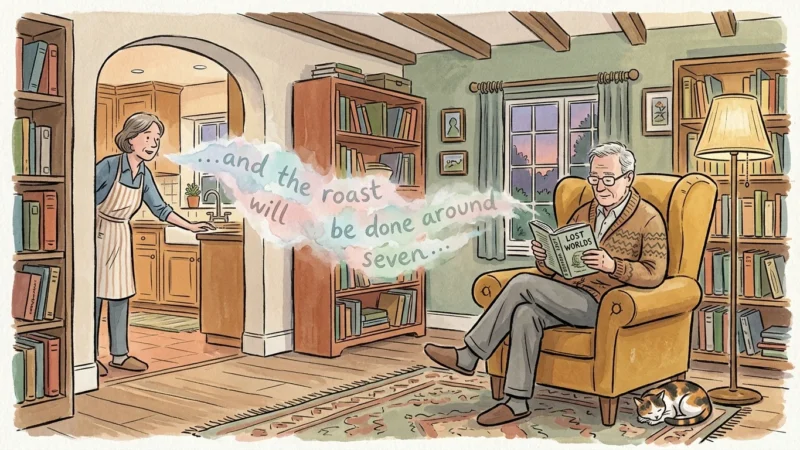
An editorial illustration of a senior man in an armchair while his partner speaks from a distance, with her voice fading as watercolor mist.

7 Early Warning Signs of Hearing Loss That Seniors Often Dismiss as Normal Aging

Discover the 7 early behavioral and emotional warning signs of hearing loss, and learn how…

Read More →
anger management

4 Anger Management Techniques Everyone Needs to Know

Have you been thinking about implementing some anger management in your life recently? When it…

Read More →
PTSD, mental health depression

PTSD: How To Navigate Fireworks Season

How to Tackle Your Ptsd-Symptoms This Season Summer brings along with it bright and booming…

Read More →
depression

5 “Normal” Things That Are Actually Depression

Are you doing these things? It might be depression! The World Health Organization (WHO) estimates…

Read More →
morning depression

Do You Have Morning Depression? Here Are 8 Effective Ways to Combat It

Are you dealing with morning depression? While everybody is different, depression is something very serious…

Read More →
Narcissist psychopaths

Psychopaths Do These 9 Things

We can all agree that psychopathy is a widely debated topic as far as psychology…

Read More →
men become cranky as they age

Why Do Men Become Cranky as They Age? 9 Psychological Reasons

The psychological explanation behind “Why do men become cranky as they age”  The phrase “grumpy…

Read More →
signs of anxiety war

Top 6 Earliest Signs of Anxiety Disorder in Seniors

5. Worrying too much May seniors experience this one of the signs of anxiety. Excessive…

Read More →
Borderline Personality Disorder

Borderline Personality Disorder: 8 Most Scary Misunderstandings

Let’s talk about the most common myths surrounding borderline personality disorder. Borderline personality disorder is…

Read More →

Psychology Diary

The First Step Toward Change Is Awareness

Inedit Agency S.R.L.
Bucharest, Romania

contact@psychologydiary.com

Explore

  • About Us
  • Advertiser Disclosure
  • Contact Us
  • Disclaimer
  • Do not sell my personal information
  • Editorial Policy
  • Frequently Asked Questions
  • Privacy Policy
  • Terms and Conditions
  • Subscribe
  • Unsubscribe

Categories

  • Expert Tips
  • Family
  • Life
  • Marriage
  • Mental Health

© 2026 Psychology Diary. All rights reserved.