
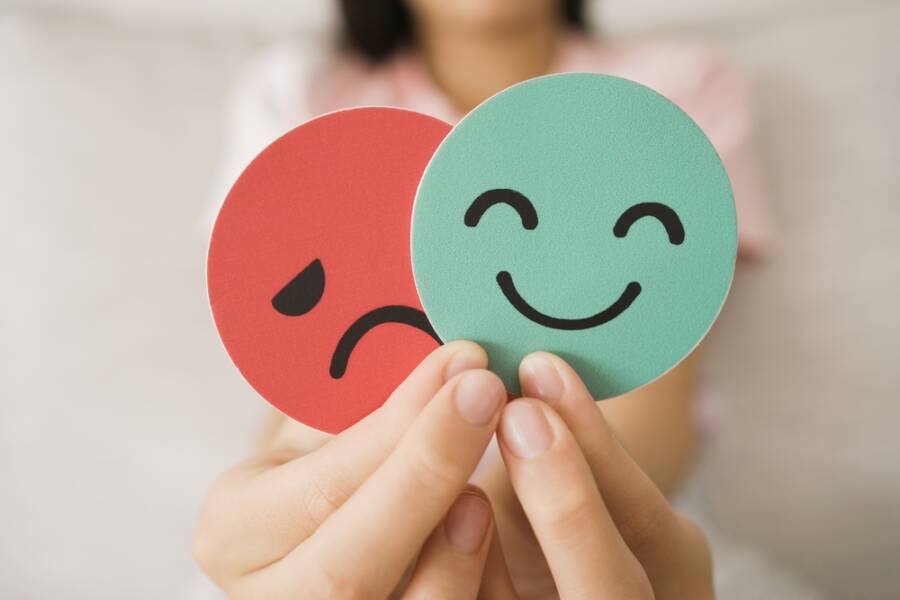
Are you doing these things? It might be depression!
The World Health Organization (WHO) estimates that over 264 million people worldwide suffer from depression. This means that the chances for someone that you love or even you to suffer from depression are pretty high.
Have you ever heard of smiling depression? This is when people are doing their best to hide their symptoms so everyone would think they are ok. Maybe they appear to be highly functioning at work and in social situations, but in reality, behind closed doors, they manifest all the classic symptoms of depression.
But why are people hiding? There are many reasons behind this question, but most of them want to protect the ones they love. They don’t want them to worry, so the alternative they see as the most effective is to pretend they are all right.
Also, there are many people who feel guilty or ashamed for being depressed, and by hiding their symptoms, they feel better about themselves.
Let’s get familiar with the most common hidden signs of depression and learn what the next steps are to take, whether you want to help yourself or a loved one.
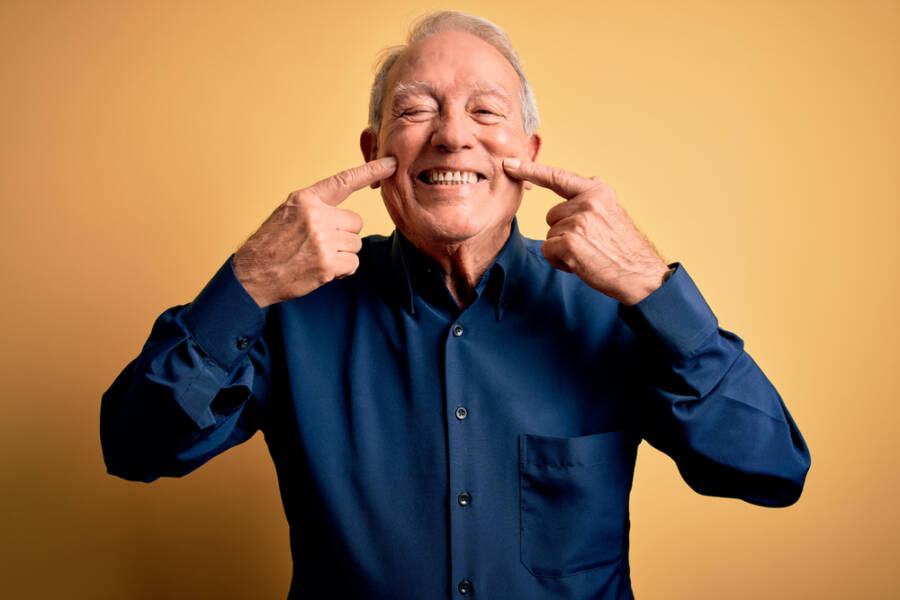
1. The forced happy face
How do you evaluate if someone is sad or happy? Most of the time by looking at their face and examining their expression, right? Are they smiling? Perfect, this means they are all right!
But things are more complex than this, and a simple smile might hide years of depression. The trend of toxic positivity is more popular than ever and can lead people to try to do their best to look as happy as possible.
Pay attention and see if someone changes the subject when you are talking about how they fell or about their sadness. If they try to avoid this subject, this is a clear sign that they are not comfortable, and there’s something more there. The smile can be just a dismissive mechanism to hide from the public eye.
Analyze the way they are talking and what they are saying. Does this sound familiar to you? “Yeah, I’ve been really down lately… but it’s okay, I’m fine.” This is not something a happy person is saying.
If you suspect that a family member or a friend has depression, try to spend more time with them because masking these feelings is not easy, and in the end, if you are there, you’ll be able to notice more about their true feelings.
2. The future is not really optimistic
This is not a new thing. It was actually documented by scientists in 1979 and is called “depressed realism.” What’s all of this about? The theory says that those who suffer from depression see the world in a more realistic way than the ones who are not depressed. They are more aware of their role in the world and how it is working.
Maybe this sounds like a good thing, but it is not. Those who are hiding their depression can be really cynical, and you can easily notice this during conversions. Maybe they often say that nothing matters anyway. This is a basic trait of “depression realism.”
While more recent studies have validated this notion, more studies are needed to achieve an agreement among psychologists. Until then, be mindful that an abrupt shift in someone’s viewpoint about life may indicate underlying depression.
3. Diet changes and weight fluctuations
When these changes happen, no one is truly focusing on them, but you need to know that they can indicate that someone is suffering from depression. When someone goes through extreme feelings of sadness and hopelessness, a shift in appetite is not something unusual, and this happens due to the high levels of cortisol that are released, and this affects the body’s response to food.
Some people eat less, and you can notice that they are losing weight fast. They say that food is no longer bringing them any pleasure, and most meals leave them feeling empty.
On the other hand, there are also some people who, when they are depressed, find comfort in food, and they end up eating more sugary foods than usual because this is what helps them cope with their emotional distress.
While it may provide temporary relief, evidence shows that a sugar-rich diet may worsen general depression symptoms, resulting in a severe feedback cycle of emotional eating and mood falls.
Generally, people will notice weight fluctuations sooner or later. When this happens, be aware that this is a big warning sign that something is not ok with that person, and there is a really high chance it might be depression.
4. Crying for help, but then taking it back
When someone is dealing with depression but wants to hide it, you might notice something called “vulnerability hangover.” This is when they express vulnerability but immediately hide it, mostly out of shame and regret about opening up.
When the true feelings are revealed, you might notice that there are a lot of dark thoughts and maybe talking about how they feel like they need professional help. However, once the moment passes, they might retreat, avoiding follow-up conversations or even dismissing what they had said earlier by saying, “Nevermind, I’m fine.”
This back-and-forth might seem confusing, but most of the time it is all about the discomfort of being perceived as vulnerable or weak. Many times, those who feel like hiding their depression do this because they are used to putting on a brave face, and when it happens for the mask to slip, they can feel embarrassed and wish to put it back on as fast as possible.
Another common pattern for these people is to overshare on social media. This manifests as posting highly personal thoughts, only to delete them shortly after. Again, this is a method they use to reach for help and then immediately pull away.
If you notice this behavior in someone you love, you will need to approach them but keep in mind that you should do this with compassion. Help them to express their feelings. Many times you just need to be there for them and listen. Remind them that it’s okay to be vulnerable and that your support for them is unconditional.

5. Drinking more alcohol
Hidden depression is no joke, and someone suffering from it might try to cope with it by drinking alcohol. This happens because this releases endorphins, which are chemicals in the brain that help relieve pain and stress.
Alcohol is one of the most accessible ways to help your body release endorphins because it’s socially accepted. Going out for drinks after work or at social gatherings may look like something normal, and it is until it’s too much. When someone is doing this constantly, this can be a sign that they are hiding their depression.
Studies show that alcohol use disorder (AUD) is pretty common in those who suffer from depression, and this connection is even stronger in the case of women. When people are depressed, they may turn to alcohol because they don’t want to feel the pain, and they say that alcohol “numbs” all of their feelings.
The tricky part is that many won’t notice this behavior because it may seem normal. Drinking in moderation, or even indulging a bit, is seen as a typical response to stress in many cultures.
If you want to learn more about how to deal with depression, this book might help you: Navigating The S.T.O.R.M.: A Guide to Anxiety and Depression Management
You should also read: Feeling Lonely? Here Are 8 Genius Ways to Combat Isolation in Retirement




Leave a Reply