

Unspoken resentment acts like a slow-acting poison in relationships, quietly eroding trust and intimacy long before a major confrontation occurs. Identifying these hidden emotional currents early allows you to address underlying grievances before they calcify into permanent contempt. When a partner, friend, or colleague harbors secret bitterness, they rarely announce it directly; instead, the emotion leaks out through subtle shifts in body language, passive-aggressive communication, and sudden emotional withdrawal. Paying attention to these nuanced behavioral changes gives you the opportunity to initiate repair attempts and foster genuine emotional transparency. Understanding the psychology behavior behind suppressed anger shifts you from feeling confused by their sudden coldness to being equipped to heal the fracture.

The Anatomy of Hidden Resentment
Resentment rarely develops overnight. It builds incrementally, usually born from a deep-seated fear of conflict or a perceived lack of emotional safety. When someone feels that their needs are repeatedly ignored, invalidated, or dismissed, they often stop vocalizing those needs. Instead of addressing the issue directly, they swallow their frustration to maintain a superficial sense of peace.
However, human beings cannot selectively suppress emotion without consequence. When you push anger down, it ferments into bitterness. This suppressed frustration eventually demands an outlet, manifesting as indirect hostility. According to research published by the American Psychological Association, passive-aggressive behavior stems from a profound hostility and frustration that the individual feels unsafe or incapable of expressing overtly. They want you to feel their pain, but they want to maintain plausible deniability while doing so.
This dynamic creates a confusing and destabilizing environment. You sense the emotional chill, but when you ask if something is wrong, you receive a flat, unconvincing denial. This gap between what you intuitively feel and what the other person explicitly states can make you doubt your own perception. Recognizing the subtle signs of secret resentment is the first step toward breaking this exhausting cycle.

7 Subtle Signs of Secret Resentment

1. The Weaponization of Sarcasm and Disguised Jokes
Humor serves as a powerful connecting force in healthy relationships, but resentful individuals frequently weaponize it. When someone harbors hidden anger, they often deliver cutting remarks, veiled criticisms, or hyper-specific jabs under the guise of comedy. If you react with hurt or defensiveness, they immediately retreat behind a shield of plausible deniability, claiming they were just joking and accusing you of being overly sensitive.
This tactic allows them to release built-up hostility while entirely avoiding accountability. Pay close attention to the nature of the teasing. Playful banter builds affection and focuses on lighthearted shared experiences. Resentment-fueled sarcasm targets your insecurities, questions your competence, or highlights your past mistakes. If a joke leaves you feeling belittled rather than amused, you are likely experiencing the leakage of unspoken bitterness.

2. Sudden Emotional Withdrawal and Stonewalling
Emotional withdrawal serves as one of the most common and painful indicators of hidden resentment. A partner or friend who previously engaged in warm, fluid conversation may suddenly become emotionally inaccessible. They offer one-word answers, avoid asking about your day, and physically distance themselves when you enter a room.
Relationship researchers refer to the extreme end of this behavior as stonewalling. When someone stonewalls, they build an invisible wall between you and them, effectively shutting down all attempts at connection. They may stare blankly, look away, or physically leave the room when you try to engage them. This withdrawal punishes you through emotional starvation. It forces you to chase them for basic interaction, giving the resentful person a temporary sense of control and power over the dynamic.

3. Micro-Expressions of Contempt
While people can consciously control their words, their nonverbal cues often betray their true feelings. Contempt—the belief that someone is beneath you—frequently accompanies deep resentment. You can spot contempt through fleeting micro-expressions that flash across a person’s face before they have a chance to mask them.
Look for the unilateral lip raise, which looks like a subtle sneer or smirk on one side of the face. Watch for frequent eye-rolling when you speak, exaggerated sighing, or a tightening of the jaw. These physical manifestations indicate that the person feels a sense of moral superiority or deep irritation toward you. When contempt enters a relationship, it signals that the resentment has evolved from frustration over specific actions to a generalized negative view of your character.
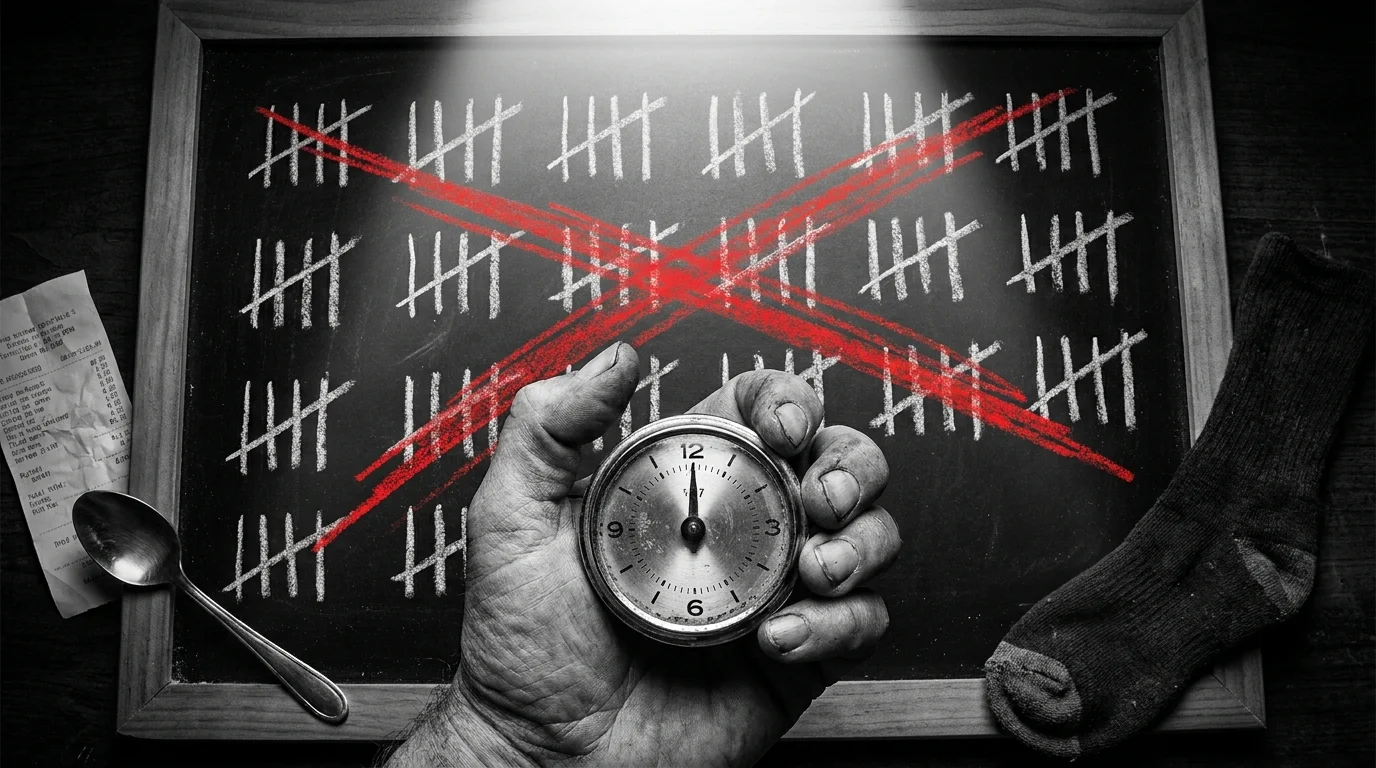
4. Keeping Score Over Minor Infractions
Healthy relationships operate on a foundation of mutual grace and forgiveness. People make mistakes, forget minor details, and occasionally drop the ball. When resentment takes root, that grace vanishes entirely. The resentful individual transitions into an emotional accountant, meticulously keeping score of your every misstep.
They will remember that you ran ten minutes late three months ago, that you bought the wrong brand of coffee last week, and that you interrupted them during a meeting yesterday. They stockpile these minor infractions and use them as ammunition to justify their current hostility. This tit-for-tat mentality creates a toxic environment where you feel constantly evaluated and perpetually indebted. You find yourself walking on eggshells, terrified that a simple mistake will be added to their hidden ledger.
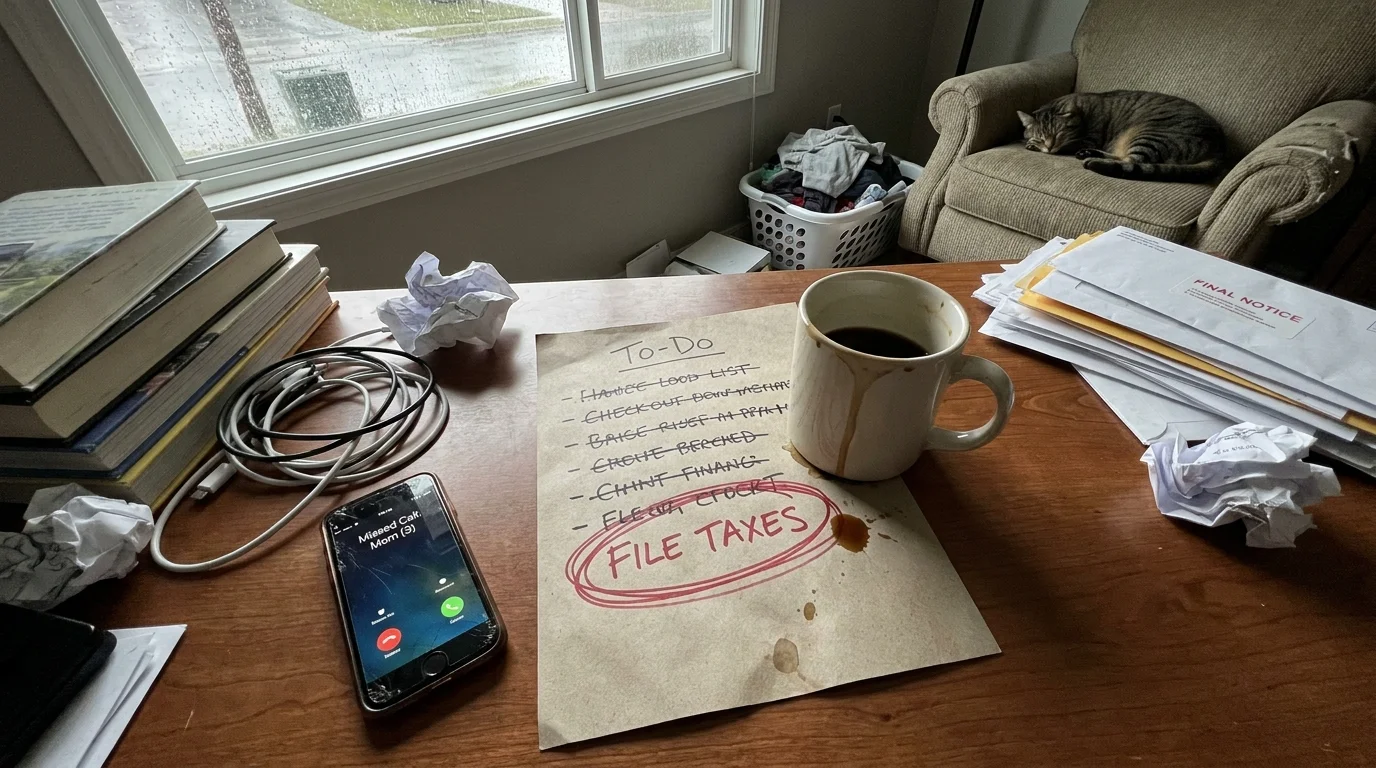
5. Intentional Inefficiency and Feigned Forgetfulness
In both personal and professional settings, secret resentment frequently manifests as weaponized incompetence. The resentful person outwardly agrees to fulfill a request or complete a task, but they execute it so poorly—or take so long to do it—that you eventually step in and finish it yourself.
They might continuously forget to run a critical errand, miss important deadlines, or pretend they do not understand how to operate a basic appliance they have used dozens of times. By failing at the task, they covertly punish you for asking them to do it in the first place. This behavior is infuriating precisely because it is so difficult to prove intentionality. They can claim it was an honest mistake or a lapse in memory, leaving you feeling frustrated and unsupported while they successfully avoid direct conflict.

6. Withholding Affection, Praise, or Essential Information
Resentment breeds a scarcity mindset. When someone feels shortchanged in a relationship, they subconsciously decide to stop giving. In romantic relationships, this often looks like a sudden cessation of physical touch, withheld compliments, or a refusal to initiate intimacy. They starve the relationship of positive reinforcement.
In friendships or professional environments, this withholding tactic often targets information. A resentful colleague might conveniently forget to CC you on an important email thread or fail to mention a schedule change until the last minute. By controlling the flow of affection or information, the resentful person attempts to regain a sense of leverage and dominance in the relationship.

7. Exaggerated Annoyance at Your Normal Habits
When someone harbors a grudge, their tolerance for your everyday behavior plummets. Quirks that they previously found endearing or neutral suddenly become sources of intense, visible irritation. The way you chew your food, the pitch of your laugh, or the way you organize your desk triggers a disproportionate reaction of annoyance.
Dr. John Gottman, a leading researcher at The Gottman Institute, refers to this phenomenon as Negative Sentiment Override. In this state, the resentful person views your neutral or even positive actions through a fundamentally negative filter. Because they have an unresolved, overarching grievance with you, their brain actively searches for evidence to validate their anger. Your mere presence can become a trigger for their suppressed hostility.
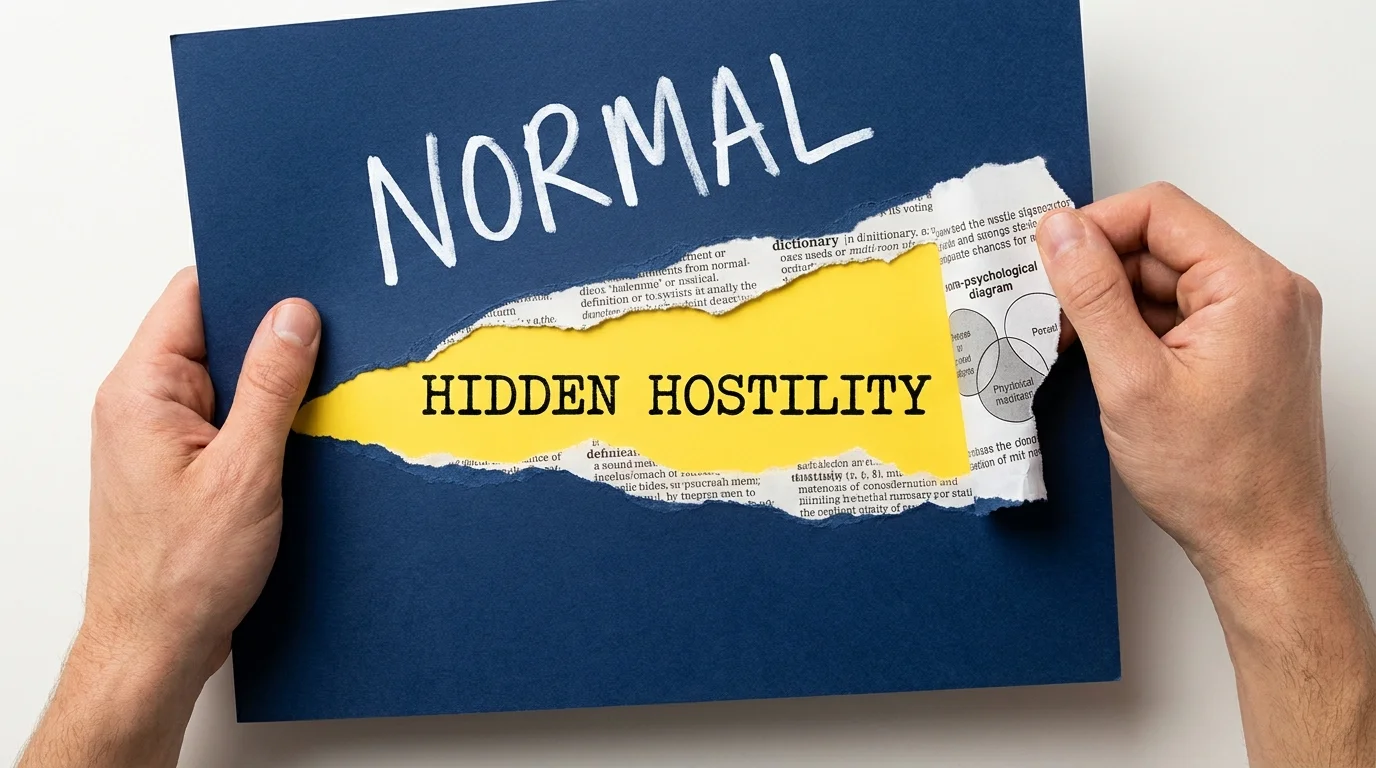
Myths Worth Debunking
Misunderstanding how resentment operates often prevents people from addressing it effectively. Let us examine and dismantle some of the most common misconceptions.
- Myth: Resentment only exists in toxic relationships.
Fact: Unspoken resentment can infiltrate otherwise healthy, loving relationships if both partners struggle with conflict avoidance. Wanting to keep the peace temporarily can lead to long-term bitterness. Addressing resentment does not mean the relationship is doomed; it means the relationship requires recalibration. - Myth: If they were truly angry, they would just tell me.
Fact: Many people grow up in environments where expressing anger was punished or ignored. They carry this fear into adulthood. Their silence is not proof of contentment; it is often a defense mechanism designed to protect them from the vulnerability of direct confrontation. - Myth: Time heals resentment naturally.
Fact: Time does not heal hidden anger; it solidifies it. The longer grievances go unaddressed, the deeper the neural pathways of Negative Sentiment Override become. Resentment requires active intervention and open dialogue to resolve.

Direct vs. Passive Communication
Understanding the difference between direct, healthy expression and passive-aggressive resentment can help you accurately identify the dynamic at play. The following table illustrates how the same underlying emotion surfaces in two drastically different ways.
| The Underlying Emotion | Direct Communication Approach | Passive-Aggressive Resentment |
|---|---|---|
| Feeling Unsupported | “I feel overwhelmed with the household chores today. Could you please take over the laundry?” | Sighing loudly, aggressively slamming cabinet doors, and muttering about how nobody ever helps around the house. |
| Feeling Hurt by Exclusion | “I felt left out when you made weekend plans without checking in with me first.” | “Go have fun with your real friends. I’m used to staying home anyway.” |
| Feeling Overburdened at Work | “I do not have the bandwidth to take on this project right now without pushing back other deadlines.” | Accepting the project with a fake smile, then intentionally missing deadlines and producing subpar work. |
| Feeling Unheard in Conflict | “I need us to pause. I feel like you are talking over me and not hearing my perspective.” | Giving the silent treatment for three days and refusing to make eye contact. |

How to Defuse Secret Resentment
When you recognize the signs of secret resentment, your natural instinct might be to confront the person aggressively or demand an explanation. Unfortunately, matching hostility with hostility only drives the resentful person further into their defensive shell. To break the cycle, you must create an environment where it feels safe for them to drop their passive-aggressive shield.
Start by addressing the dynamic rather than the specific incident. Instead of arguing about the fact that they forgot to buy milk, gently name the shift in their energy. You might say, “I have noticed a bit of distance between us lately, and I want to make sure we are okay. Is there something I have done that has upset you?” Deliver this observation with genuine curiosity, not accusation.
“Keeping concerns or problems to yourself can breed resentment. When discussing tough topics, though, it pays to be kind.” — Dr. John Gottman, Relationship Researcher
When they do open up, practice radical listening. Your immediate impulse will likely be to defend your actions or explain your intentions. Suppress that urge. Let them speak their truth without interruption. Validate their emotional experience, even if you disagree with their interpretation of events. Saying, “I can see why my actions made you feel unsupported, and I am sorry for that impact,” goes a long way in melting calcified bitterness.
Finally, own your part of the dynamic. If you have been unapproachable, dismissive of their feelings in the past, or quick to anger, acknowledge how your behavior may have made it difficult for them to speak to you directly. Rebuilding trust requires mutual vulnerability.

Signs It’s Time to Talk to a Therapist
While open communication can resolve many interpersonal frictions, deeply entrenched resentment often requires professional intervention. The Gottman Institute notes that couples wait an average of six years after problems begin before seeking professional help. During that time, bitterness can severely damage the emotional foundation of the relationship. Consider reaching out to a licensed professional if you observe the following scenarios:
- Contempt has replaced respect: If eye-rolling, name-calling, and mocking have become the default modes of communication, the relationship is experiencing severe emotional distress.
- You feel chronic anxiety around the person: If you are constantly walking on eggshells and monitoring your behavior to prevent triggering their passive aggression, your emotional health is at risk.
- Every conversation spirals into an argument: If even neutral topics rapidly escalate into scorekeeping and bringing up past wounds, you may be stuck in a cycle of Negative Sentiment Override.
- The resentment persists despite your best efforts: If you have repeatedly tried to foster open dialogue, taken accountability for your actions, and adjusted your behavior, but their hostility remains unchanged, a neutral third party can help bridge the gap.
Do not wait for a relationship to completely fracture before seeking support. Research indicates that evidence-based approaches, such as Emotionally Focused Therapy (EFT), demonstrate high success rates, helping 70 to 75 percent of distressed couples move into relationship recovery.
Frequently Asked Questions
Can a relationship survive deep resentment?
Yes. Relationships can absolutely recover from deep resentment, but it requires a mutual willingness to change. The resentful partner must commit to communicating directly, and the other partner must commit to receiving that feedback without immediately resorting to defensiveness. Healing involves establishing new, transparent patterns of interaction.
How do I confront someone without making them defensive?
Shift your language from “you” statements to “I” statements. Instead of saying, “You are always acting passive-aggressive and ignoring me,” try saying, “I feel disconnected and anxious when we don’t talk for days. I would really like to understand what is going on so we can fix it.” Tone, body language, and timing are just as important as the words you choose.
Is passive-aggressive behavior a form of emotional abuse?
Occasional passive-aggressive behavior is a common, albeit unhealthy, human response to conflict. However, when passive aggression becomes a relentless, chronic pattern used to manipulate, punish, and control someone over a long period, it can cross the line into emotional abuse. If you feel consistently demeaned, gaslit, or isolated, seek professional support to evaluate the relationship dynamic.
Breaking the cycle of secret resentment requires courage. It demands the bravery to speak uncomfortable truths and the humility to listen to them. While the process of unearthing buried anger can feel highly volatile in the moment, it clears the air. Sweeping grievances under the rug only trips you up later. By recognizing these subtle signs, naming the dynamic with empathy, and inviting open dialogue, you can transition a relationship from silent hostility back to genuine, trusting connection.
This is educational content based on psychological research and general principles. Individual experiences vary significantly. For personalized guidance, consult a licensed therapist, psychologist, or counselor.
Last updated: February 2026. Psychology research evolves continuously—verify current findings with professional sources.








Leave a Reply