Psychology Diary

The First Step Toward Change Is Awareness

  • Home
  • Relationships
  • Mental Health
  • Expert Tips
  • Life
  • Family
  • Marriage

8 Tips for De-Stressing After a Conflict

July 25, 2023 · Mental Health
tips for de-stressing
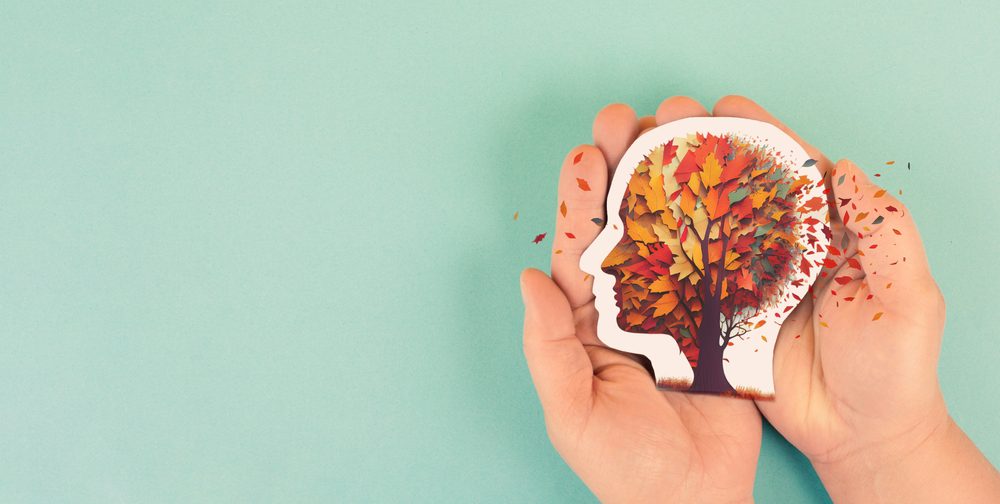
Photo by Luis Molinero from Shutterstock

5. Listen to some soothing music that you enjoy

…Aah music! One of the best tips for de-stressing that therapists gave us was to listen to music after a huge fight. You may not be in the mood for something cheerful, but don’t go down the rabbit hole and start listening to sad tunes! Since music is a real mood changer and it’s also therapeutic, look for soothing, calming tunes, some lo-fi or tracks without any lyrics, even white noise can be very distressing.

If you want to experience the music you love at its best, you’re going to need some noise-canceling headphones. Check out the ones from Philips that are wireless and also foldable. They cost only $49.99 on Amazon, and we’d say it’s a great bargain for some professional headphones! 

6. Express calm through your body

We concluded that one of the best tips for de-stressing after a conflict is to stay calm, no matter how much the situation escalates. And when you strive to achieve that, you should also express it physically. Reduce the volume of your voice, relax your shoulders, raise your palms, relax your face, and if appropriate, try a quick grin. Additionally, do your best to interact with and illuminate your face through your eyes. Your adversary must see you as comfortable, since only then can you start speaking properly.


Pages: 1 2 3 4 5 6

Share this article

Facebook Twitter Pinterest LinkedIn Email

Leave a Reply Cancel reply

Your email address will not be published. Required fields are marked *

Search

Latest Posts

  • A mixed media collage of a figure made of layered paper and watercolor, symbolizing emotional flexibility and resilience. 12 Signs You're Mentally Stronger Than You Realize
  • A mixed media collage of a person's face with shifting, layered textures and torn paper edges symbolizing a mental break. 10 Signs of a Psychotic Break
  • A conceptual illustration showing a father and daughter separated by a deep chasm in the floor of their dining room. 10 Habits That Push People Away (Your Children Too)
  • A conceptual collage of a head silhouette filled with shattered mirrors and warped photos, symbolizing reality distortion. 8 Ways People Distort Reality
  • An elderly woman sits alone at a dining table in soft afternoon light, looking down at a tea cup in a quiet, nostalgic home setting. 9 Emotional Wounds Adult Children Simply Don’t Realize They’re Inflicting On Their Parents
  • A mixed-media collage of a fragmented silhouette head with an anchor being cut, symbolizing the loss of one's grip on reality. 10 Signs Someone Is Trying to Distort Your Reality
  • A mixed media collage of a beautiful white flower with hidden barbed wire roots and thorny stems on a textured vintage paper background. 8 Behaviors That Reveal Hidden Toxicity
  • A candid photo of a couple in a dim living room, showing a sense of emotional distance and unspoken tension. 10 Traits That May Reveal Covert Narcissism
  • A couple sits on a sofa in a dimly lit room, one person looking at a phone while the other looks away, capturing a moment of secrecy. 8 Signs Someone May Be Hiding More Than They Admit
  • An ink and watercolor illustration of a human head cracking like stone, with golden light leaking through the fissures. 11 Small Clues That Can Expose a Lie

Newsletter

Get the latest posts delivered to your inbox.

Related Articles

A senior woman in a sunlit room excitedly examines a green leaf through a magnifying glass, surrounded by plants and gardening tools.

Why Seniors Who Stay Curious Live Longer—And How to Cultivate It

Discover the psychological and neurological reasons why staying curious helps older adults live longer, along…

Read More →
burnout

7 Signs of Burnout (and What To Do About It)

Even the greatest jobs can lead to burnout. The more you work and the more…

Read More →
cope with health anxiety

Hypochondria: 7 Tips on How to Cope With Health Anxiety

4. Limit medical research The Internet’s multi-functioning use, along with its versatility, can trap anyone…

Read More →
schizophrenia

6 Risk Factors for Schizophrenia Every Senior Must Know

5. Family environment A child raised in a family where at least one member has…

Read More →
Alzheimer's and Parkinson's

Alzheimer’s vs. Parkinson’s: 7 Differences and Symptoms You Must Know

Alzheimer’s and Parkinson’s: both of them are serious medical conditions. Let us clarify the main…

Read More →
Serene senior woman enjoying quiet moment with tea by window.

The Complete Guide to Understanding and Managing Anxiety After 50

Practical, At-Home Skills to Manage Anxiety Today While professional support is invaluable, there are also…

Read More →
Lonely, frienship, feel

Feeling Lonely? Here Are 8 Genius Ways to Combat Isolation in Retirement

If you or an elderly person you love has been feeling lonely, this article’s for…

Read More →
True Crime

9 Reasons Why We Like True Crime

Isn’t it crazy that we love true crime? Why do life-threatening situations entertain us? We…

Read More →
memory, alzheimer's

Alzheimer’s Disease: 8 Early Signs You Shouldn’t Overlook

4.  Daily Tasks Become Impossible We all can get distracted and forget to do something…

Read More →

Psychology Diary

The First Step Toward Change Is Awareness

Inedit Agency S.R.L.
Bucharest, Romania

contact@psychologydiary.com

Explore

  • About Us
  • Advertiser Disclosure
  • Contact Us
  • Disclaimer
  • Do not sell my personal information
  • Editorial Policy
  • Frequently Asked Questions
  • Privacy Policy
  • Terms and Conditions
  • Subscribe
  • Unsubscribe

Categories

  • Expert Tips
  • Family
  • Life
  • Marriage
  • Mental Health

© 2026 Psychology Diary. All rights reserved.