Psychology Diary

The First Step Toward Change Is Awareness

  • Home
  • Relationships
  • Mental Health
  • Expert Tips
  • Life
  • Family
  • Marriage

How to Support a Partner or Friend Experiencing a Mental Health Crisis

August 31, 2025 · Mental Health

Two friends researching mental health support options on a laptop.

Encouraging Professional Help: Bridging the Gap

While your support is invaluable, it is not a substitute for professional care. A crucial part of helping others is gently and persistently encouraging them to connect with a therapist, psychiatrist, or their primary care doctor. However, when someone is in crisis, the steps to find help can feel impossibly large.

Researching Options Together

The world of mental healthcare can be confusing. Offer to help them navigate it. You can sit with them and research options. Explain some common, evidence-based therapies.

Cognitive Behavioral Therapy (CBT): A structured therapy that helps people identify and change unhelpful patterns of thinking and behavior.

Acceptance and Commitment Therapy (ACT): Focuses on accepting difficult feelings and committing to actions aligned with one’s personal values.

You can help them look at their insurance provider’s website for in-network therapists or explore directories from reputable organizations like the American Psychological Association (APA). The Substance Abuse and Mental Health Services Administration (SAMHSA) also has a national helpline and treatment locator.

Offering Logistical Support

For someone in a deep depression or experiencing severe anxiety, executive functions like making a phone call or filling out paperwork can feel like climbing a mountain. This is where practical mental health support shines.

You can offer:

“Would it help if I sat with you while you made the call to schedule an appointment?”

“I can drive you to your first appointment and wait in the waiting room if you’d like.”

“Let’s look at this intake form together. We can tackle it one question at a time.”

Removing these logistical barriers can be the key that unlocks their willingness to seek care.

Preparing for a Doctor’s Visit

A visit to a primary care physician is an excellent first step. The doctor can rule out physical causes for their symptoms and provide a referral to a mental health specialist. Help your friend or partner prepare for this appointment so they can make the most of it.

Encourage them to write down:

Their main symptoms: When did they start? What makes them better or worse?

Key life events: Any major stressors, losses, or changes recently?

All current medications and supplements: This is especially important for older adults, as medication interactions can sometimes mimic symptoms of depression or anxiety.

Questions they have for the doctor: “Could this be related to my thyroid?” or “What are the next steps for getting a mental health evaluation?”

Pages: 1 2 3 4 5 6 7 8 9 10 11

Share this article

Facebook Twitter Pinterest LinkedIn Email

Leave a Reply Cancel reply

Your email address will not be published. Required fields are marked *

Search

Latest Posts

  • A mixed media collage of a figure made of layered paper and watercolor, symbolizing emotional flexibility and resilience. 12 Signs You're Mentally Stronger Than You Realize
  • A mixed media collage of a person's face with shifting, layered textures and torn paper edges symbolizing a mental break. 10 Signs of a Psychotic Break
  • A conceptual illustration showing a father and daughter separated by a deep chasm in the floor of their dining room. 10 Habits That Push People Away (Your Children Too)
  • A conceptual collage of a head silhouette filled with shattered mirrors and warped photos, symbolizing reality distortion. 8 Ways People Distort Reality
  • An elderly woman sits alone at a dining table in soft afternoon light, looking down at a tea cup in a quiet, nostalgic home setting. 9 Emotional Wounds Adult Children Simply Don’t Realize They’re Inflicting On Their Parents
  • A mixed-media collage of a fragmented silhouette head with an anchor being cut, symbolizing the loss of one's grip on reality. 10 Signs Someone Is Trying to Distort Your Reality
  • A mixed media collage of a beautiful white flower with hidden barbed wire roots and thorny stems on a textured vintage paper background. 8 Behaviors That Reveal Hidden Toxicity
  • A candid photo of a couple in a dim living room, showing a sense of emotional distance and unspoken tension. 10 Traits That May Reveal Covert Narcissism
  • A couple sits on a sofa in a dimly lit room, one person looking at a phone while the other looks away, capturing a moment of secrecy. 8 Signs Someone May Be Hiding More Than They Admit
  • An ink and watercolor illustration of a human head cracking like stone, with golden light leaking through the fissures. 11 Small Clues That Can Expose a Lie

Newsletter

Get the latest posts delivered to your inbox.

Related Articles

high-level thinker

Are You a High-Level Thinker? Read What Psychologists Say

How can you tell if you are a high-level thinker?  When you say “high-level thinker,”…

Read More →
focus

Struggling to Focus? Here Are 5 Reasons Why

Unable to focus? Find out why! Not being able to focus on your tasks is…

Read More →

10 Times You Should NOT Forgive Anyone

Have you ever wondered if it’s okay not to forgive someone? Is it acceptable to…

Read More →
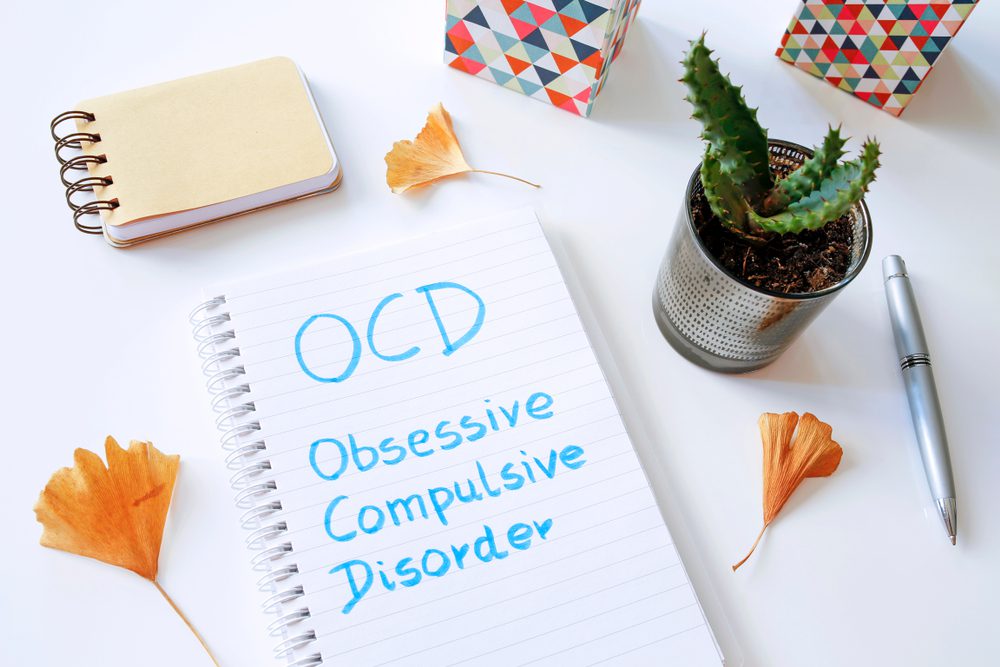
OCD

Could It Be OCD? These 9 Interesting Facts Will Surprise You

…Have you ever heard about obsessive-compulsive disorder, also simply known as OCD? You’ve surely met…

Read More →
Serene senior woman enjoying quiet moment with tea by window.

The Complete Guide to Understanding and Managing Anxiety After 50

Changing Your Thoughts: A Gentle Introduction to CBT Our thoughts are not always facts. When…

Read More →
Active Shooter

8 Shocking Traits All Active Shooters Have in Common

Let’s talk about the psychological profile of active shooters! The unfortunate reality is that mass…

Read More →
anxiety, relationship, stress

These Are the 6 Types of Anxiety Disorders

#5 Separation Anxiety Although it’s common to assume that only kids experience separation anxiety, separation…

Read More →
triggers

13 Dangerous Psychological Triggers and How to Overcome Them

Triggers are natural sensory reminders that might cause painful memories or some symptoms to resurface.…

Read More →
things anxiety does to your body paranoia after 60

7 Most Worrying Things Anxiety Does to Your Body

4. Muscle tension Your muscles tense up to protect themselves from any injury that may…

Read More →

Psychology Diary

The First Step Toward Change Is Awareness

Inedit Agency S.R.L.
Bucharest, Romania

contact@psychologydiary.com

Explore

  • About Us
  • Advertiser Disclosure
  • Contact Us
  • Disclaimer
  • Do not sell my personal information
  • Editorial Policy
  • Frequently Asked Questions
  • Privacy Policy
  • Terms and Conditions
  • Subscribe
  • Unsubscribe

Categories

  • Expert Tips
  • Family
  • Life
  • Marriage
  • Mental Health

© 2026 Psychology Diary. All rights reserved.