8. Anxiety and depression
Being in a relationship with a narcissistic partner might have serious “side effects,” especially in the long run. Even if the effects aren’t the same for everybody, a majority of people experience high anxiety levels and sometimes depression.
Because abusers tend to isolate their victims from their social lives, this might lead to depression and feelings of worthlessness. A therapist’s advice is that whenever you feel like there is no way out of your situation, start seeking help. Look out for therapists in your area, and if you’re not comfortable, don’t talk with anybody else about this. After all, it should be solely your decision.
9. Cognitive issues
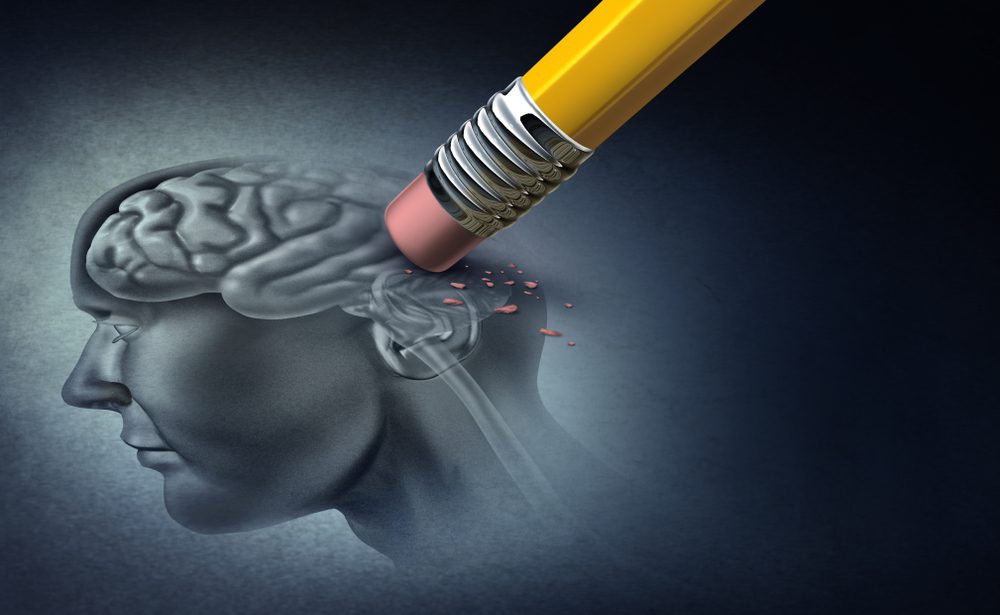
Stress hormones are released by the brain after trauma. This may eventually affect how the brain functions, which is why people who have endured emotional abuse may experience memory loss or find it difficult to focus.
Bottom line
Narcissistic abuse has a very bad impact on your life, and being in a romantic relationship with a person like this will also have lasting effects on you. Sadly, some people can feel this negative impact years after they’re no longer part of that relationship. That’s why it’s very important to ask for help as soon as you can to get the support you need when you feel like nobody else is listening to you.
Don’t let yourself down, because professional help can do wonders for you and your mental health! Let’s say STOP together to narcissistic abuse.
Curious about other articles related to narcissism? Check out this one: 10 Signs You’re Dating a Narcissist.