

At a Glance: What You’ll Learn
- The Baseline Rule: Why you can’t spot a lie without knowing the truth.
- The “Statue” Effect: How cognitive load makes liars freeze rather than fidget.
- The Eye Myth: Why looking to the right doesn’t actually mean someone is lying.
- Pacifying Behaviors: Specific gestures that reveal high stress and discomfort.
- Incongruence: How to spot when a person’s body contradicts their words.
You’ve likely stood across from a partner, a colleague, or a child and felt that sudden, sinking pit in your stomach: something isn’t right. Their words sound plausible, but your gut tells you otherwise.
We often like to think of ourselves as human lie detectors, but the reality is humbling. According to research cited by the American Psychological Association, the average person detects lies with only about 54% accuracy—barely better than flipping a coin. Why? Because we often look for the wrong signs. We assume liars are fidgety, avoid eye contact, and stumble over their words. In reality, skilled deceivers often do the exact opposite.
However, behavioral psychology offers a more reliable toolkit. By shifting your focus from “lie detection” to “discomfort detection,” you can learn to spot the subtle leaks that occur when someone’s brain is working overtime to fabricate a story. Below are five research-backed secrets to reading these hidden signals.

Secret 1: The “Statue” Effect (Cognitive Load)
There is a pervasive myth that liars are jittery and won’t sit still. While anxiety can cause fidgeting, the act of constructing a lie is a complex cognitive task. Your brain has to suppress the truth, invent a story, ensure the story makes sense, and monitor your reaction—all simultaneously.
This mental effort creates what psychologists call cognitive load. When the brain is overwhelmed with thinking, the body often shuts down non-essential movements to conserve energy.
If you ask someone a difficult question and they suddenly become unnaturally still—their hands stop moving, their legs freeze, and their posture stiffens—take note. This “statue” effect is often a sign that their brain is diverting all its processing power to managing their words.
“Lying is a deliberate choice to mislead… The stronger the emotion, the more likely it is that some sign of it will leak despite the liar’s best attempt to conceal it.” — Paul Ekman, Psychologist and deception researcher

Secret 2: Pacifying Behaviors (The Stress Leak)
Lying triggers the limbic system—the part of the brain responsible for the “fight, flight, or freeze” response. Even if a person isn’t afraid of being caught, the psychological tension of deception often requires physical release.
Joe Navarro, a former FBI counterintelligence agent and author of What Every Body is Saying, describes these as pacifying behaviors. These are self-soothing gestures we use to calm ourselves down when we feel threatened or uncomfortable. Watch for:
- Neck Touching: This is a classic sign of vulnerability. Men often touch their necks robustly or adjust their ties, while women are more likely to touch the suprasternal notch (the dimple at the base of the throat) or play with a necklace.
- Leg Cleansing: Someone might rub their palms down their thighs as if wiping off sweat. This is a subconscious attempt to “wipe away” the stress.
- Ventilation: Pulling a shirt collar away from the neck or fluffing hair to let air in. This literally cools down the stress response.
Important nuance: These behaviors indicate stress, not necessarily deception. An honest person might touch their neck because they are nervous about being interrogated. However, if these behaviors appear in a cluster immediately after you ask a probing question, it suggests that specific topic is a source of psychological threat.

Secret 3: The Directional Disconnect
We can often control our faces because we know people are watching them. We are less likely, however, to control our feet. In high-stakes situations, a person’s feet often point toward where they want to go.
If you are engaged in a conversation and the other person’s torso is facing you, but their feet are pointed toward the exit (or away from you), it signals a strong desire to disengage. This is known as “ventral denial”—turning one’s belly (ventral side) or feet away from something they wish to avoid.
Similarly, watch for blocking behaviors. If you ask a question and the person suddenly places a physical object between you—like a coffee cup, a pillow, or even crossing their arms tightly—they may be subconsciously creating a barrier to “protect” themselves from the inquiry.
Secret 4: The Blink Pattern
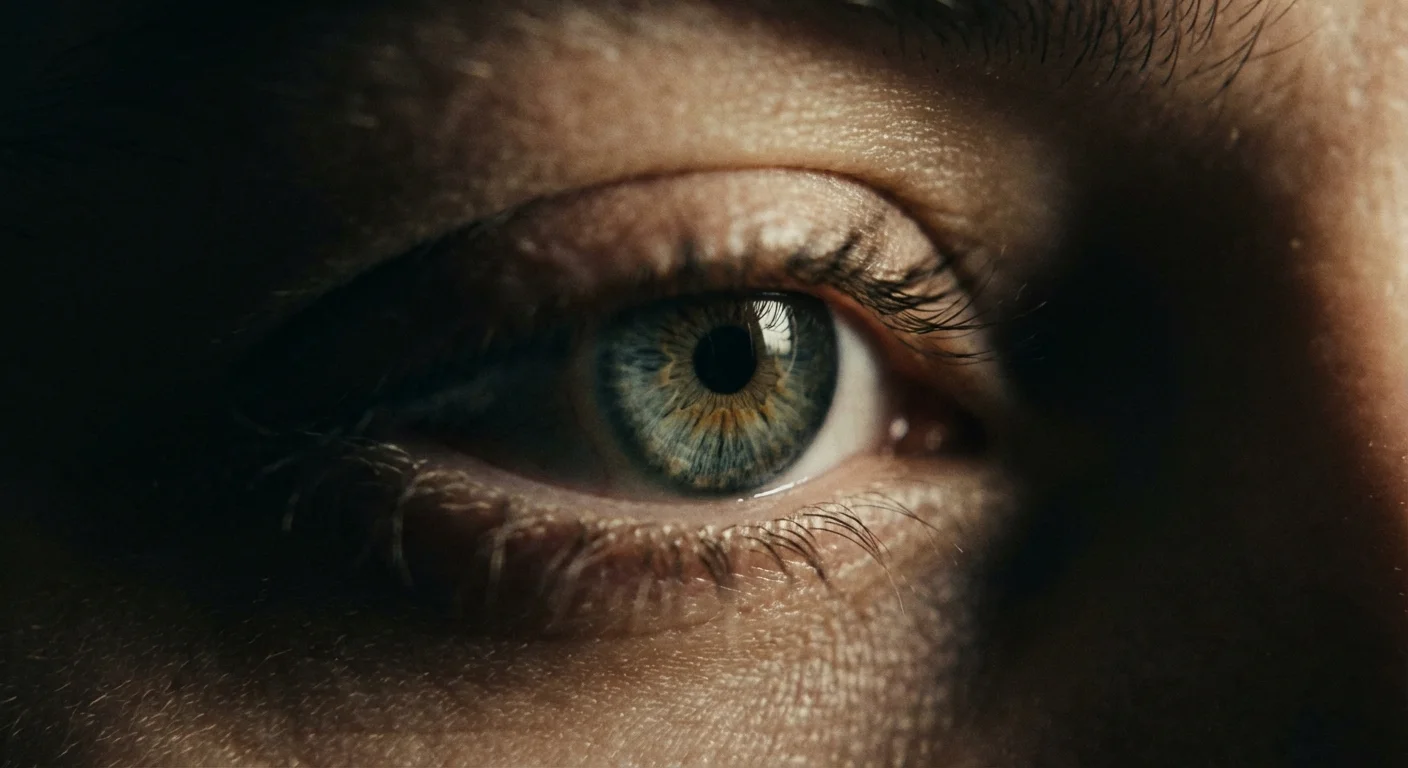
Eyes are powerful communicators, but not in the way pop psychology suggests. Research has shown that during the actual telling of a lie, a person’s blink rate often decreases.
Why? Because of the cognitive load mentioned earlier. When we stare at someone to convince them, or when we are thinking intensely, we blink less. It’s a form of “cognitive staring.”
The “tell” comes immediately after the lie is told. Once the difficult fabrication is out, the brain relaxes, and you may see a rapid flurry of blinks—a “blink storm”—as the person’s physiology returns to normal. This pattern—stare, lie, blink-storm—is a more reliable indicator than simply looking for “shifty eyes.”

Secret 5: Incongruence and Timing
The truth is automatic; lies are manual. This often causes a timing delay or a mismatch between words and gestures, known as incongruence.
In a genuine interaction, gestures and words happen simultaneously. If someone yells “No!”, they usually slam their hand on the table at the exact same moment. In a fabricated response, the words often come first (“I didn’t do it”), followed a split-second later by the angry gesture. The brain is acting out the emotion rather than feeling it.
The Head Shake Trap:
Watch closely when someone answers a yes/no question. A subconscious leakage often occurs where the head contradicts the mouth.
- The “No” Nod: Saying “I absolutely did not take that money” while slightly nodding their head up and down.
- The “Yes” Shake: Saying “I really like your new idea” while subtly shaking their head side-to-side.
This body-betrayal happens because the body is attempting to signal the truth even while the mouth is lying.

Patterns to Watch For: The “Looking Right” Myth
You have likely heard the old advice: “If they look up and to the right, they are lying. If they look up and to the left, they are remembering.”
This is false.
In 2012, researchers led by Professor Richard Wiseman (published in PLOS ONE) rigorously tested this theory and found no correlation between eye direction and truth-telling. Relying on this myth can lead you to falsely accuse honest people or trust skilled liars.
Eye movements do indicate cognitive processing, but the direction is personal to the individual and does not universally map to “truth” or “lies.” Discard this outdated rule and focus on the blink rate and pupil dilation (which expands during cognitive effort) instead.

The Golden Rule: Context is King
If you take only one thing from this article, let it be this: None of these signs mean anything without a baseline.
A “baseline” is how a person behaves when they are calm, unstressed, and telling the truth.
- Some people naturally blink rapidly.
- Some people always touch their necks when they talk.
- Some honest people freeze up when they are nervous.
To spot a lie, you must look for deviations from the baseline. If your normally animated, loud partner suddenly becomes quiet and still when you ask where they were last night, that change is the clue—not the stillness itself.
Comparison: Honest Anxiety vs. Deception
| Behavior | Honest Anxiety | Deceptive Behavior |
|---|---|---|
| Emotion | Consistent (e.g., looks scared throughout) | Flashes of “Duping Delight” (smirking) or mismatched emotions |
| Detail | May say “I don’t know” or forget details | Often includes too much specific, unnecessary detail to sound convincing |
| Cooperation | Generally helpful, wants to clear name | Defensive, may attack the questioner (“Why are you asking me this?”) |

Next Steps
Learning to read body language is a skill that takes patience and practice. Start by observing people in low-stakes situations—watch interviews, observe interactions at a coffee shop, or just pay more attention to your friends when they tell stories. Remember to look for clusters of behaviors (statue effect + lip compression + delay) rather than a single sign.
If you find yourself constantly scanning a loved one for lies, it may be a sign that trust has already been broken, regardless of what their body language says. In those moments, honest conversation—or the help of a professional—is often more effective than detective work.
This article provides general educational information about psychology and relationships. It is not a substitute for professional therapy or medical advice. Everyone’s situation is unique—if you’re struggling, please reach out to a licensed mental health professional.
Last updated: February 2026. Psychology research evolves continuously—verify current findings with professional sources.









Very interesting and informative.