

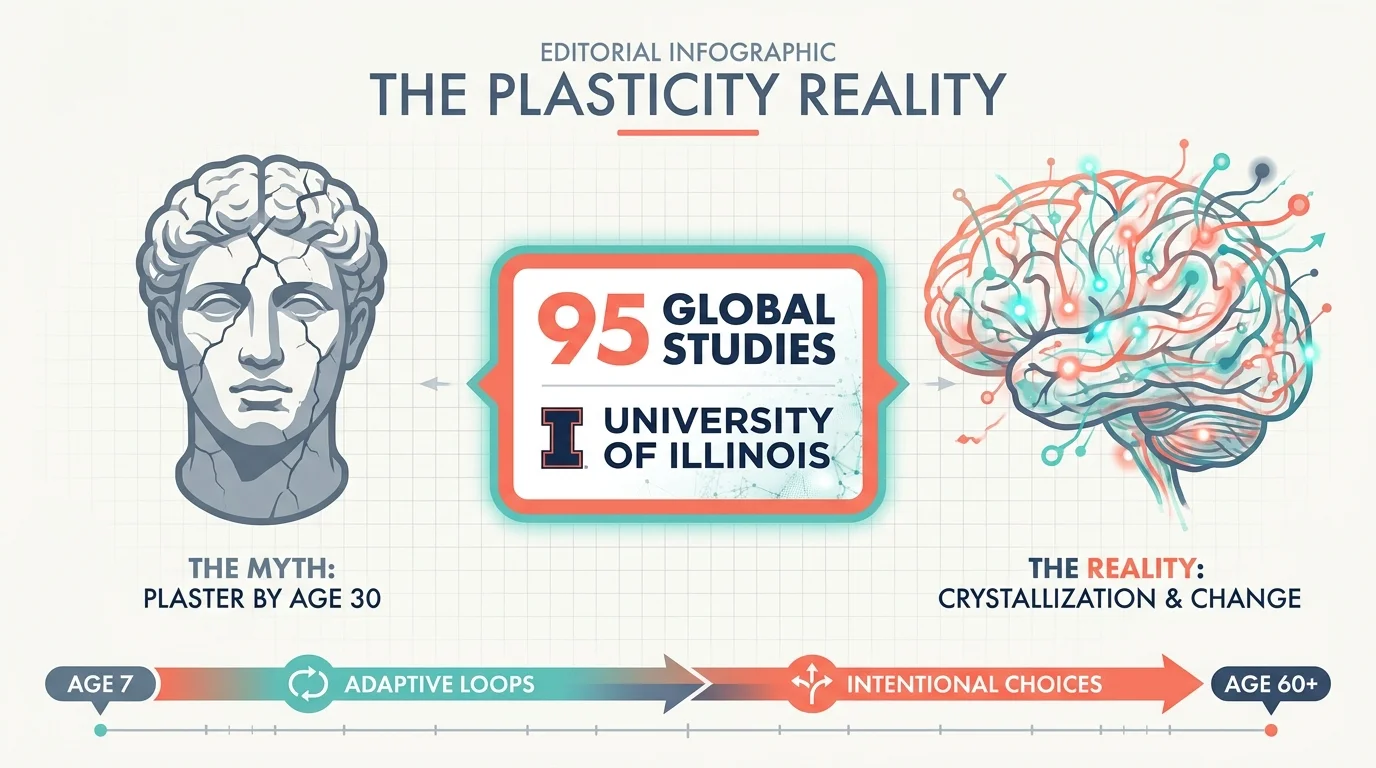
The coping mechanisms and behavioral loops you adopted at age seven continue operating in the background well into your sixties, dictating how you handle stress, affection, and boundaries today. While conventional wisdom suggests personality sets like plaster by age thirty, recent longitudinal studies demonstrate that early adaptive traits—from being the family peacemaker to hyper-organizing your physical space—often crystallize rather than fade as we age. As life slows down and external distractions diminish in your later years, these foundational blueprints become increasingly prominent. Understanding which childhood habits still govern your reactions allows you to consciously reshape your emotional landscape, ensuring your next decades are guided by intentional choices rather than outdated survival strategies.

1. The “Good Child” Syndrome (People-Pleasing)
If you learned early on that love, attention, and safety were conditional on your compliance, you likely developed a highly agreeable persona. This “good child” syndrome served as an emotional shield; by being perfectly accommodating, you minimized the risk of rejection or household volatility. By your sixties, this habit frequently morphs into chronic, exhausting people-pleasing.
In older adulthood, this looks like over-apologizing to your adult children for perceived slights, agreeing to host massive holiday dinners when you would rather travel, or hesitating to ask your doctor clarifying questions because you do not want to “be a bother.” The drive to keep everyone else comfortable requires you to routinely abandon your own needs. Unlearning this ingrained habit means recognizing that your worth is not tied to your utility. Start recalibrating your nervous system by practicing the pause: when asked for a favor, tell the person you need to check your schedule before committing. This buys you the psychological space to decide if you actually want to say yes.

2. Hyper-Independence (The “I Can Do It Myself” Default)
A childhood marked by unreliable caregivers, absent parents, or the need to assume adult responsibilities prematurely creates a powerful drive toward hyper-independence. Psychologists refer to this early role-reversal as parentification. In a comprehensive review of 95 global studies, researchers from the University of Illinois found that childhood parentification frequently leads to long-term patterns of rigid self-reliance, perfectionism, and emotional masking that extend well into later adulthood.
As you navigate your sixties and beyond, this fiercely guarded independence can actively work against you. You might hide physical pain, refuse help after a medical procedure, or conceal emotional distress from your spouse to avoid feeling like a burden. While self-sufficiency is a wonderful trait, extreme hyper-independence is often a trauma response designed to prevent you from being let down again. Allowing others to assist you—whether it involves carrying heavy groceries, navigating complex technology, or offering a listening ear—actually builds intimacy and prevents caregiver burnout. Challenge this habit by asking for one small, low-stakes piece of help this week.
3. Information Hoarding and Constant Preparation
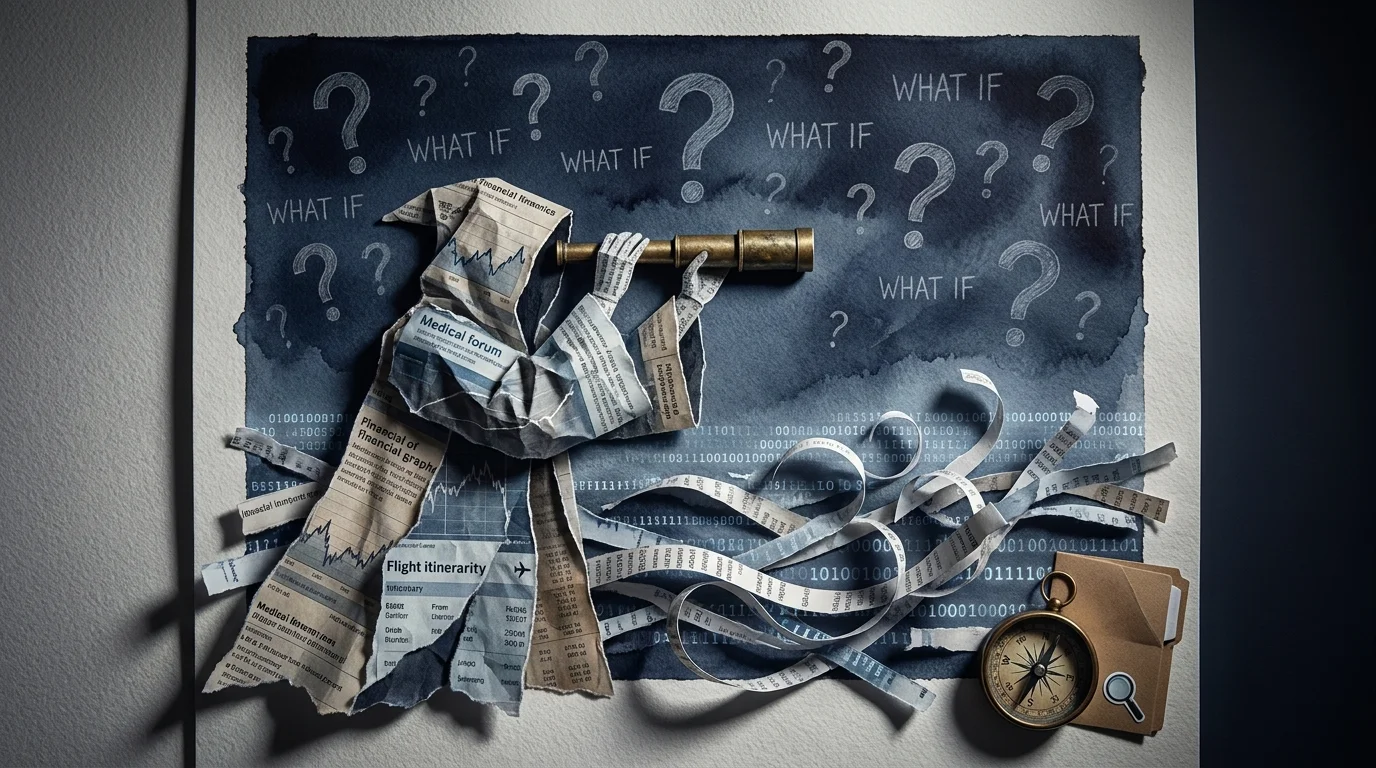
Children raised in chaotic, unpredictable, or financially unstable environments quickly learn that surprises are rarely pleasant. To cope with the anxiety of the unknown, you might have become the family scout—constantly scanning the horizon for potential dangers and gathering as much information as possible to stay safe.
Decades later, this childhood habit presents as chronic over-preparation and catastrophizing. You might find yourself spending hours deep down internet rabbit holes researching obscure health symptoms, obsessively monitoring your retirement accounts despite having a stable pension, or micromanaging family travel itineraries down to the minute. While being informed is highly practical, information hoarding is a covert attempt to control the uncontrollable. When you notice the urge to doom-scroll or over-plan, acknowledge the underlying anxiety driving the behavior. Limit your news consumption and practice grounding techniques that anchor you in the present moment, reminding your nervous system that you are currently safe and do not need to prepare for an imminent disaster.
4. Emotional Suppression (The Stiff Upper Lip)
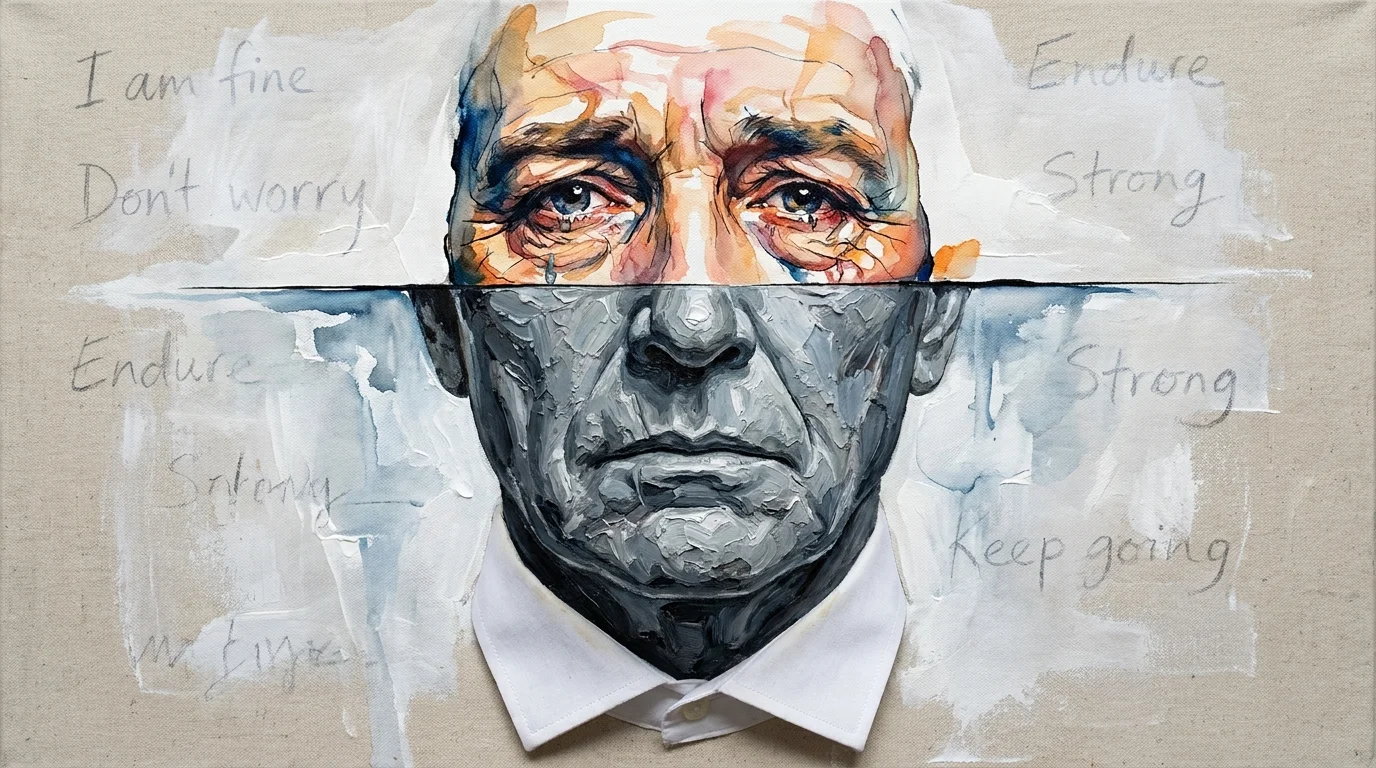
If statements like “stop crying or I’ll give you something to cry about” echoed through your childhood home, you learned to swallow your feelings to survive. Emotional suppression becomes a deeply ingrained, automatic habit, often mischaracterized as resilience or stoicism in older generations.
However, unprocessed grief, anger, and sadness do not simply disappear; they relocate to your physical body. According to the World Health Organization’s 2025 data, approximately 14% of adults aged 70 and older live with a mental health condition. Yet, in older populations, depression frequently masks itself as somatic complaints—unexplained backaches, severe digestive issues, or chronic irritability—rather than overt weeping.
“We cannot selectively numb emotions. When we numb the painful emotions, we also numb the positive emotions.” — Brené Brown, PhD, MSW
By keeping a stiff upper lip, you inadvertently blunt your capacity for joy, gratitude, and deep connection in retirement. Begin dismantling this dam by naming your emotions out loud. Simply stating “I feel overwhelmed right now” validates your internal experience without requiring immediate action.

5. Perfectionism and Over-Achievement
If your caregivers only offered affection and praise when you brought home excellent grades, excelled in sports, or kept a spotless bedroom, you learned to conflate your inherent self-worth with your measurable productivity. This habit often fuels massive career success, but it makes the transition into your sixties incredibly jarring.
Retirement frequently triggers a profound identity crisis for the chronic overachiever. Without a formal job title, a relentless schedule, or a boss to please, you might feel entirely untethered. To cope with this discomfort, many older adults immediately fill their days with demanding volunteer work or turn relaxing hobbies into high-pressure obligations. Notice when you are turning your leisure time into labor. Give yourself permission to be a complete beginner at a new hobby, focusing purely on the process of creation or participation rather than optimizing the final product. You are allowed to simply exist.
6. The Peacemaker Role (Conflict Avoidance)
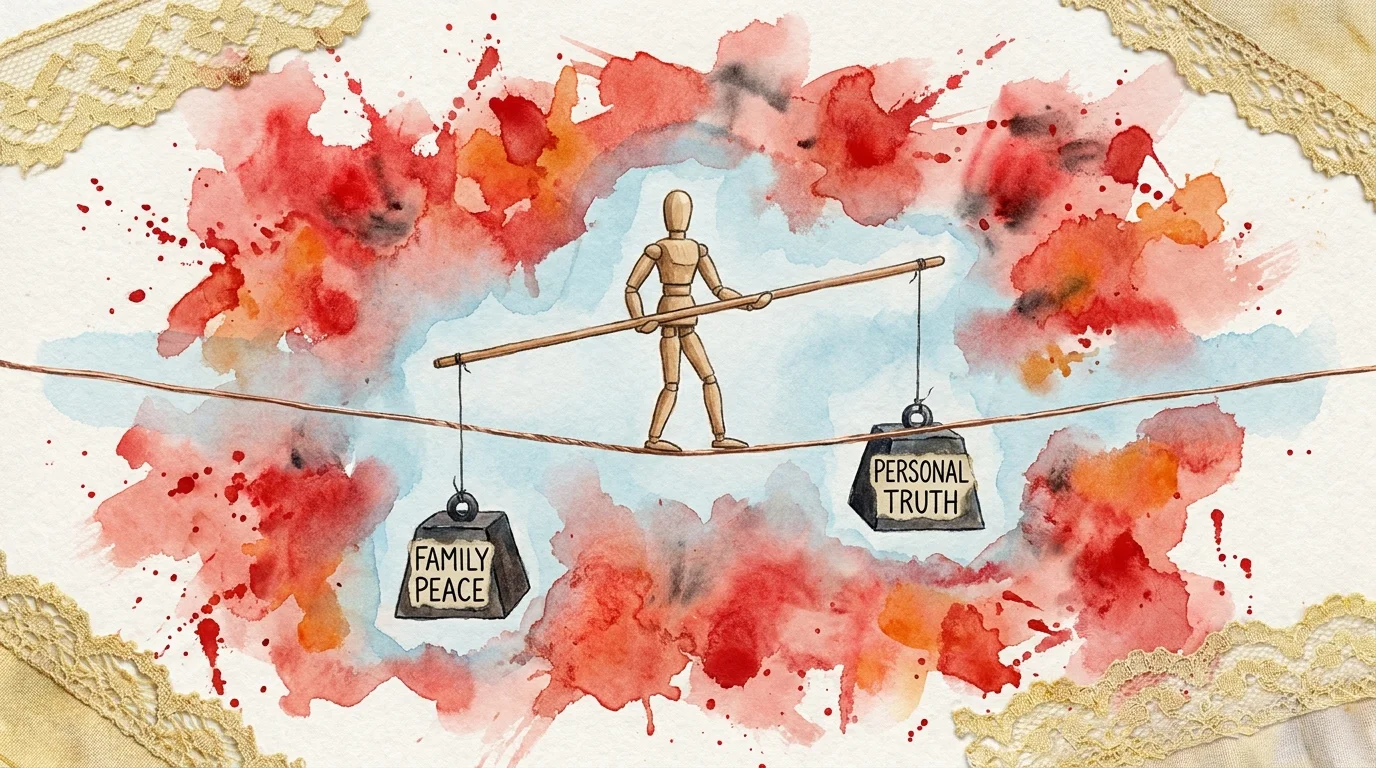
Growing up in a home characterized by explosive anger, passive-aggression, or tense silence often breeds an exceptional peacemaker. You learned to read the temperature of the room the moment you walked through the door, instinctively intervening before arguments could fully erupt.
At sixty, you might still be playing this exhausting role by mediating disputes between your adult children, smoothing over awkward family dinners, or biting your tongue when your partner does something hurtful.
“The key to a happy relationship is not the absence of conflict, but how you repair it.” — John Gottman, PhD
Decades of research from the Gottman Institute reveals that 69% of relationship conflicts are perpetual problems rooted in fundamental personality differences. Attempting to avoid all conflict is not only impossible, but it also creates profound emotional distance. Stepping out of the peacemaker role means allowing other adults to manage their own discomfort. When family members argue, practice physically leaving the room instead of jumping in to fix it.

7. Scarcity Mindset (Frugality to a Fault)
A scarcity mindset is fiercely persistent, lingering long after your bank account stabilizes. If you experienced childhood poverty, or if your parents constantly expressed intense anxiety about making ends meet, your developing brain was wired to view all resources as incredibly fragile and fleeting.
Today, even if your financial planner confirms you have ample savings to enjoy your retirement, you might agonize over the smallest purchases. You might refuse to turn on the air conditioning during a summer heatwave, delay necessary dental work, or feel immense guilt treating yourself to a nice meal. There is a vast psychological difference between chosen frugality and a fear-driven scarcity compulsion. This habit shifts from being a clever survival tool to a barrier preventing you from enjoying the fruits of your lifelong labor. Challenge this restrictive mindset by budgeting a small, specific amount of “joy money” each month that you are required to spend on something purely for your own comfort or delight.

8. Vigilant Observation (Hyper-Vigilance)
Children raised by volatile, inconsistent, or emotionally immature caregivers become expert behavioral observers. You learned to scan faces for micro-expressions, decode the meaning behind slamming doors, and anticipate shifting moods to stay out of the line of fire.
In your sixties, this deeply ingrained hyper-vigilance manifests as absorbing the emotional energy of everyone around you. At family gatherings or social events, you are the one ensuring everyone else is having a good time, subtly managing conversations to avoid sensitive topics, and monitoring the host’s stress levels. Consequently, social events leave your nervous system utterly exhausted. Practice pulling your focus inward. When you feel the urge to manage the room, ask yourself, “How is my body feeling right now?” rather than “What is everyone else thinking?” You are no longer a vulnerable child responsible for regulating the emotions of the adults around you.
Myths Worth Debunking
- Myth: Personality is permanently set in stone by age 30.
Fact: Comprehensive longitudinal research, such as the Gothenburg Longitudinal study of Development, tracks personality from early childhood well into adulthood and decisively proves otherwise. The “Big Five” personality traits continue to evolve across the entire lifespan. Traits like agreeableness and conscientiousness often naturally increase with age, proving you possess the neuroplasticity to shift your behavioral patterns at 60 and beyond. - Myth: Childhood dynamics no longer affect you once your parents pass away.
Fact: The physical presence of a caregiver is not required for their influence to persist. The neural pathways and emotional reflexes formed during your formative years remain active in your brain until you consciously identify and rewire them. - Myth: Seeking therapy as an older adult is pointless because it is “too late to change.”
Fact: The American Psychological Association’s updated 2024 guidelines emphasize that older adults benefit immensely from psychological interventions. Evidence-based therapies are incredibly effective for addressing late-life transitions, grief, and long-standing behavioral patterns that no longer serve you.
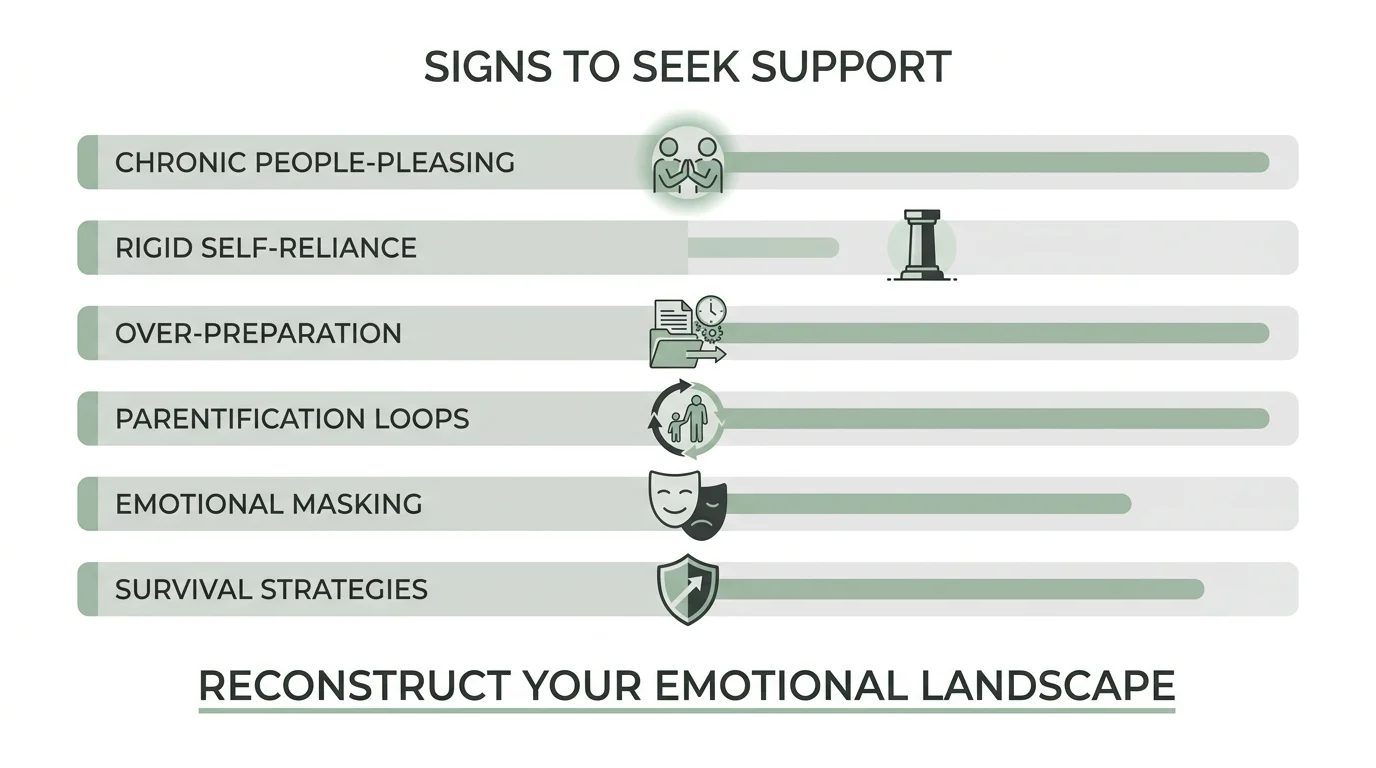
Signs It’s Time to Talk to a Therapist
While self-reflection is a powerful tool, some childhood habits are woven so deeply into our nervous systems that they require professional support to safely unravel. Consider reaching out to a licensed mental health professional if you notice the following:
- Your hyper-independence actively threatens your physical safety, such as hiding falls, refusing necessary medical help, or neglecting your basic needs to avoid relying on others.
- You experience intense physical symptoms—such as chronic insomnia, severe digestive issues, or debilitating muscle tension—that consistently flare up during family conflicts or times of stress, without a clear underlying medical cause.
- You feel a profound loss of identity, a persistent sense of emptiness, or deep depression after transitioning into retirement.
- The thought of setting basic boundaries with your adult children or spouse triggers overwhelming guilt, panic attacks, or intense emotional flooding.
Frequently Asked Questions
Is it normal to suddenly remember difficult childhood memories in my sixties?
Yes. As the demanding, busy middle years of career-building and child-rearing slow down, your brain finally has the cognitive space to process older, unresolved memories. This is a common and normal part of life review in older adulthood.
How can I stop being a people-pleaser so late in life?
Start with incredibly small steps. Practice saying “let me think about it” instead of offering an immediate “yes.” You must intentionally build your tolerance for the temporary, uncomfortable guilt that arises when you prioritize your own needs over someone else’s convenience.
Can a long-term marriage survive if we stop avoiding conflict?
Absolutely. Learning to navigate conflict directly actually builds intimacy. Disagreements handled with respect, softened start-ups, and genuine curiosity lead to a much deeper mutual understanding, rather than the quiet resentment that inevitably breeds in silence.
Shedding the emotional armor you forged in childhood is delicate, profound work. The survival strategies that kept you safe at seven years old are simply no longer required for the life you are living today. Be incredibly gentle with yourself as you notice these patterns arising. Change in your sixties is not about fixing something broken; it is about finally giving yourself permission to put down the heavy emotional luggage you have been carrying for decades. Take it one realization, one boundary, and one deep breath at a time.
This is educational content based on psychological research and general principles. Individual experiences vary significantly. For personalized guidance, consult a licensed therapist, psychologist, or counselor.
Last updated: February 2026. Psychology research evolves continuously—verify current findings with professional sources.









Leave a Reply