
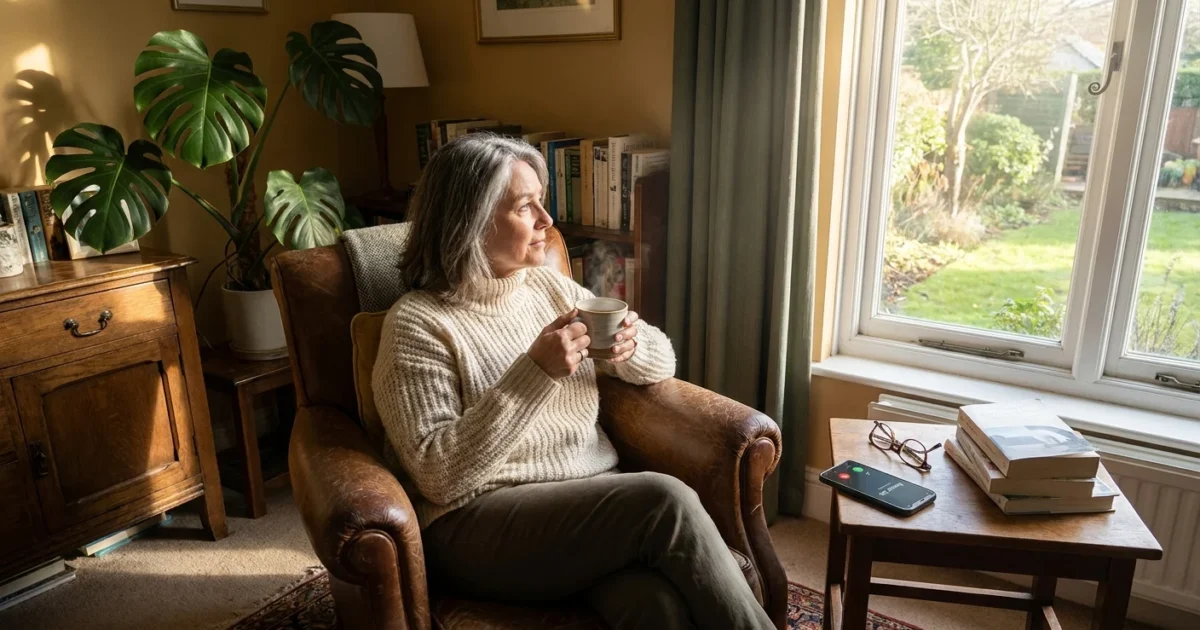
It might sound like an exaggeration, but the research is staggering: chronic loneliness damages your physical health as much as smoking up to 15 cigarettes a day [2.1]. The U.S. Surgeon General brought this reality to the national stage by issuing a public health advisory that warned how prolonged social disconnection significantly increases the risk of premature death, heart disease, and cognitive decline.
If you are over 60, these numbers carry extra weight. According to a 2025 AARP survey, 35% of adults aged 60 and older report feeling lonely. Similarly, a 2024 national poll by the University of Michigan found that one in three older adults feels lonely, while 29% experience objective social isolation. The landscape of your social life shifts dramatically as you age; the built-in communities of the workplace fade, family dynamics change, and mobility shifts can make maintaining relationships more difficult.
However, aging does not automatically condemn you to a life of isolation. Connection is a fundamental human need—one that you can actively rebuild. This article explores why loneliness often intensifies in your later years, how to distinguish between healthy solitude and damaging isolation, and most importantly, how to use evidence-based strategies to foster genuine relationships.

The Essentials: What You Need to Know
- Loneliness is subjective: It is the painful gap between the connections you want and the ones you currently have. You can feel terribly lonely in a crowded room, or perfectly content living entirely alone.
- The health risks are real: Chronic isolation is not just a mental health issue; it triggers physical stress responses that rival the dangers of obesity and physical inactivity.
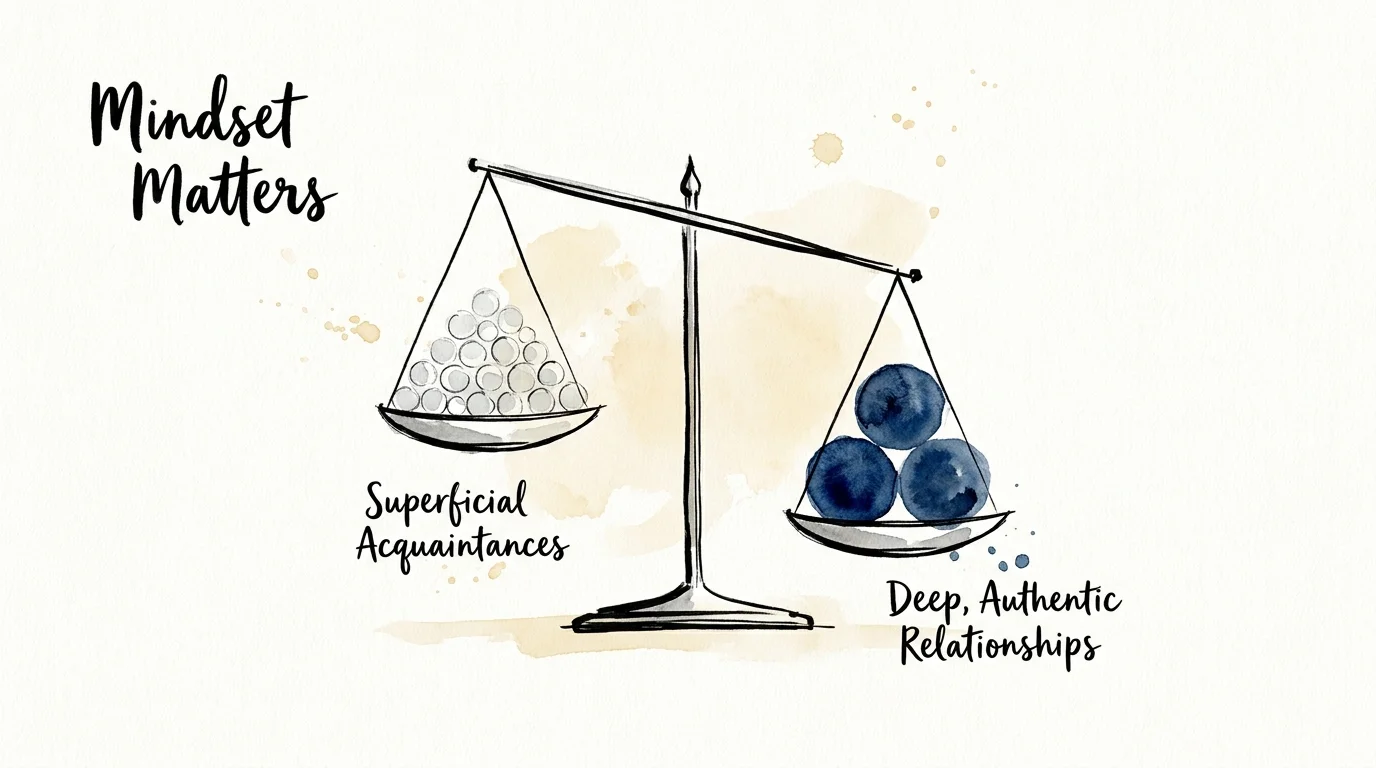
- Quality beats quantity: Research consistently shows that a few deep, authentic relationships provide more psychological protection than a wide network of superficial acquaintances.
- Your mindset matters: The most effective interventions for loneliness involve challenging negative assumptions about social interactions, rather than simply putting people in a room together.
The Difference Between Being Alone and Feeling Lonely
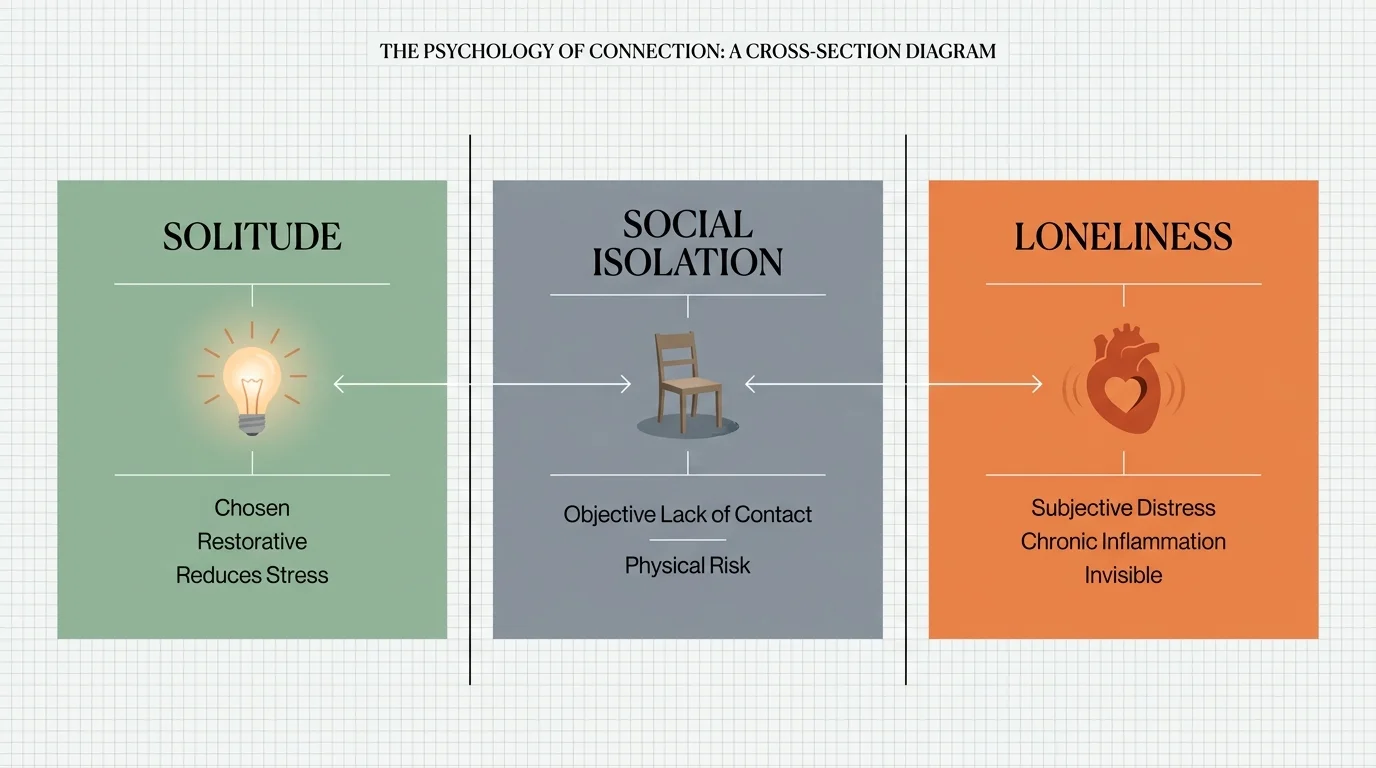
We often use the terms “loneliness” and “isolation” interchangeably, but psychologists draw a sharp line between the two. Understanding exactly what you are experiencing is the first step toward addressing it. Are you simply spending too much time alone, or are you suffering from a lack of meaningful emotional intimacy?
| State of Being | What It Is | How It Feels | Health Impact |
|---|---|---|---|
| Solitude | Chosen, intentional time spent alone. | Restorative, peaceful, and creatively stimulating. | Highly positive; reduces stress and allows for emotional regulation. |
| Social Isolation | An objective, physical lack of regular social contact. | Quiet, sometimes practical, but often lacking necessary cognitive stimulation. | Concerning; lack of daily interaction can increase physical health and safety risks regardless of your emotional state. |
| Loneliness | A subjective distress caused by a gap between your desired and actual connections. | Painful, draining, and characterized by a sense of being invisible or misunderstood. | Severe; triggers chronic inflammation and raises the risk for cardiovascular disease and dementia. |
Why Does Loneliness Intensify After 60?
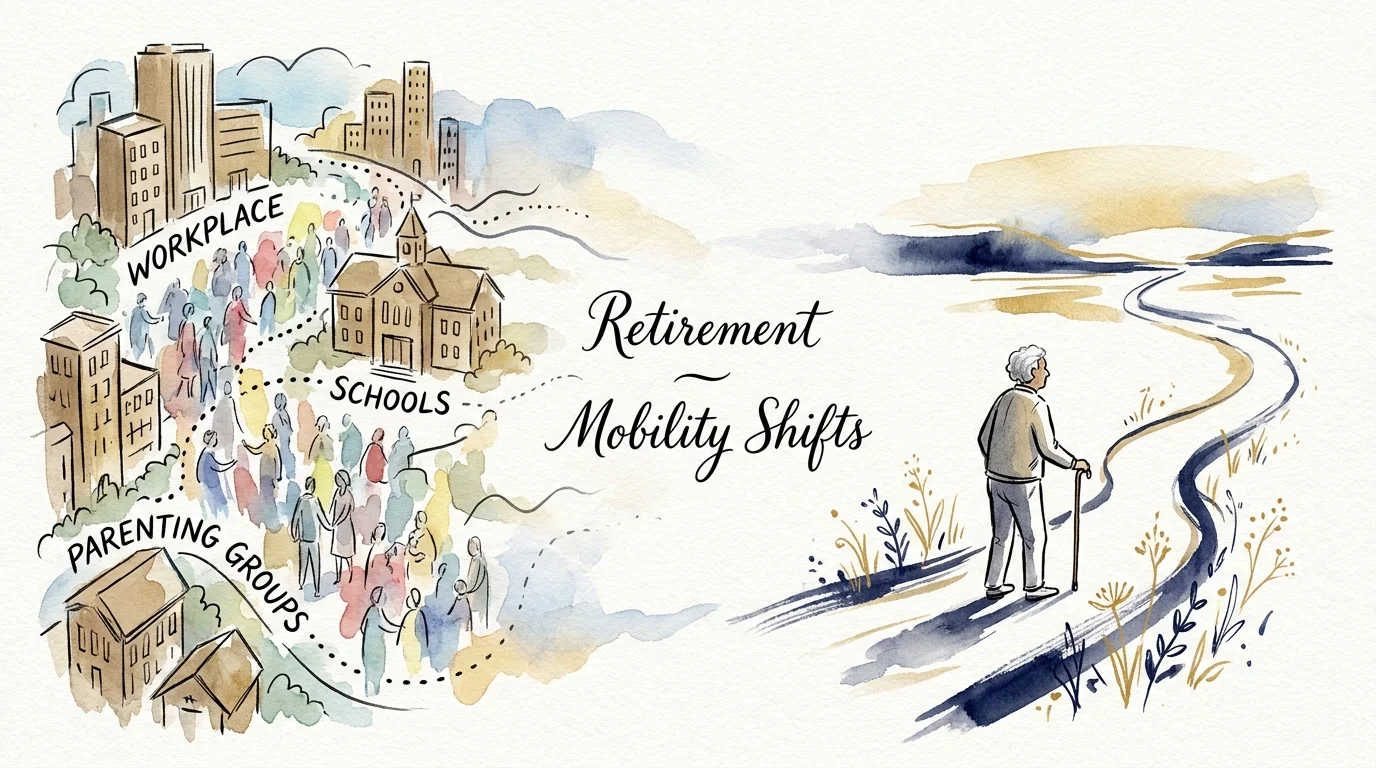
You did not suddenly lose your ability to make friends. Instead, the infrastructure that naturally supported your social life has changed. During your younger years, schools, workplaces, and parenting groups provided a continuous stream of forced socializing. As you enter your 60s and beyond, those structural networks often fall away.
The Retirement Ripple Effect
Leaving the workforce is often celebrated as the ultimate goal, but it quietly removes dozens of daily micro-interactions. The brief chats by the coffee machine, the collaborative problem-solving, and the shared frustrations of the workday all vanish. Without the structure of a career, you must manufacture your own social opportunities from scratch.
Life Transitions and Shrinking Networks
By the time you reach 60, you have likely navigated significant losses. Children move away, spouses may pass away or face serious illness, and friends might relocate to be closer to their own families. These compounding losses can dramatically shrink your daily social circle.
Physical and Cognitive Shifts
Changes in your physical health play a subtle but massive role in isolation. Hearing loss, for example, is a primary driver of social withdrawal; when following a conversation in a noisy restaurant becomes exhausting, it is much easier to just stay home. Similarly, chronic pain or a loss of driving privileges can turn a simple coffee date into a logistical nightmare.
Patterns to Watch For: Common Misconceptions
When you are hurting, it is easy to fall into cognitive traps that convince you nothing can change. Let’s dismantle a few of the most common myths about aging and socialization.
- Myth: Living with family means you can’t be lonely.
You can live in a bustling multigenerational household and still feel profoundly isolated. If your interactions are purely transactional—focused on chores, schedules, and errands—rather than emotionally intimate, your core need to feel understood remains unmet. - Myth: You just need to “get out more.”
Attending a crowded community event without speaking to anyone often exacerbates loneliness because it highlights the absence of connection. Proximity to others is not the cure; engagement is. - Myth: Technology is a perfect substitute for real life.
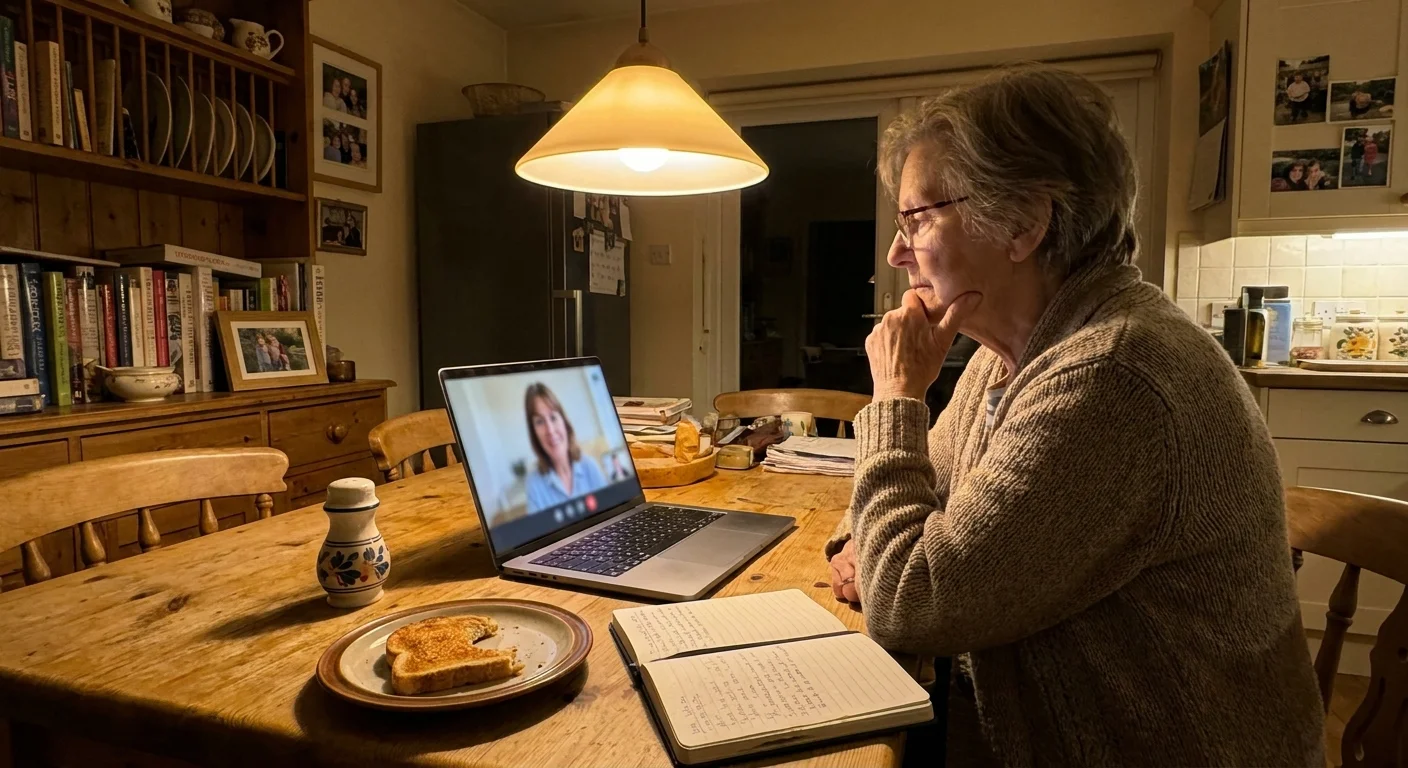
While video calls and social media can bridge geographic gaps, they lack the biochemical benefits of in-person contact. Face-to-face interaction releases oxytocin and reduces cortisol in ways that staring at a screen simply cannot replicate.

Research-Backed Strategies to Rebuild Connection
Finding new friends later in life requires vulnerability, but science offers a clear roadmap. A comprehensive 2024 systematic review published in Frontiers in Public Health analyzed over 100 interventions aimed at reducing loneliness in older adults. The researchers discovered that the most successful approaches targeted multiple objectives at once: changing how you think about socializing, building new skills, and incorporating non-traditional companions.
Here are practical ways to apply this research to your own life:
1. Address Your “Maladaptive Social Cognition”
The 2024 review found that cognitive interventions—which target your internal dialogue—are highly effective. When you are lonely, your brain becomes hyper-vigilant to social threats. You might interpret a friend’s unreturned phone call as a deliberate rejection rather than a simple oversight. This leads to a self-fulfilling prophecy where you withdraw to protect yourself. Challenge these negative assumptions. Remind yourself that others are likely just as eager for connection, and just as hesitant to make the first move, as you are.
2. Bond Over Shared Tasks
Interventions focused on skill-building activities are consistently more successful than unstructured social gatherings. Walking into a room where you are expected to just mingle can be terrifying. Instead, join environments focused on a shared task—a pottery class, a community gardening project, or a local history group. The task removes the pressure of small talk, allowing relationships to develop organically side-by-side.
3. Cultivate “Weak Ties”
Sociologists emphasize the importance of “weak ties”—the people you see regularly but don’t know deeply, like the barista at your local coffee shop, the librarian, or the neighbor walking their dog. These brief, low-stakes interactions provide a vital sense of belonging and community grounding. Make a conscious effort to learn their names and exchange a few warm words.
4. Consider Animal Companionship
The research strongly supports animal-assisted activities as a primary defense against loneliness. Caring for a pet provides a daily routine, deep affection, and tactile comfort. Furthermore, a dog serves as an incredible social bridge; it is much easier for strangers to strike up a conversation with you about your pet than to approach you unprompted.
When Self-Help Isn’t Enough
Loneliness can occasionally be a symptom of a deeper clinical issue. Because isolation thrives in silence, it is crucial to recognize when it is time to seek support from a licensed professional. According to guidance from the National Institute of Mental Health (NIMH), you should consider professional therapy if you experience any of the following:
- Your desire to avoid social settings is driven by intense anxiety, panic, or a fear of leaving your home (agoraphobia).
- You feel a persistent emotional numbness; even when you are with close friends or family, you cannot experience joy or connection.
- Your isolation is accompanied by severe changes in sleep patterns, appetite, or personal hygiene.
- You are relying heavily on alcohol, prescription medications, or other substances to cope with the silence of your days.
If you or someone you know is in immediate distress, the 988 Suicide & Crisis Lifeline provides free, confidential support 24/7.
Redefining Connection on Your Terms
Building a rich social life in your 60s and beyond is not about trying to recreate the bustling networks of your 30s. It is about curating relationships that reflect who you are today. It requires the courage to reach out, the patience to let new bonds form, and the self-compassion to forgive yourself when it feels difficult.
As researcher Brené Brown beautifully articulates:
“I define connection as the energy that exists between people when they feel seen, heard, and valued; when they can give and receive without judgment; and when they derive sustenance and strength from the relationship.”
That energy is available to you at any age. Start small. Send a text to an old friend, strike up a conversation with a neighbor, or sign up for one local class. The path out of loneliness begins with a single, brave moment of reaching out.
Disclaimer: This article provides general educational information about psychology and relationships, referencing resources from organizations like the American Psychological Association and the WHO. It is not a substitute for professional therapy or medical advice. Everyone’s situation is unique—if you’re struggling, please reach out to a licensed mental health professional.
Last updated: April 2026. Psychology research evolves continuously—verify current findings with professional sources.






Leave a Reply